
River, stone and old roads
Llanhamlach
A small A40 settlement where a former drovers' stop, a Georgian country house and an early-medieval church foundation meet the Usk landscape.
- Best for
- Church archaeology, riverside routes and relaxed food
- Give it
- Half a day in the village, or longer with a nearby stop
- Don't miss
- The Moridic Stone and the medieval female effigy
Photo: Jaggery · CC BY-SA 2.0 · cropped
The Fox verdict
Small in scale, unusually rich in stories
Llanhamlach pairs a tiny roadside settlement with a church whose carvings reach back far beyond its Victorian rebuilding.
Come for the Moridic Stone, the medieval effigy and the path dropping from the church car park towards the Usk; stay for homemade food at the Old Ford Inn or the relaxed country-house setting of Peterstone Court. Brecon, Llangorse and Tretower provide worthwhile nearby additions.
Where to go
Places in Llanhamlach
Every place below is checked against a published source, listed with what it is and how long to give it.
Local signatures
3 placesPeterstone Court Hotel — restaurant and bar
A restaurant and bar in a Grade II* Georgian country-house hotel built in 1741, offering what the business calls tasty, unpretentious food in a setting described as relaxed despite the grand approach.
- Visit length
- Editorial estimate: allow around 75 minutes
- Locality
- edge of a river terrace above the Usk
- Access
- Dogs are listed as welcome, but the exact restaurant-area policy should be checked directly.
Brecon Promenade
A 0.6km surfaced riverside route with views of the seven-arched Llanfaes Bridge and possible sightings of kingfishers, cormorants, mallard and goosander.
- Visit length
- Editorial estimate: Allow approximately one hour
- Locality
- Brecon
- Access
- The route is graded 2 and described as surfaced, with seats, slight gradients and no gates.
Llangorse Multi Activity Centre
A family activity centre offering indoor and outdoor climbing, bouldering, horse riding, a junior challenge course and archery, with activities subject to different minimum ages.
- Visit length
- Editorial estimate: allow around 180 minutes
- Locality
- Llangorse
- Access
- Minimum ages vary by activity.
Food & drink
1 place
The Old Ford Inn
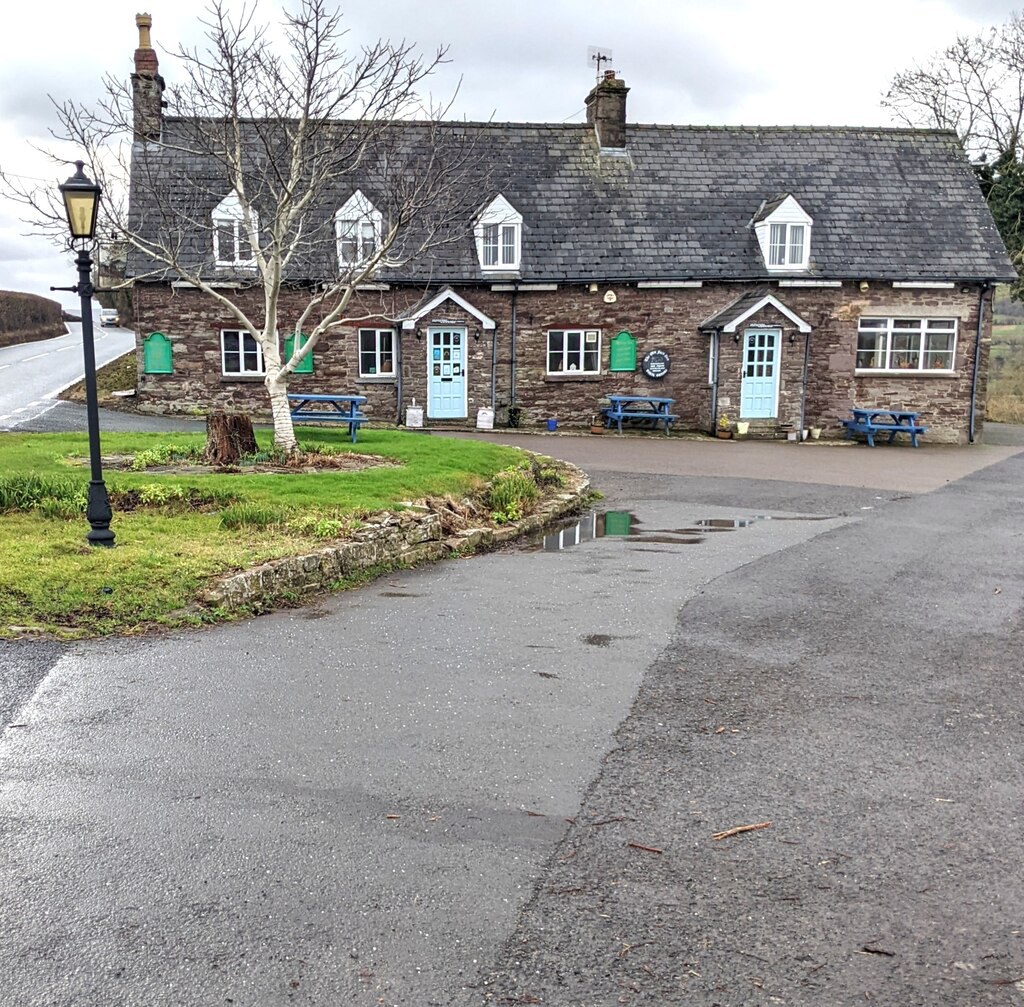
An independent country inn with homemade lunch and evening food, cask ale, a garden with mountain views, a real fire and a copper-worked central bar. It was once a stopping place for drovers.
- Visit length
- Editorial estimate: allow around 75 minutes
- Locality
- on the A40
History & heritage
3 places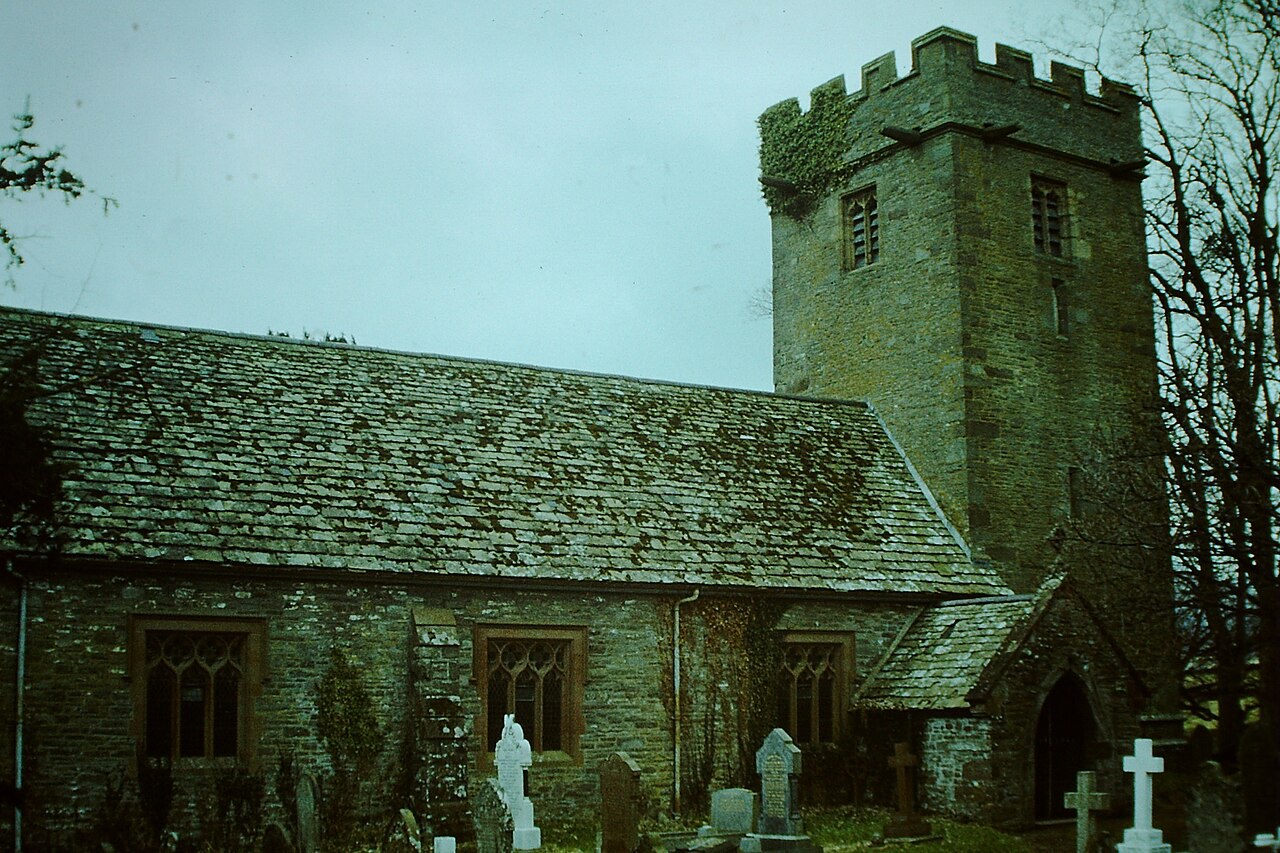
Church of St Peter and St Illtyd
A Grade II church with an early-medieval foundation, a 10th–11th-century carved Moridic Stone, a fine 14th-century female effigy, a late-medieval font, porch grave slabs and painted chancel angels.
- Visit length
- Editorial estimate: allow around 60 minutes
- Locality
- edge of a river terrace above the Usk
- Access
- The National Churches Trust records parking, cycle-secure space and level access to the church's main areas.
Brecon Cathedral
The mother church of the Diocese of Swansea and Brecon, with origins as the Benedictine Priory of St John the Evangelist founded in 1093.
- Visit length
- Editorial estimate: allow around 60 minutes
- Locality
- Brecon
Tretower Court and Castle
A Cadw site combining a four-storey Norman tower with a restored medieval court, a great hall arranged for a 1460s feast and a recreated 15th-century Yorkist garden.
- Visit length
- Editorial estimate: allow around 120 minutes
- Locality
- Tretower
No places match this filter. Choose All places to reset the list.
Three ways to explore Llanhamlach
Signature outings
Homemade food and drovers' stories
Choose homemade pub food in an inn that once served drovers and stood beside a ford across the Usk to Pencelli.
A carving rescued from the rectory
Look for the 10th–11th-century Moridic Stone, once reused as a window lintel, and the medieval woman whose feet rest on a dog.
Tower, feast hall and Yorkist garden
Pair Tretower's four-storey Norman tower with its restored court, 1460s feast setting and recreated 15th-century garden.
The village story
Llanhamlach Village Guide
A tiny Usk-side settlement shaped by drovers, a Georgian country house and church stones that have survived centuries of reuse and rebuilding.
The Old Ford and a tiny village
The garden at the Old Ford Inn looks south-west towards the Beacons, and one recent visitor decided it "has to top the ratings for best view from a pub garden in the UK." The inn stands on the A40 with a real fire, a separate bar and a copper-worked central servery hung with a collection of nip bottles. The food is homemade: sandwiches, baguettes, jacket potatoes and salads at lunch; in the evening a pie of the day, fish, and, recent diners report, a house dish called the Llanhamlach chicken in a garlic and mushroom sauce. Sunday lunch comes with three meats, seasonal vegetables, potatoes and homemade gravy, and recent diners have mentioned cheesecake, apple pie, and jam sponge and custard. The place was once a stop for drovers walking cattle to English markets, and its ford crossed the Usk to Pencelli until the river grew too deep to wade.
Llanhamlach is sixteen houses and about sixty people, strung along the trunk road and the river five kilometres south-east of Brecon. There is no shop. What it has instead is a Georgian country house and a church with an unusually old carving.
Peterstone Court and the parish church
Peterstone Court is the country house, a Grade II* mansion built in 1741 for a barrister named John Powell and later part of the Glanusk estate. It replaced an older house of the Walbeoffe family, who between 1627 and 1707 gave the county four High Sheriffs. Today it is a hotel with a restaurant and bar; the kitchen describes its own cooking as tasty, unpretentious food, and dogs are welcome. The setting is relaxed despite the grand approach.
The Church of St Peter and St Illtyd keeps the stranger things. Its Moridic Stone, cut in the tenth or eleventh century, carries a cross and two crude figures with their hands raised, and an inscription running along the edge. For a time it did duty as a window lintel in the old rectory, and it was pulled out of the ruins after 1852. Nearby lies a fine fourteenth-century effigy of a woman, her feet resting on a dog; a later inscription names her Jane Walbeoffe, though the pedigree behind that name is doubtful. Look also for the octagonal font, the seventeenth-century grave slabs set in the porch, and the painted angels in the chancel, which replaced earlier ones lost to damp. The nave and chancel were rebuilt in 1887 by S. W. Williams of Rhayader.
From the church to the river
From the church car park a footpath drops down to the River Usk. On the hill above the village is Tŷ Illtyd, a Neolithic chambered tomb, and the wider country offers the riverside Usk Valley Walk and the Brecon Promenade, a short surfaced stretch where you might see kingfishers or goosander below the seven-arched Llanfaes Bridge.
Getting to Llanhamlach
Getting here is simplest by road, since the A40 runs straight through. The practical railhead is Abergavenny, about seventeen miles off, and the X43 bus between Brecon and Abergavenny stops on the main road at Llanhamlach, near Tŷ-Illtyd, though not every service calls.
The stone woman and her dog
Stand in the churchyard at the end of the afternoon and the stone woman is still there with her dog under her feet, waiting out the centuries.
Stay around Brecon Beacons
Make a longer stay of it
Travel Fox holiday homes around Brecon Beacons, linked directly to their property pages.
For homeowners
Own a holiday home near Llanhamlach?
We manage holiday lets across the UK from 12% commission, charged after cleaning costs, with no lock-in. A co-founder visits before you decide.
How our holiday let management works →
A guide with a point of view
Written from research. Edited for real journeys.
Use the Official site links for live practical details, then use this guide for context, ideas and room to explore.
Photography credits & licences
Third-party photographs are credited to their named creators and reused under the linked Creative Commons licence or public-domain dedication. Travel Fox stores an optimised local copy; the file-specific changes and any browser-applied display crop are disclosed below. Reused photographs link both to the Wikimedia Commons source record and to the declared source image; Travel Fox's own photographs carry no such record and are marked as ours. These image licences do not cover Travel Fox text, branding or page design.
- File:The Old Ford Inn, Llanhamlach - geograph.org.uk - 7089401.jpg — photograph by Jaggery; The Old Ford Inn, Llanhamlach by Jaggery. Source record on Wikimedia Commons. Declared source image. Licence: CC BY-SA 2.0. File changes: Downloaded from Wikimedia Commons, resized to a maximum 1920px edge and encoded as an optimised JPEG. Display changes: Displayed with responsive CSS cropping.
- File:Llanhamlach Church (St. Peter and St. Illtyd).jpg — photograph by hugh llewelyn; https://www.flickr.com/photos/58433307@N08/49879117102/. Source record on Wikimedia Commons. Declared source image. Licence: CC BY-SA 2.0. File changes: Downloaded from Wikimedia Commons, resized to a maximum 1920px edge and encoded as an optimised JPEG. Display changes: Displayed with responsive CSS cropping.
Sources
Every place on this page is checked against a published source. Each entry links the record we used and names who publishes it.
- The Old Ford Inn — theoldfordinn04.wixsite.com other published source
- Peterstone Court Hotel — restaurant and bar — peterstone-court.com operator, sector body or destination organisation
- Church of St Peter and St Illtyd — nationalchurchestrust.org national body or asset manager
- Brecon Promenade — en.powys.gov.uk statutory register or public authority
- Llangorse Multi Activity Centre — llangorse.com operator, sector body or destination organisation
- Brecon Cathedral — breconcathedral.org.uk operator, sector body or destination organisation
- Tretower Court and Castle — cadw.gov.wales statutory register or public authority