
Wiltshire's Hidden Gem
Castle Combe
A steep-sided valley of oolitic limestone, where medieval cloth wealth and cinematic history meet the quiet flow of the By Brook.
- Best for
- Atmospheric walks and fine dining
- Give it
- An early morning or winter visit to avoid crowds
- Don't miss
- The faceless medieval clock of St Andrew's
Photo: Rob Farrow · CC BY-SA 2.0 · cropped
The Fox verdict
A living village, not a film set
Castle Combe is a masterclass in Cotswold aesthetics, though its beauty brings intense visitor pressure.
With its steep drop from the Market Cross to the By Brook, the village is visually stunning and remarkably preserved. While it has served as a backdrop for everything from Dr Dolittle to War Horse, it remains a working community. The dining scene is unexpectedly sophisticated for its size, ranging from cosy Wadworth pubs to a Michelin-starred restaurant. To experience the village as it was intended, avoid the midday summer rush and explore the surrounding beech woodlands.
Your picks, your pace
Make Castle Combe yours
Choose a mood or build your own list. Your saved stops are an ordering aid, with a direct map route when you are ready.
Local signatures
3 placesThe Castle Inn
A traditional inn with two AA Rosettes, serving local and seasonal British food with French and Spanish influences. It features an open fire and a sunny rear patio.
- Visit length
- Editorial estimate: around 90 minutes
- Locality
- opposite the Market Cross
The White Hart
A compact Wadworth pub with low beams, log fires, and a small rear courtyard, serving traditional cask ales like Wadworth 6X.
- Visit length
- Editorial estimate: around 60 minutes
- Locality
- beside the church
The Salutation Inn
A former turnpike inn featuring a 17th-century Tudor-arched fireplace and a menu of local seasonal fare, including stone-baked sourdough pizzas.
- Visit length
- Editorial estimate: around 90 minutes
- Locality
- at the Gibb crossroads
Food & drink
2 places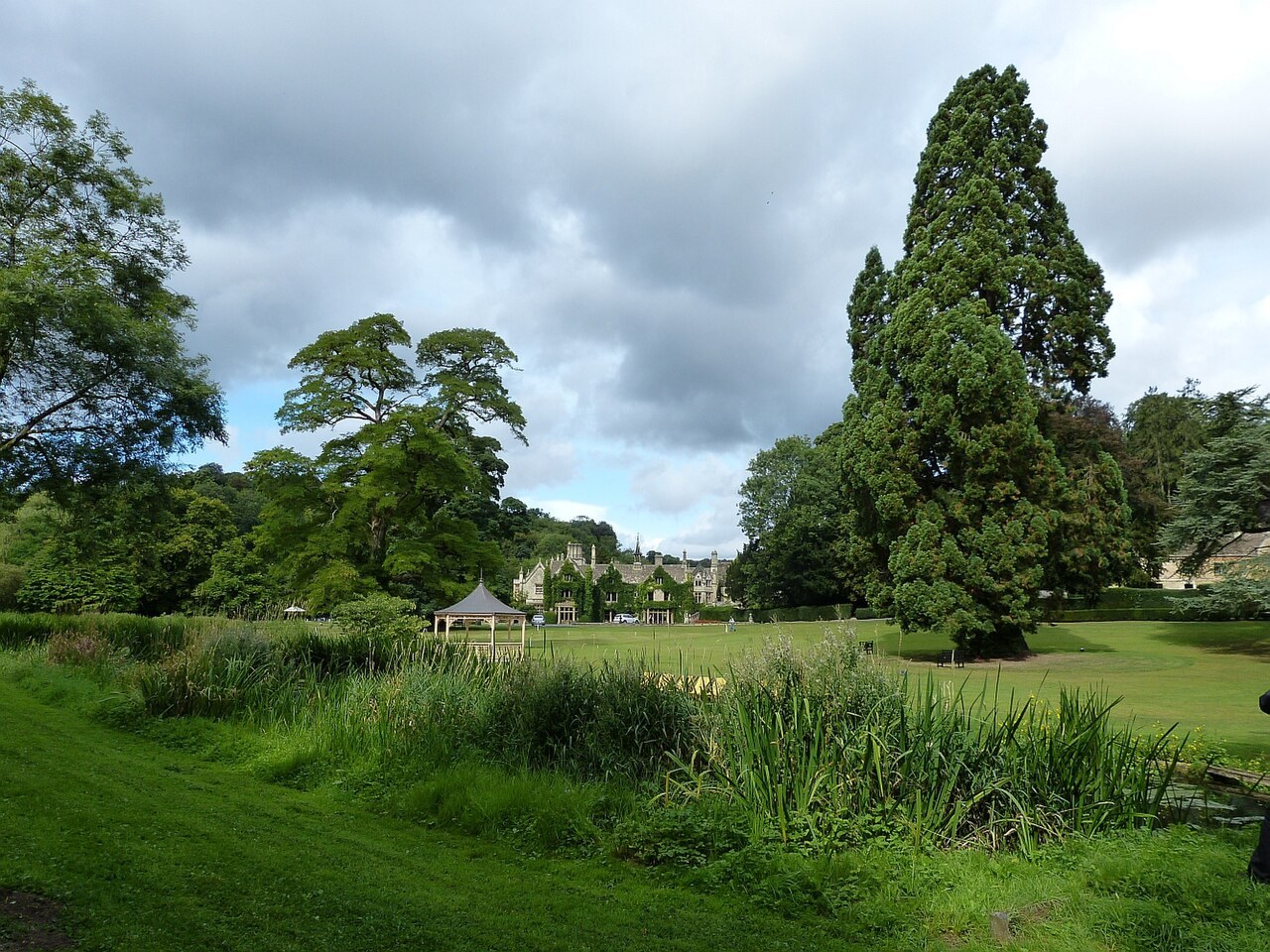
Bybrook
A Michelin-starred restaurant offering precise, classically based modern British cooking within a 14th-century estate.
- Visit length
- Editorial estimate: around 180 minutes
- Locality
- inside the Manor House hotel
The Old Stables Coffee Shop
An independent café offering locally roasted coffee and cakes, with a welcoming atmosphere for dogs, cyclists, and ponies.
- Visit length
- Editorial estimate: around 45 minutes
- Locality
- converted stables
History & heritage
2 placesSt Andrew's Church
A Grade I listed church featuring a rich fan vault in the tower and one of the oldest working faceless medieval clocks. The interior holds a 14th-century octagonal font and an exceptional carved chancel arch.
- Visit length
- Editorial estimate: around 45 minutes
- Locality
- beside the White Hart
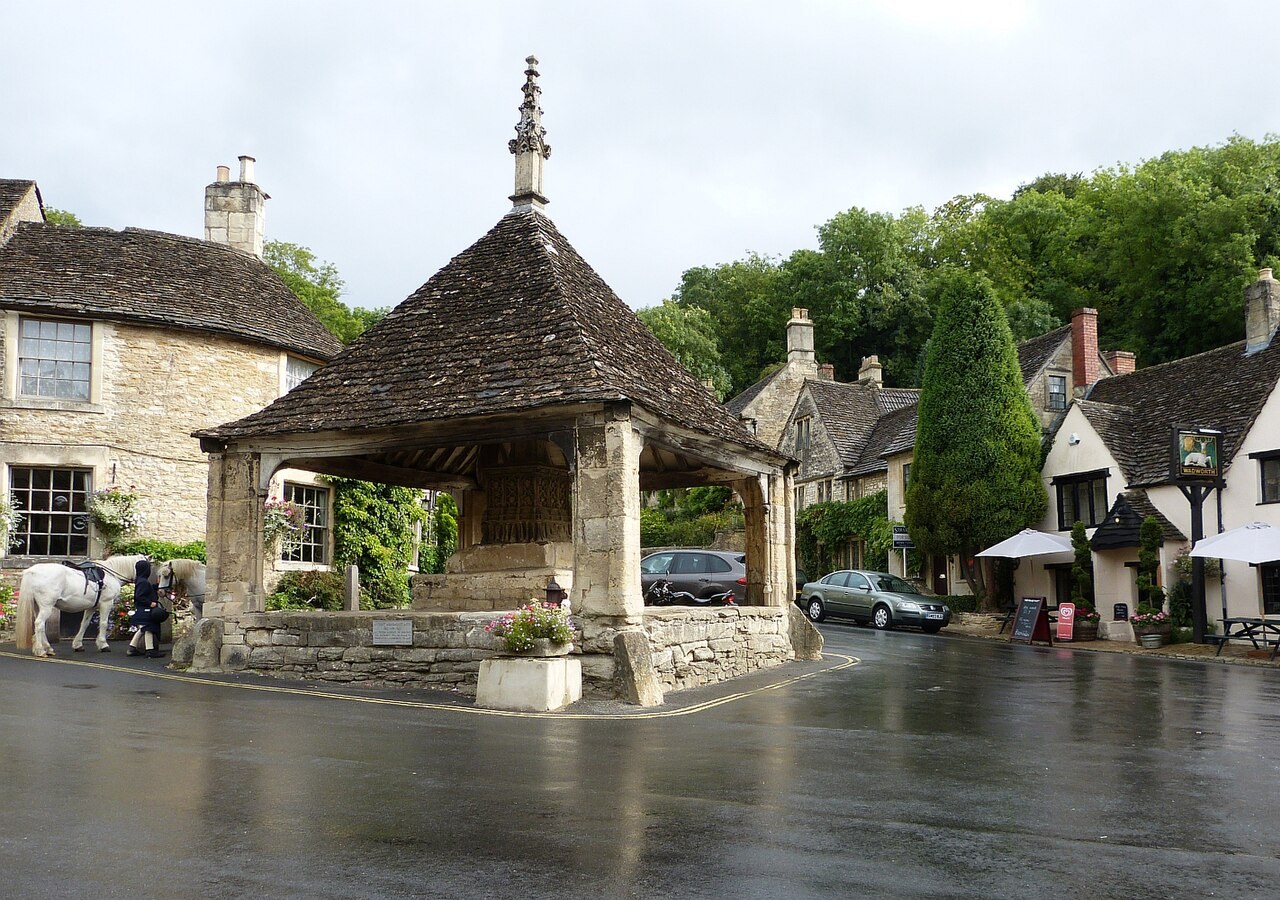
The Market Cross
A late medieval structure consisting of four stone piers under a pyramidal roof, repaired in 1590.
- Visit length
- Editorial estimate: around 15 minutes
- Locality
- top of the main street
Things to do
1 place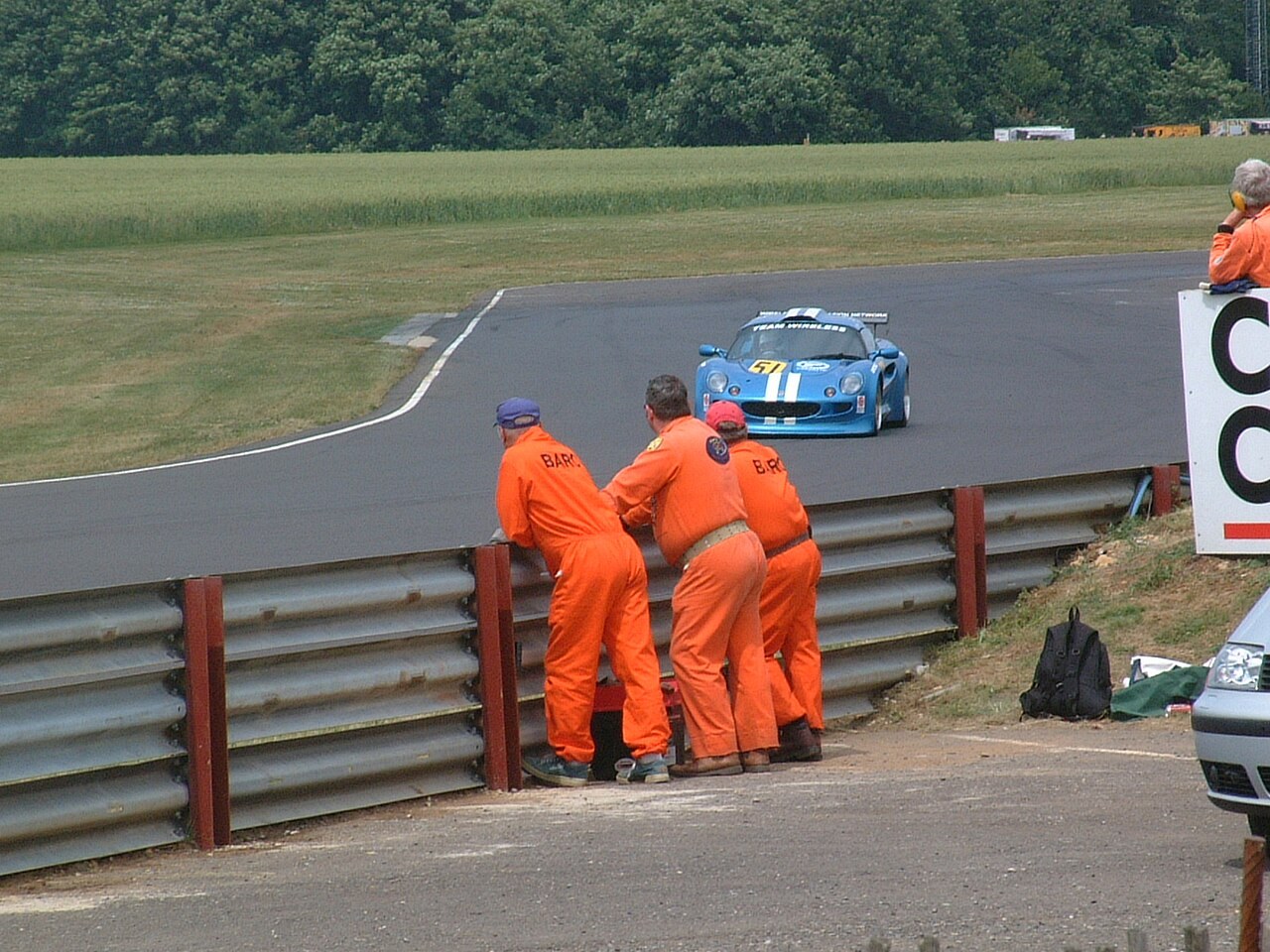
Castle Combe Circuit
A historic racing circuit on a wartime airfield hosting race meetings, driving experiences, and car-boot events.
- Visit length
- Editorial estimate: around 120 minutes
- Locality
- east of the village
- Access
- Karting available on selected dates only.
No places match this filter. Choose All places to reset the list.
On the map
Castle Combe at a glance
Tap a marker to jump to its guide card.
Three ways to explore Castle Combe
Signature outings
Stand by the market cross
Pause at the medieval Market Cross and neighbouring water pump at the centre of the village.
Taste the manor kitchen
Set aside a destination meal at Bybrook within the Manor House grounds.
Wartime Runways
Step away from the cobbles at Castle Combe Circuit, where a former WWII airfield now hosts international motorsport and driving experiences.
The village story
The Platonic Ideal of the Cotswolds
A village of honey-coloured stone and cinematic fame that balances its tourist appeal with a quiet, working heart.
A Steep Descent into History
The clock in the tower of St Andrew's has no face. It has marked the hours with a bell and no dial since medieval times, one of the oldest working clocks of its kind, and it is a fair introduction to Castle Combe, a village that has been looked at a great deal and explains very little of itself.
The place is small and steep. A single street drops from the Market Cross down to the By Brook, lined with cottages of honey-coloured oolitic limestone under stone-tiled roofs, packed tightly together and closed off at both ends by wooded green slopes. At the bottom, Water Lane crosses the brook on a low stone bridge, and this is one of the Cotswolds' most recognisable views. About sixty people live in the historic centre. It is a working village, not a preserved set, and it helps to arrive knowing that.
It also helps to arrive at the right time. The official advice is blunt about it: the average visit lasts a little over an hour, summer afternoons can swamp the centre, and early morning, late afternoon and winter are far calmer. Bank holidays and the middle of the day are the worst of it. There are only around nine parking spaces in the lower village, mostly used by residents, so visitors are directed to the pay-and-display car park at Dunns Lane, up on the B4039 above the village. The walk down from there has no continuous pavement, and neither do most of the streets below, so it is a place to keep children and dogs close.
The Art of the Village Pub
For a village this size, the eating is unusually good. The Castle Inn stands opposite the Market Cross, a traditional inn with an open fire, tables at the front and a sunny patio at the back, and a restaurant carrying two AA Rosettes. Head chef James Boniface cooks British food with French and Spanish leanings, and describes the food as local and seasonal: Hawkstone beer bread with onion butter, scallop with Cotswold chorizo, potted pork, a Cotswold chicken and Manor leek pie, an aged-beef burger with Cotswold nduja and Ogleshield, and a cauliflower curry with nori, raisins and almonds. Dogs are welcome in all the public areas, and there are dog-friendly bedrooms too. The cask ales are Ramsbury Gold and Ramsbury Farmer's Best.
Beside the church is the White Hart, a compact Wadworth pub with low beams, log fires and a small rear courtyard, run by Sally and Dave. It pours Wadworth 6X and Henry's IPA alongside a couple of changing beers, and the low-ceilinged rooms are exactly what the setting promises. Opinions on the welcome vary more than the setting does, so it is worth going in with an open mind rather than a fixed expectation.
The third pub sits apart from the other two. The Salutation Inn is out at the Gibb crossroads, on the edge of Castle Combe rather than down in the valley, run by Ben and Dai since 2018. The building was a turnpike inn at the old Gibraltar gate, and behind its later stonework is a fine 17th-century Tudor-arched fireplace. The kitchen calls itself local and seasonal: Bibury trout pâté with beetroot and horseradish, baked Camembert, teriyaki chicken wings, a fish-finger sandwich, and stone-baked sourdough pizzas that run from margherita to a Meat Feast. Regulars come back for the venison, the pies, the Sunday roasts and the fish and chips. There are three changing cask beers, real cider, and gardens front and back, and dogs are made welcome.
Cafés, Picnics, and Honesty Boxes
Coffee and the makings of a picnic are easier to find than a full shop. The Old Stables Coffee Shop, opened in 2017 by Philippa and Yasmin in a converted stables, has a log burner, a sofa and outdoor seating, locally roasted coffee and cakes, and a standing welcome for dogs, cyclists and, by its own notice, ponies. The Little Picnic Shop puts together takeaway picnics, including a vegetarian afternoon-tea box that can be adapted by pre-order for vegan, gluten-free and dairy-free diets, with hampers to hire. Beyond that, the shopping is what the village honestly is: a handful of honesty boxes outside cottages selling cakes, jam, eggs, plants and sometimes Marshfield Farm ice cream, plus an occasional market in the village hall that has been known to bring together honey, fudge, soap, knitting, woodwork and paintings. There is no chain and no souvenir row, and none of the everyday shops of a market town, and that absence is a large part of why the place still looks the way it does. Bring what you need with you.
At the top of the scale is Bybrook, the restaurant inside the 14th-century Manor House hotel on its 365-acre estate. It holds a Michelin star, and under head chef Tom Hamblet the kitchen turns out precise, classically based modern British cooking: Chalk Stream trout with Porthilly oyster and wasabi, Wye Valley asparagus with peas and cured pork belly, Langley Chase lamb, Dexter beef with girolles and turnip, and a strawberry dessert with mascarpone, tonka and elderflower. The hotel also does less formal lounge dining and afternoon tea on its terrace for those not committing to the tasting menu.
The walking is the other reason to stay rather than visit. The most straightforward route is A Walk in the Woods, a stile-free four-mile circuit of about two and a half hours that leaves the upper car park, follows the Macmillan Way through the woods to Long Dean and Ford, and returns along the far bank of the By Brook through beech woodland; the slopes are steep in places. For a longer day, Nigel Vile's three-church walk covers seven miles and links St Andrew's with the deconsecrated St John's at Ford and St James's at North Wraxall, following the brook, gaining hilltop views and using an old coach road. It may trace a medieval pilgrimage corridor between Malmesbury and Glastonbury, though nobody can now be sure of the exact line. Whichever you choose, the village asks that dogs stay on leads where sheep graze, and recent works have restored footpaths and added fencing along the way.
Fine Dining and the Manor Estate
Getting here rewards a little planning. The nearest railway station is Chippenham, on the London Paddington to Bristol line, with step-free access by lift and roughly five and a half miles to the east. By road the village is reached from the B4039 west of Chippenham, off the M4 at junction 17 or 18. Faresaver's 95 and 95A buses connect Chippenham with Castle Combe by way of Biddestone and Yatton Keynell, but the service is sparse rather than turn-up-and-go, so check your outward and return times before relying on it. Public toilets are down on Water Lane, south of the bridge.
Half a mile away is the one attraction that has nothing to do with cobbles: Castle Combe Circuit, laid out on a wartime airfield east of the village, which held its first race meeting in 1950 and its first international in 1955. Beyond race days it runs driving experiences, karting on selected dates, cycling and car-boot events, and much of the track can be watched from around its edge. Up on the estate above the village, the Manor House Golf Club offers an 18-hole parkland course open to visitors, on the same private land that hides the earthworks of the vanished castle.
That castle gave the village both half its name and most of its early history. It sat half a mile north-west of the Manor House, probably an Iron Age promontory fort reused after the Norman Conquest, and during the 12th-century Anarchy it became a ringwork stronghold with a mint before being abandoned in the 1300s; the "Castle" prefix appears in the records after about 1140. Its last stone tower came down in 1950. Domesday, which lists the place as "Come", records thirty-three households, three mills and a value of ten pounds. What made the medieval village rich was cloth. When Millicent Scrope married the soldier Sir John Fastolf, the manor spent twenty-two years supplying red and white cloth for his troops; the clothier William Heyne left two thousand pounds in 1435, and around fifty houses went up in the boom. Fastolf's money later paid for the church tower, begun in 1434, with its rich fan vault. The Market Cross, four stone piers under a pyramidal roof, was repaired in 1590; the timber market house that once stood beside it, where the parish met and brewed its church ale, was pulled down around 1840 to widen the road.
Beyond the Cobbles: Walks and Racing
The 20th century added the strangest chapter. In 1962 the village won a national "Prettiest Village" competition, and Country Life has more recently called it the "Platonic ideal of the Cotswolds village". Four years after that competition a film crew arrived, built a fishing harbour beside the By Brook, laid plastic cobbles over the real ones and turned the place into a seaport for Dr Dolittle, with Rex Harrison and Anthony Newley. It has since stood in for other places entirely: the town of Wall in Stardust, and the England of Spielberg's War Horse.
On a quiet morning, before the cars come down from Dunns Lane, the loudest thing in the village is the brook under the bridge, and the most commercial thing might be an honesty box of eggs on a cottage windowsill with a jar for the coins. These are homes, not a film set. That is worth remembering on the way down.
Stay around Cotswolds
Make a longer stay of it
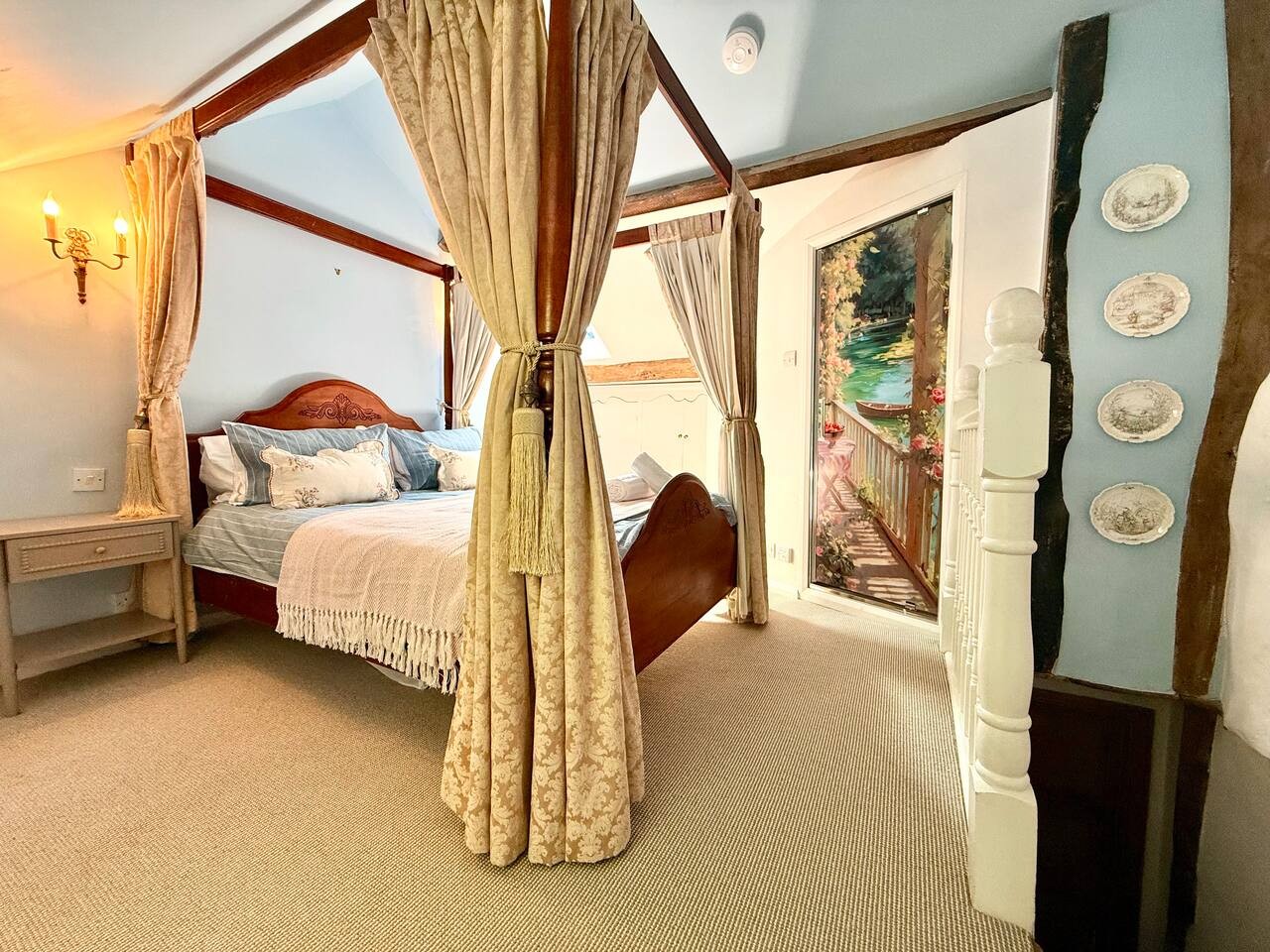
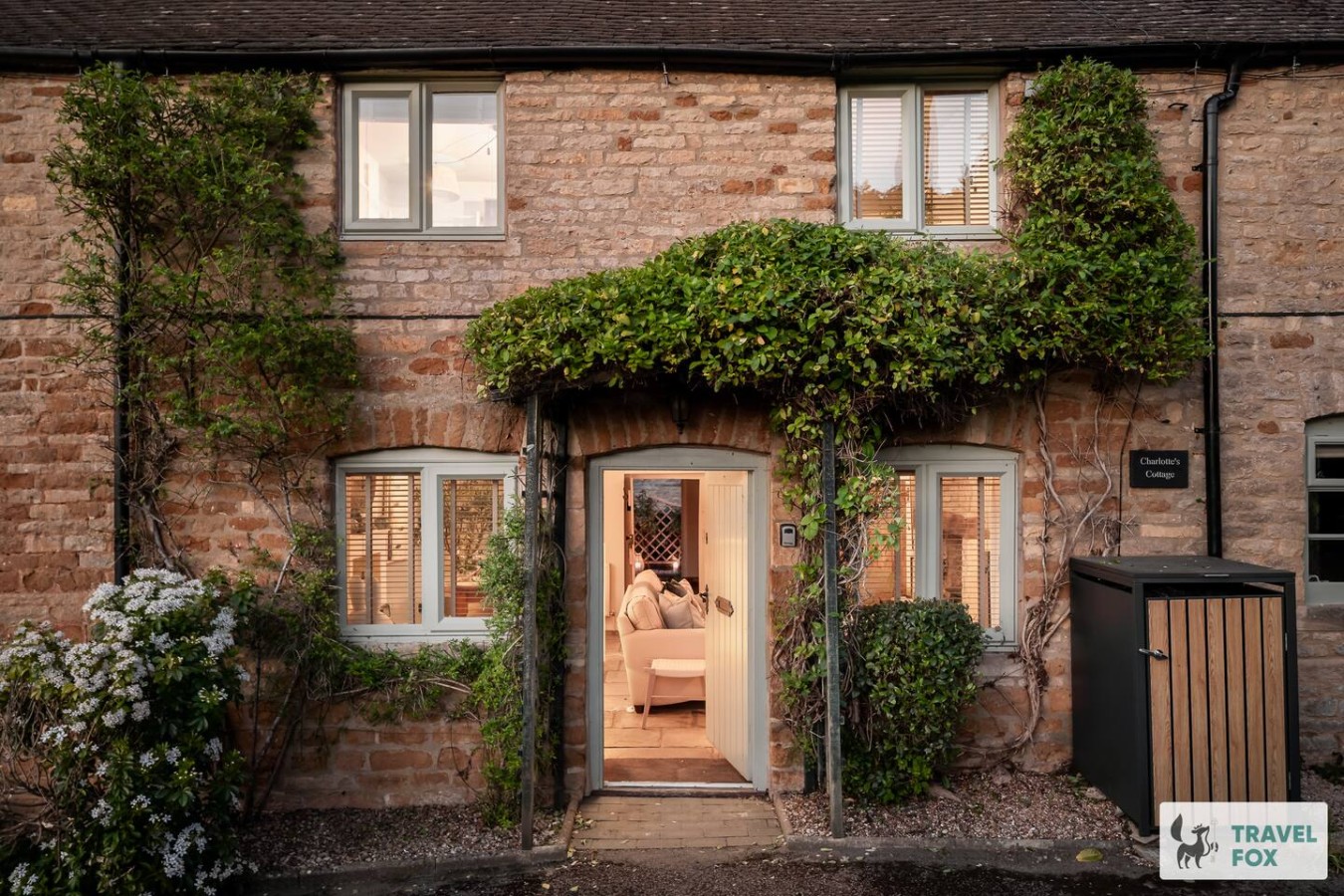
Travel Fox holiday homes around Cotswolds, linked directly to their property pages.
For homeowners
Own a holiday home near Castle Combe?
We manage holiday lets across the Cotswolds from 12% commission, charged after cleaning costs, with no lock-in. A co-founder visits before you decide.
Holiday let management in the Cotswolds →
A guide with a point of view
Written from research. Edited for real journeys.
Use the Official site links for live practical details, then use this guide for context, ideas and room to explore.
Photography credits & licences
Third-party photographs are credited to their named creators and reused under the linked Creative Commons licence or public-domain dedication. Travel Fox stores an optimised local copy; the file-specific changes and any browser-applied display crop are disclosed below. Reused photographs link both to the Wikimedia Commons source record and to the declared source image; Travel Fox's own photographs carry no such record and are marked as ours. These image licences do not cover Travel Fox text, branding or page design.
- File:Castle Combe, Butter Cross in The Street-geograph-3645785-by-Rob-Farrow.jpg — photograph by Rob Farrow; Rob Farrow. Source record on Wikimedia Commons. Declared source image. Licence: CC BY-SA 2.0. File changes: Downloaded from Wikimedia Commons, resized to a maximum 1920px edge and encoded as an optimised JPEG. Display changes: Displayed with responsive CSS cropping.
- File:Castle Combe Manor House in its grounds - geograph.org.uk - 3647486.jpg — photograph by Rob Farrow; Castle Combe Manor House in its grounds by Rob Farrow. Source record on Wikimedia Commons. Declared source image. Licence: CC BY-SA 2.0. File changes: Downloaded from Wikimedia Commons, resized to a maximum 1920px edge and encoded as an optimised JPEG. Display changes: Displayed with responsive CSS cropping.
- File:Castle Combe Circuit MMB 58 British GT Championship.jpg — photograph by mattbuck; Photo by mattbuck.. Source record on Wikimedia Commons. Declared source image. Licence: CC BY-SA 3.0. File changes: Downloaded from Wikimedia Commons, resized to a maximum 1920px edge and encoded as an optimised JPEG. Display changes: Displayed with responsive CSS cropping.