
A life-sized city of ale and invention
Derby
Base yourself in the Cathedral Quarter for Derby's oldest pubs and independent shops, then follow the Derwent to the Museum of Making or make time for the city's parks.
- Best for
- Real ale, industrial history and independent shopping
- Give it
- A city break with time for the river and parks
- Don't miss
- The free Museum of Making at the Silk Mill
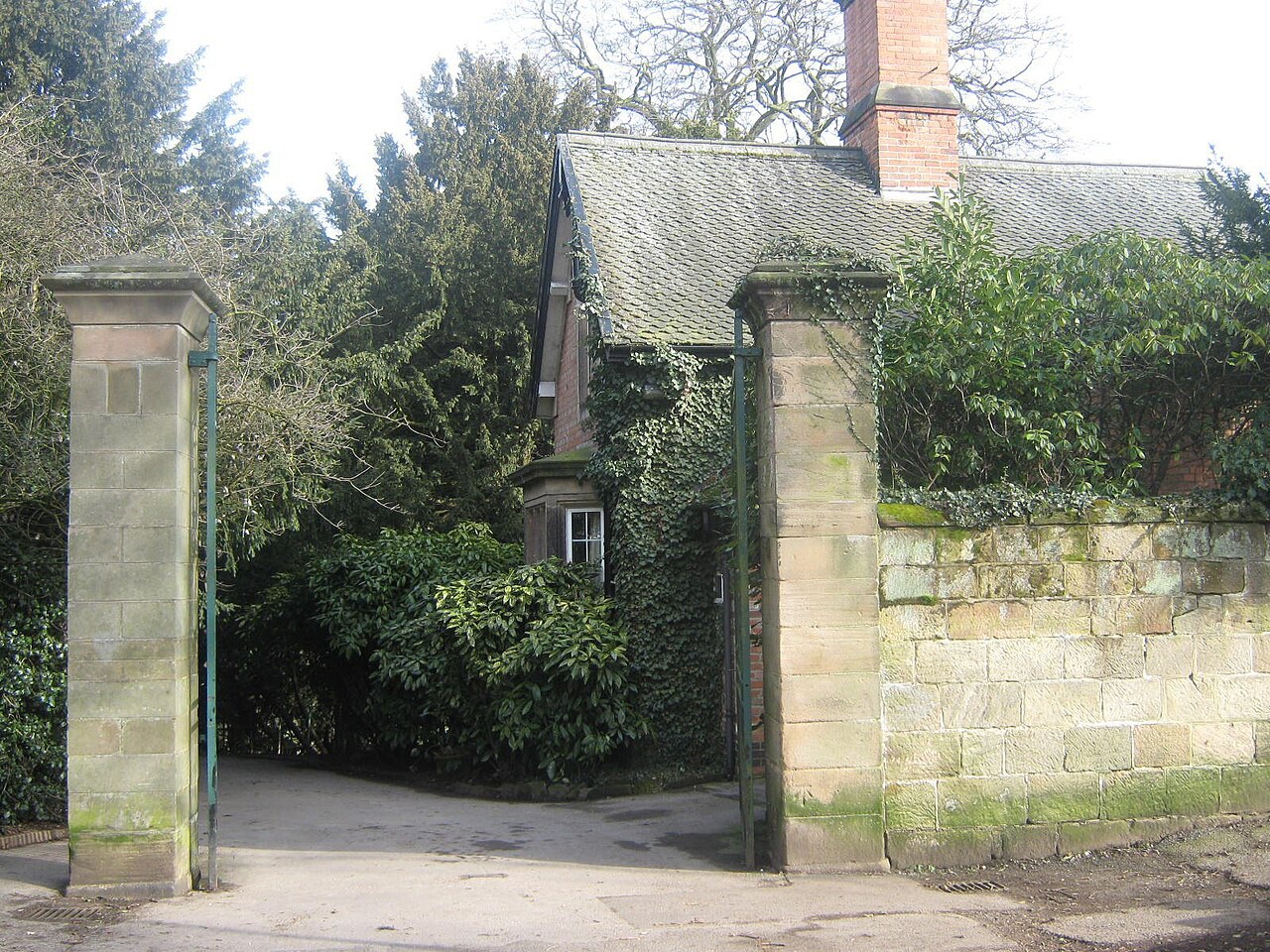
Photo: Eamon Curry · CC BY-SA 2.0 · cropped
The Fox verdict
A compact city with a prodigious making story
Derby combines a walkable central base, an unusually deep real-ale scene and landmarks shaped by silk, railways and engineering.
The Cathedral Quarter puts historic pubs, independent shopping and the Cathedral within a few minutes' walk, while the Museum of Making anchors the riverside. Markeaton and Darley parks add substantial green-space options without changing the guide's city focus.
Where to go
Places in Derby
Every place below is checked against a published source, listed with what it is and how long to give it.
Local signatures
3 placesMuseum of Making
The free museum occupies the Silk Mill, where Lombe's powered continuous-production mill became a model for later factories, and tells Derby's 300-year history of making.
- Visit length
- Editorial estimate: Allow around 90 minutes
- Locality
- Riverside / Derwent
Derby Market Hall
The restored Grade II Victorian market hall brings together permanent and pop-up stalls, cafés, bars, eateries and an on-site distillery.
- Visit length
- Editorial estimate: Allow around 60 minutes
- Locality
- Market Place / Market Hall
Derby Museum & Art Gallery
The museum holds the world's largest collection of work by Joseph Wright of Derby in a dedicated gallery.
- Visit length
- Editorial estimate: Allow around 90 minutes
- Locality
- Derby
Food & drink
2 placesYe Olde Dolphin Inne
Derby's oldest pub is a Grade II listed, late-16th-century coaching inn with timber framing, low beams, small rooms and a changing cask range.
- Visit length
- Editorial estimate: Allow around 60 minutes
- Locality
- Queen Street beside the Cathedral
Brunswick Inn
A triangular Regency railway ale house with Derby's oldest on-site micro-brewery visible to customers, restored and reopened in 1987.
- Visit length
- Editorial estimate: Allow around 75 minutes
- Locality
- railway workers' Brunswick district
Walks & outdoors
1 place
Darley Park
Eighty acres of riverside meadow and woodland, with Britain's largest hydrangea collection and a café in the last surviving room of Darley Hall.
- Visit length
- Editorial estimate: Allow around 2 hours
- Locality
- along the Derwent
History & heritage
1 placeDerby Cathedral
A cathedral with a 212-foot Perpendicular tower, Bess of Hardwick's self-designed tomb, Robert Bakewell's chancel screen and peregrines nesting on the tower.
- Visit length
- Editorial estimate: Allow around 45 minutes
- Locality
- Cathedral Quarter
Things to do
1 placeMarkeaton Park
A 207-acre park with pitch-and-putt, rowing boats, fishing, tennis, an Orangery café, craft village, light railway and play areas.
- Visit length
- Editorial estimate: Allow around 3 hours
- Locality
- Derby
No places match this filter. Choose All places to reset the list.
Three ways to explore Derby
Signature outings
Find Derby's oldest pub
Step into the timber-framed, low-beamed rooms of Ye Olde Dolphin Inne, the Grade II listed coaching inn beside the Cathedral.
Meet Derby's peregrines
Peregrine falcons have nested on Derby Cathedral's 212-foot tower since 2006 and raise chicks most years.
Walk Darley's green edge
Take in Darley Park's riverside meadow and woodland, hydrangea collection and surviving room of the former Darley Hall.
The city story
Ale, industry and the river city
The accepted Travel Fox article, kept verbatim, moves from Derby's pub census through its markets and menus to the Silk Mill, parks and railway connections.
The real ale capital
Every February, Derby's CAMRA branch counts the beer. Eight pub crawls, sixty-eight pubs, and the last census came back at 290 real ales — 176 of them different — which works out at 4.3 a pub. The branch was founded here on 3 July 1974, has a plaque to prove it, and calls Derby the Real Ale Capital of Britain per head of population. Nobody local seems inclined to argue.
Ye Olde Dolphin Inne, on Queen Street beside the Cathedral, is the oldest of them. It's timber-framed, Grade II listed, a warren of low-beamed rooms, and its licence is said to date to 1580. A few minutes away, the Brunswick Inn occupies a triangular Regency building in the old railway-workers' district and brews its own beer on site, visible to customers — Derby's oldest micro-brewery, in a pub that sat empty until the Civic Society restored it and reopened it in 1987 as the city's first multiple-choice ale house.
Pubs and the Cathedral Quarter
The Old Silk Mill, named for the mill next door, took Best Pub at the 2024 Marketing Derby Food & Drink Awards. The Falstaff (known locally as the Folly) and Mr Grundy's Tavern both brew their own too.
Base yourself in the Cathedral Quarter, the historic heart, which runs along Iron Gate, Sadler Gate and The Strand. It's a few minutes' walk of Victorian arcades, café tables and independent shops, the nineteenth-century Strand Arcade among them.
Markets and menus
On Sadler Gate you'll find Seasons by Bennetts, which began in 1734 as an ironmonger and claims to be the oldest department store in the world. Round the corner, the Market Hall reopened in May 2025 after a £35.1m restoration and pulled in 34,500 people in its first three days. Bailey's Fishmongers has traded there for sixty-five years and stayed open through the entire rebuild.
For dinner, The Pepperpot occupies the restored former Derbyshire Royal Infirmary on London Road, where head chef Dan Fincher holds two AA Rosettes and a weekly-changing menu. South of the centre, along Normanton and Uttoxeter New Road, is the curry belt — Balti International, The Viceroy, Himalayan Gurkha for Nepalese. In the Cathedral Quarter, Lorentes does Spanish produce down to chistorra sausage from Pamplona, and BOA does Korean fried cauliflower and honey-glazed chorizo.
Cathedral and making
Derby Cathedral has a 212-foot Perpendicular tower, among the tallest church towers in England, and inside it the tomb of Bess of Hardwick, which she designed herself. Peregrine falcons have nested on the tower since 2006 and raise chicks most years, watched on webcam across the city.
The River Derwent runs through, and on an island in it stands Lombe's Mill — the first successful factory in the world, built in the 1720s from silk-throwing secrets John Lombe smuggled out of Piedmont. It's now the Museum of Making, free to enter. Derby went on to build the Merlin engine that powered the Spitfire, and has built trains without interruption since 1839.
Parks and fast trains
For a day out of doors there's Markeaton Park, with its boating lake and light railway, and Darley Park along the river, which holds Britain's largest collection of hydrangeas and a café in the last surviving room of a demolished hall.
Trains run twice an hour to St Pancras, fastest in 1hr 25min; the station is a ten-minute walk from the middle of everything. The peregrines don't commute.
Stay around Derbyshire
Make a longer stay of it
Travel Fox holiday homes around Derbyshire, linked directly to their property pages.
A guide with a point of view
Written from research. Edited for real journeys.
Use the Official site links for live practical details, then use this guide for context, ideas and room to explore.
Photography credits & licences
Third-party photographs are credited to their named creators and reused under the linked Creative Commons licence or public-domain dedication. Travel Fox stores an optimised local copy; the file-specific changes and any browser-applied display crop are disclosed below. Reused photographs link both to the Wikimedia Commons source record and to the declared source image; Travel Fox's own photographs carry no such record and are marked as ours. These image licences do not cover Travel Fox text, branding or page design.
- File:Lodge at Darley Park, Derby - geograph.org.uk - 1807951.jpg — photograph by Eamon Curry; Lodge at Darley Park, Derby by Eamon Curry. Source record on Wikimedia Commons. Declared source image. Licence: CC BY-SA 2.0. File changes: Downloaded from Wikimedia Commons, resized to a maximum 1920px edge and encoded as an optimised JPEG. Display changes: Displayed with responsive CSS cropping.
Sources
Every place on this page is checked against a published source. Each entry links the record we used and names who publishes it.
- Museum of Making — historicengland.org.uk statutory register or public authority record not machine-readable; publisher restricts automated access
- Derby Cathedral — derbycathedral.org operator, sector body or destination organisation
- Derby Market Hall — derbymarkethall.co.uk operator, sector body or destination organisation
- Markeaton Park — heritagefund.org.uk other published source
- Darley Park — inderby.org.uk other published source
- Derby Museum & Art Gallery — derbymuseums.org operator, sector body or destination organisation
- Ye Olde Dolphin Inne — camra.org.uk operator, sector body or destination organisation
- Brunswick Inn — brunswickderby.co.uk operator, sector body or destination organisation