
Rivers, memory and invention
Wray
A small Forest of Bowland village where a flood mosaic, wooded-valley walking and a long-running scarecrow festival tell unusually vivid local stories.
- Best for
- Riverside history, valley walking and scarecrow traditions
- Give it
- A few hours, or 3.5–4 hours for the Roeburndale Circular
- Don't miss
- The Flood Garden's Millennium Mosaic
The Fox verdict
A village shaped by two rivers
Come for the Roeburndale landscape, then slow down for Wray's flood memorial, church, local food and community traditions.
Wray sits where the River Roeburn meets the River Hindburn within the Forest of Bowland. Its strongest visits connect that landscape with the Millennium Mosaic's memory of the 1967 flood, the Victorian Holy Trinity Church, local food stops and the scarecrow festival founded by local people in 1992.
Where to go
Places in Wray
Every place below is checked against a published source, listed with what it is and how long to give it.
Local signatures
3 placesBridge House Farm Tearooms
A tearoom in a converted natural-stone barn with oak floors and a wood-burning stove, serving homemade food and cakes alongside a garden centre, gift shop and children's play area.
- Visit length
- Editorial estimate: Allow around 45 minutes
- Locality
- in Wray
Wray Village Store
Wray's community-owned village shop.
- Visit length
- Editorial estimate: Allow around 20 minutes
- Locality
- in the village
Holy Trinity Church
A Grade II listed Gothic Revival church built in 1839–40 to Edmund Sharpe's design, with later work by Paley and Austin and Austin, Paley & Austin.
- Visit length
- Editorial estimate: Allow around 45 minutes
- Locality
- Wray
Food & drink
1 placeThe George and Dragon
A traditional village local with two bar rooms and a restaurant, home-cooked food six days a week, three changing beers, an extensive beer garden with an aviary, unusual pub games and a welcome for dogs.
- Visit length
- Editorial estimate: Allow around 60 minutes
- Locality
- Main St, LA2 8QF
- Access
- Parking on the street is limited.
Walks & outdoors
1 placeRoeburndale Circular
A roughly 12.4 km circular with about 393 m of ascent through a secluded valley, ancient woodland and open-access moorland, with Forest of Bowland views.
- Visit length
- Editorial estimate: Allow around 3.5 hours
- Locality
- the Roeburndale valley
History & heritage
1 placeMillennium Mosaic
A semicircular cobblestone mosaic completed in September 2000, using black, white and brown pebbles with green slate to depict wind, storm and flood water on the site of cottages lost after the 1967 flood.
- Visit length
- Editorial estimate: Allow around 30 minutes
- Locality
- on Main Street
Things to do
1 placeWray Scarecrow Festival
The UK's longest-running scarecrow festival, founded in 1992 by David Hartnup and other locals after he and his wife encountered a similar festival in France.
- Visit length
- Editorial estimate: Allow around 2 hours
- Locality
- throughout the village
- Access
- Held in the week leading up to May Day.
No places match this filter. Choose All places to reset the list.
Three ways to explore Wray
Signature outings
Eat at the George and Dragon
Choose the village pub for home-cooked food, changing beers, two bar rooms and a beer garden with an aviary.
Walk the Roeburndale Circular
Allow 3.5–4 hours for ancient woodland, open-access moorland and Forest of Bowland views on the roughly 12.4 km circuit.
Follow the scarecrows
During the week leading up to May Day, look for themed scarecrows erected outside homes throughout the village.
The village story
Wray Village Guide
Seven unchanged paragraphs trace Wray from flood and food to rivers, vanished trades and a festival created by local people.
Flood memory and the village pub
On Main Street there is a semicircle of cobbles set into the ground, black pebbles and white ones and inset pieces of green slate, laid out to show water pouring across the village. It is a mosaic of a flood, and it sits on the spot where a terrace of riverside cottages used to be before the river took them.
The pub is the George and Dragon, a village local with two bar rooms of different sizes and a restaurant. It cooks six days a week. Friday is fish and chips, and the kitchen turns out Lamb Henry, scampi, roast beef and Sunday roasts, with chips that reviewers describe as piping hot. There are three changing beers rather than a fixed regular, an extensive beer garden with an aviary in it, and some unusual pub games. Dogs are welcome. Parking on the street is limited, which is true of most of Wray.
Tearooms, shops and early connections
For daytime there is Bridge House Farm Tearooms, in a converted stone barn with oak floors and a wood-burning stove, its tables looking over the river. The eggs are their own, freshly laid. You can have scones with clotted cream and homemade jam, steak pie, fish and chips, a Sunday roast. There is a garden centre attached, a gift shop and a play area for children. It draws cyclists and motorcyclists in numbers, and hosts bike nights and classic-car meets. Balloon flights have gone up from here.
The village shop is community-owned, and there is a second garden centre, Greenfoot. Wray was one of the first villages in the UK to have its own website, and it has fibre broadband to every home, run by B4RN. It is a small place — a little over 500 people — that got online early.
Walking from the water
The walking starts at the water. Wray sits where the River Roeburn meets the River Hindburn, inside the Forest of Bowland. The Roeburndale Circular runs about twelve and a half kilometres up a secluded valley through ancient woodland and open moor. Shorter routes follow the rivers, and one longer loop takes you down the Lune Valley to Loyn Bridge and back through Hornby. Hornby Castle is two miles off, a country house grown out of a medieval one, its gardens open only on set dates.
Church, trades and transport
Holy Trinity Church was built in 1839 by the Lancaster architect Edmund Sharpe, with later work by Paley and Austin. Before it existed, villagers walked three miles to Melling for services. The village once made hats and nails and processed silk, wool and flax in its mill; the hatters, working by hand, earned very good wages. All of it is gone now. So is the railway station, which opened in 1849 and closed after about six months. The number 81 bus still runs, Lancaster to Kirkby Lonsdale, through Hornby and on to Wennington.
The scarecrow tradition
The festival is the reason most outsiders know the name. In 1992 David Hartnup and other locals started it, after he and his wife saw a similar festival on holiday in France. It is now the longest-running scarecrow festival in the country, held the week before May Day, when the whole village fills up with them.
Stay around Lancashire
Make a longer stay of it
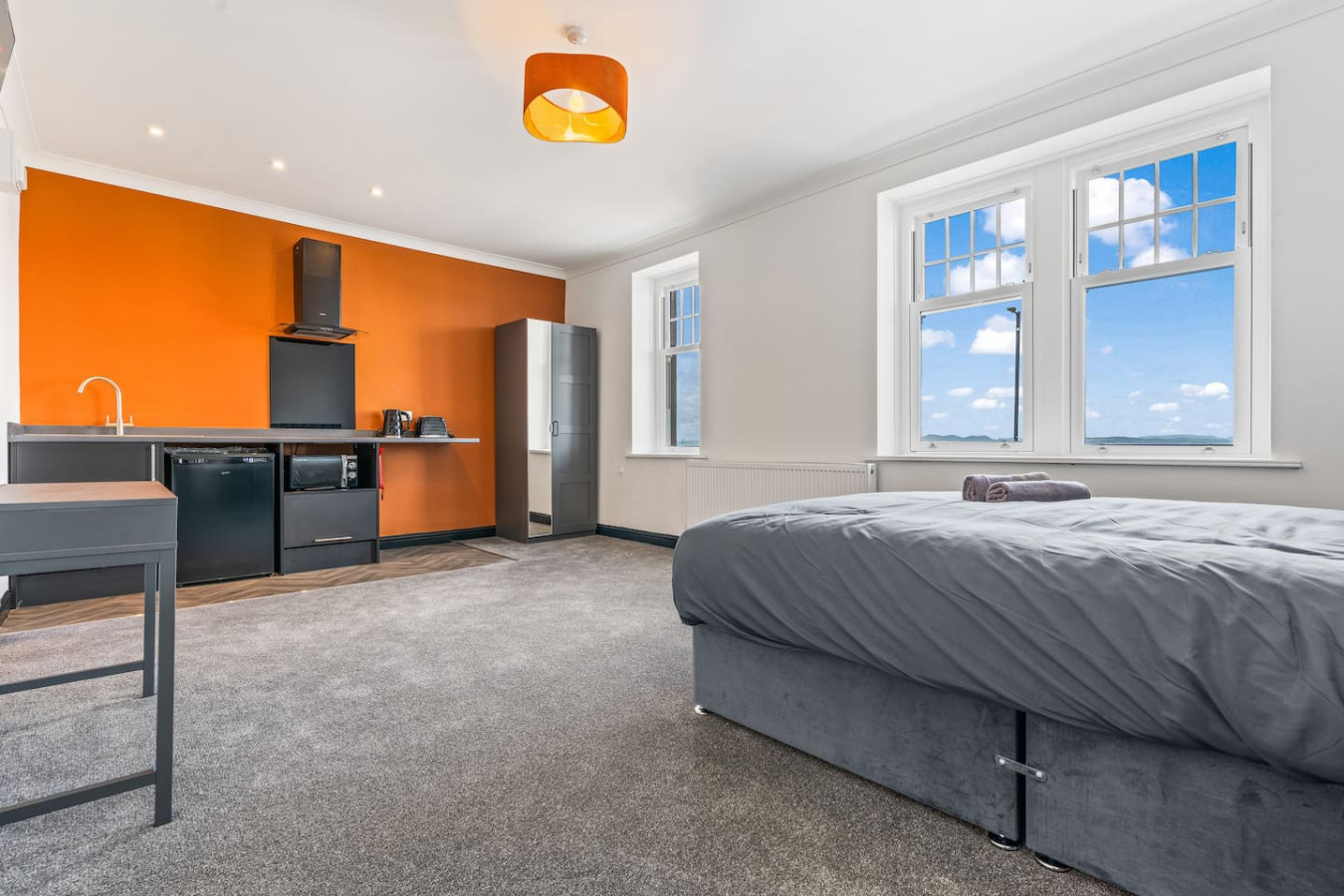
Travel Fox holiday homes around Lancashire, linked directly to their property pages.
A guide with a point of view
Written from research. Edited for real journeys.
Use the Official site links for live practical details, then use this guide for context, ideas and room to explore.
Sources
Every place on this page is checked against a published source. Each entry links the record we used and names who publishes it.
- Millennium Mosaic — news.lancs.ac.uk other published source
- The George and Dragon — georgeanddragonwray.weebly.com other published source
- Bridge House Farm Tearooms — licensing.lancaster.gov.uk statutory register or public authority
- Wray Village Store — wrayvillagestore.co.uk operator, sector body or destination organisation
- Holy Trinity Church — achurchnearyou.com national body or asset manager
- Roeburndale Circular — outdooractive.com other published source
- Wray Scarecrow Festival — wrayscarecrows.co.uk operator, sector body or destination organisation