
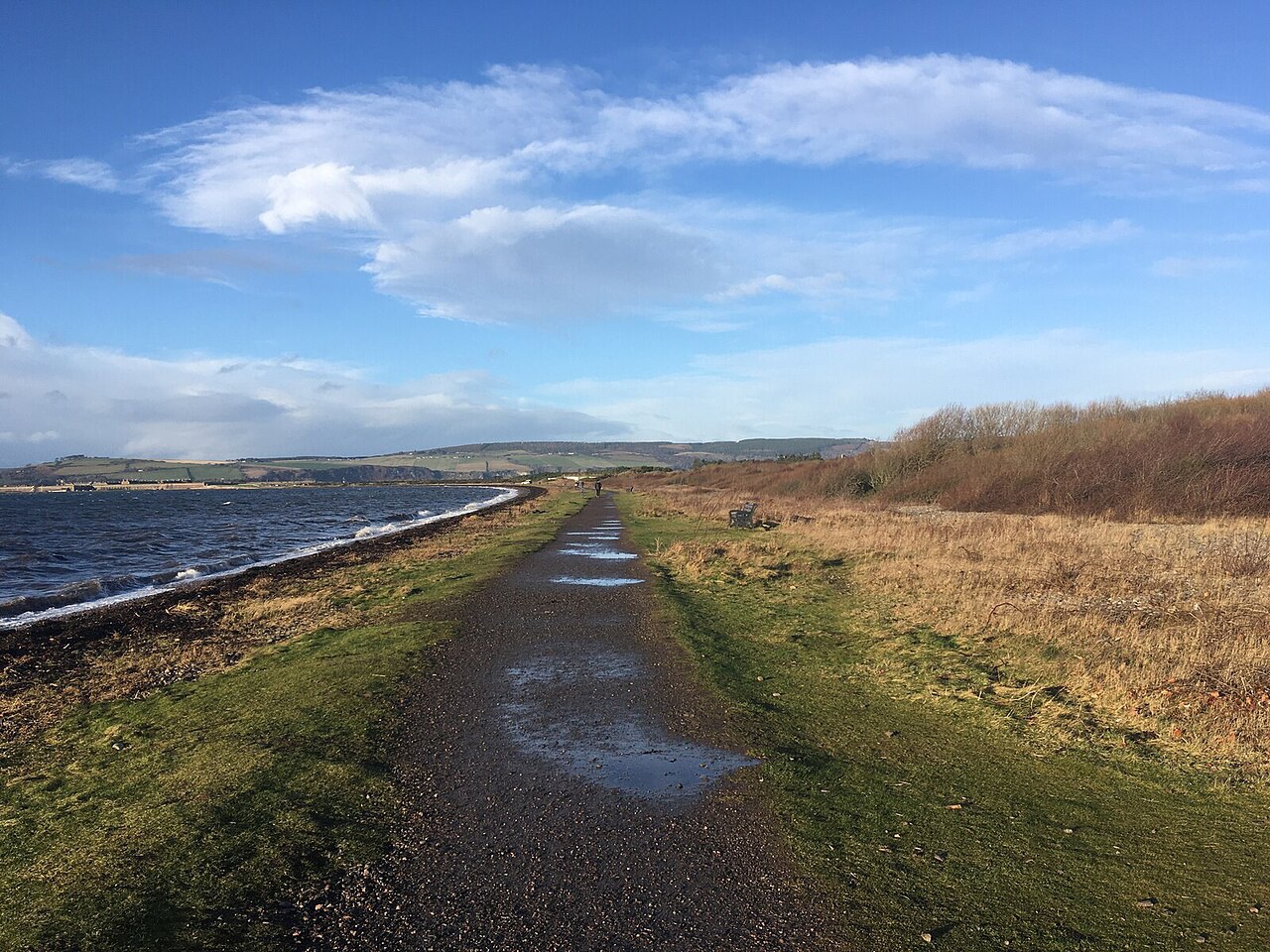
Moray Firth shore
Ardersier
A former fishing village with a flat shore path towards Fort George and a coastal reserve of scrub, shingle and species-rich grassland.
- Best for
- Coastal walking and Fort George
- Shore route
- A gentle, flat 2 km path
- Wildlife detail
- Small blue butterflies at Ardersier Common
Photo: Steven Brown · CC BY-SA 2.0 · cropped
The Fox verdict
A shore-path village with a fortress at the far end
Ardersier's visitor draw is coastal: follow the Moray Firth, explore the habitats of the Common and visit Fort George on Ardersier Point.
The village combines a gentle shore walk, an 18.9-hectare coastal reserve and Fort George's ramparts, barracks, chapel, grand magazine and museum. The Star Inn offers a village bar stop, while Cameron Drive Play Area gives younger children time of their own.
Where to go
Places in Ardersier
Every place below is checked against a published source, listed with what it is and how long to give it.
Local signatures
3 placesCameron Drive Play Area
A play area beside Ardersier Primary School for younger children.
- Visit length
- Editorial estimate: around 45 minutes
- Locality
- beside Ardersier Primary School
Ardersier Common
An 18.9-hectare coastal reserve combining scrub, shingle and species-rich grassland, with small blue butterflies a highlight.
- Visit length
- Editorial estimate: around 60 minutes
- Locality
- B9006 car park
Fort George
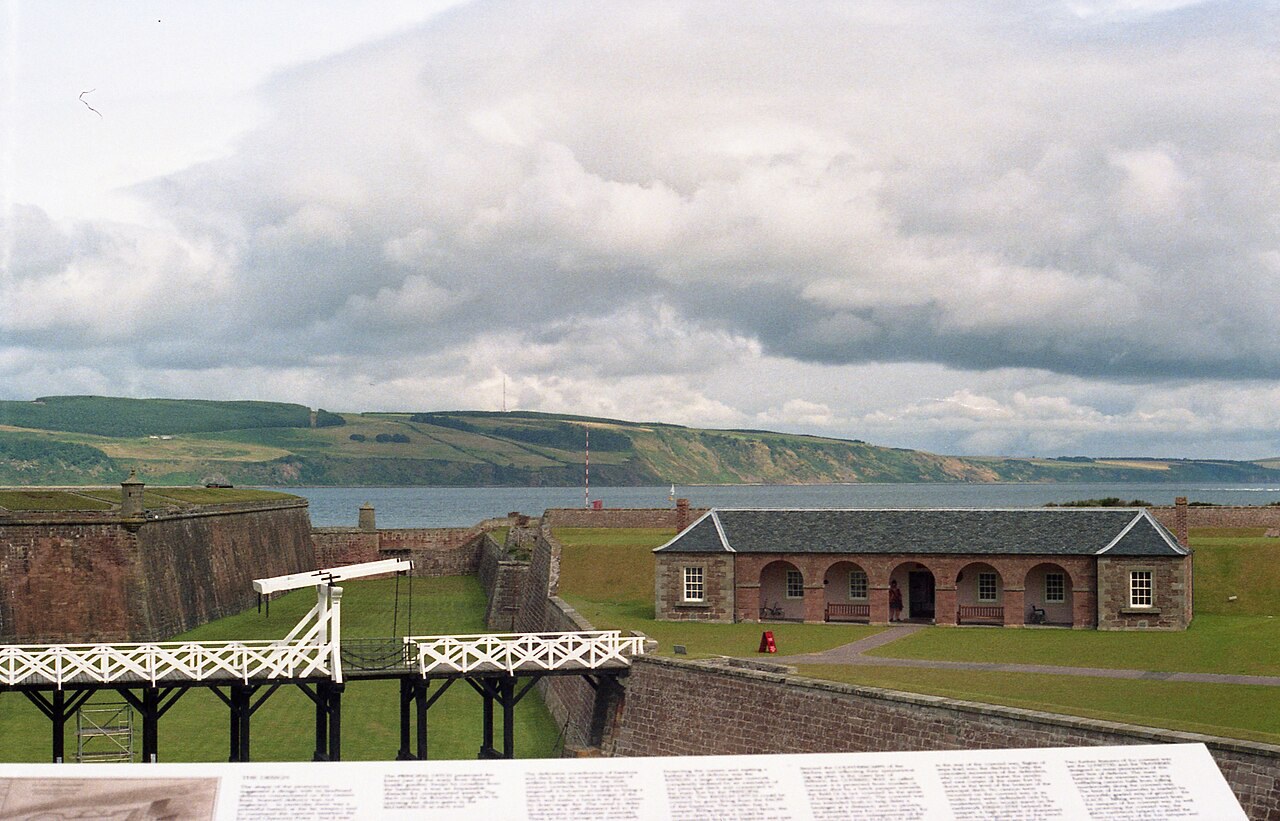
A Category A artillery fortress with ramparts, barracks, a chapel, grand magazine and the Highlanders' Museum, plus a cafe, picnic area, visitor centre and benches.
- Visit length
- Editorial estimate: around 150 minutes
- Locality
- Ardersier Point
- Access
- This is a working military base, so loud bangs and low-flying helicopters may occur. Visitors' dogs are permitted outdoors but not in roofed areas.
Food & drink
2 places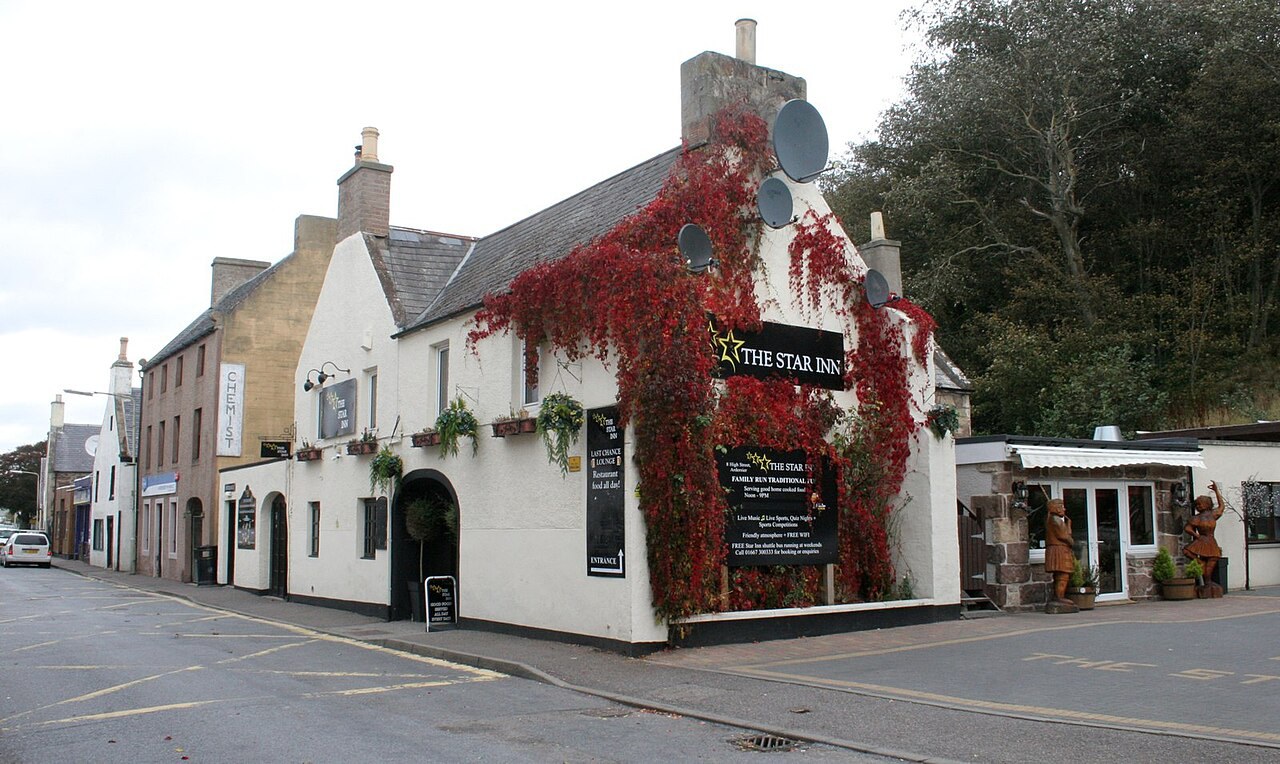
The Star Inn
A country pub and bar at 8 High Street, operating since 2015.
- Visit length
- Editorial estimate: around 90 minutes
- Locality
- 8 High Street
SPAR Ardersier (Station Road)
A convenience stop for fresh fruit and vegetables, fresh meat and food-to-go, with a Barista Bar, ATM and PayPoint.
- Visit length
- Editorial estimate: around 15 minutes
- Locality
- Station Road
Walks & outdoors
1 place
Ardersier to Fort George Coastal Path
A gentle shore walk beside the Moray Firth, suitable for all abilities, with possible sightings of seabirds, seals and dolphins.
- Visit length
- Editorial estimate: around 60 minutes
- Locality
- beside the Moray Firth
- Access
- A gentle, flat shore walk suitable for all abilities.
No places match this filter. Choose All places to reset the list.
Three ways to explore Ardersier
Signature outings
The shore path to Fort George
Follow the flat shore path in either direction and pair the walk with Fort George.
Explore Fort George at your pace
The fort stretches 620 m end to end. An audio guide is available, and mainly level roads and pavements lead to ramps onto the ramparts.
A bar stop on High Street
The Star Inn's bar at 8 High Street makes a straightforward drink stop back in the village.
The village story
Ardersier: From Firth Shore to Fort George
Shore paths, fortress history and village connections on the southern edge of the Inner Moray Firth.
The Star and the Firth
The Star Inn at 8 High Street has traded since 2015, and the pub's bar offers a stop back in the village.
Ardersier is a former fishing village on the southern edge of the Inner Moray Firth, wedged between the shore and a steep raised beach that rises behind the houses. Just over a kilometre out, the firth pinches to its narrowest between Ardersier Point and Chanonry Point across the water, which helps explain why the promontory to the north-west carries a fort.
Everyday Stops and Shore Paths
For everyday supplies there is a SPAR on Station Road with fresh fruit and vegetables, fresh meat, food-to-go, an ATM, PayPoint and a Barista Bar. A community pharmacy at 10 High Street provides NHS Pharmacy First Scotland and has wheelchair access. Cameron Drive Play Area, beside the primary school, keeps younger children occupied.
The best of the village is the walking. A flat, two-kilometre shore path follows the Moray Firth and is suitable for all abilities, with seabirds, seals and, on a lucky day, dolphins. Shorter gravel and shingle paths thread the coast, and a little further out is Ardersier Common, an 18.9-hectare coastal reserve open all year from a car park on the B9006. The Common mixes scrub, shingle and species-rich grassland; small blue butterflies are the thing to look for.
Fort George and the Village It Shaped
Fort George sits 1.4 miles along that signposted path, on the low, exposed spit of Ardersier Point. It is a Category A artillery fortress, designed by Major-General William Skinner and built largely between 1748 and 1769 by the Adam family practice in the years after the Jacobite Rising of 1745–46. It was planned to hold around 1,600 infantry and has never stopped being a working military base, so the odd loud bang and low-flying helicopter can occur during a visit. It never fired a shot in anger. Inside are ramparts, barracks, a chapel, the grand magazine and the Highlanders' Museum, plus a café, picnic area and benches; visitors' dogs are permitted outdoors but not in roofed areas. Look, too, for the three K6 telephone kiosks standing together in a lane at the fort.
The fort helped shape the village. It had first been intended for Inverness, but a dispute with the burgh council pushed it out to the spit, and its construction drew workers into a new settlement called Campbelltown, with Stuarton across the road; the two were later folded together as Ardersier. Much later the J. Ray McDermott yard built offshore oil platforms here for nearly thirty years, employing more than 3,000 people at its peak, until it closed in 2002.
Kirkton Stories and Connections
Up at the old kirkton, a burial ground holds eighteenth- and nineteenth-century gravestones, and an early nineteenth-century rectangular watch-house stands in its north-west corner. The clay-built parish church was ruinous by the late eighteenth century, and no remains are visible today. A later nineteenth-century church stands on the High Street, and on the last day of 1997 Helen Mirren married the director Taylor Hackford in a small Ardersier church, choosing it, she wrote afterwards, because his Scottish roots made the place feel right.
Inverness Airport station at Dalcross has step-free access and free parking. Stagecoach service 1 links Ardersier High Street with Inverness Airport, the airport rail station and Inverness city centre. George Grant, born here, gathered a picture-history of the village from local and emigrant families because he wanted to "chronicle a place close to my heart".
Stay around Scottish Highlands
Make a longer stay of it
Travel Fox holiday homes around Scottish Highlands, linked directly to their property pages.
For homeowners
Own a holiday home near Ardersier?
We manage holiday lets across the UK from 12% commission, charged after cleaning costs, with no lock-in. A co-founder visits before you decide.
How our holiday let management works →
A guide with a point of view
Written from research. Edited for real journeys.
Use the Official site links for live practical details, then use this guide for context, ideas and room to explore.
Photography credits & licences
Third-party photographs are credited to their named creators and reused under the linked Creative Commons licence or public-domain dedication. Travel Fox stores an optimised local copy; the file-specific changes and any browser-applied display crop are disclosed below. Reused photographs link both to the Wikimedia Commons source record and to the declared source image; Travel Fox's own photographs carry no such record and are marked as ours. These image licences do not cover Travel Fox text, branding or page design.
- File:Coastal path from Ardersier to Fort George - geograph.org.uk - 7058781.jpg — photograph by Steven Brown; Coastal path from Ardersier to Fort George by Steven Brown. Source record on Wikimedia Commons. Declared source image. Licence: CC BY-SA 2.0. File changes: Downloaded from Wikimedia Commons, resized to a maximum 1920px edge and encoded as an optimised JPEG. Display changes: Displayed with responsive CSS cropping.
- File:Fort George, Ardersier (200496) (9464350908).jpg — photograph by Robert Linsdell from St. Andrews, Canada; Fort George, Ardersier (200496). Source record on Wikimedia Commons. Declared source image. Licence: CC BY 2.0. File changes: Downloaded from Wikimedia Commons, resized to a maximum 1920px edge and encoded as an optimised JPEG. Display changes: Displayed with responsive CSS cropping.
- File:The Star Inn, Ardersier - geograph.org.uk - 5929285.jpg — photograph by Richard Sutcliffe; The Star Inn, Ardersier by Richard Sutcliffe. Source record on Wikimedia Commons. Declared source image. Licence: CC BY-SA 2.0. File changes: Downloaded from Wikimedia Commons, resized to a maximum 1920px edge and encoded as an optimised JPEG. Display changes: Displayed with responsive CSS cropping.
Sources
Every place on this page is checked against a published source. Each entry links the record we used and names who publishes it.
- The Star Inn — starinnardersier.co.uk operator, sector body or destination organisation record not machine-readable; publisher restricts automated access
- SPAR Ardersier (Station Road) — sparscotland.co.uk operator, sector body or destination organisation
- Cameron Drive Play Area — highland.gov.uk statutory register or public authority
- Ardersier to Fort George Coastal Path — visitinvernesslochness.com operator, sector body or destination organisation
- Ardersier Common — highland.gov.uk statutory register or public authority
- Fort George — historicenvironment.scot statutory register or public authority record not machine-readable; publisher restricts automated access