
Saxon time on the Sussex Downs
Bishopstone
A quiet flint village where an ancient porch sundial points towards estuary wildlife, coastal ruins and chalk-valley walks.
- Best for
- Saxon details, estuary wildlife and coastal archaeology
- Give it
- A slow half-day, or longer with the coast
- Don't miss
- The +EAD RIC sundial above St Andrew's south porch
Photo: PAUL FARMER · CC BY-SA 2.0 · cropped
The Fox verdict
A tiny downland village with a much longer memory
Bishopstone rewards close attention: begin with Saxon stonework, then follow the landscape towards wetland birds and a vanished tidal-mill settlement.
The historic village is a quiet cluster of flint, fields and chalk slopes rather than an extension of coastal Seaford. St Andrew's is the essential stop, but the strongest visit combines its layered architecture with the Ouse estuary and Tide Mills, where paths, wall fragments and interpretation carry the story to the shingle.
Where to go
Places in Bishopstone
Every place below is checked against a published source, listed with what it is and how long to give it.
Local signatures
3 placesSt Andrew's Church
A Grade I church with Saxon work in its porch and tower, a twelfth-century font and a remarkable sundial cut above the south porch.
- Visit length
- Editorial estimate: Allow around 45 minutes
- Locality
- historic Bishopstone village
Ouse Estuary Nature Reserve
Wet ground, shingle, grazing fields and flood-storage habitat crossed by public paths, with a surfaced route to a wheelchair- and buggy-suitable bird screen.
- Visit length
- Editorial estimate: Allow around 60 minutes
- Locality
- Ouse estuary between Seaford and Newhaven
- Access
- Cattle graze much of the reserve seasonally; keep to the public routes and follow on-site guidance.
Bishopstone Railway Station
A Grade II listed station whose octagonal 1930s booking hall follows Charles Holden's Underground style, with wartime pillboxes added beside it.
- Visit length
- Editorial estimate: Allow around 30 minutes
- Locality
- coast road south of historic Bishopstone
- Access
- This is a working station with no station car park or refreshments.
Food & drink
1 placeThe Cuckmere Inn
A country pub with a garden, Cuckmere marsh views and cask ales, offering a practical meal stop during a wider Bishopstone visit.
- Visit length
- Editorial estimate: Allow around 90 minutes
- Locality
- Exceat Bridge in the Cuckmere valley
- Access
- Dogs are welcomed on leads in the bar and outside.
Walks & outdoors
1 placeSeven Sisters Country Park
Chalk cliffs, open grassland and the Cuckmere valley, with picnic areas, a visitor centre and an easy-access return trail towards the beach.
- Visit length
- Editorial estimate: Allow around 2 hours
- Locality
- Exceat and the Cuckmere valley
History & heritage
2 places
Tide Mills
Concrete tracks, wall fragments and interpretation reveal a deserted tidal-mill settlement whose later uses included a seaplane base, stables and a children's hospital.
- Visit length
- Editorial estimate: Allow around 90 minutes
- Locality
- Tide Mills coast by the Ouse estuary
Seaford Museum
A museum inside Martello Tower No. 74 with reconstructed Victorian rooms, early broadcast technology, wartime displays and a working station model.
- Visit length
- Editorial estimate: Allow around 75 minutes
- Locality
- Martello Tower No. 74 in Seaford
- Access
- Check the official site before travel for current visitor access.
Things to do
2 placesBishopstone Village Green
A notably tranquil green held for informal recreation, play, leisure and community events under a village charitable trust.
- Visit length
- Editorial estimate: Allow around 30 minutes
- Locality
- historic Bishopstone village
Newhaven Fort
A major Victorian coastal fort with Sussex-history exhibitions, casemates and a family adventure playground.
- Visit length
- Editorial estimate: Allow around 2 hours
- Locality
- Newhaven
- Access
- Check the official site before travel for current visitor access.
No places match this filter. Choose All places to reset the list.
Three ways to explore Bishopstone
Signature outings
Decode the Porch Sundial
Look above St Andrew's south porch for thirteen time-lines, cross marks and the inscription +EAD RIC cut into the stone.
Follow Tide Mills to the Shingle
Use the concrete tracks, surviving wall fragments and interpretation panels to piece together the deserted industrial village.
Take the Easy-Access Trail
Follow the country park's easy-access return trail through the Cuckmere valley towards the beach beneath the chalk cliffs.
The village story
Bishopstone Village Guide
From a Saxon sundial to estuary paths and the remains of a tidal-mill village, Bishopstone carries centuries of Sussex history in a compact landscape.
The Saxon Sundial and Downland Village
Above the south porch of St Andrew's, cut into the flint, is a Saxon sundial: a semicircular head with thirteen time-lines, cross marks and the inscription "+EAD RIC". It has kept the hours here since Saxon times. The parish dates the building to somewhere between AD 600 and 800 and calls it an Anglo-Saxon minster, the last visible remnant of a high-status settlement dug up between 2002 and 2005.
The church stands where the village is: among flint walls, fields and chalk slopes in the Bishopstone valley, a mile or so inland from the coast. This is not the seaside end of Seaford that shares the name. It is a small downland settlement, quiet, with a village green officially recorded as especially tranquil, which is the sort of thing that only gets written down when someone worries it might be lost.
Layers of Church and Settlement History
St Andrew's rewards a slow look. The nave and porch are Saxon, the north aisle and east end Norman, the tower a mixture of the two. Inside there is a twelfth-century font, a medieval coffin lid, an eleventh-century north window, an aumbry and piscina, a fragment of wall painting, and bells hung in 1761. Historic England grades it I, dating it more cautiously than the parish: a building mainly Norman to Early English, with Saxon work surviving in the porch and tower.
They were not the first. Excavation at Rookery Hill in 1971 turned up occupation running from the Neolithic through an Iron Age enclosure and Romano-British farmyards to an Anglo-Saxon building. By 1086 Bishopstone was substantial: 52 households, 30 villagers and 22 smallholders, forty acres of meadow, and a value of £25 10s, held by the Bishop of Chichester. It sat in the largest fifth of settlements the Domesday surveyors bothered to record.
Estuary Wildlife and Tide Mills
The reason to walk out of the village, though, lies south, where the River Ouse winds between the downs toward Newhaven. A five-mile circular from the village crosses the Ouse Estuary Nature Reserve and reaches Tide Mills, and it is an easy route with a few stiles and one long, gentle hill. The reserve is wet ground, shingle, grazing fields and flood storage, with more than a hundred bird species recorded; teal, moorhen, shelduck and mallard are the ones you are most likely to name. A surfaced path leads to a bird screen and is level enough for a wheelchair or a buggy, and there are wooden sculptures by Steve Geliot along the way. Cattle graze much of it from April to October.
Tide Mills itself is a deserted village. Three West Sussex corn merchants dammed a former channel of the Ouse in 1761 and built a tidal mill; a railway arrived in 1864, the mill closed in 1883, and the settlement clung on until it was evacuated in wartime by 1941. Its later lives are hard to summarise: a wireless relay station, a 1917 seaplane base, Captain David Dale's racing stables, a children's hospital, and a sunken manure-heated pit in which the mill owner William Catt grew pineapples, one of the earliest such pits ever excavated. What remains now is concrete track, fragments of wall and interpretation panels on the way down to a shingle beach. "But we're still finding buildings we didn't know about," says Luke Barber, the Sussex Archaeological Society research officer.
Railway Defences and a Cuckmere Finish
Bishopstone has its own station on the coast road, step-free to every platform, though with no station car park and nothing to eat there. Its octagonal booking hall of 1936 copies Charles Holden's Underground stations, and two pillboxes were dug in beside it in 1940. On 3 July that year an enemy aircraft machine-gunned the 17:37 from Seaford between here and Tide Mills, killing the driver, Charles Pattenden.
For a pub and a proper meal you head out along the coast, to Seven Sisters and the Cuckmere valley, where the Cuckmere Inn at Exceat serves home-baked pies and welcomes dogs on leads in the bar and garden; Seaford, a mile and a half off, is the nearest place for shops. But the village keeps its best thing to itself. Stand under the porch on a clear afternoon and the sundial is still doing its job, marking the hours much as it always has.
Stay around South Downs
Make a longer stay of it
Travel Fox holiday homes around South Downs, linked directly to their property pages.
For homeowners
Own a holiday home near Bishopstone?
We manage holiday lets across the UK from 12% commission, charged after cleaning costs, with no lock-in. A co-founder visits before you decide.
How our holiday let management works →
A guide with a point of view
Written from research. Edited for real journeys.
Use the Official site links for live practical details, then use this guide for context, ideas and room to explore.
Photography credits & licences
Third-party photographs are credited to their named creators and reused under the linked Creative Commons licence or public-domain dedication. Travel Fox stores an optimised local copy; the file-specific changes and any browser-applied display crop are disclosed below. Reused photographs link both to the Wikimedia Commons source record and to the declared source image; Travel Fox's own photographs carry no such record and are marked as ours. These image licences do not cover Travel Fox text, branding or page design.
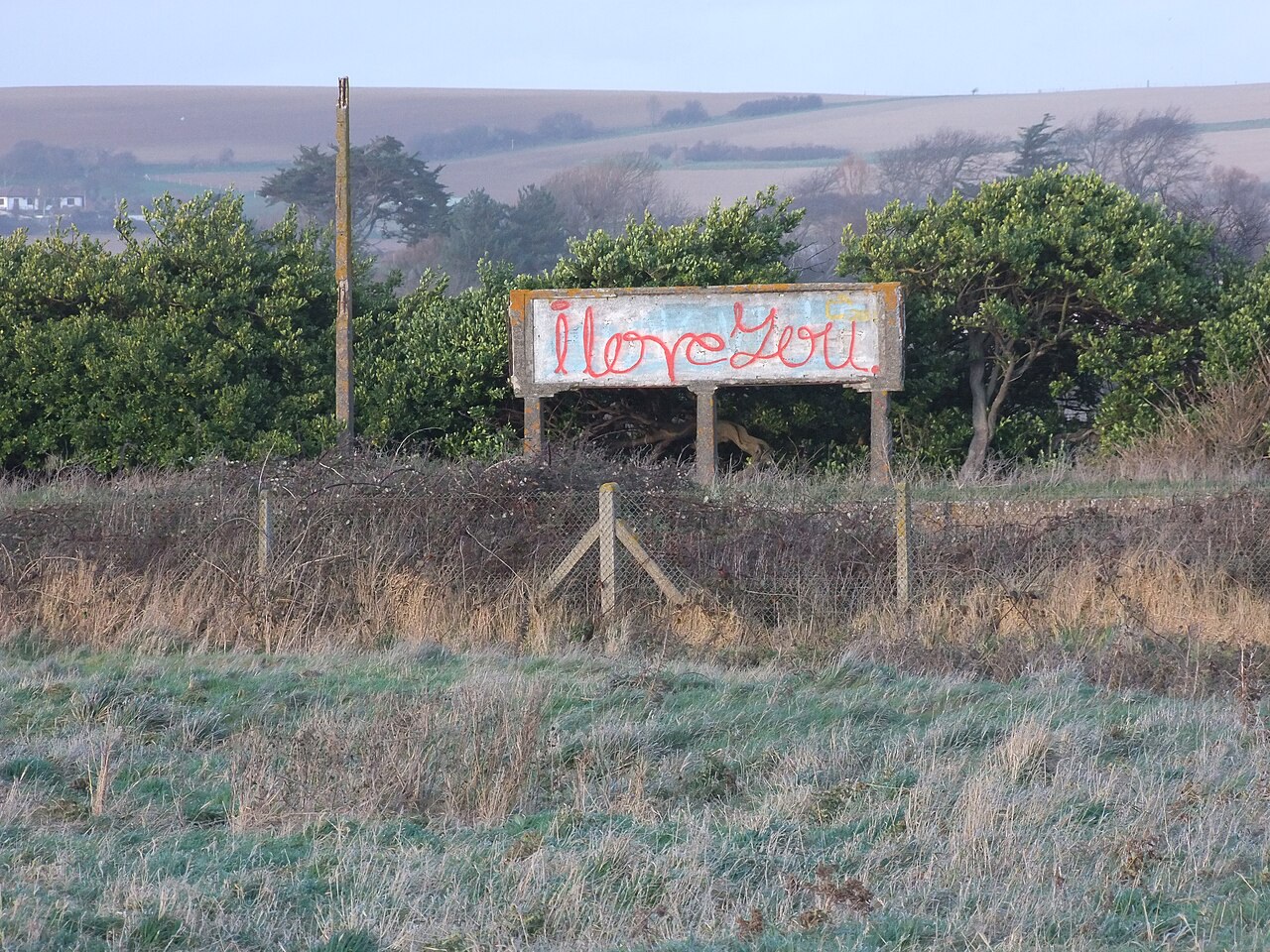
- File:Tide Mills Halt Station sign I Love You (geograph 3236690).jpg — photograph by PAUL FARMER; PAUL FARMER. Source record on Wikimedia Commons. Declared source image. Licence: CC BY-SA 2.0. File changes: Downloaded from Wikimedia Commons, resized to a maximum 1920px edge and encoded as an optimised JPEG. Display changes: Displayed with responsive CSS cropping.
Sources
Every place on this page is checked against a published source. Each entry links the record we used and names who publishes it.
- St Andrew's Church — historicengland.org.uk statutory register or public authority record not machine-readable; publisher restricts automated access
- Bishopstone Village Green — register-of-charities.charitycommission.gov.uk statutory register or public authority
- Ouse Estuary Nature Reserve — eastsussex.gov.uk statutory register or public authority
- Tide Mills — southdowns.gov.uk statutory register or public authority
- Bishopstone Railway Station — historicengland.org.uk statutory register or public authority record not machine-readable; publisher restricts automated access
- The Cuckmere Inn — vintageinn.co.uk other published source record not machine-readable; publisher restricts automated access
- Seven Sisters Country Park — sevensisters.org.uk operator, sector body or destination organisation
- Seaford Museum — seafordmuseum.co.uk operator, sector body or destination organisation
- Newhaven Fort — newhavenfort.org.uk operator, sector body or destination organisation