
Chalk ridge, old lanes, singular stories
Owslebury
A dispersed South Downs village where a medieval church, green-lane walking and a timber-framed pub reward a carefully planned stop.
- Best for
- Medieval detail, downland walking and family wildlife
- Give it
- A few hours, or longer for the circular or zoo
- Don't miss
- The Daniel Cottier windows at St Andrew's
Photo: Gareth James · CC BY-SA 2.0 · cropped
The Fox verdict
A lane-bound village with unusually rich stopping points
Come for the church and chalk-ridge paths, then choose between a country-pub pause and a longer family visit to Marwell Zoo.
Owslebury has no conventional high street, but its scattered places repay a deliberate itinerary: St Andrew's carries medieval fabric and a Van Gogh connection, the Upham circular threads together green lanes and long-distance paths, and the Ship provides the village's surviving pub stop.
Where to go
Places in Owslebury
Every place below is checked against a published source, listed with what it is and how long to give it.
Local signatures
3 placesSt Andrew's Church
A Grade II* church with 14th-century nave and chancel, later medieval transepts and two Daniel Cottier memorial windows linked to an 1873 letter by Vincent van Gogh.
- Visit length
- Editorial estimate: Allow around 45 minutes
- Locality
- at the heart of Owslebury
Upham and Owslebury Circular
A 6.5-mile easy-to-moderate circuit using the Pilgrims' Trail and Monarch's Way, with green lanes, field edges, woodland and open farmland.
- Visit length
- Editorial estimate: Allow around 3 hours 40 minutes
- Locality
- starting at St Andrew's and looping through Upham
Owslebury Village Green
The village football and cricket ground carries a long sporting story: cricket is documented here from the 1830s and the present ground was given to the village in 1906.
- Visit length
- Editorial estimate: Allow around 30 minutes
- Locality
- among the village lanes
Food & drink
1 placeThe Ship Inn
Owslebury's last surviving pub is a traditional country inn with a wood-beamed Old Bar, restaurant and a large garden with a pond, play area and pétanque pitches.
- Visit length
- Editorial estimate: Allow around 60 minutes
- Locality
- where three lanes meet south of the main village
Things to do
2 placesHilly Close Playground
A public village playground suited to a short family pause between Owslebury's other stops.
- Visit length
- Editorial estimate: Allow around 30 minutes
- Locality
- at Hilly Close
Marwell Zoo
A 140-acre wildlife park with hundreds of animals, including giraffes, leopards, meerkats and penguins, plus seven adventure playgrounds.
- Visit length
- Editorial estimate: Allow around 4 hours
- Locality
- in the Owslebury parish postcode area
No places match this filter. Choose All places to reset the list.
Three ways to explore Owslebury
Signature outings
Garden and Old Bar
Settle in at the Ship for its wood-beamed Old Bar or the garden with its pond, play area and pétanque pitches.
Van Gogh's Window Story
Find the two Daniel Cottier memorial windows identified as those Vincent van Gogh described to his brother Theo in 1873.
A Marwell Half-day
Allow around four hours for giraffes, leopards, meerkats, penguins and the wildlife park's adventure playgrounds.
The village story
Owslebury Village Guide
Old timber, a medieval church and green lanes shape a dispersed village on the chalk ridge.
The Last Pub at the Lanes
The Ship Inn keeps a horse pen in its garden, along with a pond, a patio, pétanque pitches and a children's play area. It is the last pub left in Owslebury, and it stands where three lanes meet just south of the main village. The building is timber-framed and Grade II listed, its core dating from the 16th century, with a wood-beamed Old Bar and a fireplace; the pub itself counts its history from 1681, and local tradition holds that reused ship timbers gave it the name.
Inside, the two regular cask beers carry house names of their own, John Boyes Bitter and Swing Riot, with a changing guest alongside and sometimes a second in summer. The kitchen leans on its own garden and local farms, and the Sunday roast is the dish people mention most. Dogs are welcome in the bar, though not the restaurant. One recent visitor called it a "lovely pub in the middle of nowhere with a lovely atmosphere," and the middle-of-nowhere part is accurate: there is no shop, no butcher, no bakery. For groceries you go to the general store in Twyford, and a 2024 survey found residents in favour of a shop of their own, with the council looking into community-shop models.
A Ridge of Lanes and Playing Fields
The rest of the centre is lanes rather than a high street. The church, the pub and Glebe Field sit among them, with Hilly Close playground open at all hours and the Village Green given over to football and cricket. Owslebury—said "Osselbury"—is a dispersed place, spread with Baybridge, Marwell, Hensting and Morestead across a high, windswept chalk ridge of downland and woods.
Medieval Stone and Van Gogh's Glass
St Andrew's is the two-phase medieval church at the heart of it, its chancel and nave both 14th-century, the transepts 15th, the tower rebuilt in 1675. Inside are the elaborate monuments of the Carpenter family, a 1708 floor slab to Thomas Dacre, 17th-century altar rails, panelling cut from the ends of 18th-century box pews, and a repainted set of royal arms marked CR 1681. Two of its windows, made by Daniel Cottier, were the ones Vincent van Gogh described in an 1873 letter to his brother Theo; an art historian matched the letter to the glass in 2011. Church lore adds a wall hole said to mark where a bullet came to rest after passing through a vicar who kept saying the Latin Mass under Edward VI.
Green Lanes to Upham and Marwell
Walkers have more than sixty footpaths and bridleways to choose from. The Pilgrims' Trail runs straight through the churchyard, and the six-and-a-half-mile Upham circular sets off from the church along green lanes, past Austin's Copse and Woodlock's Down Farm to Upham—where the Brushmakers Arms makes a second stop—then returns on the Monarch's Way, the long path that traces Charles II's flight after the Battle of Worcester. Two miles south, Marwell Zoo keeps giraffes, leopards, meerkats and penguins across 140 acres.
Limited Links and a Hard-won Cricket Ground
Trains run from Winchester, with Cresta Coaches route 63 linking the two on Tuesdays and Fridays; the bus service is limited, so it is worth checking timetables before relying on it. There has been cricket here since the 1830s, and the present ground was given to the village in 1906. It took two years to make playable. "I was secretary to the Cricket Club and we had to raise £80," the headmaster George Pierce remembered.
Stay around South Downs
Make a longer stay of it
Travel Fox holiday homes around South Downs, linked directly to their property pages.
For homeowners
Own a holiday home near Owslebury?
We manage holiday lets across the UK from 12% commission, charged after cleaning costs, with no lock-in. A co-founder visits before you decide.
How our holiday let management works →
A guide with a point of view
Written from research. Edited for real journeys.
Use the Official site links for live practical details, then use this guide for context, ideas and room to explore.
Photography credits & licences
Third-party photographs are credited to their named creators and reused under the linked Creative Commons licence or public-domain dedication. Travel Fox stores an optimised local copy; the file-specific changes and any browser-applied display crop are disclosed below. Reused photographs link both to the Wikimedia Commons source record and to the declared source image; Travel Fox's own photographs carry no such record and are marked as ours. These image licences do not cover Travel Fox text, branding or page design.
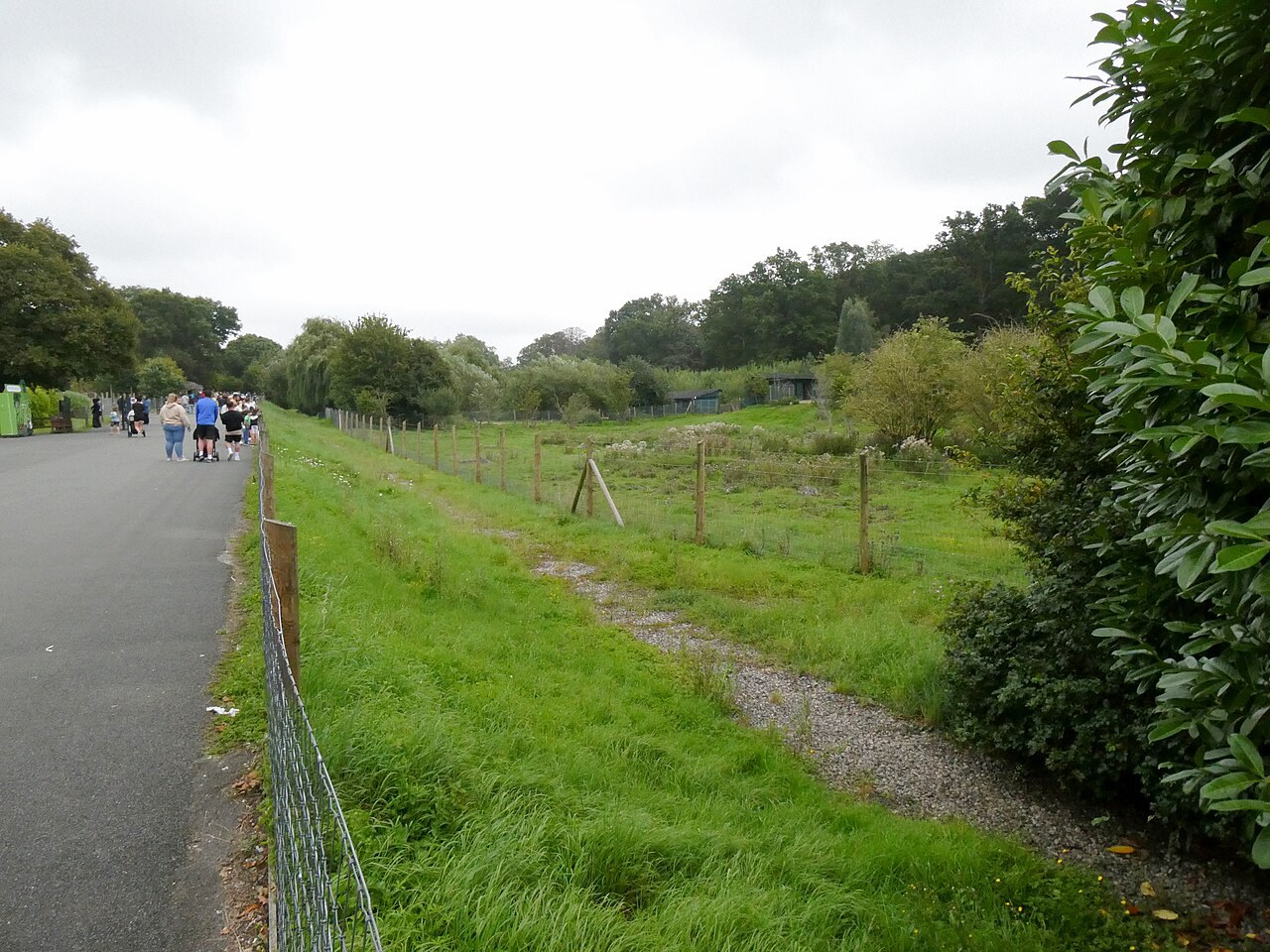
- File:Rails no more at Marwell Zoo - geograph.org.uk - 7567937.jpg — photograph by Gareth James; Rails no more at Marwell Zoo by Gareth James. Source record on Wikimedia Commons. Declared source image. Licence: CC BY-SA 2.0. File changes: Downloaded from Wikimedia Commons, resized to a maximum 1920px edge and encoded as an optimised JPEG. Display changes: Displayed with responsive CSS cropping.
Sources
Every place on this page is checked against a published source. Each entry links the record we used and names who publishes it.
- The Ship Inn — theshipinnowslebury.co.uk operator, sector body or destination organisation
- St Andrew's Church — nationalchurchestrust.org national body or asset manager
- Upham and Owslebury Circular — owslebury.org operator, sector body or destination organisation
- Hilly Close Playground — owslebury.org other published source
- Owslebury Village Green — owslebury.org operator, sector body or destination organisation
- Marwell Zoo — marwell.org.uk operator, sector body or destination organisation