
Islay's inland story
Ballygrant
A small inland Islay village of woodland and lochs, with Finlaggan a mile north and a whisky bar holding over 450 malts.
- Best for
- Woodland walking and whisky heritage
- Give it
- Two and a half to four hours for the long circuit
- Don't miss
- Finlaggan, about one mile north
The Fox verdict
An inland base for walks, whisky and Finlaggan
Ballygrant combines the Dunlossit Estate's lochs and woods with the village's only pub, Kilmeny church and Finlaggan one mile north.
A longer visit can follow the six-to-nine-mile estate circuit, while a shorter one can pair woodland around Loch Ballygrant with Kilmeny church and the Ballygrant Inn. Finlaggan adds the ruined island seat of the Lords of the Isles and a visitor centre with a virtual-reality reconstruction.
Where to go
Places in Ballygrant
Every place below is checked against a published source, listed with what it is and how long to give it.
Local signatures
3 placesFinlaggan Visitor Centre and Historic Site
The seat of the Lords of the Isles, with a ruined island stronghold, a visitor-centre museum and a virtual-reality reconstruction of the 15th-century settlement.
- Visit length
- Editorial estimate: around 75 minutes
- Locality
- about 1 mile north of Ballygrant on the A846
Ardnahoe Distillery
One of the three north-east coast distilleries named as a detour on the Finlaggan and 3 Distilleries circuit.
- Visit length
- Editorial estimate: around 60 minutes
- Locality
- on Islay's north-east coast
Bunnahabhain Distillery
One of the three north-east coast distilleries named as a detour on the Finlaggan and 3 Distilleries circuit.
- Visit length
- Editorial estimate: around 60 minutes
- Locality
- on Islay's north-east coast
Food & drink
1 placeCaol Ila Distillery
One of the three north-east coast distilleries named as a detour on the Finlaggan and 3 Distilleries circuit.
- Visit length
- Editorial estimate: around 60 minutes
- Locality
- on Islay's north-east coast
Walks & outdoors
1 placeFinlaggan and the 3 Distilleries Circuit
A long but easy six-to-nine-mile circuit through estate lochs and woodland, minor roads with Sound of Islay views, detours to three distilleries, and forestry tracks, moorland and farmland to Finlaggan.
- Visit length
- Editorial estimate: About 3 hours on the sourced 2.5–4 hour range
- Locality
- from the Dunlossit Estate walkers' car park down the Mulindry minor road from Ballygrant
- Access
- Start from the Dunlossit Estate walkers' car park, reached down the Mulindry minor road from Ballygrant.
History & heritage
1 placeKilmeny Parish Church
Rebuilt in 1828–29, the church contains James Gray's bronze First World War memorial and an electric organ gifted by the Caol Ila Distillery Company; it was sold to the Greater Kilmeny Community Group in 2025 for community use.
- Visit length
- Editorial estimate: around 45 minutes
- Locality
- off the A846 immediately west of Ballygrant, in sheltered woodland grounds
No places match this filter. Choose All places to reset the list.
Three ways to explore Ballygrant
Signature outings
Walk lochs, woodland and moorland
The long, easy circuit starts from the Dunlossit Estate walkers' car park and links estate lochs and woodland with Sound of Islay views, distillery detours and Finlaggan.
Walk into the Lordship
Follow the short flat causeway path onto Eilean Mòr, then connect the ruined stronghold with the visitor centre's virtual-reality reconstruction.
Find James Gray's bronze memorial
Inside Kilmeny, a dying soldier is comforted by an angel pointing towards a rising sun; the church also holds an organ gifted by Caol Ila Distillery Company.
The village story
Ballygrant Village Guide
Whisky, woodland and the long history of Islay's oldest-established village.
The Whisky Bar on the A846
The bar at the Ballygrant Inn holds over 450 malt whiskies, which is a lot for a village whose houses you can count. It has been named Whisky Bar of the Year twice, and Scotland's Best Whisky Bar in 2018, and from the bar you can look out across the Sound of Islay to the Paps of Jura. A dog and a cat live here, and reviewers tend to mention finding them at the bar or curled up in the reading room.
The Inn is the village's only pub, run by David and his son Ewan, out on the A846 towards Port Askaig, three miles up the road where the ferry sails from. The food is homemade and mostly local: chicken, ham and leek pie, Islay beef, lamb and venison, and seafood pulled from the surrounding water — scallops, crab, lobster, langoustine. Thursday is curry night, and the reviews are firm on this point, one visitor noting the curries "would have been well received in an Indian Restaurant."
A Small Village Built for Walking
For a village this small, Ballygrant has held on to both a shop and a village hall, which is more than most places its size manage. There was a café called Labels with tables outside, though a blogger who caught a coffee there in 2019 arrived just as it was about to close, and it may not trade any longer.
The walking is the reason to stay. From the Dunlossit Estate car park, down the Mulindry road, a long, easy circuit takes in the estate's lochs and woods, then minor roads with the Sound on one side, before detouring to the Caol Ila, Ardnahoe and Bunnahabhain distilleries and looping back to Finlaggan — six to nine miles depending on how many distilleries you visit. There are shorter options: woodland tracks around Loch Ballygrant, a path through to Port Askaig, and a fifteen-minute causeway walk onto the island at Finlaggan. Three lochs nearby hold brown trout.
Finlaggan and the Village's Older Story
Finlaggan itself is a mile north, and it is not a small thing. This was the seat of the Lords of the Isles, the Norse-Gaelic rulers of the Hebrides for three hundred years, until the Scottish Crown forfeited the last lord and destroyed the site in 1493. New lords were inaugurated standing on a stone with a footprint cut into it, placing a foot in the print to signify they would walk where their ancestors had walked.
The village is older than the coast. Its name comes from Baill a Ghrana, the town of the grain, and it grew on good arable land while the distillery villages down at the shore came later. Lead and silver were mined here from the seventeenth century; Welsh families with names like Finnie, Edwards and Griffiths came for the work and filled sixteen houses in Miners' Row, since quietly converted into homes.
Kilmeny Church and the Island Bus
Kilmeny church, just west, was sold to the local community group in 2025 to keep it in use. The 450 bus runs the island spine past the village most of the day, but not on Sundays, so getting to church, or anywhere, is easier the rest of the week.
Inside the church there is a bronze war memorial of a dying soldier comforted by an angel, and an electric organ the Caol Ila distillery gave for its 125th birthday.
Stay around Argyll
Make a longer stay of it
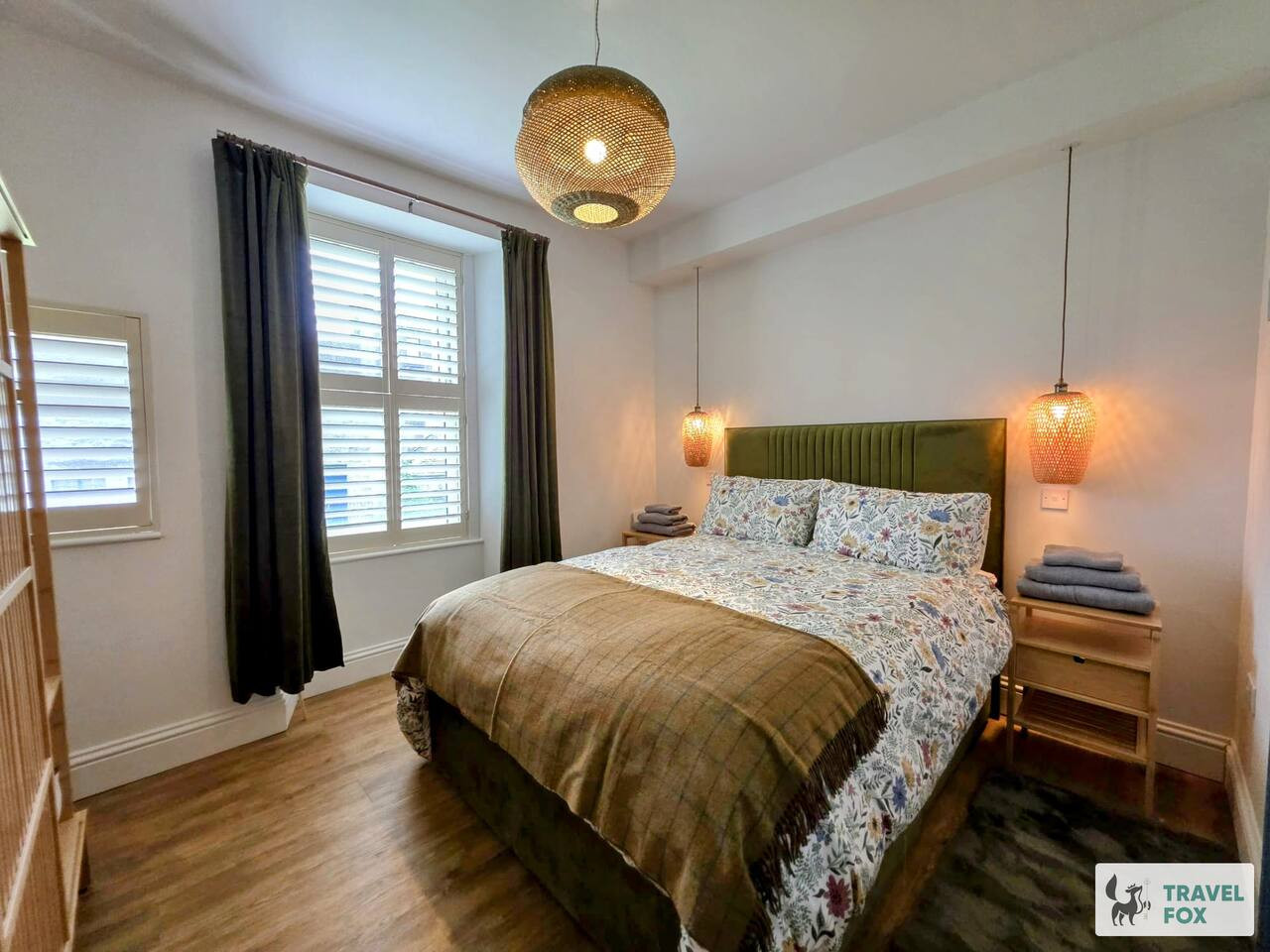
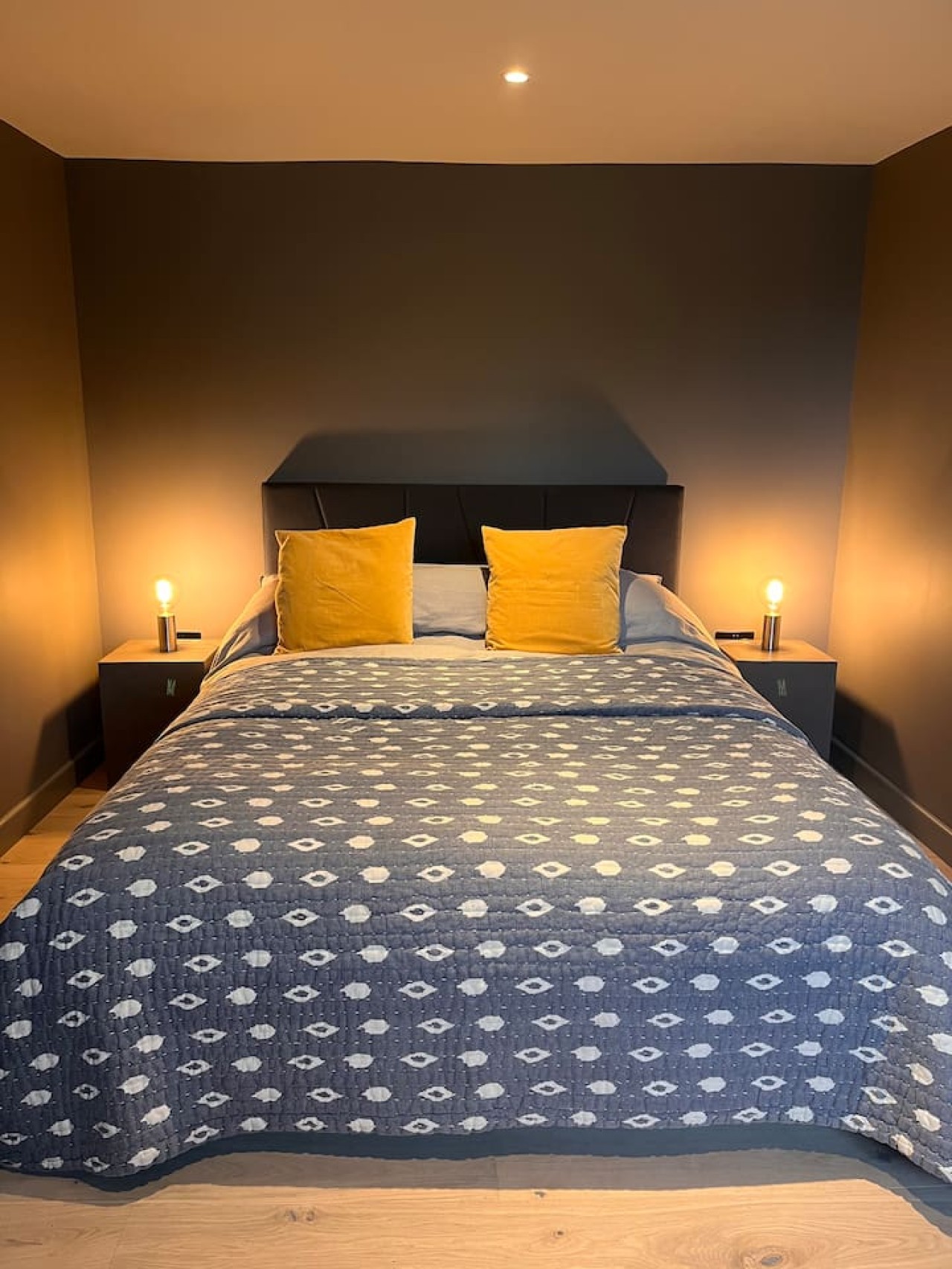
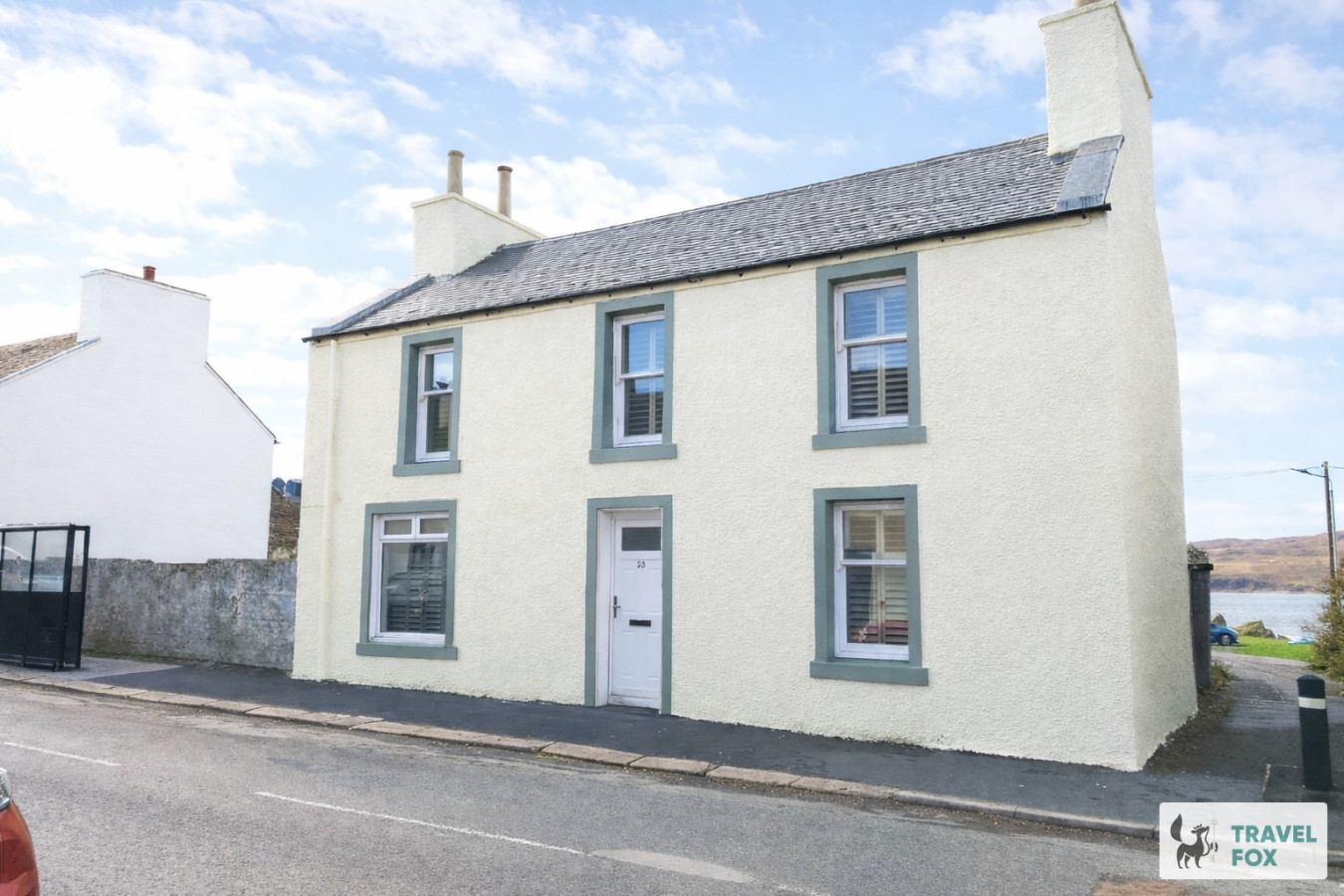
Travel Fox holiday homes around Argyll, linked directly to their property pages.
A guide with a point of view
Written from research. Edited for real journeys.
Use the Official site links for live practical details, then use this guide for context, ideas and room to explore.
Sources
Every place on this page is checked against a published source. Each entry links the record we used and names who publishes it.
- Kilmeny Parish Church — northandwestislaychurches.org other published source
- Finlaggan Visitor Centre and Historic Site — finlaggan.museum operator, sector body or destination organisation
- Finlaggan and the 3 Distilleries Circuit — walkhighlands.co.uk other published source
- Caol Ila Distillery — canmore.org.uk other published source record not machine-readable; publisher restricts automated access
- Ardnahoe Distillery — ardnahoedistillery.com operator, sector body or destination organisation
- Bunnahabhain Distillery — bunnahabhain.com operator, sector body or destination organisation