
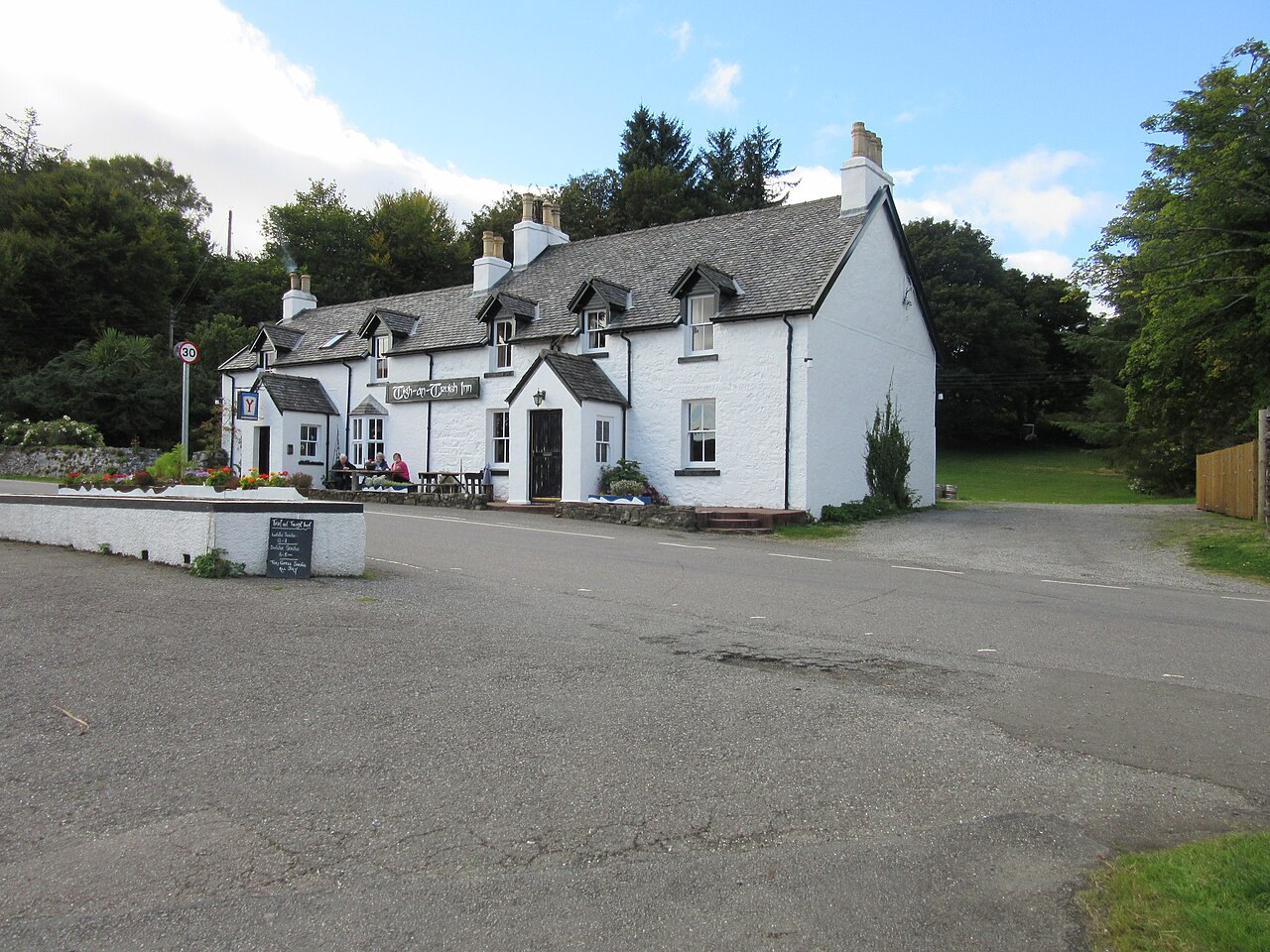
Bridge over the Atlantic
Clachan Seil
A small settlement beside Clachan Bridge, with an old Highland inn and the walks, gardens and slate story of Seil beyond.
- Best for
- Clachan Bridge, island walks and slate history
- Give it
- A bridge stop or a day across Seil
- Don't miss
- The Tigh an Truish beside the bridge
Photo: Euan Nelson · CC BY-SA 2.0 · cropped
The Fox verdict
A bridge, an inn and an island beyond
Clachan Seil is the mainland-end settlement for Seil, where the Clachan Bridge and Tigh an Truish make a memorable first stop.
The high masonry arch and the inn's House of the Trousers story give Clachan Seil its identity. Across the bridge, Seil adds Kilbrandon's stained glass, Ellenabeich's quarry heritage, An Cala garden and a choice of short and longer walks.
Where to go
Places in Clachan Seil
Every place below is checked against a published source, listed with what it is and how long to give it.
Local signatures
3 placesClachan Bridge
A high-arched humpbacked masonry bridge built in 1792/93 and known as the Bridge over the Atlantic.
- Visit length
- Editorial estimate: Planning allowance: around 30 minutes
- Locality
- across the Clachan Sound
- Access
- Carries the B844.
An Cala Garden
A sheltered two-hectare garden with waterfalls, ponds, streams, azaleas, rhododendrons and cherry trees, with views to Mull.
- Visit length
- Editorial estimate: Planning allowance: around 60 minutes
- Locality
- Ellenabeich
Ellenabeich–Easdale Ferry
The foot-ferry connection from Ellenabeich to Easdale Island and its slate-quarry landscape.
- Visit length
- Editorial estimate: Planning allowance: around 30 minutes
- Locality
- Ellenabeich
- Access
- Foot ferry onward to Easdale Island.
Food & drink
1 place
Tigh an Truish
A traditional Highland inn more than 250 years old, with a rustic bar, modern dining room and a menu built on local seafood, venison, beef and lamb.
- Visit length
- Editorial estimate: Planning allowance: around 90 minutes
- Locality
- by Clachan Bridge
Walks & outdoors
3 placesEllenabeich Hillwalk
A short, energetic climb behind Ellenabeich to a viewpoint over the Sound of Luing.
- Visit length
- Editorial estimate: Planning allowance: around 60 minutes
- Locality
- behind Ellenabeich
- Access
- A short but energetic climb.
Cuan Coast and Moor Circuit
A coastal-and-moor circuit from Cuan, part of Seil's walking landscape of coast, cliffs and island views.
- Visit length
- Editorial estimate: Planning allowance: around 180 minutes
- Locality
- Cuan
- Access
- A moderate route of about 6.9 miles (11.1 km).
Ballachuan Hazelwood Wildlife Reserve
A wildlife reserve that can be combined with An Cala on a roughly 6.1-mile coastal-view loop.
- Visit length
- Editorial estimate: Planning allowance: around 60 minutes
- Locality
- Ballachuan Hazelwood
History & heritage
2 placesKilbrandon Church
Built in 1866, the church contains five celebrated stained-glass windows by Douglas Strachan, installed in 1938.
- Visit length
- Editorial estimate: Planning allowance: around 30 minutes
- Locality
- about halfway from Balvicar to the Cuan ferry
Ellenabeich Heritage Centre
A Slate Islands Heritage Trust centre in a former quarry-worker's cottage, covering 19th-century life, slate and local ecology.
- Visit length
- Editorial estimate: Planning allowance: around 45 minutes
- Locality
- Ellenabeich
Things to do
1 placeIsle of Seil Golf Club
Seil's golf club at Balvicar, one of the island's named recreation options.
- Visit length
- Editorial estimate: Planning allowance: around 120 minutes
- Locality
- Balvicar
No places match this filter. Choose All places to reset the list.
Three ways to explore Clachan Seil
Signature outings
House of the Trousers
Stop at the Tigh an Truish for its kilt-changing story, rustic bar, Scottish ales and menu of local seafood and meat.
Sound of Luing View
Take the short but energetic hillwalk behind Ellenabeich to its viewpoint over the Sound of Luing.
Strachan's Island Windows
See Kilbrandon Church's five stained-glass windows by Douglas Strachan, centred on scenes from the Sea of Galilee.
The village story
Clachan Seil Village Guide
From the House of the Trousers to flooded slate quarries, Seil's story unfolds beyond one remarkable bridge.
The House of the Trousers
The Tigh an Truish sits by the bridge, and its name means "House of the Trousers." After the 1746 Dress Act banned Highland dress, islanders felt safe enough wearing kilts on Seil but changed into trousers at the inn before crossing to the mainland, then changed back on the way home. Forgotten trousers accumulated. That is how the pub got its name.
It has been an inn for more than 250 years, and it is still the reason most people stop here. The interior is rustic wood, an L-shaped counter, and a high bench seat called the Perch. A door by the bar leads through to a modern dining room with two AA rosettes, a head chef, William Rocks, whose restaurant has featured on MasterChef: The Professionals, and a menu built on local seafood, venison, beef and lamb. Reviewers name the whitebait, the scallops, and the fish and chips. Two handpumps serve Scottish ales — Fyne Ales' Avalanche and Jarl among them — though one goes quiet in winter. The garden and patio are the place to be in summer.
Bridge and Island Settlements
The bridge outside is the other thing everyone comes for. It is a single high-arched hump of masonry across the Clachan Sound, built in 1792 to carry what is now the B844, and it has been called the Bridge over the Atlantic ever since. The sound is narrow — barely 70 feet across at points — but it is open water, so the name is technically correct. Fairy foxglove colonises the south wall and flowers over it in early summer. An artist called C. John Taylor, who lived at Ellenabeich until 1998, painted it; the print sold nearly a million copies.
Once you are across, the island opens up. Balvicar is the main village, central, with the harbour, the golf club, and Balvicar Stores — the only shop on Seil, small but with a range that runs deeper than it looks. Ellenabeich, on the west coast, is a row of whitewashed cottages that were once quarry housing. An Cala garden is there, two sheltered hectares of waterfalls, azaleas and cherry trees with a view to Mull, made in the 1930s on 2,800 tons of imported topsoil.
Slate and Island Walking
The whole place was built on slate. At its peak in the 1860s the quarries cut nine million slates a year and roofed cities across the Empire — you can still find Easdale slate on roofs in Melbourne, Dunedin and Dublin. A storm in November 1881 breached the sea walls and flooded the pits, and the industry never really recovered. The drowned quarries are still there, water-filled and full of wildlife.
Walking is the point of a stay. There is a short sharp climb behind Ellenabeich to a viewpoint over the Sound of Luing, a coast-and-moor loop from Cuan, and an easier circuit from Balvicar. Foot ferries run from Ellenabeich to Easdale, which hosts the World Stone Skimming Championships every September, in a flooded quarry, using local slate no wider than three inches.
Connections to Oban
Oban and its trains are eleven miles back up the road. The 418 bus calls at the village roughly every three hours. Frances Shand Kydd, Diana's mother, lived on the island for many years, until her death in 2004.
Stay around Argyll
Make a longer stay of it
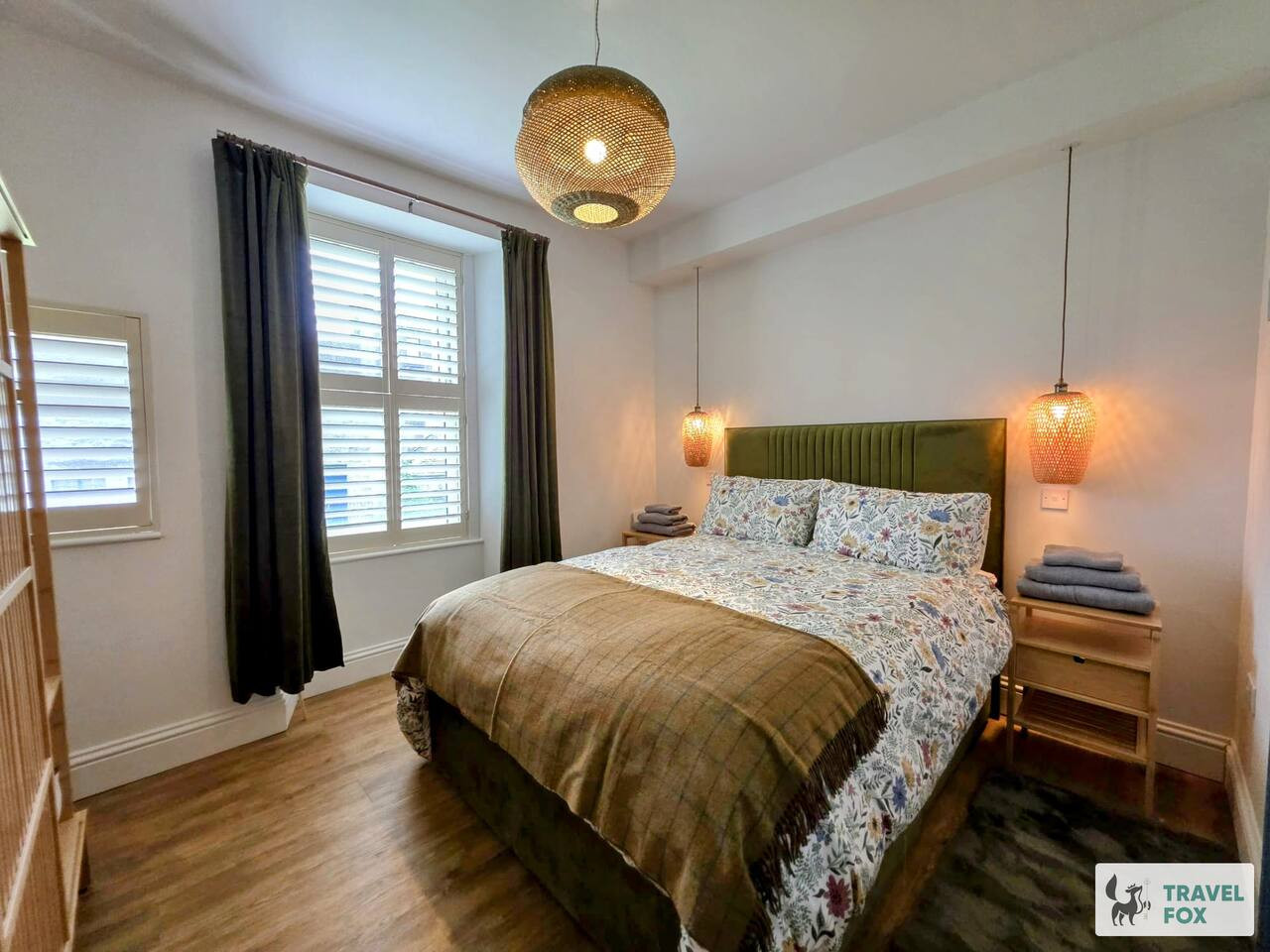
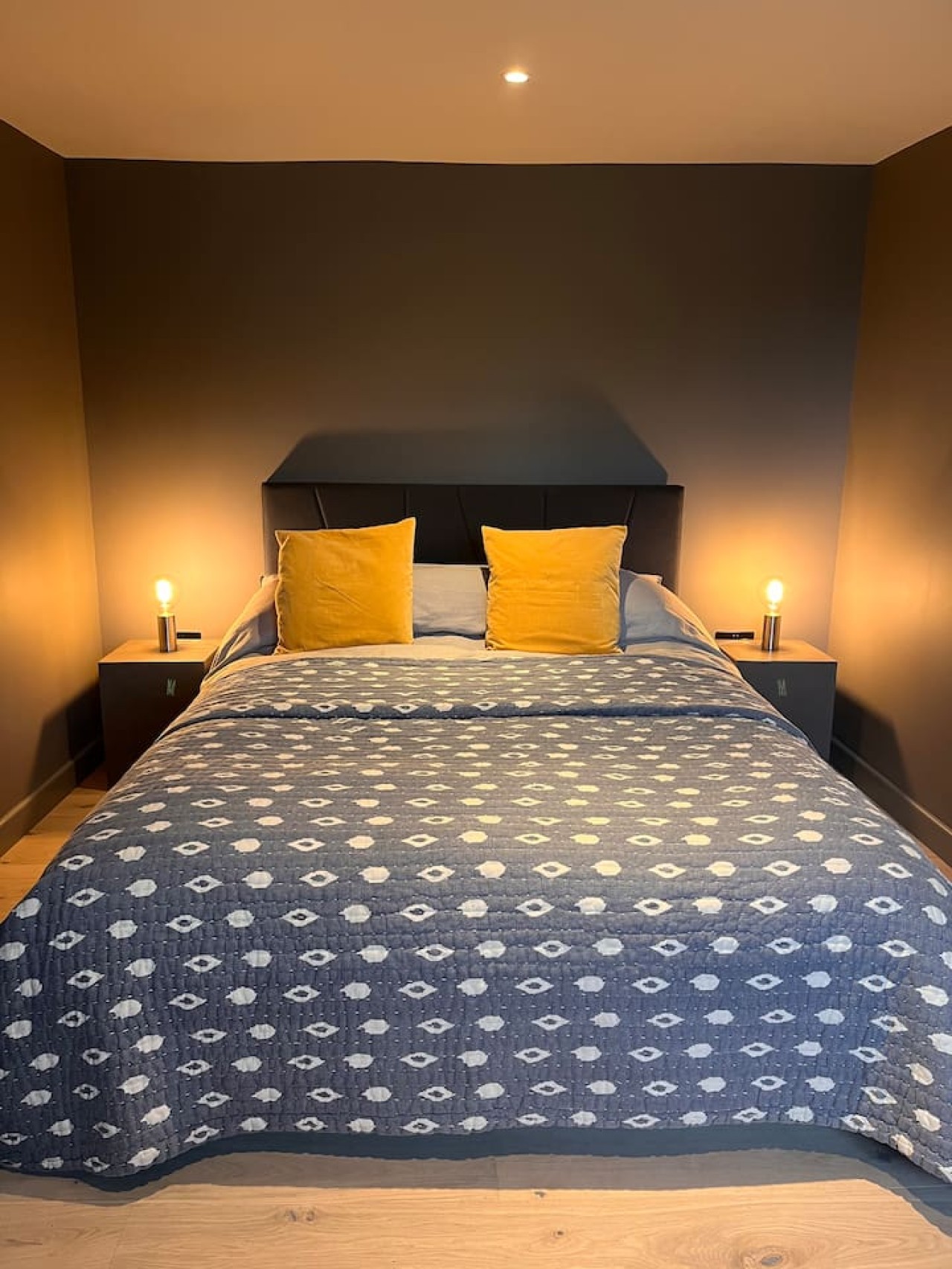
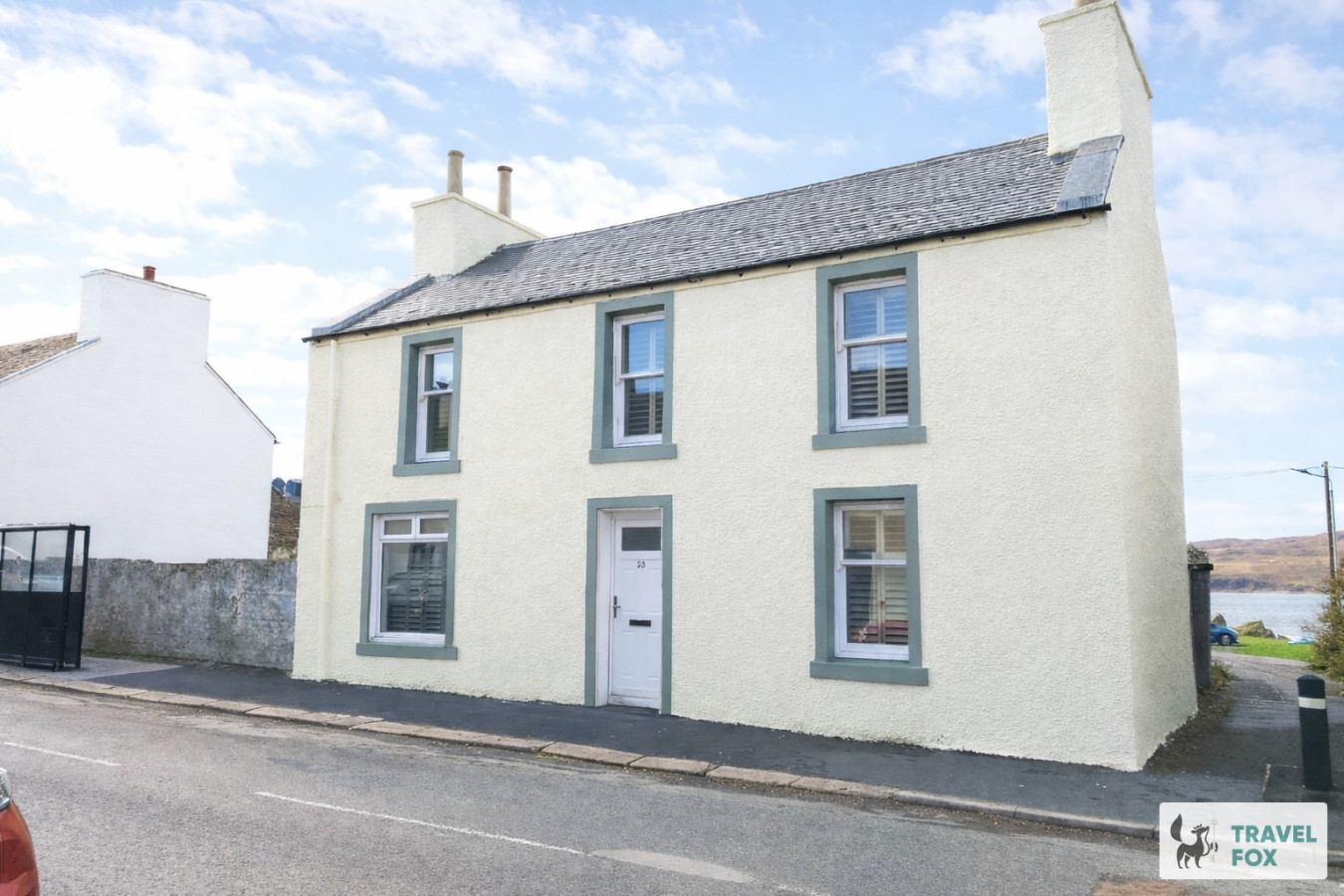
Travel Fox holiday homes around Argyll, linked directly to their property pages.
A guide with a point of view
Written from research. Edited for real journeys.
Use the Official site links for live practical details, then use this guide for context, ideas and room to explore.
Photography credits & licences
Third-party photographs are credited to their named creators and reused under the linked Creative Commons licence or public-domain dedication. Travel Fox stores an optimised local copy; the file-specific changes and any browser-applied display crop are disclosed below. Reused photographs link both to the Wikimedia Commons source record and to the declared source image; Travel Fox's own photographs carry no such record and are marked as ours. These image licences do not cover Travel Fox text, branding or page design.
- File:Tigh-an-Truish Inn, Clachan - geograph.org.uk - 4674176.jpg — photograph by Euan Nelson; Tigh-an-Truish Inn, Clachan by Euan Nelson. Source record on Wikimedia Commons. Declared source image. Licence: CC BY-SA 2.0. File changes: Downloaded from Wikimedia Commons, resized to a maximum 1920px edge and encoded as an optimised JPEG. Display changes: Displayed with responsive CSS cropping.
Sources
Every place on this page is checked against a published source. Each entry links the record we used and names who publishes it.
- Clachan Bridge — portal.historicenvironment.scot statutory register or public authority
- Tigh an Truish — tighantruish.co.uk operator, sector body or destination organisation
- Kilbrandon Church — scotlandschurchestrust.org.uk other published source
- An Cala Garden — portal.historicenvironment.scot statutory register or public authority
- Ellenabeich Heritage Centre — wildaboutargyll.co.uk other published source
- Ellenabeich Hillwalk — walkhighlands.co.uk other published source
- Cuan Coast and Moor Circuit — walkhighlands.co.uk other published source
- Ballachuan Hazelwood Wildlife Reserve — scottishwildlifetrust.org.uk national body or asset manager
- Ellenabeich–Easdale Ferry — argyll-bute.gov.uk statutory register or public authority
- Isle of Seil Golf Club — isleofseilgolfclub.co.uk operator, sector body or destination organisation