
The village on the hill
Colerne
A limestone upland village of old pubs, a one-handed church clock and walking circuits through the By Brook landscape.
- Best for
- Village history and field-path walks
- Choose a circuit
- The 5.7-mile Heritage Trail or 9.88-mile Peacock Trail
- Don't miss
- The church tower's one-handed clock
The Fox verdict
Limestone, local history and long walks
Colerne occupies a 545-foot limestone spur above the Box valley, with village pubs, a richly detailed parish church and two circular walks.
The parish church brings together a nave dating to about 1200, a 15th-century west tower and much older carved fragments. The Fox & Hounds supplies the traditional pub stop, Green Lane Recreation Ground has play and sports equipment, and the Old School rooms host community activities.
Where to go
Places in Colerne
Every place below is checked against a published source, listed with what it is and how long to give it.
Local signatures
3 placesLexies Colerne Store
A Premier convenience shop carrying fresh bread, fruit and vegetables, meat and poultry, frozen food, newspapers and food to go.
- Visit length
- Editorial estimate: around 15 minutes
- Locality
- 8a Market Place
Colerne Community Cafe
A community cafe in the renovated Victorian Old School rooms, a building also used for a coffee morning, after-school club and playgroup.
- Visit length
- Editorial estimate: around 45 minutes
- Locality
- Victorian Old School rooms on Vicarage Lane
Green Lane Recreation Ground
A recreation ground with a concrete skate area, outdoor exercise machines, varied children's play equipment, picnic seating, basketball nets, football pitches and a French boules pitch.
- Visit length
- Editorial estimate: around 1 hour
- Locality
- Green Lane Recreation Ground
- Access
- There are no public toilets.
Food & drink
1 placeFox & Hounds
A traditional two-room community pub known for fish dishes and twice-monthly live music, with a beer garden, real ales and a timber-lintelled fireplace in its older range.
- Visit length
- Editorial estimate: around 1 hour 30 minutes
- Locality
- Hill top in Colerne
Walks & outdoors
2 placesColerne Heritage Trail
A waymarked circuit passing the church, Euridge Manor, Thickwood, Colerne Down, the By Brook, Rag Mill remains, Slaughterford and Chapps Mill.
- Visit length
- Editorial estimate: around 3 hours 30 minutes
- Locality
- Circuit from the Fox & Hounds
- Access
- The moderate route uses field paths and bridleways with slopes, woodland, stiles and sometimes muddy ground.
Corsham–Colerne Peacock Trail
A challenging circuit through Pickwick, hidden valleys, Weavern Farm, the By Brook, Monks Wood, Euridge Manor, Thickwood and Widdenham Farm.
- Visit length
- Editorial estimate: around 4 hours 30 minutes
- Locality
- Linking Corsham and Colerne
- Access
- The route has 1,481 feet of ascent, steep or rough sections and stiles.
History & heritage
1 placeChurch of St John the Baptist
A Grade I church with a nave dating to about 1200, a tall 15th-century west tower and a one-handed clock; older details include a 9th-century cross fragment and a circa-1200 saint figure.
- Visit length
- Editorial estimate: around 45 minutes
- Locality
- Colerne
No places match this filter. Choose All places to reset the list.
Three ways to explore Colerne
Signature outings
Colerne Heritage Trail
Take the 5.7-mile waymarked circuit from the Fox & Hounds through Colerne Down, the By Brook and Slaughterford.
The one-handed clock
Look up at the one-handed clock on the church's tall 15th-century west tower, above its pierced parapet and corner pinnacles.
Fish dishes and Jaspers
Stop at the Fox & Hounds for the fish dishes for which it is known and the house beer Jaspers, based on St Austell Cornish Best Bitter.
The village story
Colerne Village Guide
Pubs, parish history and long walking circuits on Wiltshire's limestone upland.
Two Traditional Village Pubs
The Fox & Hounds sits at the top of the hill, which in Colerne means the top of a limestone spur 545 feet up, with the Box valley falling away below it. It is a traditional two-room pub, dog-friendly, with a beer garden and a fireplace set under a heavy timber lintel in the older part of the building. The house beer is Jaspers, brewed from St Austell's Cornish Best; Thatchers Dry and Cheddar Valley ciders are on as well. The pub is known for its fish dishes, fish and chips especially, and there is live music twice a month. One range of the building carries the date "J. T. 1752" in its stonework.
Down in the village, the Six Bells Inn is the other pub: one large bar with a real fire and a skittle alley. It does not run a kitchen in the usual sense. On a Saturday evening you may find a mobile pizza van, Only Fools & Morsels, parked outside; regulars carry the boxes in and eat them at the bar with a pint of Butcombe Original or Timothy Taylor Landlord. It's the kind of arrangement worth checking before you turn up. The building is mostly 17th century.
Village Essentials and the Parish Church
For everything else there is Lexies, the Premier shop at 8a Market Place, which carries fresh bread, fruit and vegetables, meat and poultry, frozen food and the papers. The Post Office is round on the High Street, handling parcels, banking and vehicle tax. The Community Café runs out of the old Victorian schoolrooms on Vicarage Lane, the same building that hosts the playgroup, the after-school club and a coffee morning.
The parish church, St John the Baptist, has a west tower that is 15th century, with a pierced stone parapet, corner pinnacles and a clock on the west face that has only one hand. Inside there is a fragment of a 9th-century cross, a figure of a saint carved around 1200, medieval glass, carved corbel heads, and the effigy of R. Walmesley, who died in 1893 and whose maker signed the work. The nave goes back to about 1200; Walter de Dunstanville began building the church in stone in 1190.
Walking and Family Recreation
Walking starts from the Fox & Hounds door. The Colerne Heritage Trail is a 5.7-mile circuit on field paths and bridleways, moderate, with slopes, stiles and mud after rain, taking in the church, Euridge Manor, Colerne Down and the By Brook before dropping to Slaughterford and coming back. If you want more, the Corsham–Colerne Peacock Trail is a challenging circuit linking the two villages over nearly ten miles and 1,481 feet of climbing, with steep or rough sections and stiles along the way. Colerne Down is where, in the later 17th century, the antiquary John Aubrey found the locals "famous and frequent for playing stowball."
Families have Green Lane Recreation Ground, with a concrete skate area, a hillside slide, a zip line, four kinds of swing, a roundabout, basketball nets, football pitches and a French boules pitch. There are no public toilets there; the Old School, with its courtyard play equipment and benches, has toilets available when the hall is hired for events.
History Across the Hill
The hill has been lived on for a long time. Bury Wood Camp, a 32-acre Iron Age promontory fort, sits on the parish edge, and a Roman villa nearby had eleven rooms, three of them floored with mosaic. Colerne gained the right to hold a market around 1250, and New College, Oxford, owned the manor from 1388 until 1877. On 1 April 1774 a single day's fire destroyed 42 houses and dozens of outbuildings, leaving nearly sixty families homeless. Later the plateau acquired a different use: RAF Colerne opened in 1941; Hurricanes and Spitfires served there before the station closed in 1976.
The airfield left a smaller mark too. In October 1945 Iris Fuller began serving Sunday teas, chiefly to RAF personnel, at a place she called the Vineyard; within a few years it had a national name and a special Sunday bus, and in 1966 the comedian Ben Warris bought it.
Transport and the Village Name
Getting here means minor roads rather than a through-route. Bath Spa is the nearest station, about eight miles and twenty minutes by car, with Chippenham a little further. The Faresaver 228 runs into Bath, and Coachstyle's route 36 reaches Chippenham via Biddestone and Corsham, though both are limited enough to be worth checking first. Corsham lies three and a half miles east and Bath six to the south-west, with Dyrham Park and Lacock both nearby National Trust properties worth the detour.
The people who live here call it, without much elaboration, the village on the hill.
Stay around Cotswolds
Make a longer stay of it
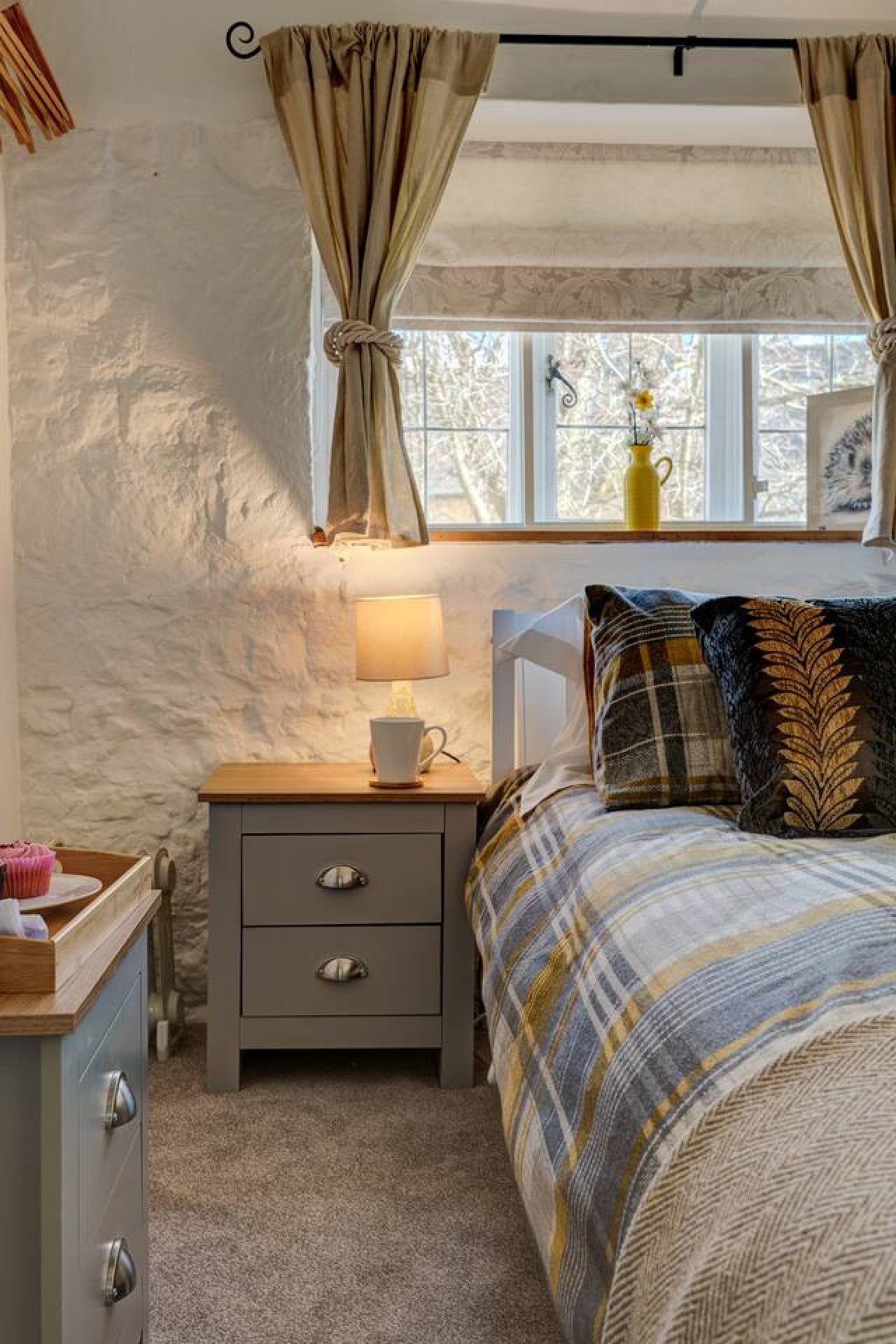
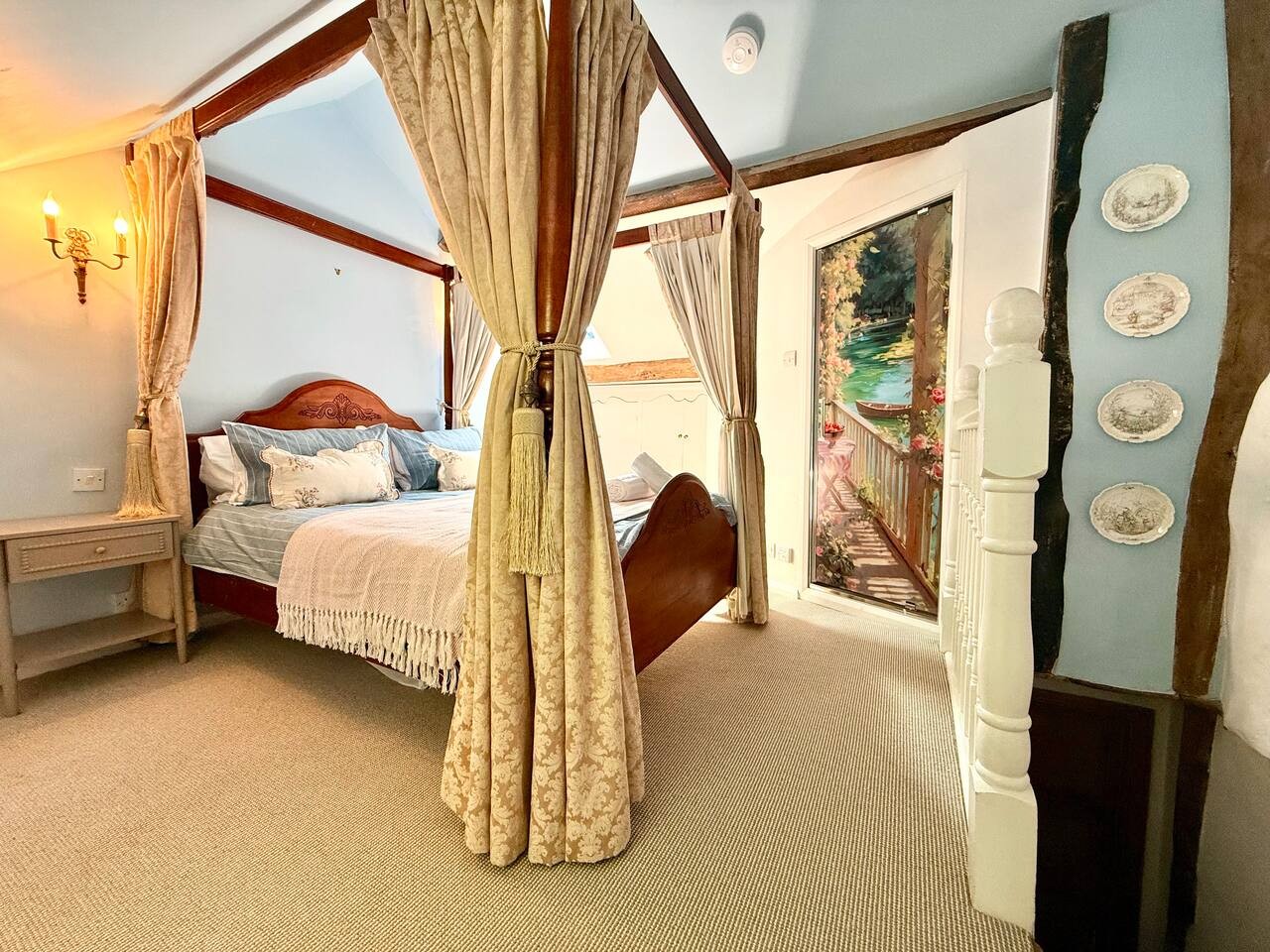
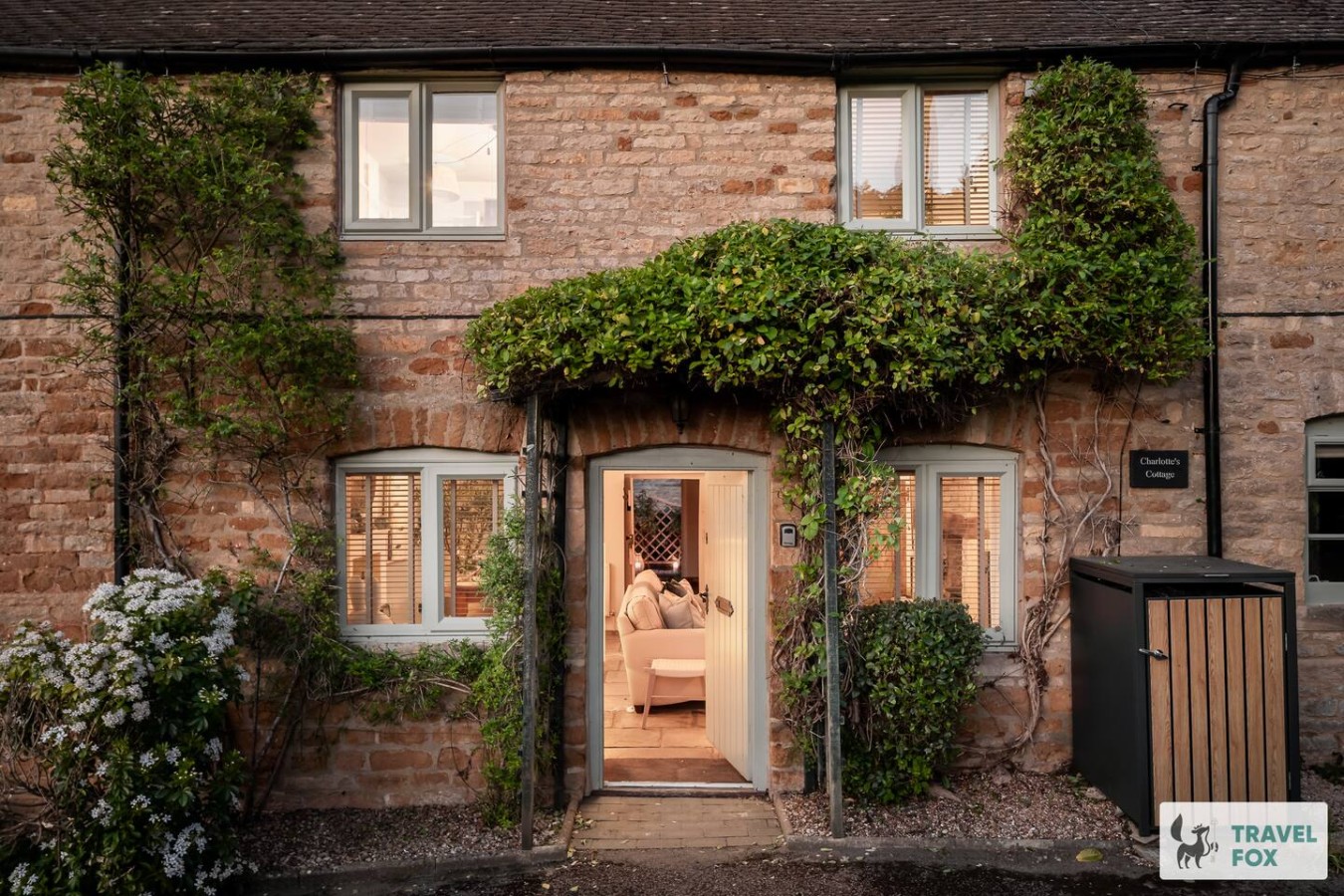
Travel Fox holiday homes around Cotswolds, linked directly to their property pages.
For homeowners
Own a holiday home near Colerne?
We manage holiday lets across the Cotswolds from 12% commission, charged after cleaning costs, with no lock-in. A co-founder visits before you decide.
Holiday let management in the Cotswolds →
A guide with a point of view
Written from research. Edited for real journeys.
Use the Official site links for live practical details, then use this guide for context, ideas and room to explore.
Sources
Every place on this page is checked against a published source. Each entry links the record we used and names who publishes it.
- Fox & Hounds — foxandhoundscolerne.co.uk operator, sector body or destination organisation
- Lexies Colerne Store — premier-stores.co.uk operator, sector body or destination organisation
- Colerne Community Cafe — colerne-pc.gov.uk statutory register or public authority
- Church of St John the Baptist — historicengland.org.uk statutory register or public authority record not machine-readable; publisher restricts automated access
- Colerne Heritage Trail — cotswolds-nl.org.uk other published source
- Corsham–Colerne Peacock Trail — cotswolds-nl.org.uk other published source
- Green Lane Recreation Ground — register-of-charities.charitycommission.gov.uk statutory register or public authority