
Above the Windrush valley
Great Rissington
A hilltop Cotswold village with a detail-rich church, a stile-free river walk and one characterful inn.
- Best for
- Church history and a stile-free circular walk
- Give it
- Roughly two hours for the circular walk
- Don't miss
- The Lost Souls memorial in St John the Baptist
The Fox verdict
A small village with a powerful story
Great Rissington pairs a Windrush-valley walk with unusually rich church details and the story of five brothers remembered on its war memorial.
Start at St John the Baptist for medieval fabric, the Barnarde monument and the Lost Souls memorial, follow the stile-free circular beside the Windrush, then return to the village's Brakspear inn. Birdland and Bledington Shop & Café add useful nearby options.
Where to go
Places in Great Rissington
Every place below is checked against a published source, listed with what it is and how long to give it.
Local signatures
3 placesThe Lamb Inn
A Brakspear pub with rooms, a patio garden and seasonal pub food, run by Elliot and Kathleen.
- Visit length
- Editorial estimate: allow around 90 minutes
- Locality
- Great Rissington
- Access
- Dogs are welcome; EV charging is available.
St John the Baptist
A Grade II* church with a tower base dating to about 1200, medieval interior details, a 1621 monument and the village's First World War memorial.
- Visit length
- Editorial estimate: allow around 40 minutes
- Locality
- Great Rissington
Bledington Shop & Café
A shop and café stocking fruit and vegetables, bread and cakes, local meat and pies, deli goods, groceries, local beer and cider.
- Visit length
- Editorial estimate: allow around 45 minutes
- Locality
- Bledington
Walks & outdoors
2 placesGreat Rissington — Miles without Stiles
A 2.75-mile stile-free circular across arable land and beside the River Windrush, opposite Sherborne's restored wetlands and water meadows.
- Visit length
- Editorial estimate: Roughly two hours
- Locality
- from St John the Baptist
- Access
- The route crosses unsurfaced paths and arable land that can be muddy.
Birdland
A nine-acre attraction beside the Windrush with more than 500 birds, a dinosaur trail, a double zip-line and England's only breeding group of king penguins.
- Visit length
- Editorial estimate: allow around 150 minutes
- Locality
- Bourton-on-the-Water
No places match this filter. Choose All places to reset the list.
Three ways to explore Great Rissington
Signature outings
A stile-free circular
The official 2.75-mile route starts at the church, crosses arable land and follows the Windrush opposite Sherborne's restored wetlands.
Five hundred birds
Birdland fills nine acres beside the Windrush with more than 500 birds, including England's only breeding group of king penguins.
The Lost Souls memorial
The church's white-marble memorial records thirteen village men, including the five Souls brothers who died between 1916 and 1918.
The village story
Great Rissington Village Guide
A hilltop village shaped by the Windrush valley, its parish church and the story of the Lost Souls.
The Village’s Pub and Club
The Lamb Inn stands in Great Rissington, a Brakspear pub with rooms, a patio garden and an EV charger in the car park. Elliot is head chef, with more than thirteen years in Michelin-starred kitchens, and now cooks shepherd's pie made with Cotswold lamb. He and Kathleen run the place. The menu moves with the season: beer-battered haddock and chips, beef shin and Brakspear ale pie, lamb rump with mash, wild garlic and chimichurri, a miso-roasted aubergine for anyone leaving the meat alone, and Edie's tarte Tatin, made with apples from Edie's own trees. Dogs are welcome.
It is the village's pub. The Great Rissington Club is a social venue rather than a second pub — drinks, and film, quiz and food nights — and home to the village cricket and archery clubs.
Food Stops and Wider Connections
The Bledington Shop & Café is a useful food stop beyond the village, carrying fruit and vegetables, bread and cakes, local meat and pies, deli goods, and local beer and cider. The 802 bus reaches Bourton-on-the-Water's war memorial eight minutes after leaving the Lamb Inn. From Bourton it is a short walk to Birdland, nine acres beside the Windrush with more than five hundred birds, a dinosaur trail, a double zip-line, and England's only breeding group of king penguins.
Kingham is the nearest railway station, about five miles off and run by Great Western Railway. The 802 links the village to Bourton and the two neighbouring Rissingtons from Monday to Saturday but not on Sundays — check the timetable before travelling without a car.
Windrush Walks and Medieval Details
The village sits high on the Cotswold hills above the Windrush valley. At its western end the ground falls away towards the river, roughly a kilometre off. A stile-free circular walk starts at the church, runs to about two and three-quarter miles, and takes a couple of hours. It crosses arable land that turns muddy after rain, follows the Windrush opposite the National Trust's restored wetlands and water meadows at Sherborne, and climbs back beside Mill Copse. Wear suitable footwear, especially after rain.
St John the Baptist has a tower whose base dates to about 1200, with upper stages rebuilt in the fifteenth century; much of the rest was rebuilt in 1873. Inside there is a fifteenth-century octagonal font, a fourteenth-century piscina, and a 1621 monument to John Barnarde with kneeling figures, an angel, a skull, an hourglass and Jacobean scrollwork. A reset porch panel, once painted, shows the Crucifixion above the Ascension.
The Lost Souls and Village History
The nave holds a white marble First World War memorial to thirteen men of the village. Five were brothers — the Souls boys — who died between 1916 and 1918. Three had served in the 16th Cheshires, a bantam regiment raised for men below the army's minimum height; the twins Alfred and Walter were both killed in 1918. Their mother, Annie, is said to have kept a candle burning for a missing son, and afterwards would not stand for the national anthem. The parish still calls them "the Lost Souls of Great Rissington."
The Domesday commissioners counted thirty-eight households here in 1086. Great Rissington Manor, private and not presented as a visitor attraction, grew from a seventeenth-century farm on a site recorded in 1309; the Marling family enlarged it in 1929, folding in the old farm buildings and a granary and laying out formal gardens from which the church tower is still visible across the lawns.
School and Village Sport
The Rissington School has taught children of these villages since 1897, and its Great Rissington site is still in use. The cricket club was founded in 1961 on a ground high enough to take in the whole Windrush valley, and the archers shoot beside it on Wednesday evenings and Saturday mornings, weather permitting.
Stay around Cotswolds
Make a longer stay of it
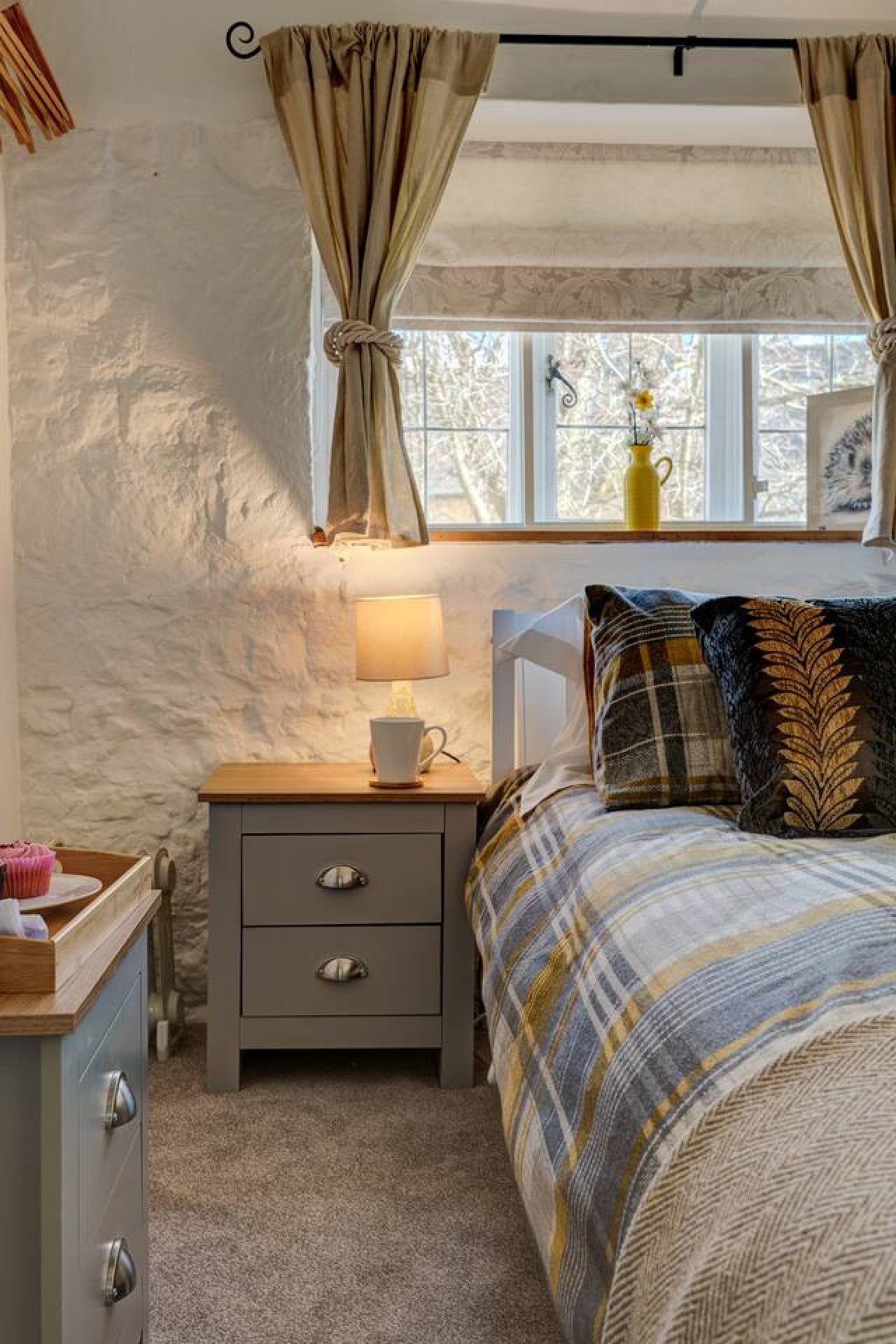
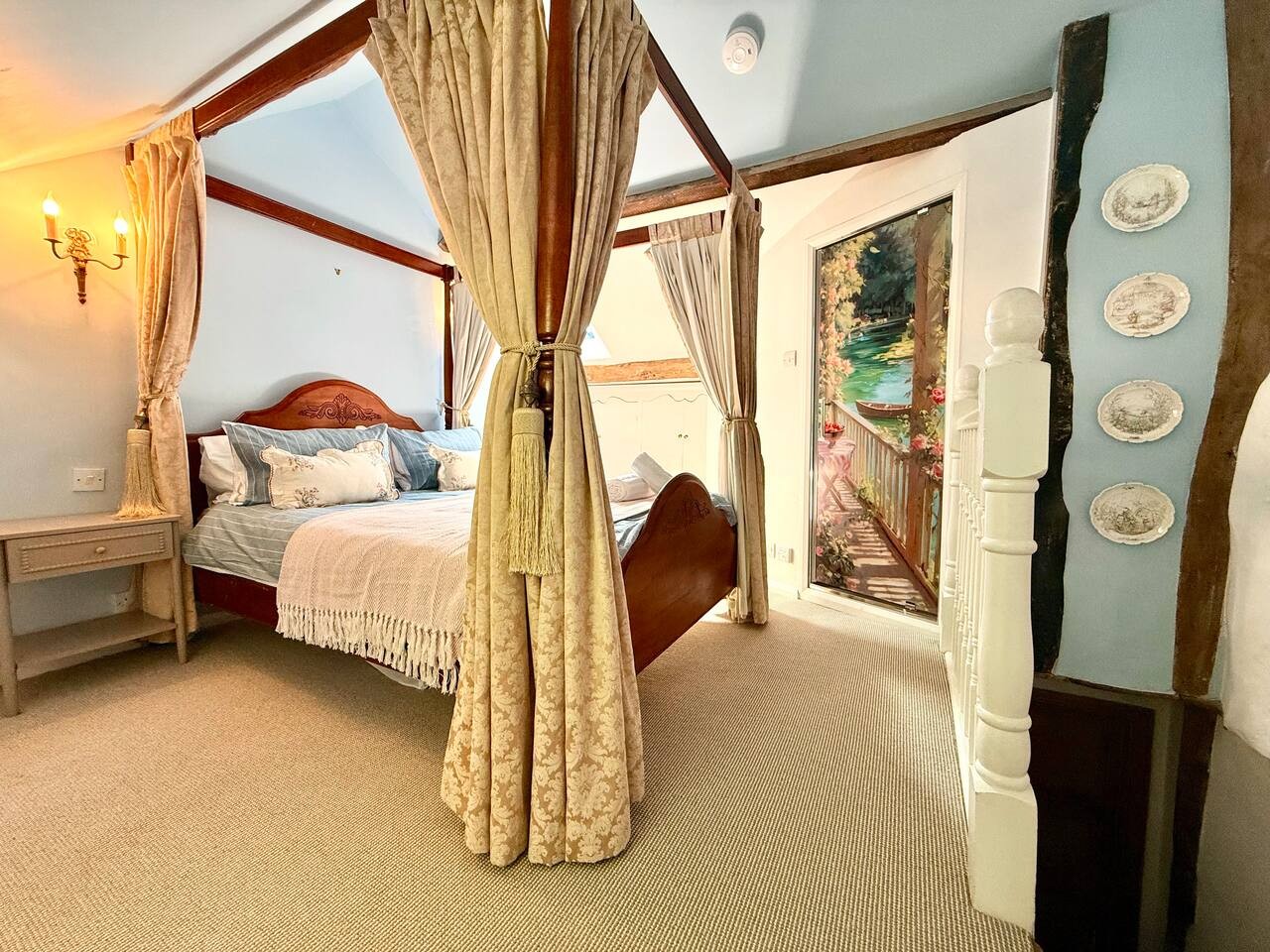
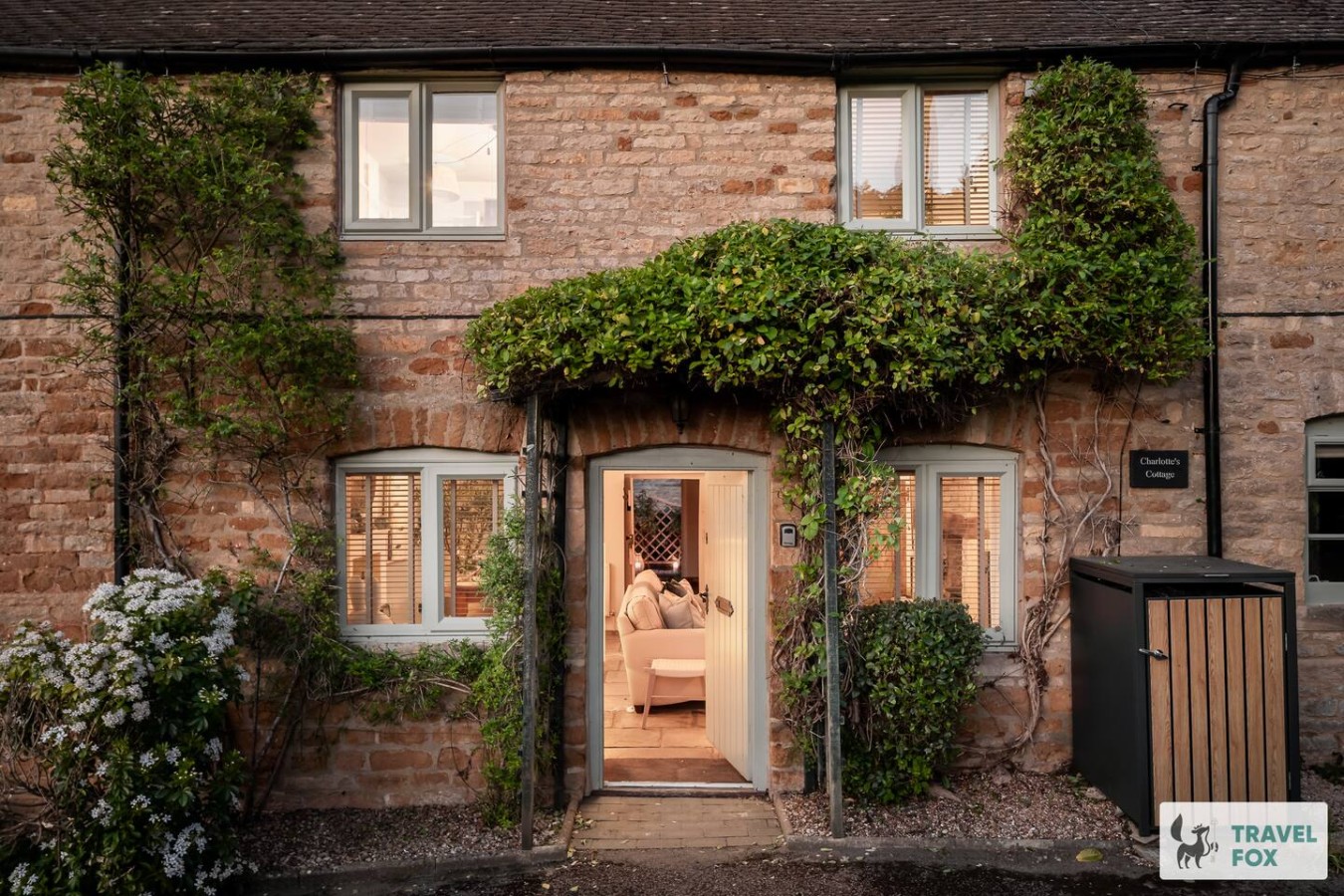
Travel Fox holiday homes around Cotswolds, linked directly to their property pages.
For homeowners
Own a holiday home near Great Rissington?
We manage holiday lets across the Cotswolds from 12% commission, charged after cleaning costs, with no lock-in. A co-founder visits before you decide.
Holiday let management in the Cotswolds →
A guide with a point of view
Written from research. Edited for real journeys.
Use the Official site links for live practical details, then use this guide for context, ideas and room to explore.
Sources
Every place on this page is checked against a published source. Each entry links the record we used and names who publishes it.
- The Lamb Inn — thelambinn.com operator, sector body or destination organisation record not machine-readable; publisher restricts automated access
- St John the Baptist — historicengland.org.uk statutory register or public authority record not machine-readable; publisher restricts automated access
- Great Rissington — Miles without Stiles — cotswolds-nl.org.uk other published source
- Birdland — birdland.co.uk operator, sector body or destination organisation
- Bledington Shop & Café — bledingtonshop.com operator, sector body or destination organisation