
Limestone, lime trees and the Windrush
Windrush
A compact Gloucestershire village centred on a triangular green, with a richly carved Norman church and two contrasting country walks nearby.
- Best for
- Church carving and country walks
- Give it
- A few hours or a full walking day
- Don't miss
- St Peter's beak-head doorway
The Fox verdict
A small village with unusually rich stonework
Windrush pairs a quiet, lime-shaded green with a Grade I church and walks through the surrounding Cotswold landscape.
Come for the two rows of Norman beak-heads at St Peter's, then choose between the three-hour Windrush circuit and the shorter family loop at Sherborne Park Estate. Great Barrington supplies the nearest documented pub, while the Cotswold Wildlife Park offers a nearby family day out.
Where to go
Places in Windrush
Every place below is checked against a published source, listed with what it is and how long to give it.
Local signatures
3 placesChurch of St Peter
A 12th-century church with two rows of beak-heads around its Norman south doorway, a circa-1200 arcade with sheep's-head terminals, animal-head corbels and a 15th-century king-post roof.
- Visit length
- Editorial estimate: around 45 minutes
- Locality
- above a small triangular green with six mature lime trees
The Fox at Barrington
A riverside gastropub with rooms, a restaurant and garden, normally serving two or three cask ales from Donnington Brewery; the King family and team took it over in 2022.
- Visit length
- Editorial estimate: around 90 minutes
- Locality
- Great Barrington
Family Walk at Sherborne Park Estate
A 2.5-mile National Trust circuit through farmland, Sherborne village, the Pleasure Grounds and old quarry workings in Quarry Wood.
- Visit length
- Editorial estimate: Allow around 90 minutes
- Locality
- from Ewe Pen Barn
- Access
- The route is hilly and can be muddy; dogs should be kept under close control.
Walks & outdoors
1 placeWindrush, Sherborne and the Barringtons Circuit
A 6-mile circuit following the River Windrush through Windrush, Little Barrington, Great Barrington and Sherborne, crossing farmland with dry-stone walls, wildflowers and honey-coloured limestone buildings.
- Visit length
- Editorial estimate: Allow around 3 hours
- Locality
- from St Peter's
- Access
- Graded for moderate fitness with possible steep slopes. The source page describes a guided outing, so do not assume a permanent waymarked trail.
Things to do
1 placeCotswold Wildlife Park and Gardens
A family day out with a giraffe walkway, Asiatic lions, white rhinos, penguins, red pandas and other animals.
- Visit length
- Editorial estimate: allow an afternoon
- Locality
- near Burford
No places match this filter. Choose All places to reset the list.
Three ways to explore Windrush
Signature outings
Norman Beak-heads
Look closely at the two rows of small carved birds gripping the Norman south doorway of St Peter's.
The Barringtons Circuit
Trace a six-mile circuit from St Peter's through Little Barrington, Great Barrington and Sherborne, across dry-stone-walled farmland and beside the River Windrush.
Wildlife Near Burford
The wildlife park near Burford combines a raised giraffe walkway with Asiatic lions, white rhinos, penguins and red pandas.
The village story
Windrush Village Guide
The original Travel Fox account of Windrush, from its carved church and lime-shaded green to country walks, quarrying history and nearby family stops.
Church, Green and Vanished Pubs
Two rows of beak-heads run around the Norman south doorway of St Peter's, small carved birds gripping the stone. The church stands above a triangular green planted with six mature lime trees, built from limestone cut in the village itself. Step inside and the older work is everywhere: a king-post roof from the 1400s carried on corbels shaped as animal heads, an arcade of around 1200 ending in sheep's-head terminals, a carved oak pulpit from the seventeenth century, and a fine octagonal font. Henry Woodyer restored the chancel in 1874; many historic features survive.
The green is where four roads meet, on a slope that drops toward the River Windrush. The village and the river share a name, and the water runs on eastward toward the Thames south of Witney. Around the green stand the church, the manor and a cluster of limestone houses, forming the village's central group.
There's no pub in the village these days. A Red Lion was trading here in 1759, and the Fox opened before 1835.
A Riverside Table and Two Circuits
The Fox now sits at Great Barrington, on the river, a gastropub with rooms that the King family took over in 2022. It was once the Wharf Inn, associated by tradition with loading local stone onto river barges. Mike Burkert runs the kitchen: Donnington Gold beer-battered fish, whole grilled sea bream with chimichurri, sweet-pea-and-mint ravioli, wild-mushroom and Taleggio arancini, a goat's-cheese, spinach and onion-chutney pizza. The bar keeps two or three cask ales from Donnington Brewery, and the landlord Terence has held Cask Marque certification for twelve years running. Dogs are welcome, and there is a garden by the water.
If you enjoy walking, this makes a good base. A six-mile circuit from St Peter's follows the Windrush down through Little Barrington, Great Barrington and Sherborne, over farmland walled in dry stone and past honey-coloured houses; allow three hours and expect a few steep pitches. West of the village, the National Trust's Sherborne Park Estate has a shorter two-and-a-half-mile family loop from Ewe Pen Barn, through farmland and old quarry workings in Quarry Wood. It can be muddy, and dogs should be kept close.
Stone Working and Wartime Traces
The stone underfoot has a long working history. Windrush quarries supplied stone for St George's Chapel at Windsor in 1478, and men were still cutting here until 1911. The overgrown pits above the village are what remain of it.
South of the A40, at the highest point of the parish, RAF Windrush trained pilots from 1940 until 29 October 1945. The control tower, a pillbox, a firing butt and a Blister hangar are still out there in the fields.
Historic Buildings and Practical Connections
The Manor by the green mixes a sixteenth-century range with later work up to a 1919 extension; a reset carving shows a bird perched on a bowl and a Hungerford shield dated 1570, the same family whose chapel is in the church. It is a private house. The village hall, up the lane, was the school until it closed, built around 1840, with the Sherborne arms over the porch and a bell near the apex.
The A40 Cheltenham–Oxford road crosses the parish south of the village, and lanes run west to Sherborne and east to the Barringtons. The nearest station is Shipton, about eight miles off by the old road reckoning, though it has no ticket office, machine or waiting room.
Nearby Wildlife and Evening Quiet
Burford, with its long hill of a high street, is under four miles away. Beyond it the Cotswold Wildlife Park keeps Asiatic lions, white rhinos, red pandas and a raised walkway over the giraffes, a good option for a wet afternoon with children.
Back on the green the lime trees do most of the work, shading the triangle of grass. The church stands above, the river runs below, and in the evening the village feels quiet.
Stay around Cotswolds
Make a longer stay of it
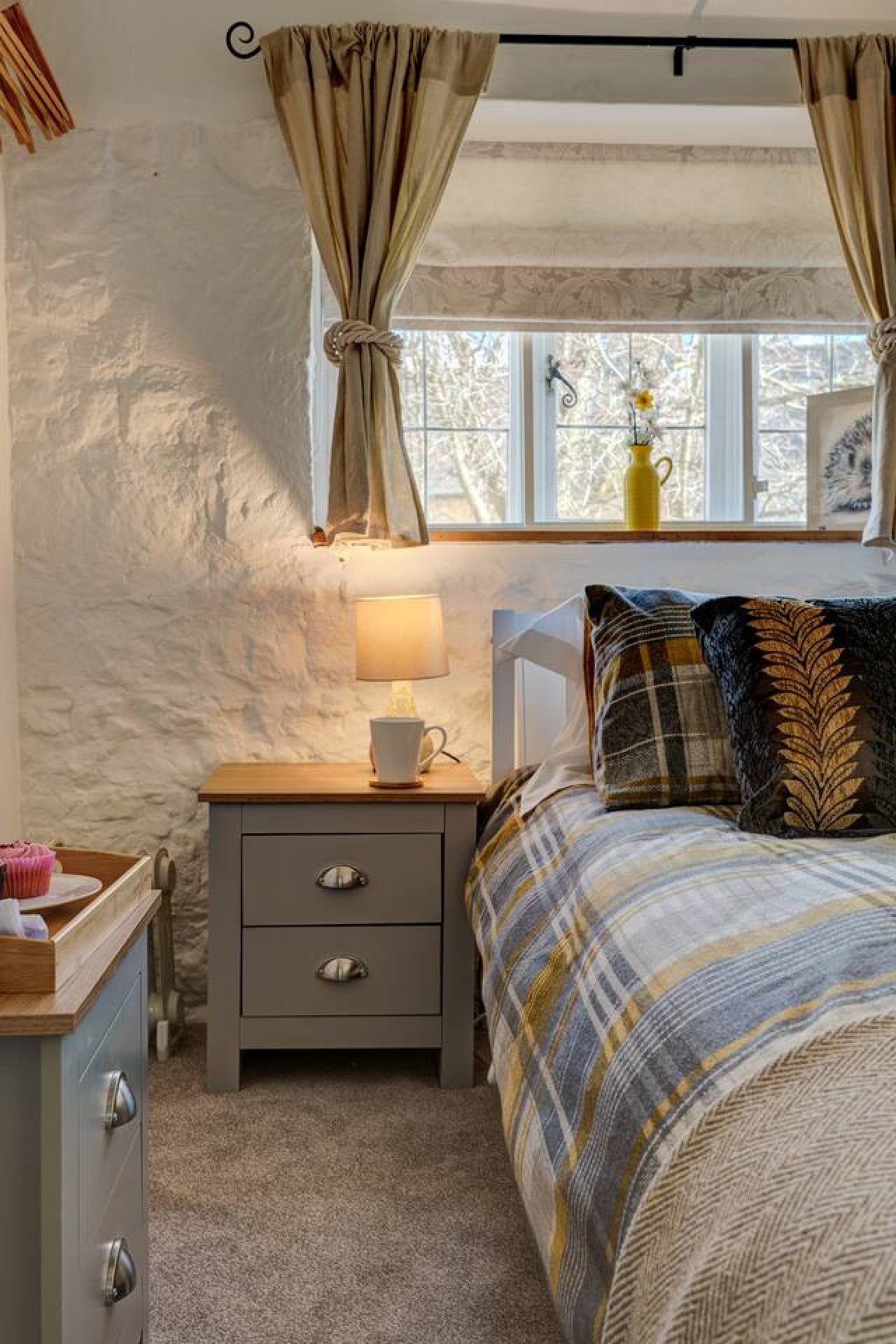
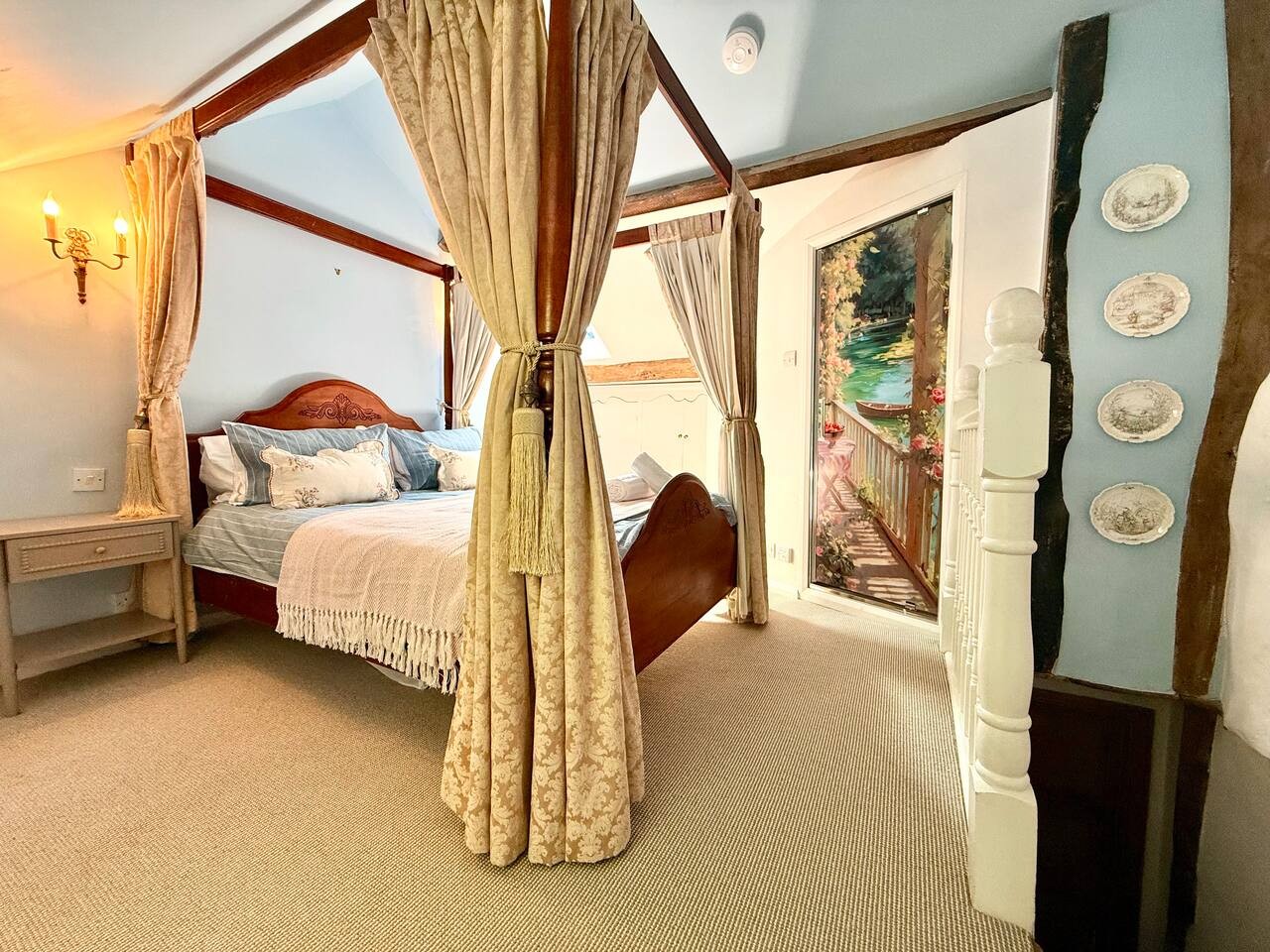
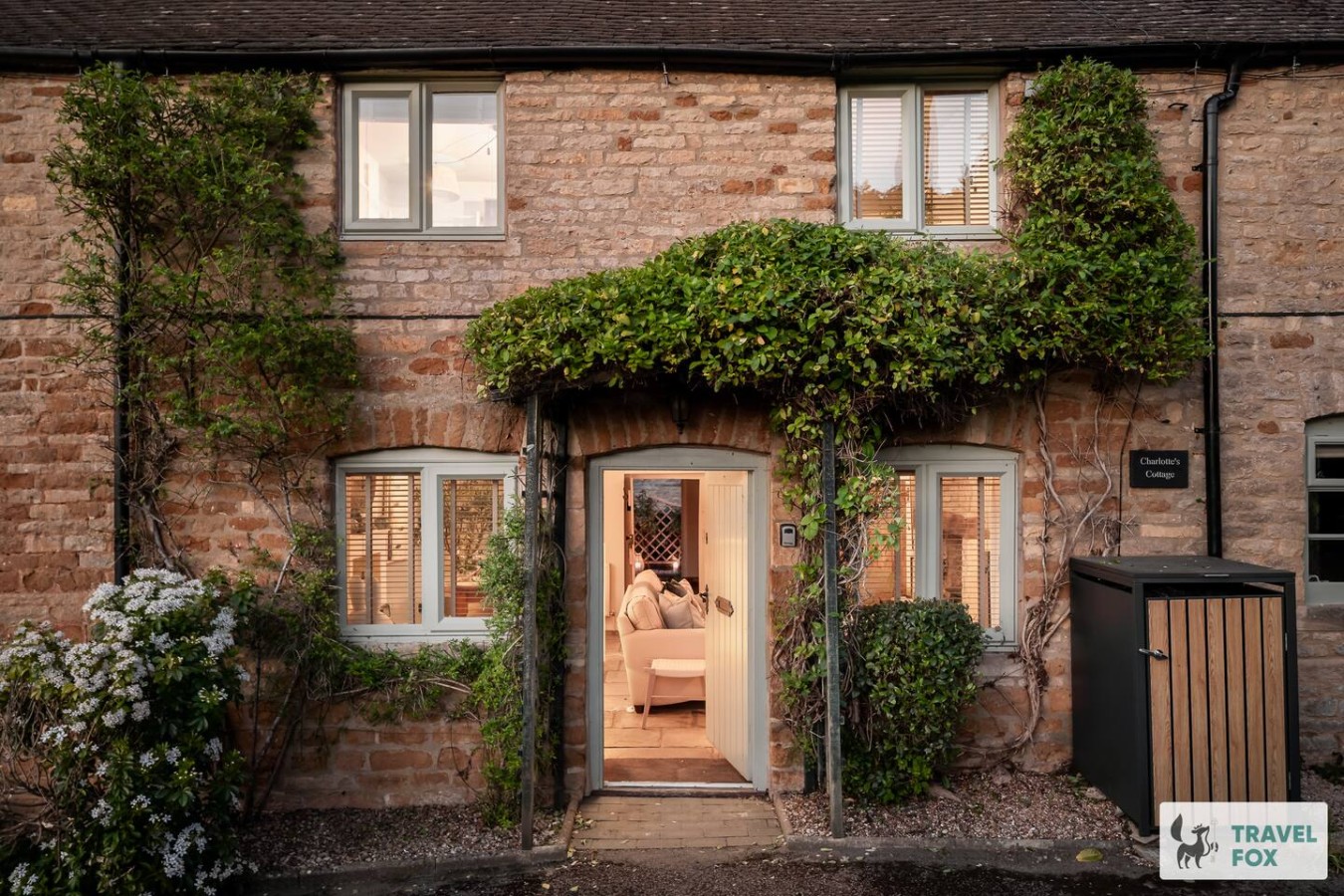
Travel Fox holiday homes around Cotswolds, linked directly to their property pages.
For homeowners
Own a holiday home near Windrush?
We manage holiday lets across the Cotswolds from 12% commission, charged after cleaning costs, with no lock-in. A co-founder visits before you decide.
Holiday let management in the Cotswolds →
A guide with a point of view
Written from research. Edited for real journeys.
Use the Official site links for live practical details, then use this guide for context, ideas and room to explore.
Sources
Every place on this page is checked against a published source. Each entry links the record we used and names who publishes it.
- Church of St Peter — historicengland.org.uk statutory register or public authority record not machine-readable; publisher restricts automated access
- The Fox at Barrington — thefoxatbarrington.com operator, sector body or destination organisation
- Windrush, Sherborne and the Barringtons Circuit — cotswolds-nl.org.uk other published source
- Family Walk at Sherborne Park Estate — nationaltrust.org.uk national body or asset manager
- Cotswold Wildlife Park and Gardens — cotswoldwildlifepark.co.uk operator, sector body or destination organisation