
Stone and valley
Taynton
A mellow limestone village above the Windrush, shaped by quarrying, winding lanes and a church rich in carved detail.
- Best for
- Church carving and Windrush Valley walks
- Give it
- A quiet village visit with time for a nearby walk
- Don't miss
- The church font's angels, Evangelists and mermaid
The Fox verdict
A limestone village with an extraordinary legacy
Taynton is small and short on present-day amenities, but its church, quarrying story and Windrush Valley setting reward an unhurried visit.
The village's pale freestone travelled to Oxford colleges, Windsor Castle, Eton, St Paul's Cathedral and Blenheim Palace. In Taynton itself, mellow stone cottages, high walls and winding lanes lead to the Grade II* Church of St John the Evangelist, while nearby routes follow the Windrush Valley towards Great Barrington and Burford.
Where to go
Places in Taynton
Every place below is checked against a published source, listed with what it is and how long to give it.
Local signatures
3 placesChurch of St John the Evangelist
A Grade II* church with a nave and north aisle dating to about 1360. Look for ballflower ornament, carved-head corbels, gilded roof bosses and the 15th-century font, where angels and Evangelists alternate with creatures including a mermaid.
- Visit length
- Editorial estimate: Allow around 40 minutes
- Locality
- Taynton
Cotswold Wildlife Park and Gardens
A nearby family day out at Bradwell Grove near Burford.
- Visit length
- Editorial estimate: Allow around two and a half hours
- Locality
- Bradwell Grove, Burford, Oxfordshire
Lodge Park and Sherborne Park Estate
A National Trust estate with wildlife-rich walks and England's only surviving 17th-century grandstand.
- Visit length
- Editorial estimate: Allow around 90 minutes
- Locality
- Aldsworth
- Access
- The house and estate have different opening patterns; check the Official site for date-specific access.
Food & drink
1 placeThe Fox at Barrington
A riverside gastropub and seven-room inn with a log-burner bar, restaurant and garden for alfresco dining beside the River Windrush.
- Visit length
- Editorial estimate: Allow around 75 minutes
- Locality
- Great Barrington
History & heritage
1 placeThe Tolsey Museum
A local-history museum in Burford's historic Tolsey, holding material from the town's long trading history.
- Visit length
- Editorial estimate: Allow around 45 minutes
- Locality
- 126 High Street, Burford
No places match this filter. Choose All places to reset the list.
Three ways to explore Taynton
Signature outings
Riverside lunch
Settle into The Fox at Barrington's log-burner bar or its garden for alfresco dining beside the River Windrush.
Burford's historic Tolsey
Visit the historic Tolsey at 126 High Street to explore material from Burford's long trading history.
A singular grandstand
Combine wildlife-rich estate walks with England's only surviving 17th-century grandstand at Lodge Park.
The village story
Taynton Village Guide
A quiet upper-Windrush village whose pale freestone, richly carved church and vanished trades tell a story far larger than its present-day size.
A Vanished Shop and a Limestone Village
On the front of No. 38, beneath a stone door hood, a painted inscription still reads "William Clark, Dealer in Tea, Coffee, Tobacco and Snuff." It is a mid-18th-century house that was once a shop, and the sign has outlasted the shop itself. There is no store in Taynton now, no post office and no school, though the school building went up in 1877 and a post office was trading by the 1890s. For tea, coffee and anything else, you drive the two miles south-east to Burford.
Almost everything here is built of the same stone: a mellow, pale limestone, laid up in cottages and high garden walls under stone-slate roofs, with mullioned windows and no obvious plan. The houses, mostly 17th and 18th century, sit along winding lanes rather than a street, and the shallow, tree-filled valley keeps them out of sight until you are almost among them. Coombe Brook runs through the settlement; the Windrush loops past to the south. West Oxfordshire's conservation appraisal calls the place "a time capsule little altered since the 18th century," and the description is hard to argue with.
Riverside Food and Windrush Walks
For a meal you cross the county boundary to The Fox at Barrington, a riverside inn with a log-burner bar and a garden beside the river. The King family, who also run The Angel at Burford, took it over in early 2022 and refurbished the bar, restaurant and seven bedrooms; Mike Burkert leads the kitchen. The March 2026 menu listed Donnington Gold beer-battered fish with fat chips and mushy peas, roast lamb rump with new potatoes and basil pesto, grilled swordfish with samphire and a tartare-butter sauce, and a spiced lentil dhal with charred romanesco. The pie of the day is shortcrust. Dogs are welcome, which along a valley made for walking is worth knowing.
The walking is the reason to stay. Public footpaths and bridleways cross the parish and link out towards Great Barrington, Fulbrook, Burford and the Windrush meadows. A five-mile route between Great Barrington and Burford follows the valley floor past river footbridges, estate cottages and woodland, with Taynton sitting just above it; a longer circuit of about seven and a half miles loops out from Burford through both Barringtons and returns through the fields.
Angels, a Mermaid and Six Bells
The church of St John the Evangelist stands Grade II*, its nave and north aisle from about 1360, the south aisle around 1500, the chancel rebuilt in the 1860s. The north aisle carries ballflower carving; carved heads look down from the corbels, and the roof is ribbed with gilded bosses. The font is the thing to find: a 15th-century octagonal bowl on which kneeling angels alternate with the Evangelists and a scatter of creatures, one of them a mermaid. A painted royal coat of arms, dated to 1714–1801, hangs over the south door, the parish chest is dated 1609, and in the churchyard Admiral Thomas Gilbert's 1902 gravestone is cut with naval scenes. Six bells hang in the tower, most of them cast by Bonds of Burford.
Stone Sent Out into the World
Taynton's real export was the ground it stands on. The pale freestone under the village was quarried by the 11th century, probably by the Romans before that, and went into Oxford's colleges, Windsor Castle, Eton, St Paul's Cathedral and Blenheim Palace. Thomas Strong, Wren's master mason at St Paul's, came from here; the house he built in 1676, with decorated cross-gables, still stands. Robert Plot recorded that Sir Compton Reade once had a mash tun cut from Taynton stone large enough to hold some 2,400 litres, and that 21 horses dragged it the four miles to Shipton-under-Wychwood. The quarry itself worked until the end of the 1990s. When the Domesday commissioners came in 1086 they found fifty-one households, two mills and 170 acres of meadow, and valued the manor at fifteen pounds.
Minor Lanes into Taynton
Getting here means minor lanes. Shipton station is the nearest at just over four miles, but it is barely served; a Friday Villager bus also runs through the village, and arriving by car is likely easiest. In the evening the lanes empty, the walls hold the day's warmth, and the loudest thing is the brook.
Stay around Cotswolds
Make a longer stay of it
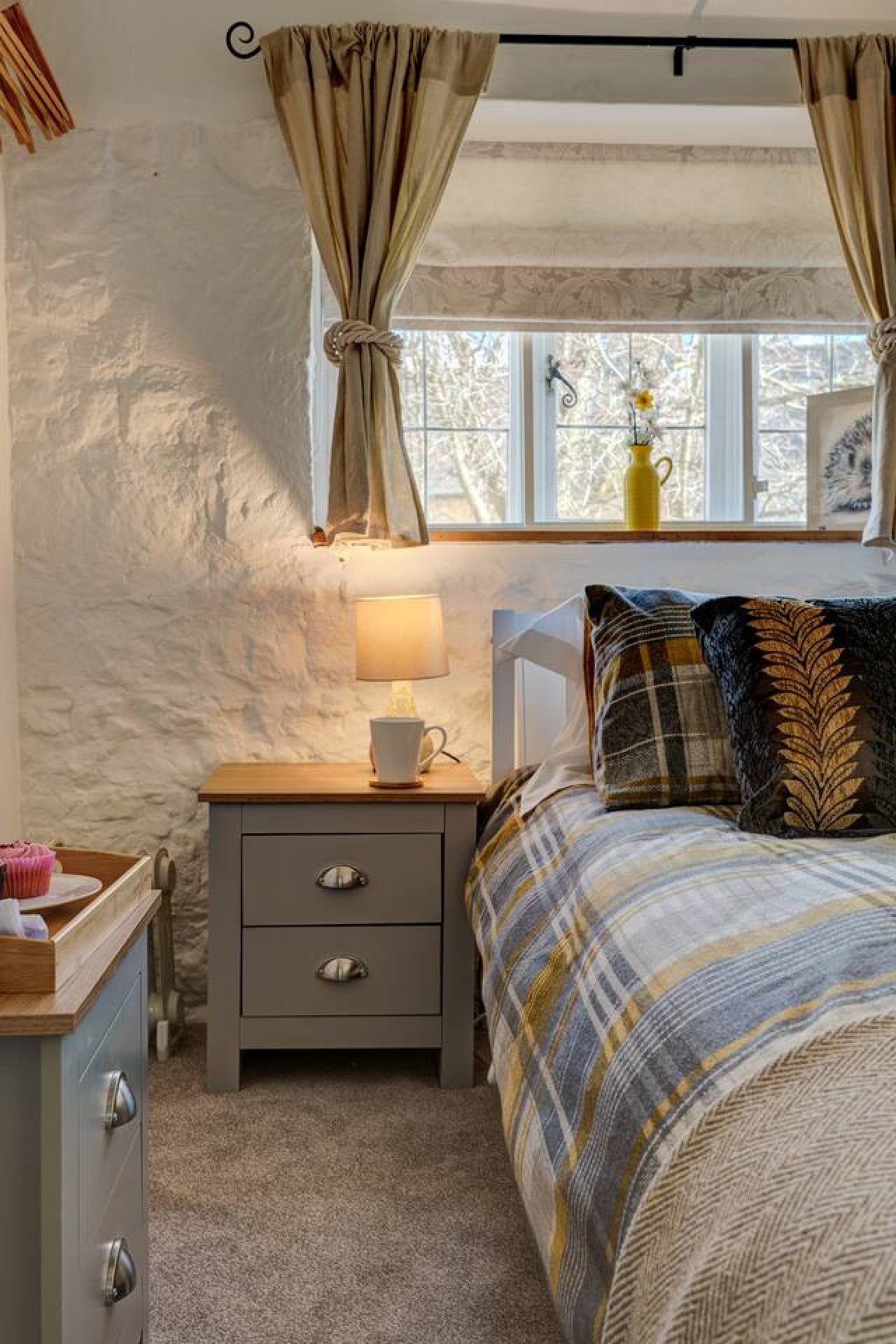
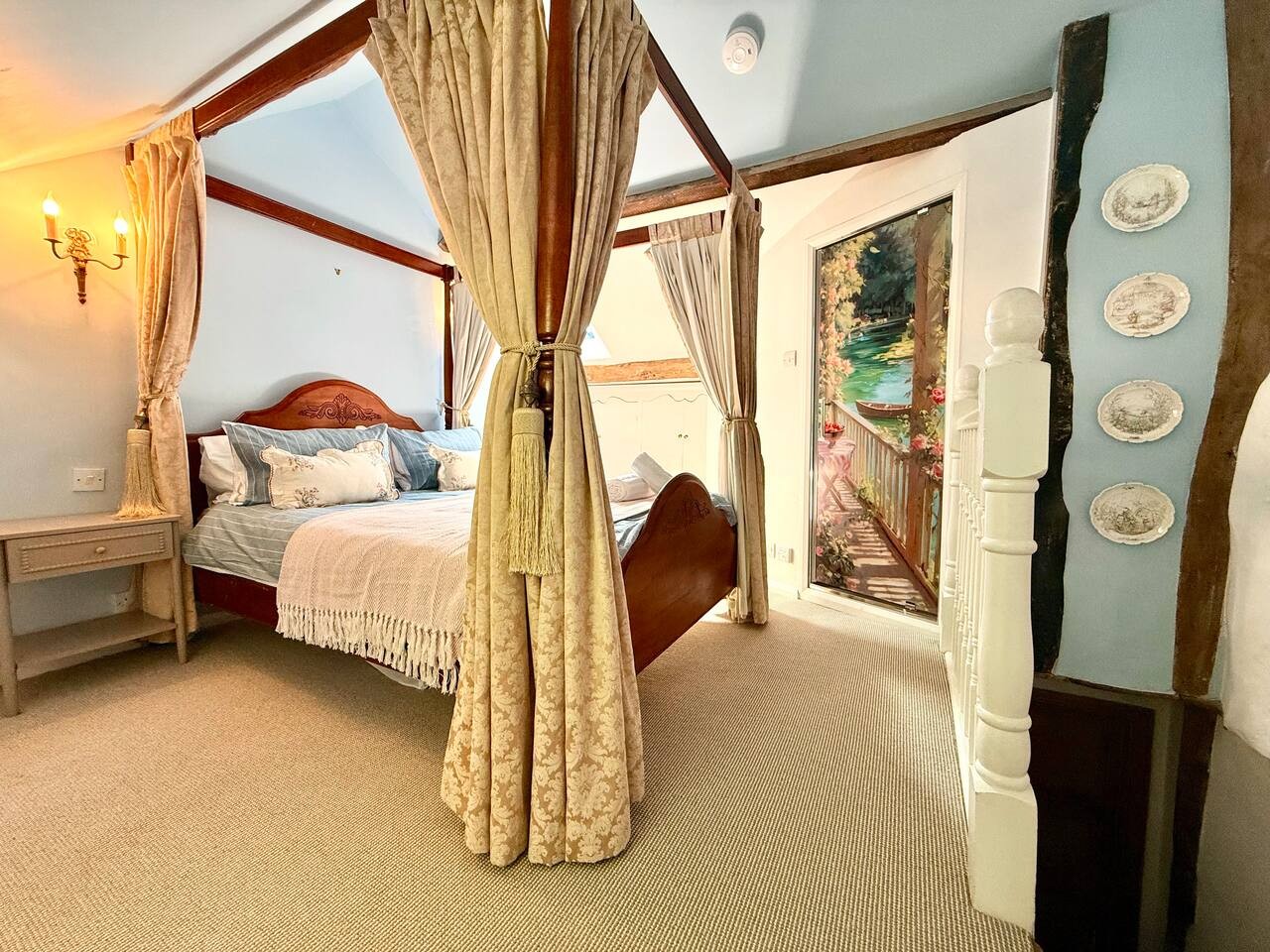
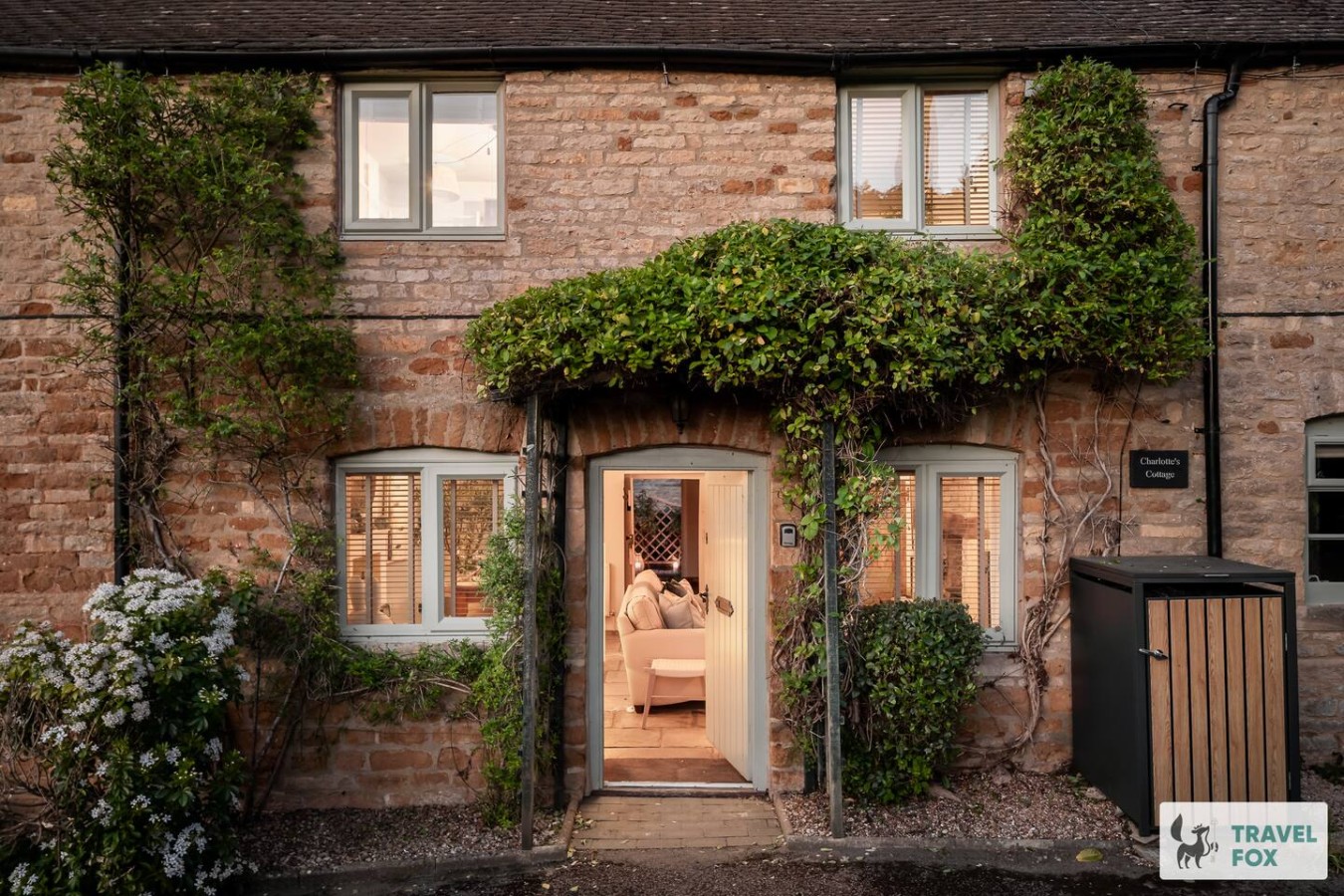
Travel Fox holiday homes around Cotswolds, linked directly to their property pages.
For homeowners
Own a holiday home near Taynton?
We manage holiday lets across the Cotswolds from 12% commission, charged after cleaning costs, with no lock-in. A co-founder visits before you decide.
Holiday let management in the Cotswolds →
A guide with a point of view
Written from research. Edited for real journeys.
Use the Official site links for live practical details, then use this guide for context, ideas and room to explore.
Sources
Every place on this page is checked against a published source. Each entry links the record we used and names who publishes it.
- Church of St John the Evangelist — historicengland.org.uk statutory register or public authority record not machine-readable; publisher restricts automated access
- The Fox at Barrington — thefoxatbarrington.com operator, sector body or destination organisation
- The Tolsey Museum — burfordtolsey.org operator, sector body or destination organisation
- Cotswold Wildlife Park and Gardens — cotswoldwildlifepark.co.uk operator, sector body or destination organisation
- Lodge Park and Sherborne Park Estate — nationaltrust.org.uk national body or asset manager