
Oxfordshire's muddy-water village
Fulbrook
A small Cotswold village one mile from Burford, pairing Romanesque churchwork and a family-run free house with river-valley walking.
- Best for
- Church detail, pub food and river-valley walking
- Pair it with
- Burford across the River Windrush
- Don't miss
- The Romanesque arch and ancient churchyard yew
The Fox verdict
A small village with substantial history
Fulbrook rewards a focused visit: church stonework, a characterful free house and a genuine walking link to Burford.
Come for the twelfth-century core of St James the Great and the Carpenters Arms, then extend the day across the Windrush or towards the nearby wildlife park and medieval ruins.
Where to go
Places in Fulbrook
Every place below is checked against a published source, listed with what it is and how long to give it.
Local signatures
3 placesThe Carpenters Arms
A family-run country pub and free house with a large garden, a children's play area, changing cask ales and sample menus that can change.
- Visit length
- Editorial estimate: allow around 75 minutes
- Locality
- Fulbrook
- Access
- Online menus are samples and dishes may not always be available.
Church of Saint James the Great
A Grade II* church with a twelfth-century core, Romanesque round chancel arch and font, plus a churchyard yew described as more than 1,000 years old.
- Visit length
- Editorial estimate: allow around 45 minutes
- Locality
- Fulbrook
Fulbrook–Burford Walk
A one-mile link between Fulbrook and Burford that makes the neighbouring market town a realistic walk rather than merely a drive.
- Visit length
- Editorial estimate: allow around 30 minutes one way
- Locality
- Between Fulbrook and Burford
History & heritage
2 placesTolsey Museum
A museum in a sixteenth-century former merchants' meeting place, among Burford's historic High Street, independent shops, antiques and galleries.
- Visit length
- Editorial estimate: allow around 30 minutes
- Locality
- Burford
Minster Lovell Hall and Dovecote
Extensive riverside remains of a fifteenth-century manor, retaining the hall, tower and nearby dovecote.
- Visit length
- Editorial estimate: allow around 60 minutes
- Locality
- Minster Lovell
Things to do
1 placeCotswold Wildlife Park and Gardens
A walking-safari-style mix of zoo and safari park with landscaped animal enclosures, picnic lawns and the Skymaze adventure playground.
- Visit length
- Editorial estimate: allow around 180 minutes
- Locality
- On the A361 south of Burford
No places match this filter. Choose All places to reset the list.
Three ways to explore Fulbrook
Signature outings
A Family-Run Free House
Choose from sample menus at a country pub with changing cask ales, a large garden and a children's play area.
A Walking-Safari Outing
Combine landscaped animal enclosures and picnic lawns with the Skymaze adventure playground.
Riverside Hall Ruins
Explore the surviving hall, tower and nearby dovecote of a manor built in the 1430s.
The village story
Fulbrook Village Guide
A family-run free house, Romanesque churchwork and a muddy-water name frame this small village beside Burford.
A Free House with an Ambitious Kitchen
The Carpenters Arms sits in Fulbrook, a short walk from Burford, run by Tom and Siobhan, who met working in hotels and restaurants and now run it as a free house. Tom cooked at Humphreys at Stoke Park before this, and it shows in a kitchen careful enough to label its own menus as samples and warn that the thing you fancied last week may not be on today.
When the sample Sunday menu runs in full it moves from wild-mushroom arancini with confit-garlic aioli through pan-fried king scallops with roasted-red-pepper tapenade, sea-buckthorn gel and dill, to a butternut-squash, wild-mushroom and spinach Wellington. There is Longhorn rump of beef and Cotswold pork loin for anyone who wants the plain version of Sunday, and afterwards sticky-toffee pudding or a banoffee pie assembled from banana crémeux, caramelised banana, milk-chocolate ice cream and rum caramel.
Family Welcome and the Burford Link
The garden is large, with a play area at one end, and dogs are welcome. The bar keeps two or three changing cask ales rather than anything you can plan a visit around, and there is a real fire, a children's menu and a quiz on Wednesdays. The bathrooms run to baby-changing, potty seats and small steps, which settles any question about who the pub is for.
For shops and more food options, you walk to Burford, a mile off with the River Windrush lying between the two. It is a genuine walk rather than a drive. The market town has a steep historic High Street, independent shops, antiques and galleries, and the Tolsey Museum in a sixteenth-century former merchants' meeting place.
Walking Country and Romanesque Stone
For a longer outing, the Swinbrook and Fulbrook Circular runs 4.4 miles with about 610 feet of climbing, usually reckoned at two to two-and-a-half hours. It crosses woodland and open country with river views, and the ground can be muddy; the waymarking is imperfect and there is a short stretch on the main road out of Burford, so take an OS map.
The church, St James the Great, is Grade II* and mostly twelfth-century at its core, with a Romanesque round chancel arch and a round stone font of the same period. Its churchyard holds a yew reckoned to be more than a thousand years old and over nineteen feet round, which puts the twelfth-century stonework in its place. Fulbrook has no conventional village hall; the rear of the church was converted into the Fulbrook Meeting Place, with an events space, a kitchen and a WC, and that is what the newsletters call the hall.
Muddy-Water History and Wider Outings
The name is older than any of it. Domesday records the place as Fulebroc, "foul brook", after a tributary that muddies as it runs down the valley to the Windrush. A local village plan once headed a section "Fulbrook – a lot of history for some muddy water". The Domesday surveyors valued the parish at sixteen pounds in both 1066 and 1086, with forty-one households and a single mill worth ten shillings. Ladyham, the timber-framed house dated 1583 above its door, was for a time the home of the novelist and composer Sir Compton Mackenzie.
Getting here is by road more than rail. The A361 passes through the village and meets the A424 at Fulbrook roundabout. The nearest station is Shipton, a few miles off but with a very sparse service; Charlbury or Kingham are the sensible options for trains. Buses through the village are thin, so check the current timetable before relying on one. Two miles south of Burford's junction with the A40, the Cotswold Wildlife Park lays out its walking-safari enclosures and the Skymaze playground, and a little further the riverside ruins of Minster Lovell Hall stand where a fifteenth-century manor once did.
The Chapel Stone That Survived
When the Wesleyan chapel was pulled down in 1957 to widen the road, someone reportedly reset the stone that carried its date and a line from Matthew into a dry-stone wall near where the chapel had stood.
Stay around Cotswolds
Make a longer stay of it
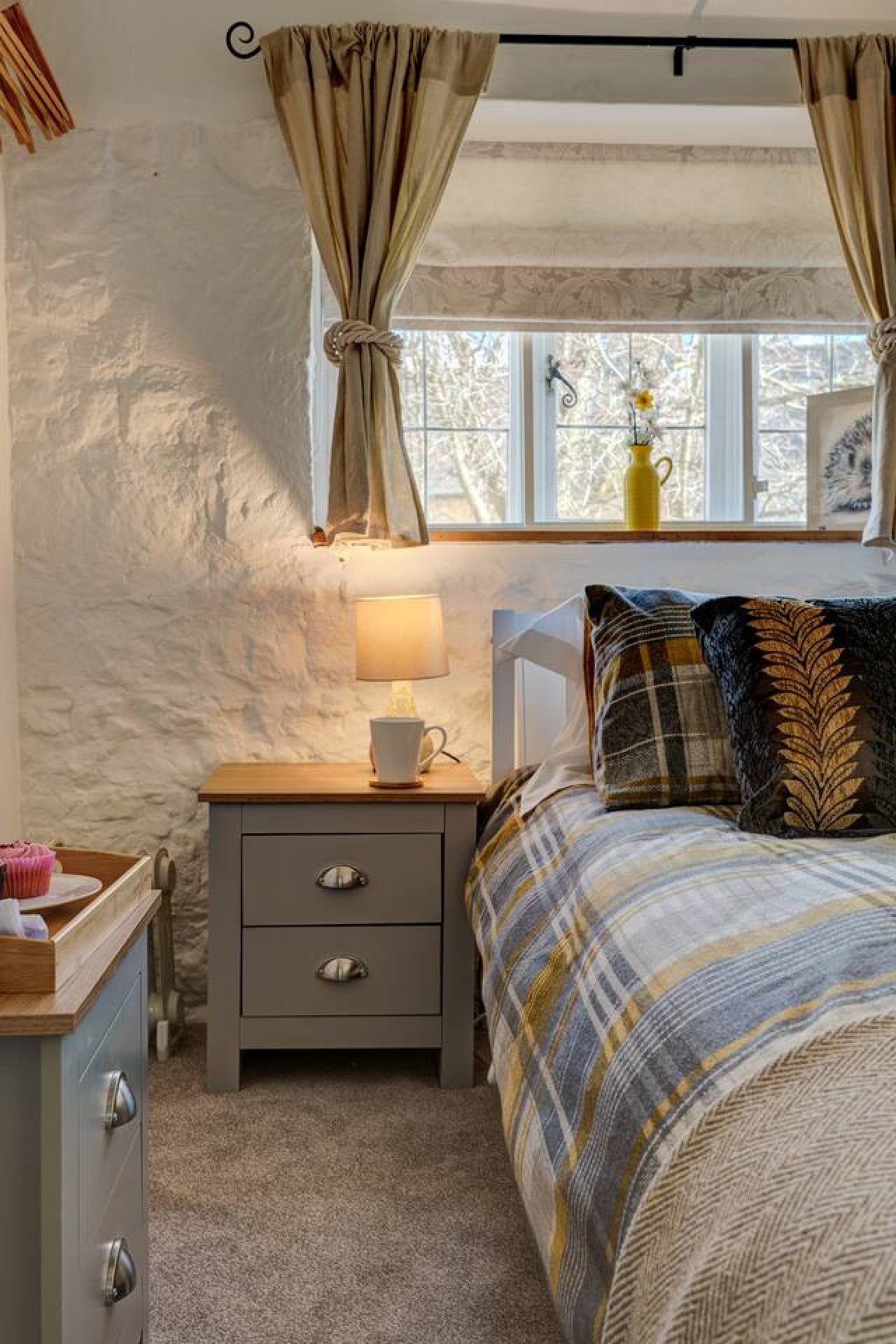
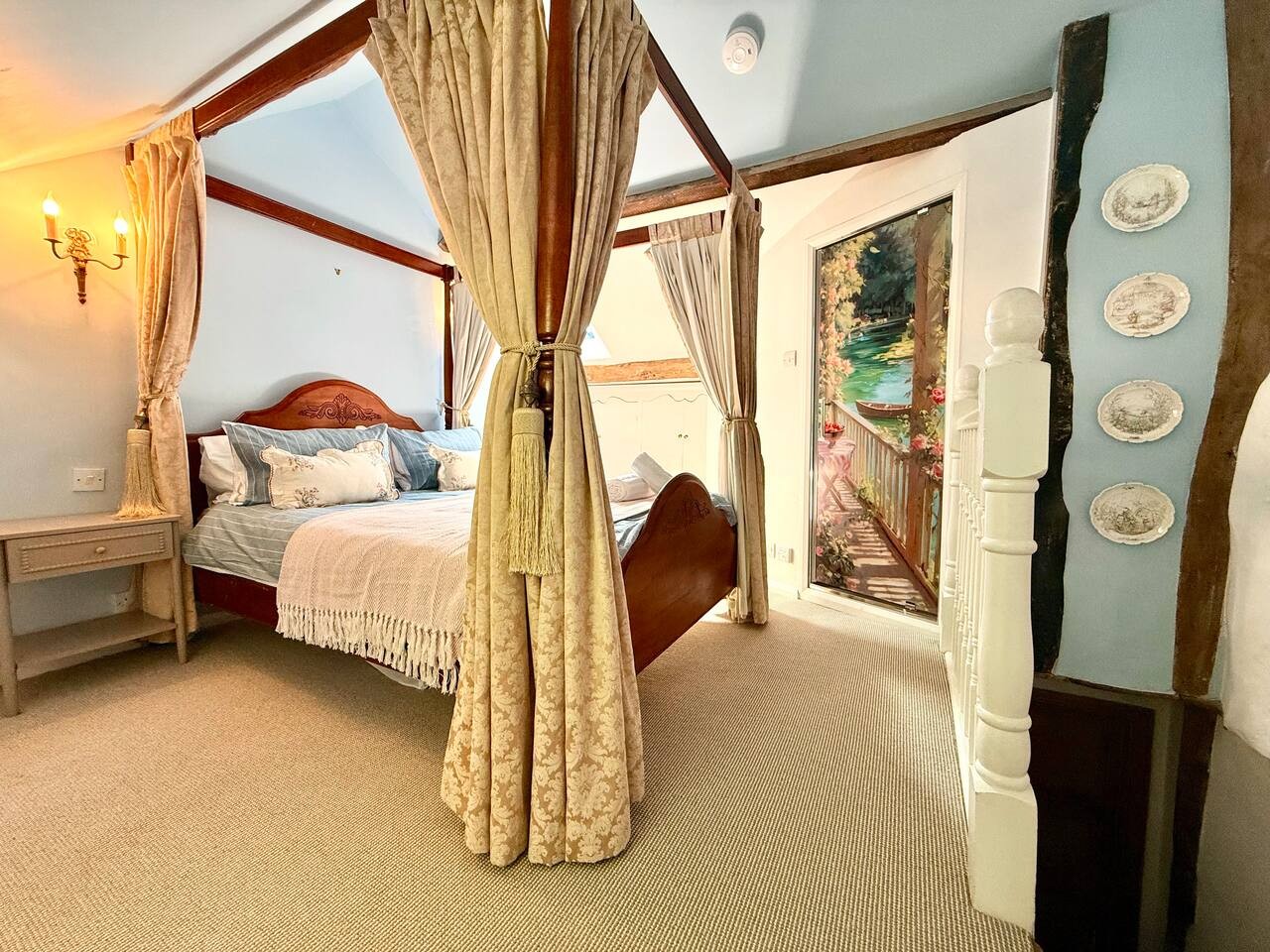
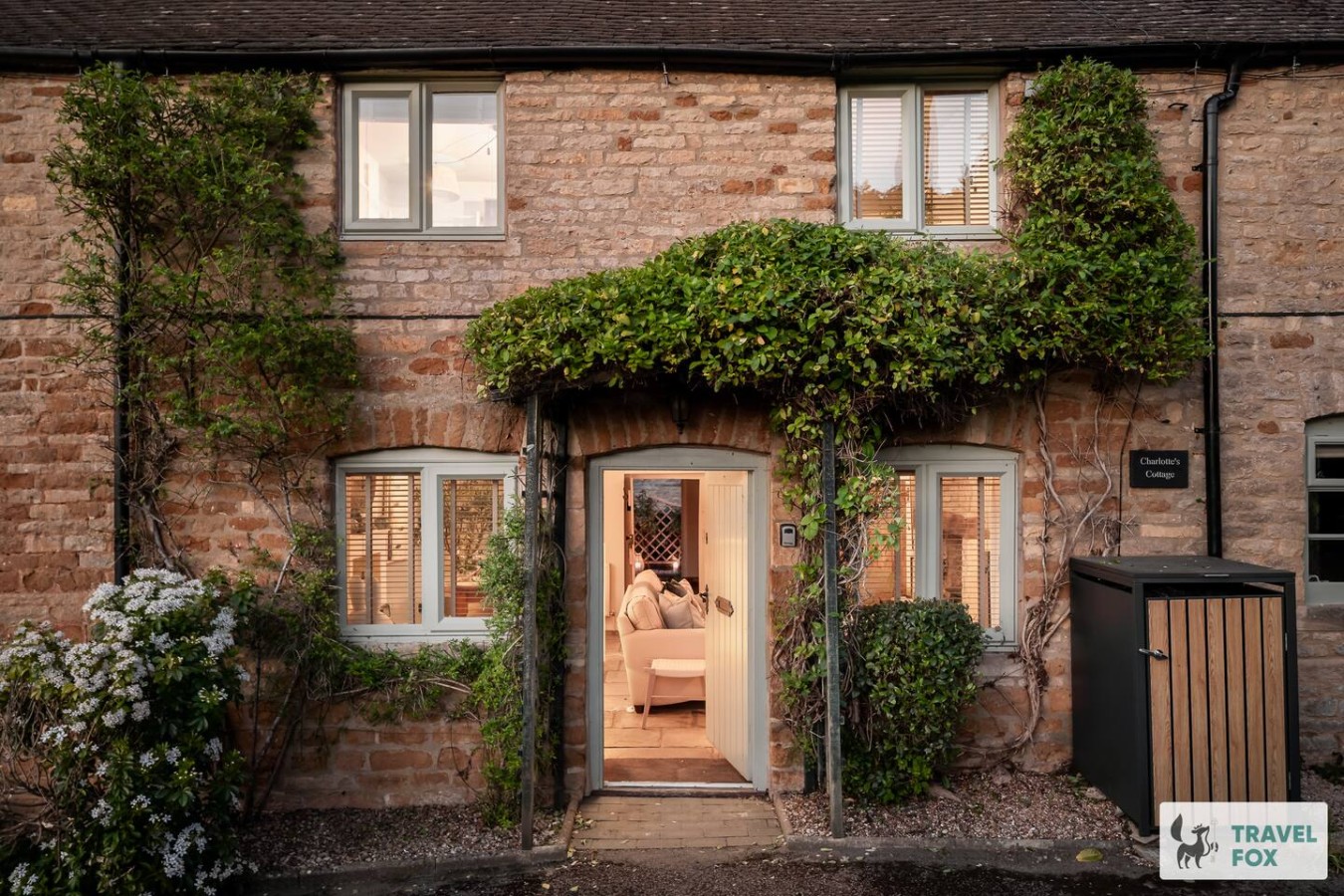
Travel Fox holiday homes around Cotswolds, linked directly to their property pages.
For homeowners
Own a holiday home near Fulbrook?
We manage holiday lets across the Cotswolds from 12% commission, charged after cleaning costs, with no lock-in. A co-founder visits before you decide.
Holiday let management in the Cotswolds →
A guide with a point of view
Written from research. Edited for real journeys.
Use the Official site links for live practical details, then use this guide for context, ideas and room to explore.
Sources
Every place on this page is checked against a published source. Each entry links the record we used and names who publishes it.
- The Carpenters Arms — thecarpentersarmsfulbrook.co.uk operator, sector body or destination organisation
- Church of Saint James the Great — historicengland.org.uk statutory register or public authority record not machine-readable; publisher restricts automated access
- Fulbrook–Burford Walk — fulbrookparishcouncil.gov.uk statutory register or public authority
- Tolsey Museum — burford-tc.gov.uk statutory register or public authority
- Cotswold Wildlife Park and Gardens — cotswoldwildlifepark.co.uk operator, sector body or destination organisation
- Minster Lovell Hall and Dovecote — english-heritage.org.uk national body or asset manager