
Two villages in the Evenlode valley
Oddington
Lower and Upper Oddington sit within a mile of each other, with historic churches, a Cotswold inn and footpaths through the surrounding countryside.
- Best for
- Medieval church art and country walking
- Village layout
- Lower and Upper Oddington are within a mile of each other
- Don't miss
- The circa-1340 Doom painting at St Nicholas' Church
The Fox verdict
Two linked villages with an extraordinary old church
Oddington pairs the compact Lower village with Upper Oddington beside the Henbrook, while St Nicholas' stands apart in a wooded vale.
The defining visit is the old church and its vast medieval Doom painting, balanced by local walking, the newer Church of the Ascension and food at The Fox or nearby Daylesford Organic.
Where to go
Places in Oddington
Every place below is checked against a published source, listed with what it is and how long to give it.
Local signatures
3 placesThe Fox at Oddington
A 19th-century Cotswold inn serving reimagined pub classics, seasonal produce and wood-fired pizzas, with rooms upstairs.
- Visit length
- Editorial estimate: around 90 minutes
- Locality
- High Street, Lower Oddington
Church of the Holy Ascension
Built in 1852 in 13th-century style, the newer church has a chancel, four-bay nave, north aisle and bellcot.
- Visit length
- Editorial estimate: around 30 minutes
- Locality
- between the two villages
Daylesford Organic Farmshop
A nearby Cotswold food destination with a farmshop, café and spa on the Daylesford estate.
- Visit length
- Editorial estimate: around 90 minutes
- Locality
- nearby to the north-east
Walks & outdoors
1 placeStow-on-the-Wold to Broadwell and Oddington Route
A Cotswolds National Landscape guided walking route connecting Stow-on-the-Wold, Broadwell and Oddington.
- Visit length
- Editorial estimate: around 150 minutes
- Locality
- Stow-on-the-Wold, Broadwell and Oddington
History & heritage
1 placeSt Nicholas' Church
The Grade I-listed old church contains a circa-1340 Doom painting roughly 32 feet long and 15 feet high on the north wall of the nave.
- Visit length
- Editorial estimate: around 60 minutes
- Locality
- down a long lane in a wooded vale
No places match this filter. Choose All places to reset the list.
Three ways to explore Oddington
Signature outings
The Doom at St Nicholas'
Take in the circa-1340 Last Judgement painting, roughly 32 feet long and 15 feet high, filling much of the nave's north wall.
Wood-fired food at The Fox
Choose from reimagined pub classics, seasonal produce and wood-fired pizzas at the Lower Oddington inn.
Stow, Broadwell and Oddington
Follow the Cotswolds National Landscape guided route linking Stow-on-the-Wold, Broadwell and Oddington.
The village story
Oddington Village Guide
Two Cotswold villages, two inns, a medieval Doom painting and walking routes through the Evenlode valley.
The Fox and the Two Oddingtons
The Fox at Oddington has a wood-fired oven and the log fires that reviewers keep mentioning before they get round to the food. It sits on the High Street in Lower Oddington, a 19th-century inn with flagged floors and exposed stone, now run as part of the Daylesford Organic collection. The menu runs from wood-fired pizza to Hereford sirloin on the bone, with ingredients coming off the Daylesford farm and its sister farm at Wootton. There are rooms upstairs done out with equestrian detailing, and a separate four-bedroom house across the street called the Coachman's. Thursday is DJ and pizza night. It's rated 4.1 on Tripadvisor across more than 800 reviews, and it's in the Michelin Guide, though opinions on the food are more mixed than the ones on the fires.
Oddington is really two villages a mile apart. Lower Oddington is compact, sat on the old main road; Upper Oddington straggles uphill beside a brook called the Henbrook. The whole civil parish held 417 people at the last census, down from a peak of 588 in 1861.
The Horse & Groom and Local Provisions
Up in Upper Oddington is the Horse & Groom, a 16th-century inn with a steak and seafood grill inside it called the Henbrooks. Norman Liu and Warren Turner bought it in 2019. The kitchen does seabass, scallops and a Sunday roast the reviewers single out, with a weekly-changing guest ale usually from a local brewery and a long list of gins. It's on the Top 50 Gastropubs list, rated 4.3 on Tripadvisor and 4.7 with OpenTable diners. Not a cheap night out, by most accounts, but people say it earns it.
There's no shop, butcher or bakery in either village. Daylesford's farmshop is close to the north-east, and Stow-on-the-Wold is two miles off for anything else, with Moreton-in-Marsh and its Tuesday market a couple of miles further on.
St Nicholas' and the Doom
Half a mile from the houses, down a long lane in a wooded vale, stands St Nicholas', the old church. Philip Wilkinson calls the setting "a trip down a long lane to a spot far away from houses and wonderfully quiet." The reason people make the trip is on the north wall of the nave: a Doom painting from around 1340, roughly 32 feet long and 15 feet high, reckoned perhaps the largest in Britain. Christ sits enthroned with an orb of the world between his feet; angels sound trumpets to wake the dead; on the right, devils work bellows on hellfire and there's a gibbet with a hanging figure, which is unusual. It was whitewashed at the Reformation and only rediscovered in 1912. A newer church, the Church of the Ascension, was built between the two villages in 1852 because the old one was inconveniently far.
Footpaths through the Valley
The walking is the reason to stay put. Circular routes link the Oddingtons using the Macmillan Way, Monarch's Way and Gloucestershire Way, and one runs on to Adlestrop — the village of Edward Thomas's poem — and the Daylesford estate.
Domesday and Edward Chamberlayne
The Domesday surveyors valued the place at six pounds in 1066. Twenty years later it was worth ten. Edward Chamberlayne, who wrote a book called The Present State of England, was born here in 1616, which for a village this quiet is about as busy as it gets.
Stay around Cotswolds
Make a longer stay of it
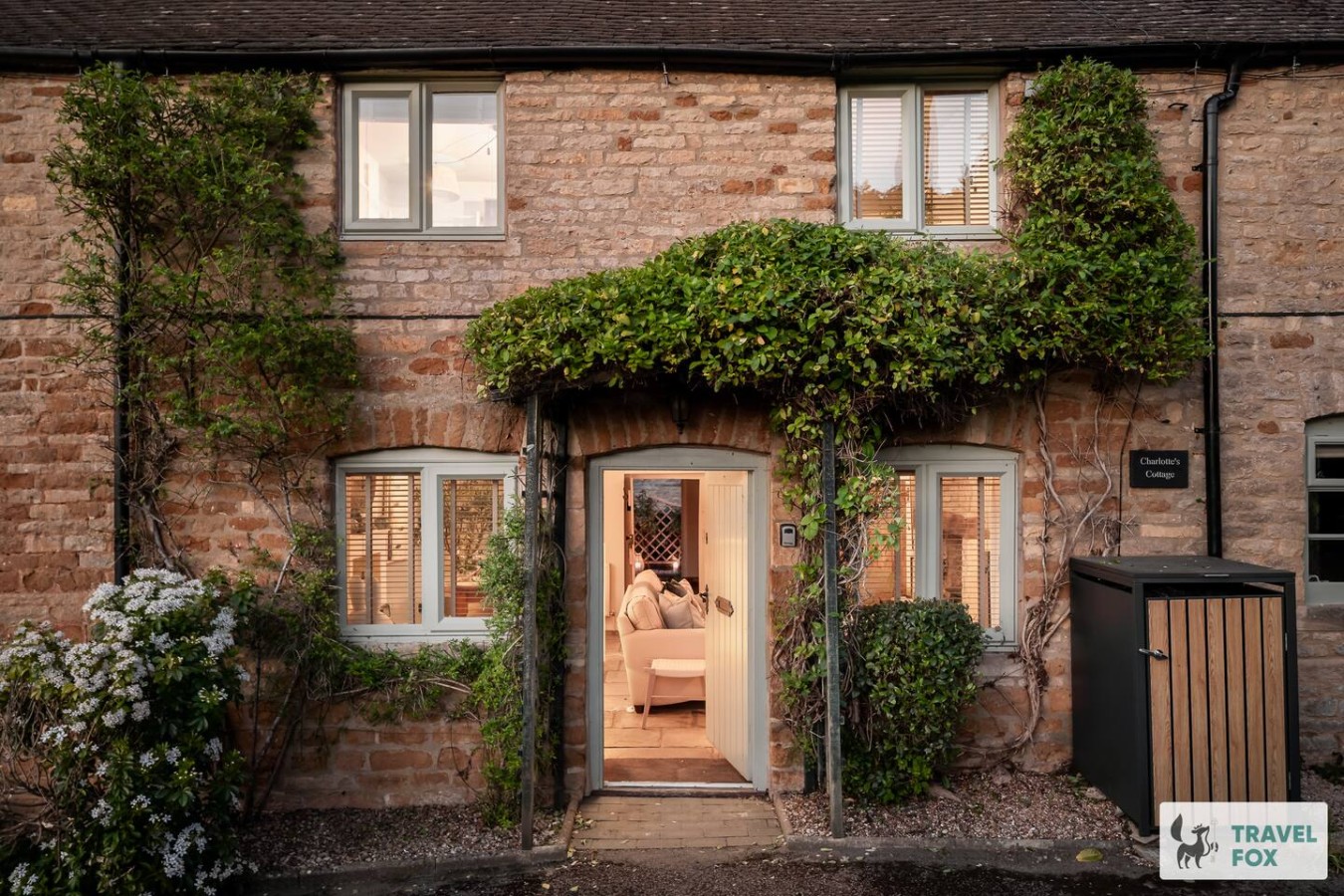
Travel Fox holiday homes around Cotswolds, linked directly to their property pages.
A guide with a point of view
Written from research. Edited for real journeys.
Use the Official site links for live practical details, then use this guide for context, ideas and room to explore.
Sources
Every place on this page is checked against a published source. Each entry links the record we used and names who publishes it.
- The Fox at Oddington — thefoxatoddington.com operator, sector body or destination organisation
- St Nicholas' Church — historicengland.org.uk statutory register or public authority record not machine-readable; publisher restricts automated access
- Church of the Holy Ascension — historicengland.org.uk statutory register or public authority record not machine-readable; publisher restricts automated access
- Stow-on-the-Wold to Broadwell and Oddington Route — walkingthecotswolds.co.uk operator, sector body or destination organisation
- Daylesford Organic Farmshop — daylesford.com operator, sector body or destination organisation