
Walking, church architecture and archaeology
Salford
A small, quiet village amid open farmland and rolling Cotswold countryside, with field paths, medieval stonework and fly-fishing nearby.
- Best for
- Walking, church architecture, archaeology and fishing
- Give it
- A quiet village visit or a three-hour Rollright circuit
- Don't miss
- The reset Norman north doorway at St Mary's
The Fox verdict
A quiet base for paths, stonework and archaeology
Salford is residential rather than a food destination; its strongest visitor hooks are walking, church architecture, archaeology and fishing.
Begin with the green, look slowly at St Mary's, and read the earthworks beside it before choosing between the field path, the Rollright Stones, the trout lakes or Chastleton House.
Where to go
Places in Salford
Every place below is checked against a published source, listed with what it is and how long to give it.
Local signatures
3 placesSalford Great House Site
Earthworks mark a vanished late-medieval or early post-medieval great house, including three garden terraces, a dry fishpond, water-control leats and buried ranges.
- Visit length
- Editorial estimate: allow around 30 minutes
- Locality
- beside St Mary's
Salford Trout Lakes
Fly-fishing is offered across two lakes stocked with rainbow, brown, Sparctic, blue and tiger trout.
- Visit length
- Editorial estimate: allow around 2 hours
- Locality
- at Rectory Farm
- Access
- Prolonged summer heat can restrict fishing.
Chipping Norton–Salford Path
This field path leaves Chipping Norton by the cemetery and descends across fields to Salford, with open views towards the Cotswolds.
- Visit length
- Editorial estimate: allow around 90 minutes
- Locality
- leaves Chipping Norton by the cemetery
- Access
- Food and drink are available in Chipping Norton.
History & heritage
3 placesChurch of St Mary
This Grade II church has 12th- and 14th-century origins, a reset Norman north doorway and a circular 12th-century font with intersecting arcading.
- Visit length
- Editorial estimate: allow around 45 minutes
- Locality
- Salford
Rollright Stones
The ancient complex comprises the King's Men stone circle, King Stone and Whispering Knights.
- Visit length
- Editorial estimate: allow around 1 hour
- Locality
- on the 4.7-mile village circuit
Chastleton House
This Jacobean house preserves a 400-year family story, significant textiles, rare Jacobite glass and gardens where the rules of croquet were codified.
- Visit length
- Editorial estimate: allow around 2 hours
- Locality
- about 2.5 miles from St Mary's
- Access
- Visitor days are limited.
No places match this filter. Choose All places to reset the list.
Three ways to explore Salford
Signature outings
Norman stonework
The reset north doorway at St Mary's pairs a Maltese cross with a bow-drawing centaur, a lion and beast-head stops.
The ancient complex
The Rollright Stones bring together the King's Men stone circle, King Stone and Whispering Knights.
A Jacobean time capsule
Chastleton House preserves a 400-year family story alongside significant textiles, rare Jacobite glass and gardens associated with croquet's rules.
The village story
Salford Village Guide
A quiet Oxfordshire village of field paths, medieval details, archaeology and nearby ancient stones.
The green and the quiet village
A weathered cross base stands on the green at Chapel Lane, where it was moved from the A44 in 2003. Its plaque dates it to around AD 700; the stonework has also been dated to the 14th or 15th century. Salford lies a mile and a half west of Chipping Norton.
Salford parish had 332 residents in 2021. The village sits among open farmland and stone cottages, with a spring-fed stream running through the narrow valley west of the church.
Field paths, stones and fishing
Walking is Salford's main draw. The green is the start of a 4.7-mile circular to the Rollright Stones, about three hours at a moderate pace, crossing farmland, a stream and stiles to reach the Whispering Knights and the King's Men stone circle before returning along the D'Arcy Dalton Way through Little Rollright and two patches of woodland. The grass, climbs and stream crossings can be muddy, and the walk is not wheelchair-friendly. A field path from Chipping Norton leaves by the cemetery and descends towards Salford with open views across the Cotswolds.
Half a mile from the village, at Rectory Farm, Salford Trout Lakes has two fly-fishing lakes stocked with rainbow, brown, Sparctic, blue and tiger trout. Prolonged summer heat can restrict fishing. The grassy green by the village hall has a playground.
Practicalities and St Mary's
For food and supplies, Chipping Norton, a mile and a half away, has independent shops, markets, a theatre, a museum and a heated outdoor lido. Salford sits just off the A44. Kingham station, about four miles away, has 140 parking spaces. The Villager V8 and other community buses connect Salford with Chipping Norton.
The Church of St Mary is the one building that rewards a slow look. Its 12th- and 14th-century origins were largely rebuilt by G. E. Street in 1854–55, but the Norman north doorway survived and was reset: a Maltese cross flanked by a centaur drawing a bow and a lion, with carved beast-heads at the stops. Inside is a circular 12th-century font ringed with intersecting arcading, and two rustic Bolter family memorials. The earlier, from 1640, remembers John Bolter and his son, both dead that same year. The later, from 1694, records the baby Joseph Bolter and his mother Sarah, who died three weeks apart.
The vanished great house
Beside the church the ground itself keeps the outline of a house that is no longer there: three broad garden terraces, a dry fishpond, a buried gatehouse and service ranges, a great house that geophysics suggests ran to more than forty metres by twenty. In 1086 the Domesday commissioners found six households and half a mill, and valued the whole place at three pounds. It had been worth exactly the same twenty years before.
Chastleton and the landscape close at hand
Chastleton House, about two and a half miles away, preserves four centuries of family life in a Jacobean setting. The short journey makes an easy extension to a visit centred on Salford's fields and village green.
Stay around Cotswolds
Make a longer stay of it
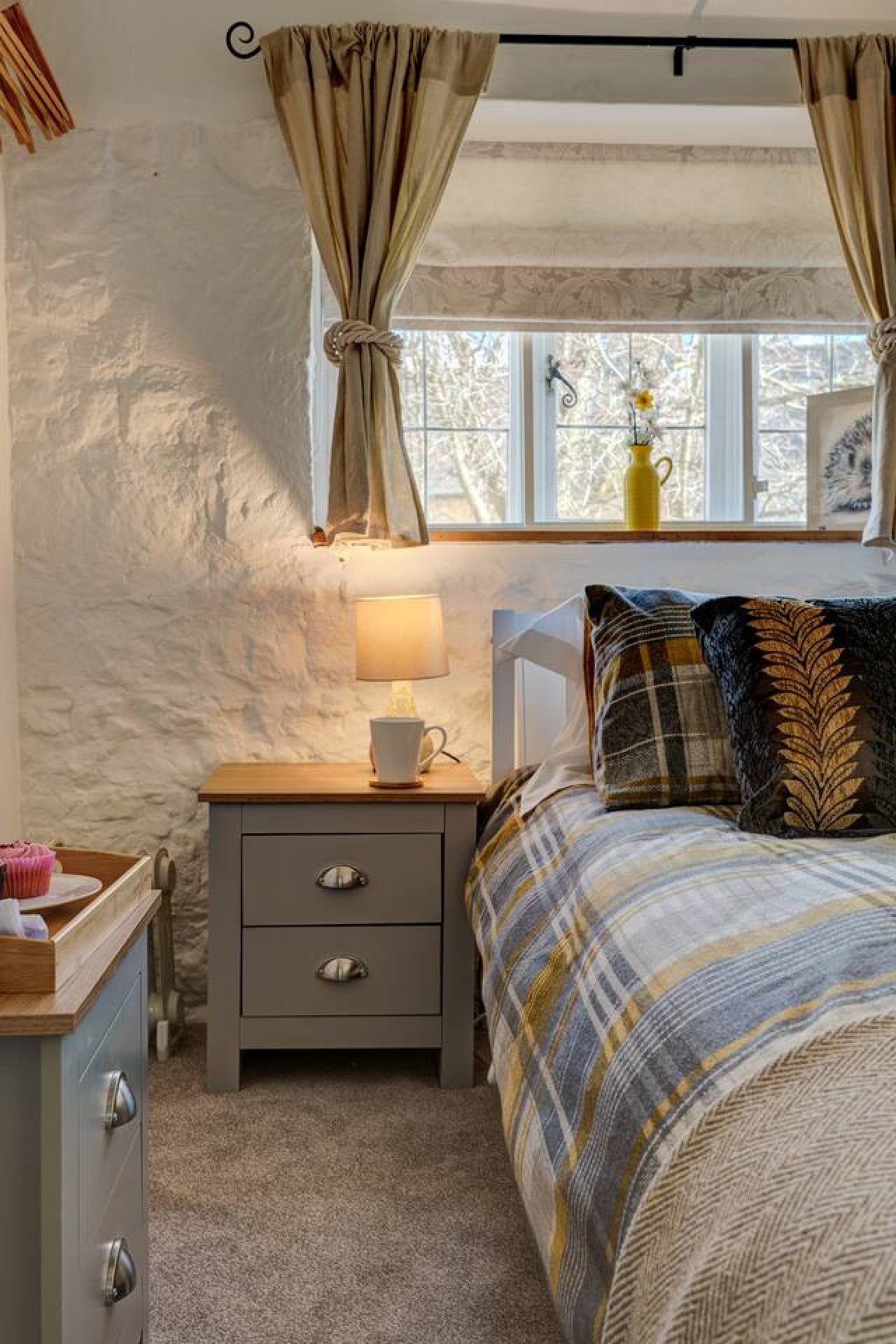
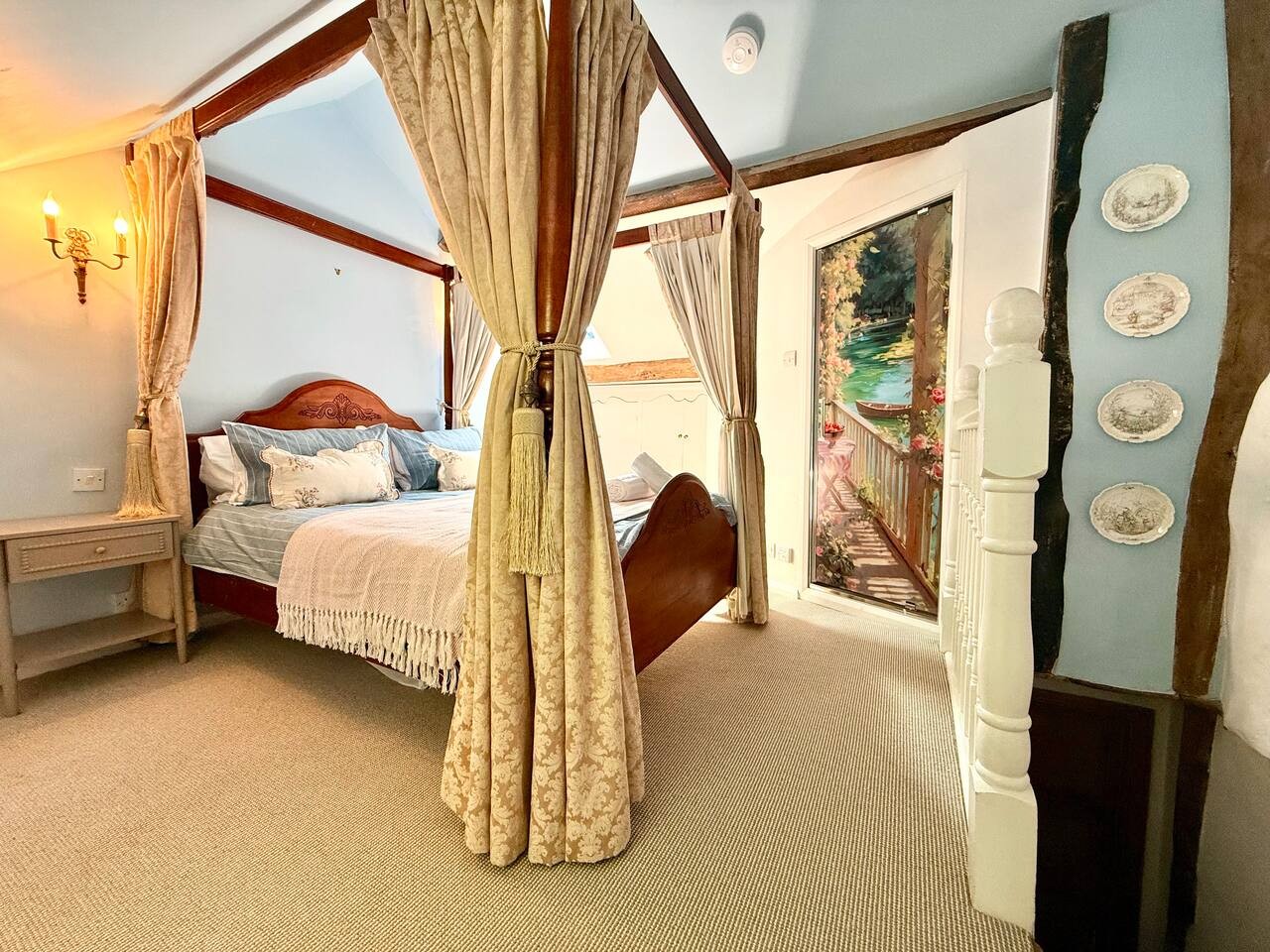
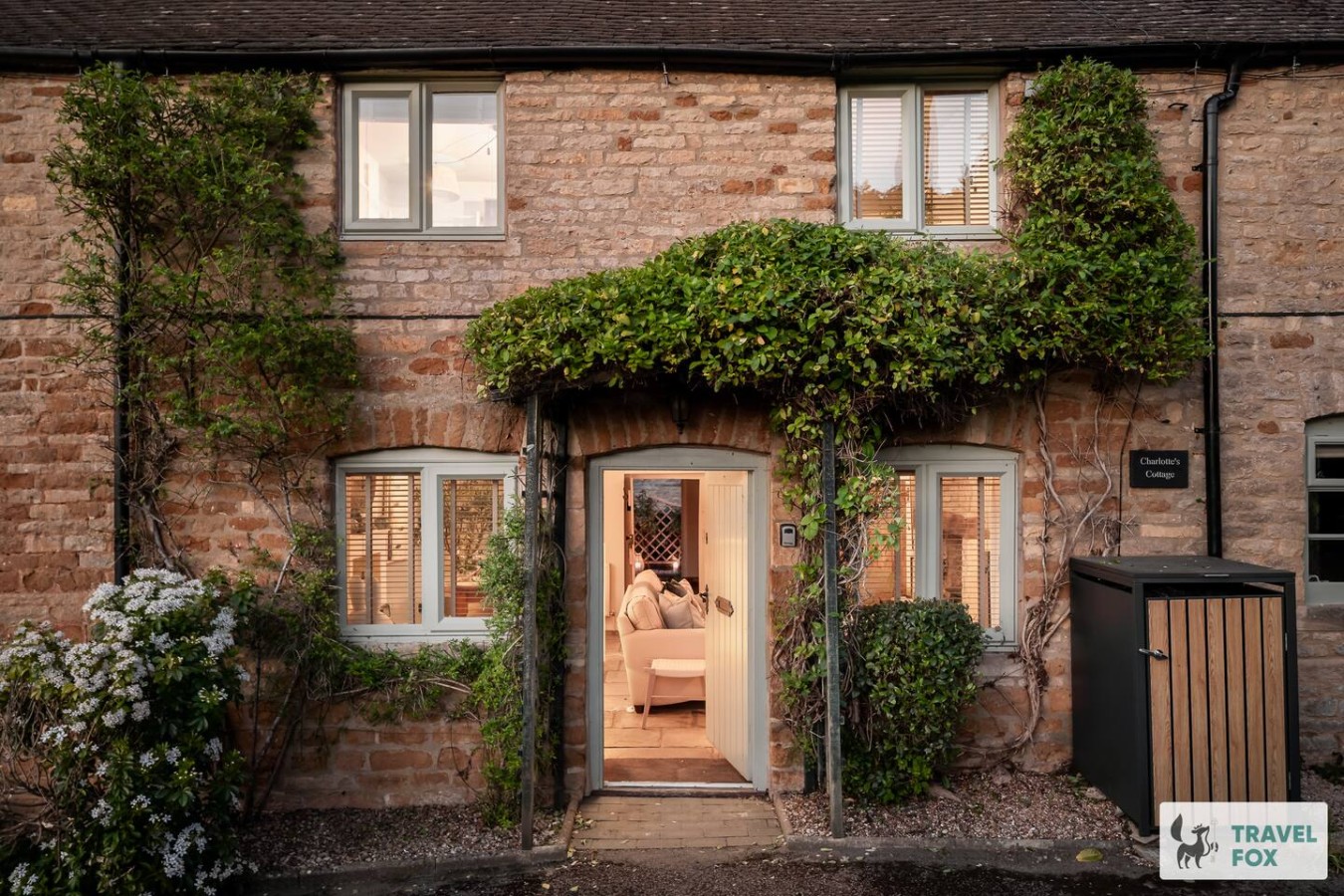
Travel Fox holiday homes around Cotswolds, linked directly to their property pages.
For homeowners
Own a holiday home near Salford?
We manage holiday lets across the Cotswolds from 12% commission, charged after cleaning costs, with no lock-in. A co-founder visits before you decide.
Holiday let management in the Cotswolds →
A guide with a point of view
Written from research. Edited for real journeys.
Use the Official site links for live practical details, then use this guide for context, ideas and room to explore.
Sources
Every place on this page is checked against a published source. Each entry links the record we used and names who publishes it.
- Church of St Mary — historicengland.org.uk statutory register or public authority record not machine-readable; publisher restricts automated access
- Salford Great House Site — historicengland.org.uk statutory register or public authority record not machine-readable; publisher restricts automated access
- Salford Trout Lakes — salfordtroutlakes.co.uk operator, sector body or destination organisation
- Rollright Stones — rollrightstones.co.uk operator, sector body or destination organisation
- Chastleton House — nationaltrust.org.uk national body or asset manager
- Chipping Norton–Salford Path — chippingnorton-tc.gov.uk statutory register or public authority