
Hilltop walks and ancient stones
Great Rollright
A small Cotswold village high on a hill, with valley views, a Grade I church and walking links to the Rollright Stones.
- Best for
- Walking and prehistoric monuments
- Give it
- Two and a quarter hours before stops for the linear walk
- Don't miss
- St Andrew's carved south doorway
The Fox verdict
A hilltop base for paths, stones and church detail
Great Rollright brings together wide valley views, a richly detailed medieval church and walking links to the Rollright Stones.
The village hall is the practical community focus, while the documented open-country route links Great Rollright with the prehistoric stones, Little Rollright, Salford and Chipping Norton. St Andrew's adds late-12th-century carving, medieval glass and the story of a curate who repainted the rood screen.
Where to go
Places in Great Rollright
Every place below is checked against a published source, listed with what it is and how long to give it.
Local signatures
3 placesGreat Rollright Village Hall
The village's practical community focus, with a newly installed children's playground, small outdoor gym, covered rear veranda, barbecue, outdoor furniture and countryside views.
- Visit length
- Editorial estimate: Allow around 30 minutes
- Locality
- Great Rollright
The Pear Tree Inn
A Hook Norton Brewery pub serving the brewery's beer; its published menu names beer-battered fish, roasted Cotswold chicken breast and sticky toffee pudding.
- Visit length
- Editorial estimate: Allow around 90 minutes
- Locality
- Hook Norton
The Red Lion
A dog-friendly country inn with high-backed settles, an inglenook fireplace, restaurant, large beer garden and a changing menu focused on locally sourced seasonal food.
- Visit length
- Editorial estimate: Allow around 90 minutes
- Locality
- Long Compton
Food & drink
1 placeHook Norton Brewery
A working brewery offering bookable tours alongside a shop, museum and the Malthouse Kitchen.
- Visit length
- Editorial estimate: Allow around 2 hours
- Locality
- Hook Norton
- Access
- Tours involve more than 100 open steps and are unsuitable for children under 12 or people with walking difficulties; dogs are allowed in the visitor centre and restaurant but not on tours.
Walks & outdoors
1 placeGreat Rollright-Rollright Stones-Chipping Norton walk
A 5.5-mile/9km linear walk across open country with wide views, about 65m ascent and 100m descent, following the D'Arcy Dalton Way for roughly four miles.
- Visit length
- Editorial estimate: Allow around 2 hours 15 minutes excluding stops
- Locality
- Between Great Rollright and Chipping Norton
- Access
- Treat it as a route lead and check a current rights-of-way map.
History & heritage
2 placesChurch of St Andrew
A Grade I church with an elaborate late-12th-century south doorway, a 15th-century west tower, medieval rood screen, stained-glass roundels and the 1522 brass of rector James Battersby.
- Visit length
- Editorial estimate: Allow around 45 minutes
- Locality
- Great Rollright
Rollright Stones
Three monuments spanning almost 2,000 years: the Whispering Knights burial chamber, the King's Men stone circle and the King Stone, each from a different prehistoric period.
- Visit length
- Editorial estimate: Allow around 75 minutes
- Locality
- At the Oxfordshire-Warwickshire boundary
- Access
- Current access conditions should be checked before visiting.
No places match this filter. Choose All places to reset the list.
Three ways to explore Great Rollright
Signature outings
Read the south doorway
Look for beakhead and chevron carving, scalloped capitals and the carved tympanum at St Andrew's late-12th-century south doorway.
Meet the Rollright monuments
Connect the Whispering Knights, King's Men and King Stone across almost 2,000 years of Neolithic and Bronze Age monument-building.
Visit a working brewery
Pair a bookable Hook Norton Brewery tour with its shop, museum and Malthouse Kitchen.
The village story
Great Rollright Village Guide
From a former village pub and a hilltop community hall to open-country paths, prehistoric stones and a church rich in medieval detail.
The former pub and the hilltop village
The Unicorn stands on the High Street, a three-storey limestone building with segmental-arched windows and a chimney stack at each gable. It was the village pub, and it has not poured a pint in a long time. By residents' own account, the village has been without a working pub for more than fifteen years, and the shop and the fixed post office went the same way. What arrives now is a mobile Post Office van, calling at the Village Hall car park on its rounds; check the Post Office's own finder for current times before you rely on it.
The village sits high on a hill just north of Chipping Norton, with the ground falling away to wide views across the valley.
The Village Hall is the practical focus of the community now. There is a newly installed children's playground, a small outdoor gym, a car park, and a covered veranda at the back with a barbecue and outdoor furniture set against the same long views. The hall has a kitchen and rooms to hire, and a defibrillator by the door. Jan Wilkinson takes the bookings.
Walking to three prehistoric monuments
What you come here to do is walk. The D'Arcy Dalton Way runs through, linking Great Rollright to Little Rollright and Salford and passing just south of the Whispering Knights. A five-and-a-half-mile route strings the village, the Rollright Stones, Little Rollright and Salford together and finishes in Chipping Norton, about two and a quarter hours of open country if you don't stop, which you will. Shakespeare's Way comes through Little Rollright as well, and there is open-access land in a shallow downland valley near the village.
The Rollright Stones stand on the crest of the hills a short way west, on the county line. They are three monuments from three different ages: the Whispering Knights, a burial chamber from around 3800 BC; the King's Men, a stone circle from about 2500 BC; and the King Stone, a single standing stone from roughly 1500 BC. Much of the King Stone's damage is put down to nineteenth-century souvenir hunters, and the Rollrights were among the earliest monuments taken into state guardianship. The legend ties them together. A witch met an ambitious king and told him that if he could see Long Compton in seven strides the kingdom was his. A mound rose and blocked the view, and she turned him to stone as the King Stone, his army to the King's Men, and his scheming knights to the Whispering Knights. She became an elder tree.
Medieval detail at St Andrew's
Back in the village, the Church of St Andrew is Grade I listed and worth the detour for its south doorway alone. It is late twelfth century, carved with beakhead and chevron, scalloped capitals and a tympanum above. The west tower is fifteenth century and carries eight winged gargoyles. Inside there is an octagonal fifteenth-century font, a richly carved medieval rood screen and canopy, five stained-glass roundels of the same period, and the 1522 brass of rector James Battersby.
The screen's medieval colours were repainted between 1851 and 1856 by the curate, W. C. Flint, and his wife. This was after the rector, Joseph Brooks, reportedly fled the church and the country one Sunday, deeply in debt. Flint founded the village school as well.
Domesday and dinner beyond the village
The Domesday surveyors found the place split between three owners, with thirty-seven households and a single salthouse, and valued the three holdings at thirteen pounds, exactly what they had been worth twenty years earlier.
For a proper dinner you go out of the village. The Red Lion at Long Compton is a dog-friendly inn with high-backed settles and an inglenook fireplace, a large beer garden and a changing menu built on local, seasonal food. In Hook Norton, the Pear Tree serves beer-battered fish with triple-cooked chips, roasted Cotswold chicken breast with spring-onion mash, and sticky toffee pudding, with Hook Norton beer from the brewery down the road. The brewery itself runs tours, more than a hundred steps of them and not suited to small children, along with a shop, a museum and the Malthouse Kitchen.
Arriving in Great Rollright and a remarkable gravestone
Getting here means minor roads north of Chipping Norton. Kingham appears to be the nearest railway station, and the Stagecoach 488 stops at The Green, running roughly hourly Monday to Saturday and roughly every two hours on Sunday, linking the village to Chipping Norton, Hook Norton and Banbury; check times before you travel.
Just inside the lychgate at St Andrew's is the gravestone of Richard Widdows, a shepherd. The inscription gives his age at death, in 1910, as a hundred and four.
Stay around Cotswolds
Make a longer stay of it
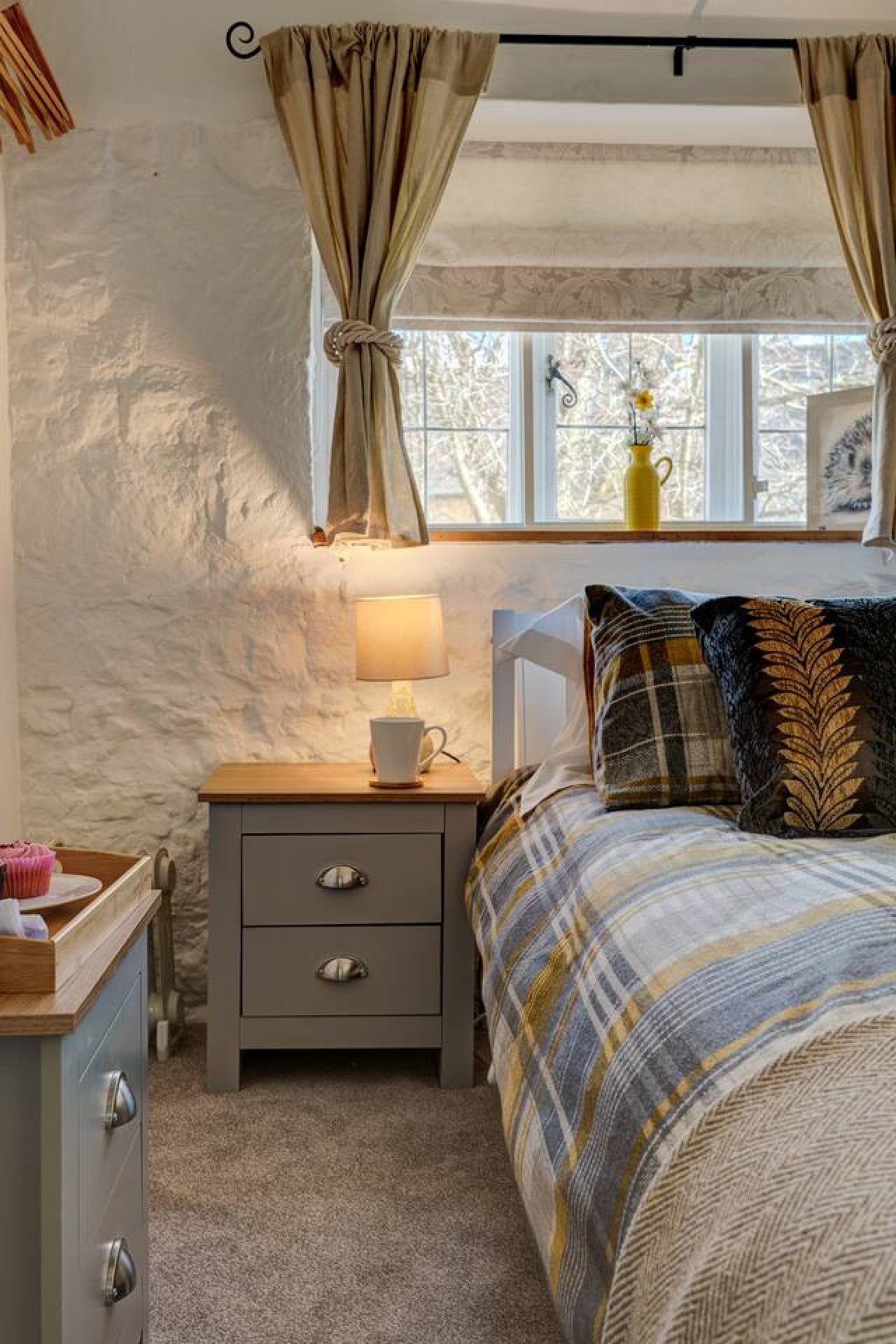
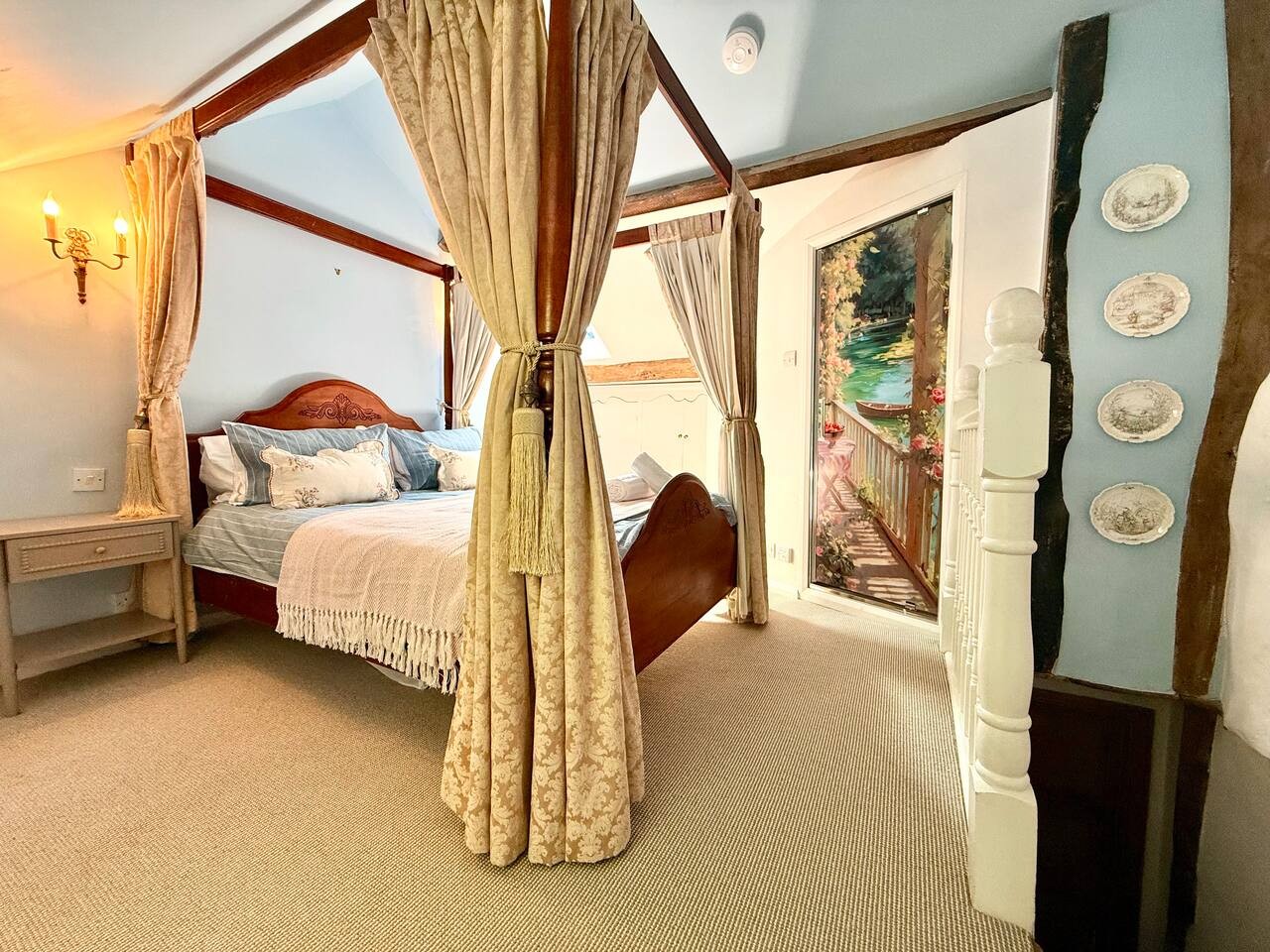
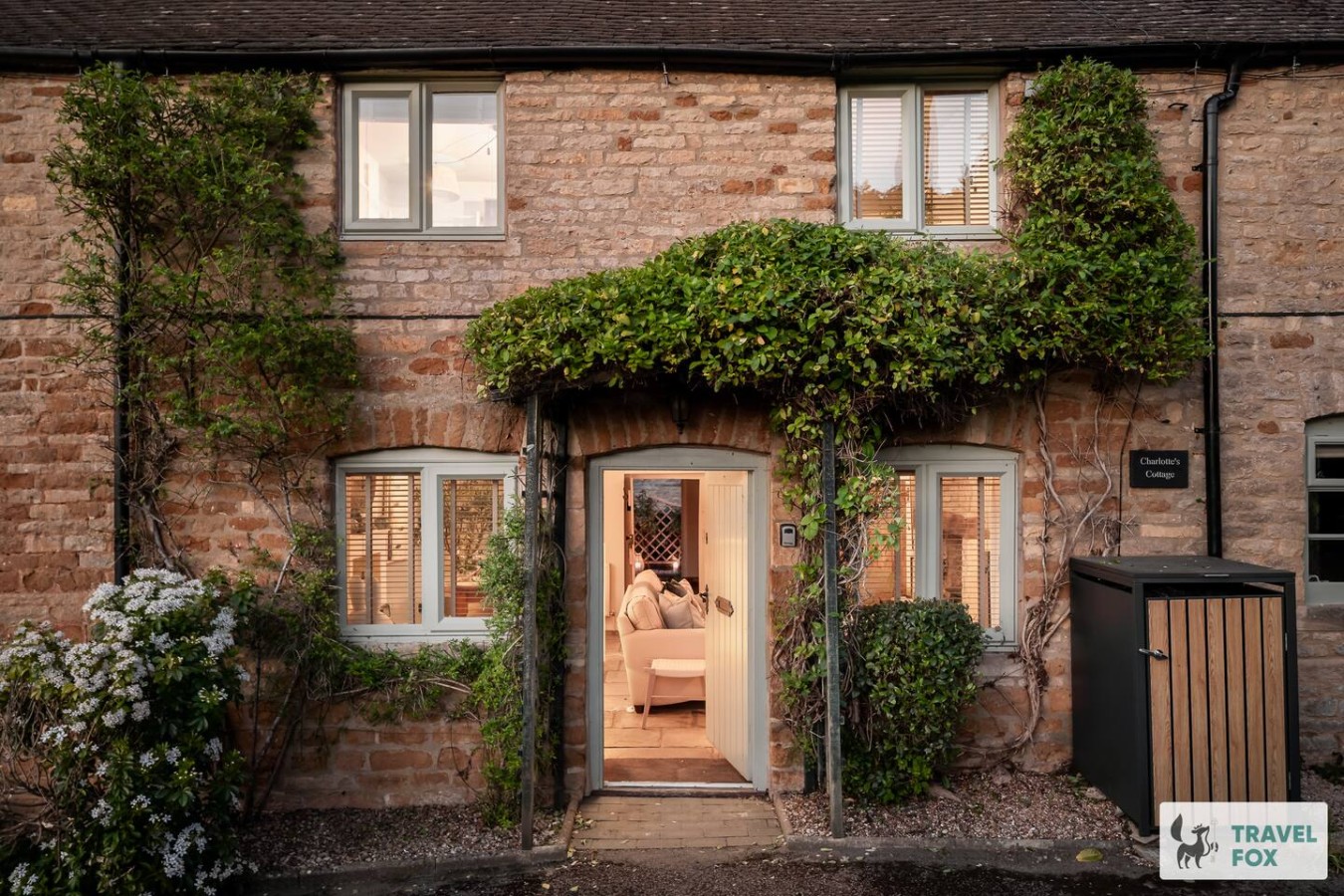
Travel Fox holiday homes around Cotswolds, linked directly to their property pages.
For homeowners
Own a holiday home near Great Rollright?
We manage holiday lets across the Cotswolds from 12% commission, charged after cleaning costs, with no lock-in. A co-founder visits before you decide.
Holiday let management in the Cotswolds →
A guide with a point of view
Written from research. Edited for real journeys.
Use the Official site links for live practical details, then use this guide for context, ideas and room to explore.
Sources
Every place on this page is checked against a published source. Each entry links the record we used and names who publishes it.
- Church of St Andrew — historicengland.org.uk statutory register or public authority record not machine-readable; publisher restricts automated access
- Great Rollright Village Hall — greatrollright.org operator, sector body or destination organisation
- Rollright Stones — rollrightstones.co.uk operator, sector body or destination organisation
- Great Rollright-Rollright Stones-Chipping Norton walk — rollrightstones.co.uk operator, sector body or destination organisation
- Hook Norton Brewery — hooky.co.uk operator, sector body or destination organisation
- The Pear Tree Inn — peartreehooknorton.com operator, sector body or destination organisation
- The Red Lion — redlion-longcompton.co.uk operator, sector body or destination organisation