
Clay, ironstone and deep history
Whichford
A Warwickshire valley village where hand-thrown terracotta, seasonal food and a richly detailed medieval church reward an unhurried visit.
- Best for
- Pottery, seasonal food and layered history
- Give it
- A few hours, or five hours for the circular walk
- Don't miss
- Weekday production in the pottery workshop
The Fox verdict
A working pottery village with deep roots
Whichford combines a family pottery and straw-bale cafe with ironstone landscape, a Grade I church and a traditional village pub.
The pottery is the living centrepiece: visitors can see weekday production, browse The Octagon and pause in the courtyard garden before eating at the Straw Kitchen. St Michael's Norman doorway and medieval glass add a much older layer, while the nearby Rollright Stones and the Cherington and Whichford circular extend a visit beyond the village.
Where to go
Places in Whichford
Every place below is checked against a published source, listed with what it is and how long to give it.
Local signatures
3 placesThe Straw Kitchen
A straw-bale cafe in a converted old barn, serving a weekly changing seasonal menu drawing on its kitchen garden and local suppliers.
- Visit length
- Editorial estimate: allow around 60 minutes
- Locality
- at Whichford Pottery
The Norman Knight
A traditional village pub in a restored former bakery, with seasonal British food, local and real ales, and nine rooms.
- Visit length
- Editorial estimate: allow around 90 minutes
- Locality
- overlooking the village green
Rollright Stones
A prehistoric complex comprising the King's Men stone circle, King Stone and Whispering Knights, cared for by the volunteer Rollright Trust.
- Visit length
- Editorial estimate: allow around 75 minutes
- Locality
- Oxfordshire-Warwickshire border
- Access
- Visitor access is subject to the Rollright Trust's access conditions; only two small roadside lay-bys are provided.
Walks & outdoors
1 placeCherington and Whichford Circular
A leisurely-graded Ramblers circular through hills and woods with broad northern Cotswolds views, linking two villages built in warm local ironstone.
- Visit length
- Editorial estimate: Allow about five hours for the full 8.1-mile/13-km circular
- Locality
- starting in Cherington
History & heritage
1 placeChurch of St Michael
A Grade I church with 12th-century origins, a richly ornamented Norman south doorway, medieval monuments and surviving 14th- and 15th-century glass.
- Visit length
- Editorial estimate: allow around 45 minutes
- Locality
- Whichford
Things to do
1 placeWhichford Pottery and The Octagon
A working family pottery hand-throwing frostproof terracotta flowerpots, with a courtyard garden and The Octagon shop and gallery.
- Visit length
- Editorial estimate: allow around 75 minutes
- Locality
- Whichford
- Access
- Visitors can see the workshop in production on weekdays.
No places match this filter. Choose All places to reset the list.
Three ways to explore Whichford
Signature outings
Watch the potters at work
On weekdays, watch frostproof terracotta flowerpots being hand-thrown from clay prepared on site.
Study a carved doorway
Look for chevron, billet and checker ornament around St Michael's Norman south doorway and tympanum.
Follow the five-hour circular
The leisurely 8.1-mile route links Cherington and Whichford through hills, woods and broad northern Cotswolds views.
The village story
Whichford Village Guide
Hand-thrown terracotta, a straw-bale kitchen and centuries of ironstone history in a northern Cotswolds valley.
Pots Made by Hand
On a weekday you can stand in the workshop at Whichford Pottery and watch terracotta flowerpots being thrown by hand, the clay prepared on site, the shelves behind carrying more than six hundred designs. Each pot leaves with a ten-year frostproof guarantee. Jim and Dominique Keeling started the business in 1976 to keep the English country-pottery tradition going, and it is still a family concern: their son Adam is a director and master thrower, their daughter Theodora runs sales. The Octagon, the shop and gallery, sells the pottery's own work alongside handmade British goods, and there is a courtyard garden to sit in while you decide how many pots you can carry home.
The pottery marks fifty years in 2026, and it has form beyond the flowerpots. It began supplying the Royal Horticultural Society in 1979, and in 2014 it made 97,500 ceramic poppies for Blood Swept Lands and Seas of Red, the installation that filled the moat at the Tower of London.
Cafe and Village Pub
Sharing the site is the Straw Kitchen, a café built into an old barn with straw bales and other natural materials by Maia Keeling and her partner Christine, who opened it in May 2014 and still run it. The menu changes weekly and leans on the café's own kitchen garden. You might find beetroot and feta on toast with honey, herby soups, ramen, bánh xèo pancakes, Sri Lankan curries, a bacon sandwich, or one of the Super Brunches, with house-baked cakes to follow. The kitchen also pickles, ferments and preserves. There is a children's menu, a little indoor seating, and a covered terrace with grass beyond it.
The Norman Knight is a restored former bakery overlooking the green. Head chef Ray Pullen cooks a seasonal British menu that runs from pub standards to lighter dishes, and the kitchen makes a point of its beef Sunday roast with all the trimmings. There is an informal all-day menu at the bar, well-kept local ales, and nine rooms to stay in, some of them cabins in the grounds.
Ironstone Walks and St Michael's
Whichford is built in ironstone rather than the pale limestone of the central Cotswolds, which gives the houses a warm, rusty colour; walkers have likened the local stone to "soft, crumbly gingerbread." The village sits in a valley within the northern reaches of the Cotswolds National Landscape. The Cherington and Whichford circular, an 8.1-mile Ramblers route graded leisurely and reckoned at about five hours, starts in the neighbouring village and works through hills, woods and broad views, linking the two settlements that share the same stone.
The church of St Michael is Grade I listed and twelfth-century in origin, altered and enlarged over the three centuries that followed, with restoration work in the nineteenth century. Its Norman south doorway carries chevron, billet and checker carving around a tympanum. Inside there is a fourteenth-century octagonal font, the incised alabaster effigy of rector John Merton, who died in 1537, the brass of rector Nicholas Asheton, who died in 1582, and fragments of fourteenth- and fifteenth-century glass showing a Crucifixion, angels, the Virgin and saints.
Castle Earthworks and Arrival Planning
About three hundred metres west of the church is the earthwork of Whichford Castle, once held by the Mohun family. Excavation there turned up strong stone buildings with painted window glass, an imported French jug, a bird-shaped roof finial, two silver pennies, a bone gaming die and a 12th- or 13th-century iron arrowhead. The Domesday surveyors, further back still, counted two mills here worth fifteen shillings and valued the manor at twenty pounds a year.
Getting here takes some planning. Moreton-in-Marsh, about eight and a half miles by road, is the practical railhead, with parking, step-free platforms and taxis; Shipston-on-Stour is the nearest town, roughly five miles off. The bus is the Shipston Link, service 10, which calls at Whichford on Saturdays only, so check the timetable before you rely on it. The Rollright Stones, a prehistoric circle with its own standing companions, are also nearby.
One Last Slice of Cake
Come at the right time and you can watch the potters at work in the workshop, then finish with a slice of house-baked cake at the Straw Kitchen.
Stay around Cotswolds
Make a longer stay of it
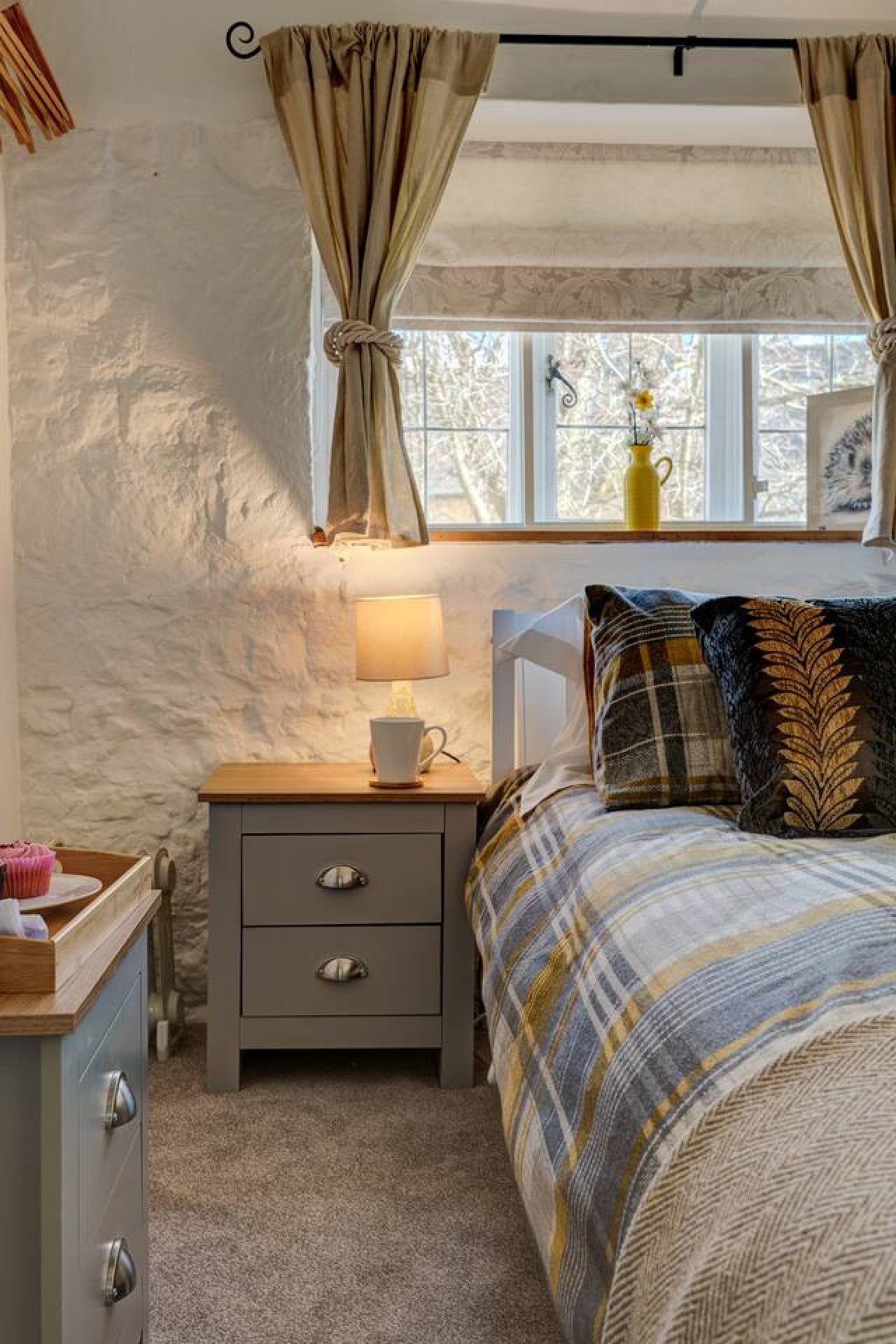
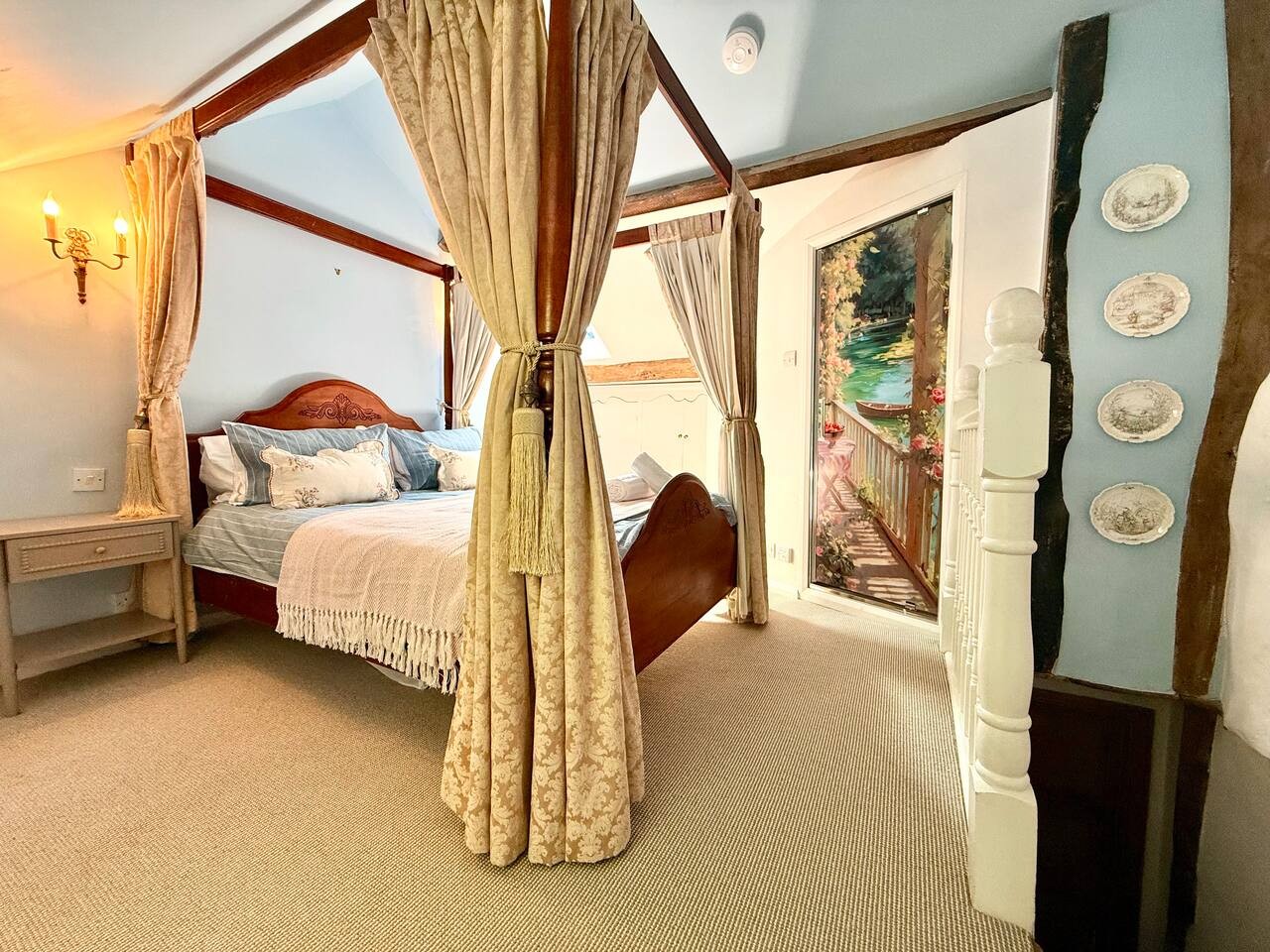
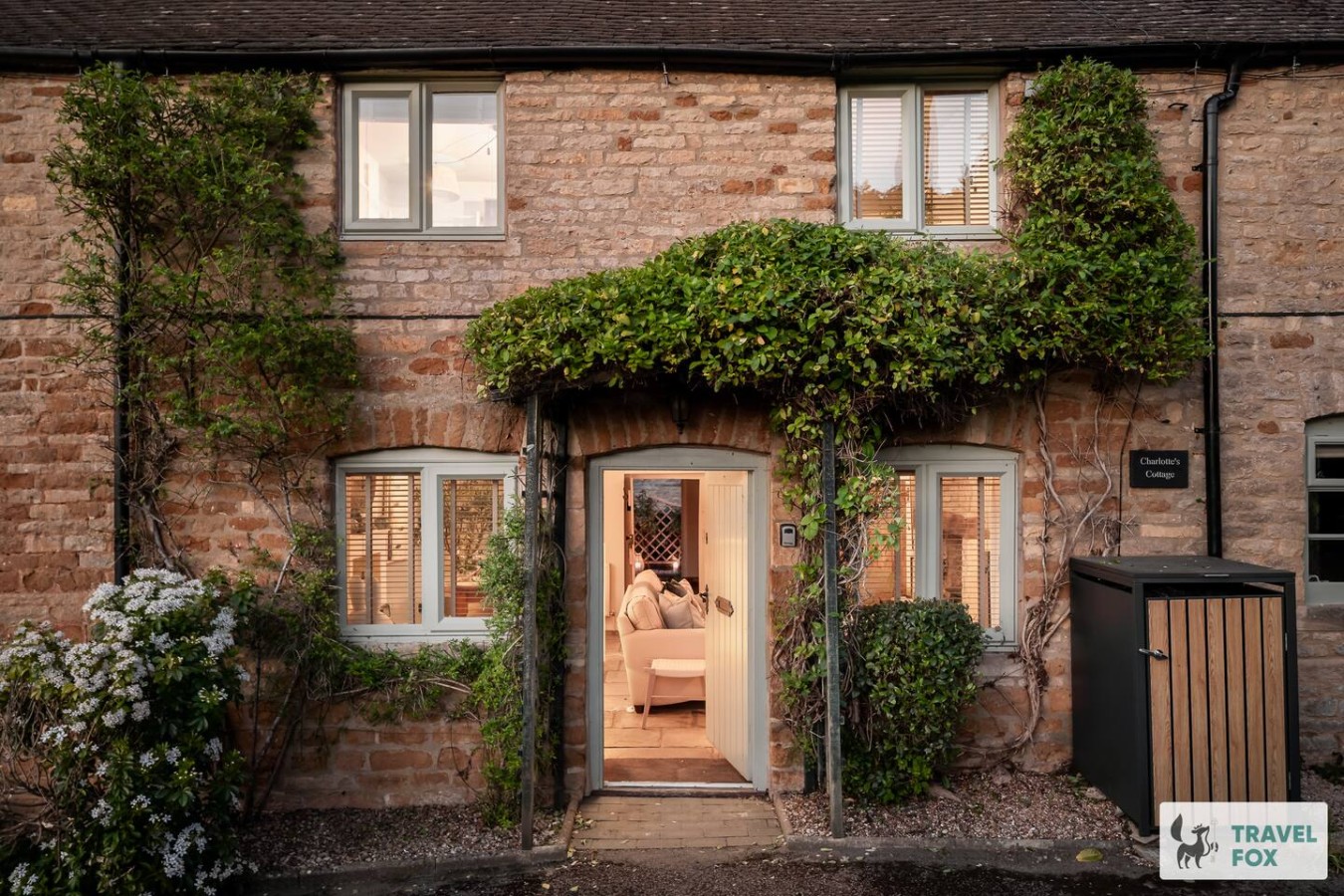
Travel Fox holiday homes around Cotswolds, linked directly to their property pages.
For homeowners
Own a holiday home near Whichford?
We manage holiday lets across the Cotswolds from 12% commission, charged after cleaning costs, with no lock-in. A co-founder visits before you decide.
Holiday let management in the Cotswolds →
A guide with a point of view
Written from research. Edited for real journeys.
Use the Official site links for live practical details, then use this guide for context, ideas and room to explore.
Sources
Every place on this page is checked against a published source. Each entry links the record we used and names who publishes it.
- Whichford Pottery and The Octagon — whichfordpottery.com operator, sector body or destination organisation
- The Straw Kitchen — find-and-update.company-information.service.gov.uk statutory register or public authority
- The Norman Knight — thenormanknight.co.uk operator, sector body or destination organisation
- Church of St Michael — historicengland.org.uk statutory register or public authority record not machine-readable; publisher restricts automated access
- Cherington and Whichford Circular — ramblers.org.uk operator, sector body or destination organisation record not machine-readable; publisher restricts automated access
- Rollright Stones — rollrightstones.co.uk operator, sector body or destination organisation