
Village life in the Feldon
Brailes
A south Warwickshire village spread between Upper and Lower Brailes, with a landmark church, local food and paths into the surrounding hills.
- Best for
- Footpaths, village food and medieval history
- Give it
- A village day or a longer walk
- Don't miss
- St George's, the Cathedral of the Feldon
The Fox verdict
A working village with paths into the Feldon
Brailes keeps its pub, butcher and village show alongside a landmark church and a wide local path network.
The settlement is spread between Upper and Lower Brailes, with 24.6 miles of parish footpaths and bridleways reaching into the surrounding landscape. St George's supplies the architectural centrepiece, while The George makes the village a practical stop as well as a walking base.
Where to go
Places in Brailes
Every place below is checked against a published source, listed with what it is and how long to give it.
Local signatures
3 placesSt George's Church
Known locally as the Cathedral of the Feldon, this mainly 13th-century church has a 15th-century west tower, carved beasts, gargoyles and an octagonal medieval font.
- Visit length
- Editorial estimate: Allow around 45 minutes
- Locality
- Lower Brailes
Castle Hill Motte
A scheduled 12th-century motte attributed to Robert Newburgh, Earl of Warwick, with a flat-topped mound, ditch and associated outworks.
- Visit length
- Editorial estimate: Allow around 45 minutes
- Locality
- East of Upper Brailes
Upton House and Gardens
A National Trust country house remodelled as a 1930s retreat, with Old Master art, Chelsea porcelain and steep terraced gardens.
- Visit length
- Editorial estimate: Allow around 2 hours 30 minutes
- Locality
- Near Brailes
Food & drink
2 placesThe George at Brailes
Brailes' village pub serves seasonal food and local and guest ales, with a garden, quizzes and live music.
- Visit length
- Editorial estimate: Allow around 90 minutes
- Locality
- Lower Brailes
Cotswolds Distillery
A visitor centre in Stourton offering tours and tastings, with experiences lasting about 90 minutes.
- Visit length
- Editorial estimate: Allow around 90 minutes for a tour and tasting
- Locality
- Stourton
Walks & outdoors
1 placeSutton Circular
A local circular walk with views over the Feldon Valley and a return beside Sutton Brook.
- Visit length
- Editorial estimate: Allow around 2 hours
- Locality
- Feldon Valley and Sutton Brook
History & heritage
1 placeRollright Stones
A complex more than 5,000 years old comprising the King's Men stone circle, the King Stone and the Whispering Knights.
- Visit length
- Editorial estimate: Allow around 75 minutes
- Locality
- Oxfordshire-Warwickshire border
Things to do
1 placeBrailes Village Hall
The Village Hall site provides playing fields and a playground and hosts the annual Brailes Show on its playing field.
- Visit length
- Editorial estimate: Allow around 45 minutes
- Locality
- Village Hall site
No places match this filter. Choose All places to reset the list.
Three ways to explore Brailes
Signature outings
The Cathedral of the Feldon
Look for St George's 15th-century west tower, carved beasts, monster heads, gargoyles and eight-pattern octagonal font.
Food and ales at The George
Choose from seasonal food, local and guest ales, with garden seating and space for well-behaved dogs in the bar and garden.
Five millennia at Rollright
Try counting the King's Men stones: local tradition says three matching totals earn a wish.
The village story
From Lower Brailes to Castle Hill
Pub, provisions, medieval stonework and paths into the hills of the Feldon.
Lower Brailes at the Table
The George sits in Lower Brailes, at the lower end of a village that spreads itself between two settlements rather than gathering around one green. It is the only pub still pouring in Brailes, and it works hard at the job: handmade burgers, stone-baked pizzas, chef's seafood specials, Sunday roasts, and a full English with fresh pastries in the morning. Well-behaved dogs get water bowls in the bar and garden; children get their own menu, highchairs and room to stretch their legs. There are quizzes and live music through the year, and a Post Office counter that opens on two mornings a week.
On Lower Brailes High Street, Paddock Farm Butchery sells meat from its own-reared animals alongside locally sourced meat. Nick and Jon Francis established Paddock Farm in 2008 and raise Tamworth pigs and pasture-fed Hereford cattle, slow-growing animals hung and butchered for flavour rather than speed. Damian Clisby, head chef at The Rectory in Crudwell, put it plainly: "Paddock Farm's meat is all excellent, beautifully butchered and hung for the right length of time." For the rest of a picnic there is La Tradition, a French bakery at the Feldon Centre, and Baldwin's, the newsagent, which keeps fresh seasonal vegetables alongside the papers.
The Cathedral and the Footpaths
St George's tower dominates much of Brailes and the surrounding fields. Locals call it the Cathedral of the Feldon, and the dimensions explain why: 49 metres long, 17 wide, with a fifteenth-century west tower rising 36 metres over the surrounding farmland. Along each side of the nave runs a clerestory of twelve two-light Decorated windows. There are carved beasts, monster heads and gargoyles under the roofline, faint traces of fifteenth-century painting above, and an octagonal font from around 1300 cut with eight different tracery patterns, no two alike. One of the bells was recast in 1671 and still carries the inscription cut into it then: Merry George I was and will be still.
The walking here is the real reason to bring boots. The parish holds 24.6 miles of footpaths and bridleways, many with dog gates set into the stiles, reaching out to Tysoe, Shipston-on-Stour and Long Compton. The Sutton Circular looks across the Feldon Valley and comes back beside Sutton Brook. A steeper route climbs from the old Gate Inn towards Castle Hill by way of a flight known as the 99 Steps. Brailes Hill is the second-highest point in Warwickshire, and the paths near its summit open out across the neighbouring valleys. For spring, the longer loop through Cherington to Whichford Woods is the one to save for bluebell season.
Castle Hill and Brailes Through Time
Above Upper Brailes sits Castle Hill Motte, a scheduled monument with a flat-topped mound about 24 metres across and a surrounding ditch. Its construction in the early to mid-twelfth century is attributed to Robert Newburgh, Earl of Warwick. The village below was already substantial long before that. Domesday recorded 145 households at Brailes, among the largest one-in-five settlements in the survey, and valued the place at fifty-five pounds in 1086, compared with seventeen pounds and ten shillings twenty years earlier. In 1248 Henry III granted a Monday market and a fair around St George's Day; a horse fair later ran on what is now the war-memorial green, and the village kept four blacksmiths. In 1914 the village Institute became a ten-bed Red Cross hospital for wounded Belgian soldiers.
The Oxfordshire Border
Brailes lies on the Oxfordshire border, within the Cotswolds National Landscape, with the B4035 running through on the road between Banbury and Shipston-on-Stour. The nearest station is Moreton-in-Marsh, about eight miles off, and the Shipston Link bus threads through the smaller villages towards Stratford-upon-Avon. Upton House, the Rollright Stones and the Cotswolds Distillery at Stourton are all within an easy drive.
The Village Show
Once a year the Village Hall playing field fills up for the Brailes Show, with produce and baking, crafts and photography, cups and trophies, live music and a dog show. Between shows, the playground and playing fields remain part of daily village life.
Stay around Cotswolds
Make a longer stay of it
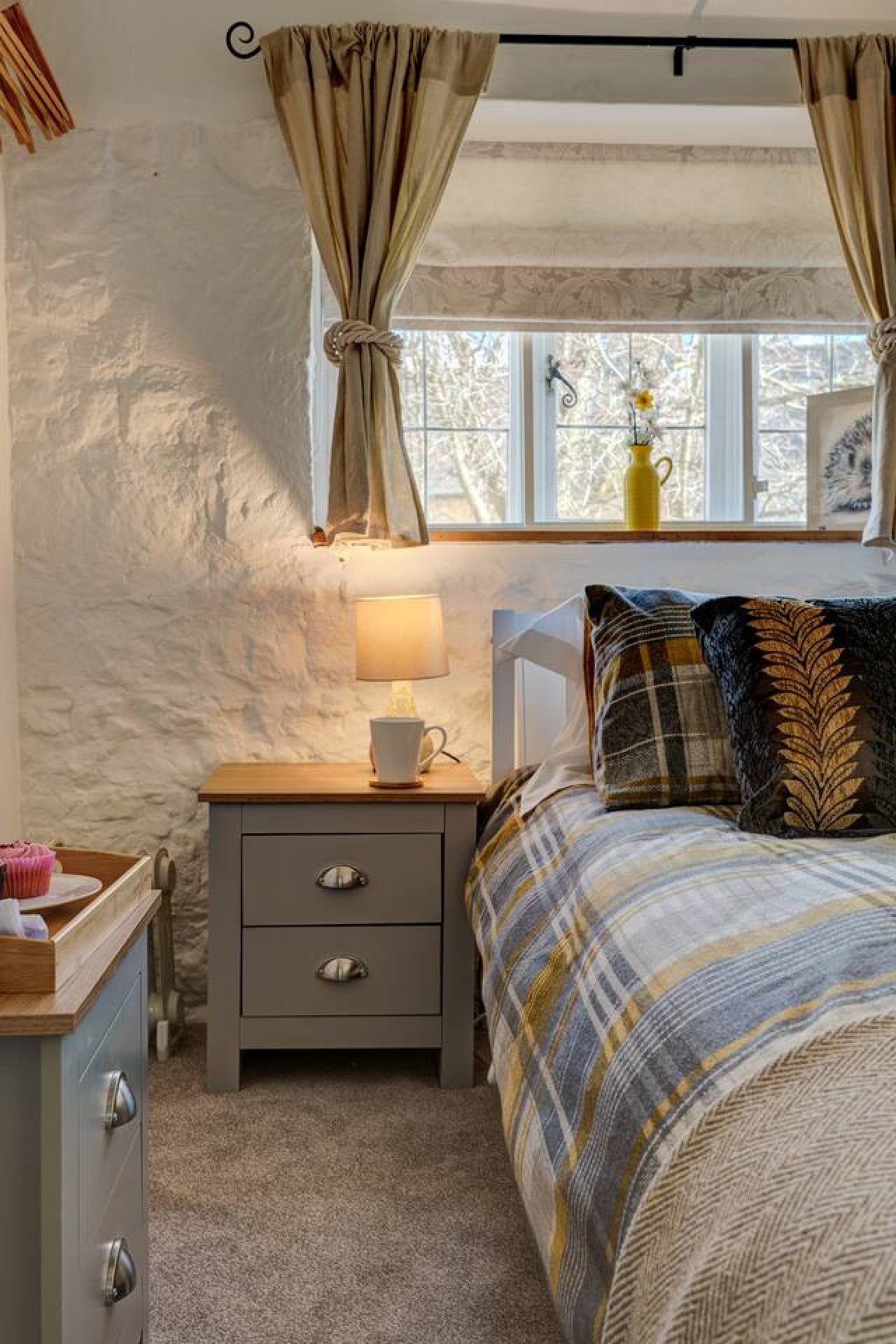
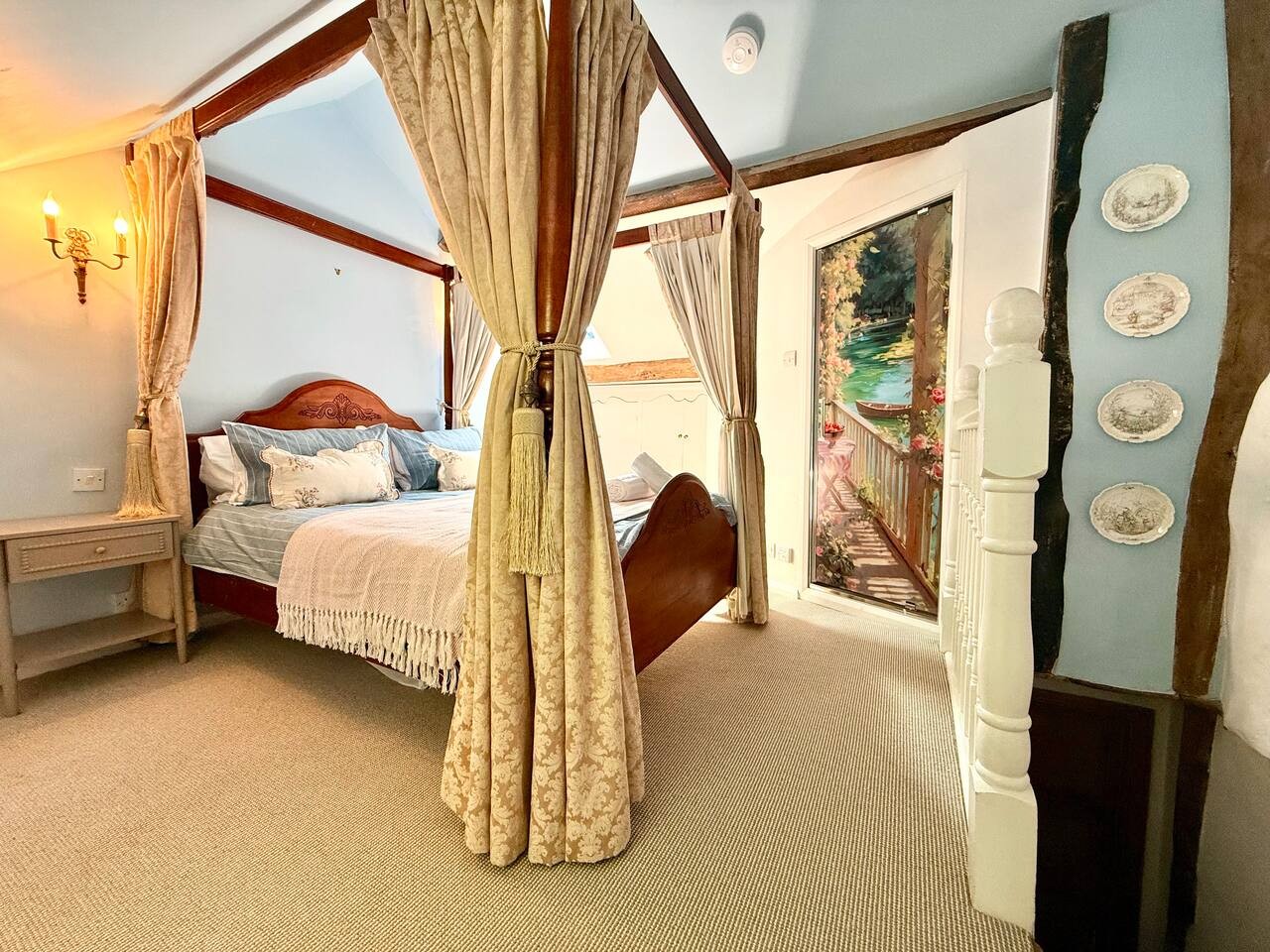
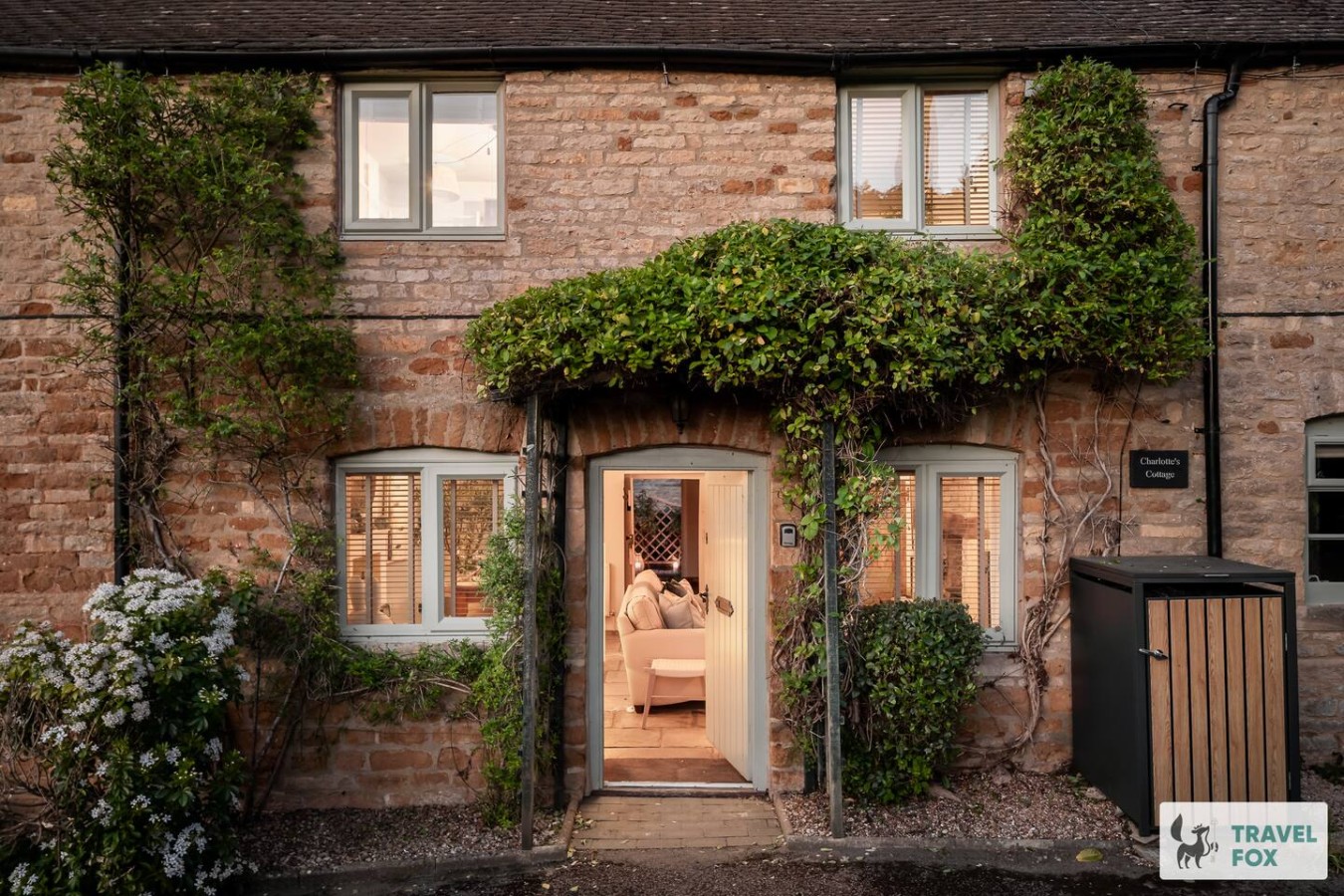
Travel Fox holiday homes around Cotswolds, linked directly to their property pages.
For homeowners
Own a holiday home near Brailes?
We manage holiday lets across the Cotswolds from 12% commission, charged after cleaning costs, with no lock-in. A co-founder visits before you decide.
Holiday let management in the Cotswolds →
A guide with a point of view
Written from research. Edited for real journeys.
Use the Official site links for live practical details, then use this guide for context, ideas and room to explore.
Sources
Every place on this page is checked against a published source. Each entry links the record we used and names who publishes it.
- The George at Brailes — thegeorgeatbrailes.co.uk operator, sector body or destination organisation
- St George's Church — historicengland.org.uk statutory register or public authority record not machine-readable; publisher restricts automated access
- Sutton Circular — brailesvillage.co.uk other published source
- Castle Hill Motte — historicengland.org.uk statutory register or public authority record not machine-readable; publisher restricts automated access
- Brailes Village Hall — brailes-pc.gov.uk statutory register or public authority
- Upton House and Gardens — nationaltrust.org.uk national body or asset manager
- Rollright Stones — rollrightstones.co.uk operator, sector body or destination organisation
- Cotswolds Distillery — cotswoldsdistillery.com operator, sector body or destination organisation