
Below Edge Hill
Radway
A spring-line village where wind-up audio guides, a church exhibition and a wooded ridge tell the story of the Battle of Edgehill.
- Best for
- Battlefield history and ridge walking
- Give it
- A half day, or longer for the full circuit
- Don't miss
- The free Battle of Edgehill exhibition in St Peter's
The Fox verdict
A small village with a ridge-sized story
Radway brings the opening major battle of the English Civil War into focus through its church exhibition, audio guides and paths below Edge Hill.
Start with the wind-up audio guides and St Peter's, then choose between the 5.4-mile circuit, the battlefield stone seat and the Castle at Edgehill on the summit. Nearby Kineton and the B4100 provide the practical food-shopping stops that Radway itself does not have.
Where to go
Places in Radway
Every place below is checked against a published source, listed with what it is and how long to give it.
Local signatures
3 placesBattle of Edgehill Exhibition
Artefacts, films, information boards, archaeological surveys, deployment plans and interactive displays explain the Battle of Edgehill.
- Visit length
- Editorial estimate: allow around 45 minutes
- Locality
- inside St Peter's Church
- Access
- The exhibition is free and permanent, and is presented as suitable for families.
Battlefield Stone Seat
An old stone seat overlooking the Royalist position, the medieval grange landscape and surviving ridge-and-furrow.
- Visit length
- Editorial estimate: allow around 20 minutes
- Locality
- below the Castle Inn beside a public footpath
- Access
- Public-footpath access across the registered battlefield itself is limited.
Radway Wind-up Audio Guides
Two handle-operated audio boxes tell the story of the battle fought on the ridge above Radway.
- Visit length
- Editorial estimate: allow around 15 minutes
- Locality
- at the main-road/West End corner and by the bus stop opposite the Village Hall
Food & drink
4 placesThe Castle at Edgehill
A Hook Norton country pub, restaurant and inn in an octagonal castellated Gothick tower, with home-cooked food, a garden and a small covered terrace with long views.
- Visit length
- Editorial estimate: allow around 90 minutes
- Locality
- on the Edge Hill summit
Corner Cottage Bakery
A bakery in nearby Kineton listed by Radway Parish Council among the closest shops.
- Visit length
- Editorial estimate: allow around 15 minutes
- Locality
- Kineton
H C Lewis Butchers
A butcher in nearby Kineton, identified there by its current business site.
- Visit length
- Editorial estimate: allow around 15 minutes
- Locality
- Kineton
Carpenters Farm Shop & Butchers
A nearby farm shop and butcher listed by Radway Parish Council as a local service.
- Visit length
- Editorial estimate: allow around 20 minutes
- Locality
- on the B4100 between the Warmington and Shotteswell turns
Walks & outdoors
1 placeEdge Hill and Ratley Circuit
The circuit climbs to the Centenary Way, follows part of the Battlefields Trail and visits Ratley and Arlescote before returning to Radway.
- Visit length
- Editorial estimate: Allow around 3 hours 20 minutes
- Locality
- from Radway
- Access
- Graded easy to moderate, with 900 feet of ascent; the route climbs steeply through woodland.
History & heritage
1 placeSt Peter's Church
Built in 1866 to Charles E. Buckeridge's Gothic Revival design, the church reuses stone from the medieval church at West End and contains Flemish glass and re-set monuments.
- Visit length
- Editorial estimate: allow around 30 minutes
- Locality
- Radway
No places match this filter. Choose All places to reset the list.
Three ways to explore Radway
Signature outings
Stone, glass and spire
St Peter's combines Buckeridge's 1866 Gothic Revival church with re-used medieval stone, Flemish glass and re-set monuments.
The Castle on Edge Hill
The octagonal castellated Gothick tower became an inn in 1822 and is now a Hook Norton pub with a garden and covered terrace.
Edge Hill on foot
The 5.4-mile circuit climbs through woodland to the Centenary Way and follows part of the Battlefields Trail through Ratley and Arlescote.
The village story
Radway beneath Edge Hill
The original Travel Fox account moves from the village's wind-up voices and hidden approach to its summit tower, church, battlefield paths and practical connections.
Voices beneath the ridge
Two wind-up audio boxes stand in Radway. One is at the corner where the main road meets West End; the other is by the bus stop opposite the Village Hall. You turn the handle and they tell you about the battle fought on the ridge above.
The ridge is Edge Hill, and Radway sits at the foot of it — a spring-line village of about 250 people at the north-eastern edge of the Cotswolds National Landscape. Mature trees and layered hedges hide most of it on the approach, so that from some directions the spire of St Peter's is the first thing you see. Around the houses there is grazed parkland and the corrugated survival of ridge-and-furrow.
The Castle and nearby provisions
The pub is not in the village. It is up on the summit, and it is a castle. Sanderson Miller, who owned Radway Grange, built himself an octagonal castellated Gothick tower here in the 1740s — Historic England dates it to about 1746–47, while Hook Norton says work began in 1742 and it opened in 1750. It became an inn in 1822 and the Hook Norton Brewery bought it in 1922. It is now the Castle at Edgehill, a Hook Norton pub run by Mark Higgs, with a garden and a small covered terrace looking out over the neighbouring counties. The food is home-cooked; one visitor, Yvonne, summed the place up as "Stunning views and really good food." The tower is still sometimes called the Round Tower, or Radway Tower.
For everyday shopping you go to nearby Kineton, which has a bakery, a butcher, a Co-op, a post office and cafés. Corner Cottage Bakery and the butcher H C Lewis are both there. Carpenters Farm Shop and Butchers sits out on the B4100, between the Warmington and Shotteswell turns.
St Peter's and the battle
St Peter's is younger than it looks. It was built in 1866 to a Gothic Revival design by Charles E. Buckeridge, using stone carried down from the dilapidated medieval church at West End. It is coursed Hornton ironstone, with an aisled nave, a three-bay chancel, a west tower and a broach spire. Four panels of 16th- and 17th-century Flemish glass, said to have come from the Edgehill tower, survive in the south aisle, and the re-set monuments inside include a medieval priest, Sanderson Miller himself, and Captain Henry Kingsmill, killed at Edgehill in 1642.
The church also holds a free permanent exhibition about that battle — artefacts, films, information boards, archaeological surveys, deployment plans and interactive displays, laid out for families as much as for historians. The Battle of Edgehill, fought on 23 October 1642, was the first major set-piece of the English Civil War: some 14,000 Royalists held the ridge, an almost equal Parliamentary army faced them, and by dusk neither had won. Below the Castle at Edgehill an old stone seat sits beside a footpath, looking out over the Royalist ground and the grange landscape.
Paths, landscape and the private Grange
Walkers have a proper circuit from the village: a 5.4-mile loop, graded easy to moderate, that climbs steeply through woodland to the Centenary Way, picks up part of the Battlefields Trail and takes in Ratley and Arlescote before dropping back. The paths beside Townsend Farm and Radway Grange are steep; the one from West End past the old church site to King John's Lane can be muddy after horses have used it. Upton House, National Trust, is close by, with its own walk up to the Edge Hill viewpoint.
Radway Grange, where Miller reshaped the landscape, is private and not open to visitors. Henry Fielding is said to have read part of Tom Jones at a house party there before it was published, and ancestors of George Washington are supposed to have lived in the house. The Domesday surveyors recorded 33 households and valued the three holdings at four pounds and fifteen shillings.
Connections and a final turn of the handle
Banbury station is about eight miles away, with parking and trains to London Marylebone; the 76A bus runs through to Stratford and Banbury, Monday to Saturday — check the live timetable before travel. When you leave, the last thing to do is turn the handle on one of those audio boxes and let it finish its sentence.
Stay around Cotswolds
Make a longer stay of it
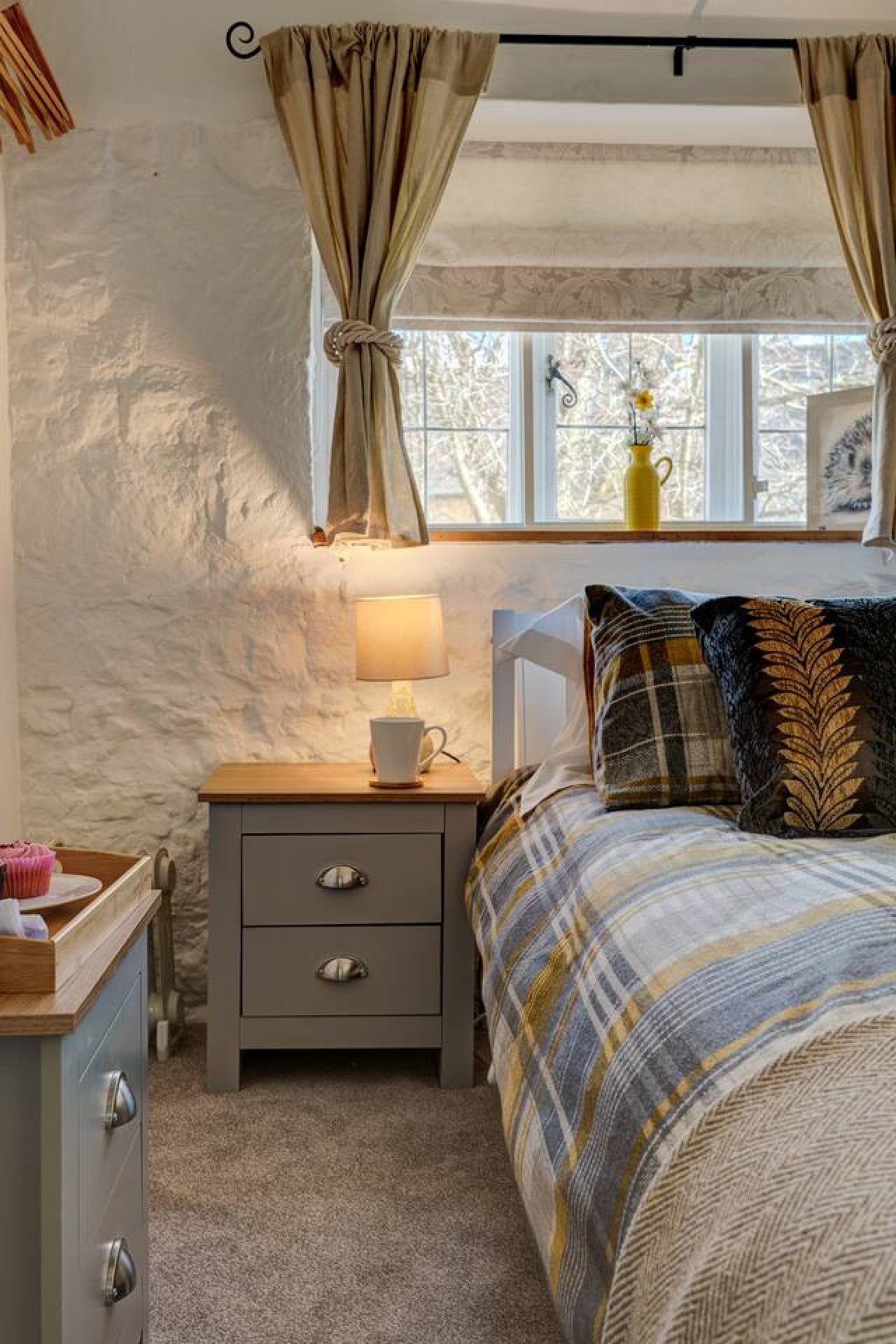
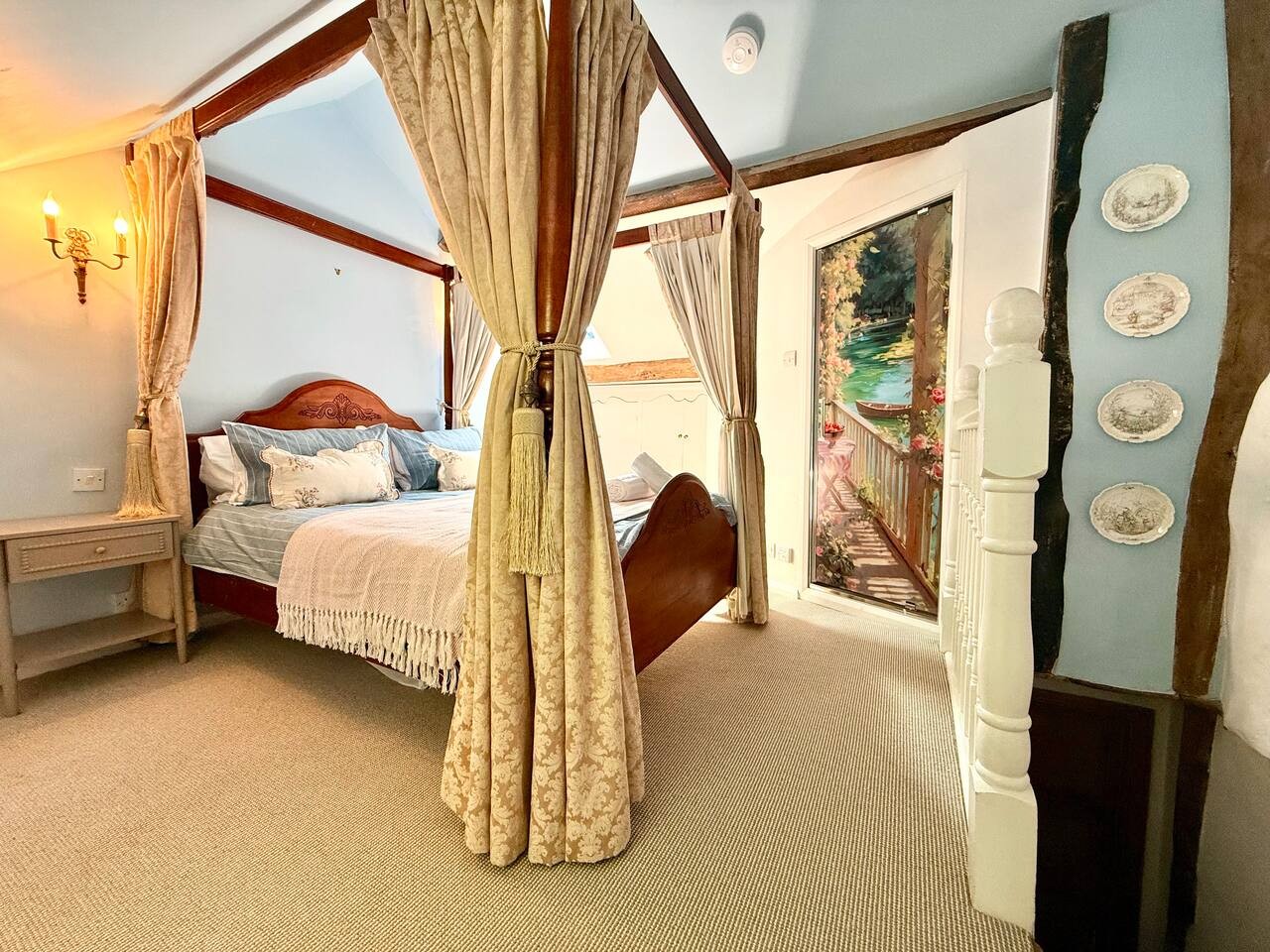
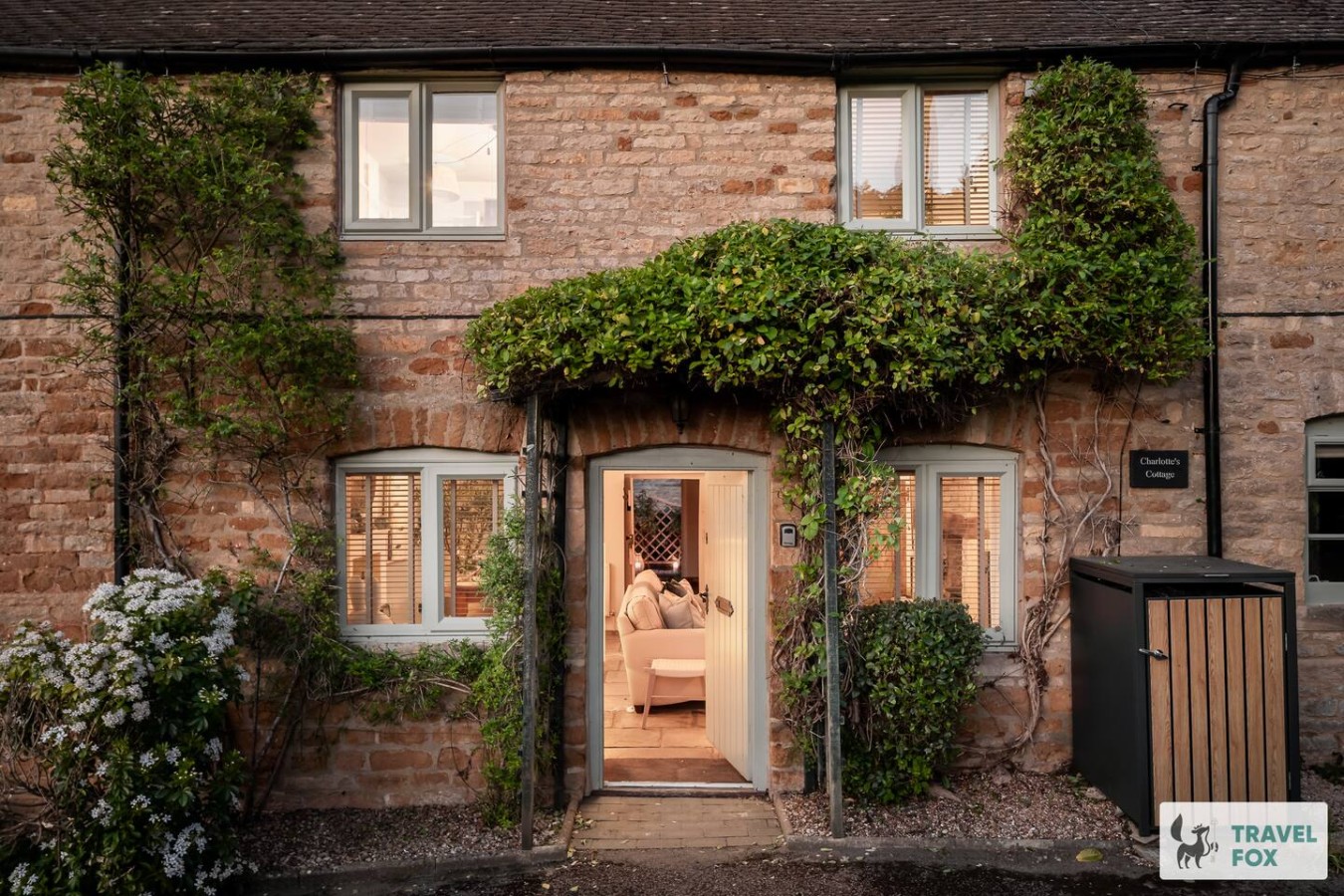
Travel Fox holiday homes around Cotswolds, linked directly to their property pages.
For homeowners
Own a holiday home near Radway?
We manage holiday lets across the Cotswolds from 12% commission, charged after cleaning costs, with no lock-in. A co-founder visits before you decide.
Holiday let management in the Cotswolds →
A guide with a point of view
Written from research. Edited for real journeys.
Use the Official site links for live practical details, then use this guide for context, ideas and room to explore.
Sources
Every place on this page is checked against a published source. Each entry links the record we used and names who publishes it.
- St Peter's Church — radwayparishcouncil.org.uk other published source
- Battle of Edgehill Exhibition — edgehillchurches.org operator, sector body or destination organisation
- The Castle at Edgehill — hooky.co.uk other published source
- Edge Hill and Ratley Circuit — walkingbritain.co.uk other published source
- Battlefield Stone Seat — historicengland.org.uk statutory register or public authority record not machine-readable; publisher restricts automated access
- Radway Wind-up Audio Guides — radwayparishcouncil.org.uk operator, sector body or destination organisation
- Corner Cottage Bakery — radwayparishcouncil.org.uk other published source
- H C Lewis Butchers — kinetonbiz.wixsite.com other published source
- Carpenters Farm Shop & Butchers — radwayparishcouncil.org.uk other published source