
Warwickshire's historic ridge
Edgehill
An ornamental castle, a steep Cotswold escarpment and the plain where England's first major Civil War battle ended without a decision.
- Best for
- Escarpment walks and Civil War history
- Landscape
- A west-facing ridge above the Warwickshire plain
- Don't miss
- The Castle's battlefield-facing beer garden
The Fox verdict
A small hilltop place with an unusually long view
Come for the sham castle and escarpment, then connect the ridge to the battlefield story, Radway's exhibition and Upton House.
Edgehill's appeal is concentrated rather than extensive: the Castle combines an eighteenth-century eyecatcher, pub and gin school, while the surrounding ridge opens onto a battlefield landscape. Nearby houses, churches and the National Trust walk give the visit enough depth for a full day.
Where to go
Places in Edgehill
Every place below is checked against a published source, listed with what it is and how long to give it.
Local signatures
3 placesPinnock Distillery and Castle Gin School
A small-batch distillery and bookable gin school where guests choose botanicals and make a recipe on a mini copper still; shorter tastings are also offered.
- Visit length
- Editorial estimate: allow around 2 hours for a booked gin-school session
- Locality
- At the top of Radway Tower
- Access
- The top of the tower is reached by 57 stairs, including a narrow spiral section.
Upton House and Gardens
A National Trust 1930s country retreat with terraced gardens and a major art collection, and the start of the 2.3-mile Edge Hill walk.
- Visit length
- Editorial estimate: allow around 2 hours
- Locality
- On the A422 at Edge Hill
St Peter's Church, Radway
An 1866 church containing re-set memorials to Captain Henry Kingsmill and Sanderson Miller, plus the permanent People's Struggle battlefield exhibition.
- Visit length
- Editorial estimate: allow around 45 minutes
- Locality
- Radway
- Access
- Footpaths back towards Edgehill are steep.
Food & drink
1 placeThe Castle at Edgehill
A country pub, restaurant and five-room inn in Sanderson Miller's Grade II* ornamental sham castle, built around 1746–47 in ironstone ashlar.
- Visit length
- Editorial estimate: allow around 90 minutes
- Locality
- Edgehill
- Access
- Dogs are welcome, and the beer garden looks over the battlefield and Warwickshire plain.
Walks & outdoors
1 placeEdge Hill Views Walk
An easy 2.3-mile route reaching roughly 700 feet, with views over the battlefield and, in clear weather, perhaps as far as the Malvern Hills.
- Visit length
- Editorial estimate: 1–1.5 hours
- Locality
- From Upton House
- Access
- The ridge can be slippery when wet; dogs are permitted on leads.
History & heritage
3 placesSt Peter ad Vincula, Ratley
A Grade II* church of local golden Edge Hill stone, with a medieval preaching cross, two exterior mass dials and an unusual pillar supporting four arches.
- Visit length
- Editorial estimate: allow around 45 minutes
- Locality
- Ratley
Compton Verney
An art gallery in a Robert Adam mansion surrounded by a Capability Brown-designed park.
- Visit length
- Editorial estimate: allow around 2 hours
- Locality
- Near Kineton
Old Stone Seat below the Castle Inn
An old stone seat set into the slope, facing across the plain where the two armies met in 1642.
- Visit length
- Editorial estimate: allow around 20 minutes
- Locality
- Below the Castle Inn
Things to do
1 placeEdgehill Gliding Centre
A BGA-accredited Junior Gliding Centre on the former RAF Edgehill airfield, with access to the local ridge and winter soaring.
- Visit length
- Editorial estimate: allow around 2 hours
- Locality
- Shenington Airfield
No places match this filter. Choose All places to reset the list.
Three ways to explore Edgehill
Signature outings
Supper at the sham castle
Settle into the Castle at Edgehill, an eighteenth-century ornamental tower whose beer garden looks over the battlefield and Warwickshire plain.
Medieval details at Ratley
Find the churchyard preaching cross, exterior mass dials and golden Edge Hill stone at St Peter ad Vincula.
Walk out to the long view
Take the 2.3-mile route from Upton House to the ridge for battlefield views and, in clear weather, a possible sightline to the Malvern Hills.
The village story
Edgehill Village Guide
A source-locked journey from Sanderson Miller's tower across the escarpment, battlefield landscape and nearby parish.
Castle, inn and ales
The building that dominates Edgehill is an octagonal tower with battlements, machicolations and a Gothick upper room — an ornamental sham castle rather than a real one. Sanderson Miller raised it in ironstone around 1746 as an eyecatcher for his Radway estate, modelled on Guy's Tower at Warwick Castle and placed on the spot where the Royal standard was said to have flown before the battle of 1642. Today it is The Castle at Edgehill: a pub, restaurant and five-room inn, with a beer garden that looks out over the old battlefield and the Warwickshire plain.
Recent dishes have included steak and chips, venison lasagne, and fish and chips with mushy peas. The regular cask beer is Hook Norton Hooky, with Hook Norton Flagship among the changing ales, alongside real cider. Dogs are made welcome. Many reviews mention the setting, and one visitor rated the chips "the best in England by far."
Gin above the escarpment
Up the tower, reached by fifty-seven stairs and a narrow spiral, is Pinnock Distillery and the Castle Gin School. Dan Beckett founded it, and its Warwickshire Dry Gin is made with locally sourced honey, lavender and quince; there are Rhubarb and Strawberry and Sloe, Damson and Honey blends too. You can book a session, choose your own botanicals and make a recipe on a mini copper still, or take a shorter tasting instead.
Edgehill sits on a steep, west-facing edge of the escarpment that forms the north-eastern outcrop of the Cotswolds. Ratley, Edgehill and Upton together make Warwickshire's highest parish, at around 200 metres, and the land drops away sharply to the plain. The walking follows the ridge. From Upton House there is an easy route of about 2.3 miles across arable fields and woodland to the escarpment, reaching roughly 700 feet; in clear weather the view stretches perhaps forty miles to the Malvern Hills. The ground gets slippery when wet, and dogs are allowed on leads. Footpaths run steeply down to Radway and back, and near Upton House the Centenary Way and Millennium Way pass close by for anyone wanting a longer day.
Country houses, churches and battle
Upton House itself, a National Trust place on the A422, is a 1930s country retreat with terraced gardens and a serious art collection, and the start of that Edge Hill walk. Down in Radway, St Peter's church holds a permanent battlefield exhibition, "The People's Struggle," and re-set memorials that include Captain Henry Kingsmill, killed fighting for Charles I, and Sanderson Miller himself. The older parish church, St Peter ad Vincula at Ratley, is built of golden Edge Hill stone and keeps a medieval preaching cross in its churchyard, two mass dials scratched into the outside walls, and a single pillar carrying four arches.
The battle that gives the ridge its fame was fought on 23 October 1642, on the plain below rather than in the hamlet. The Royalists held the high ground, about fourteen thousand strong; a nearly equal Parliamentarian army deployed towards Kineton. The first attack gained some ground, but confusion, exhaustion and dusk brought England's first major Civil War battle to a close without a decision. A little of the older landscape survives in the fields, where you can still make out ridge-and-furrow.
From jet tests to today's journey
The escarpment kept working after that. At what was RAF Edgehill, the Gloster E28/39 made test flights in 1942 as Britain's first jet aircraft; the eighty-acre field is now home to the Edgehill Gliding Centre, and the ridge that carried horsemen in 1642 now lifts gliders on a winter afternoon.
Banbury station, about seven or eight miles off and managed by Chiltern Railways, is the nearest railhead, with step-free access to every platform. The village is reached from the A422 Banbury–Stratford road, with the M40 at Gaydon roughly seven miles away, and the 76A bus runs between Stratford and Banbury. For daily shopping the parish points you towards Tysoe and Kineton.
A last look across the plain
Below the pub there is an old stone seat set into the slope, facing out over the field where the two armies met. It is a good place to sit for a while and watch the light move across the plain before walking back up for supper.
Stay around Cotswolds
Make a longer stay of it
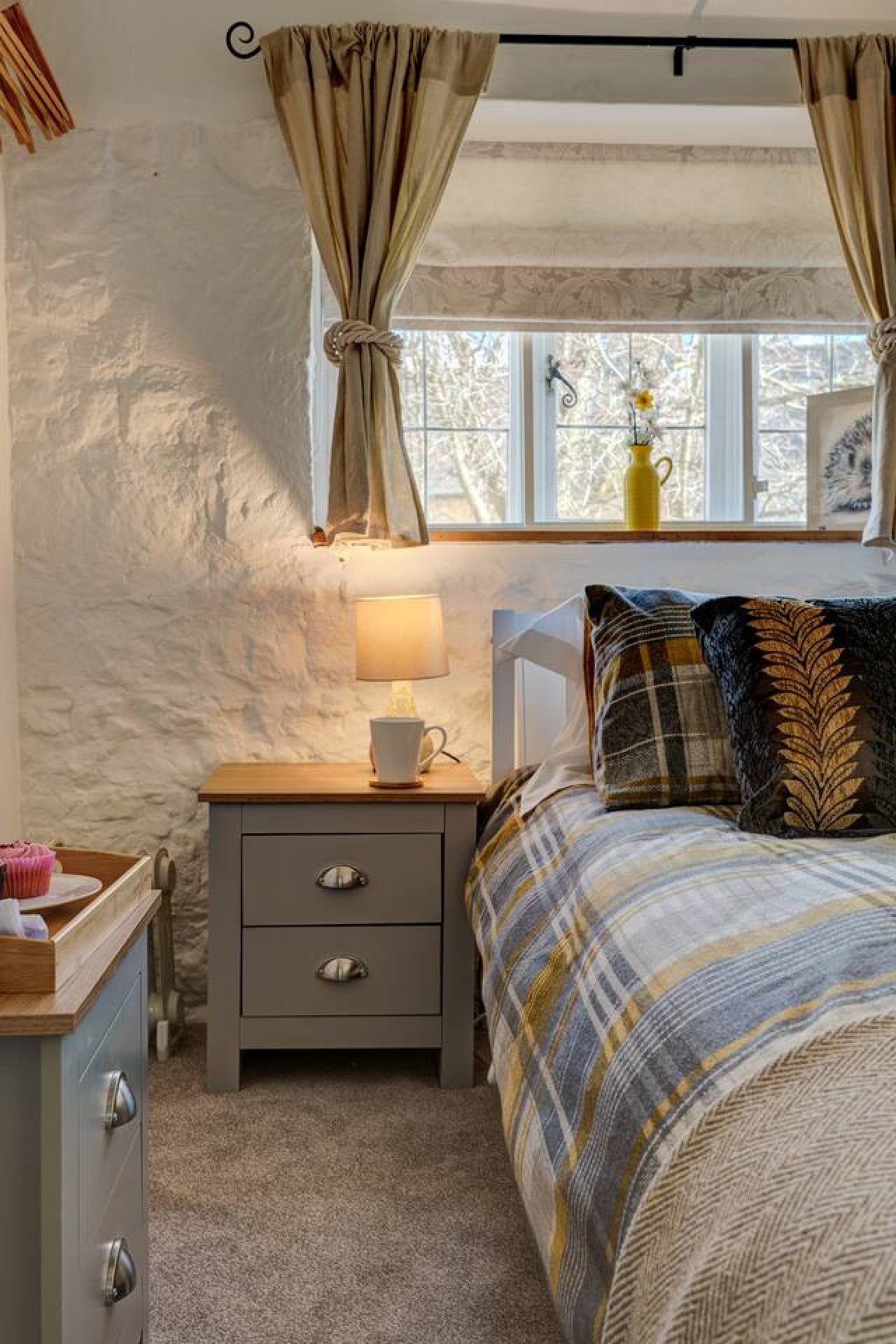
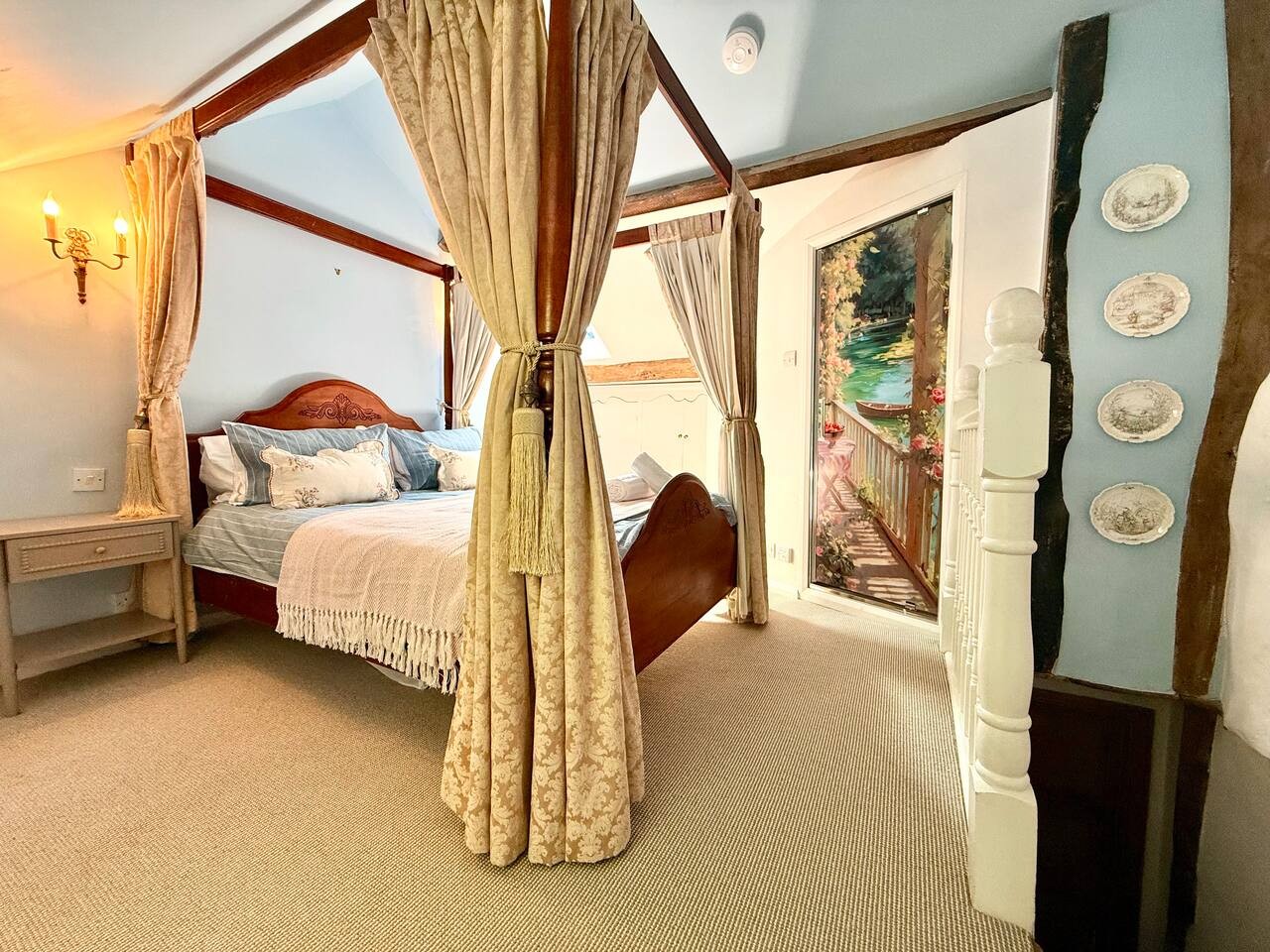
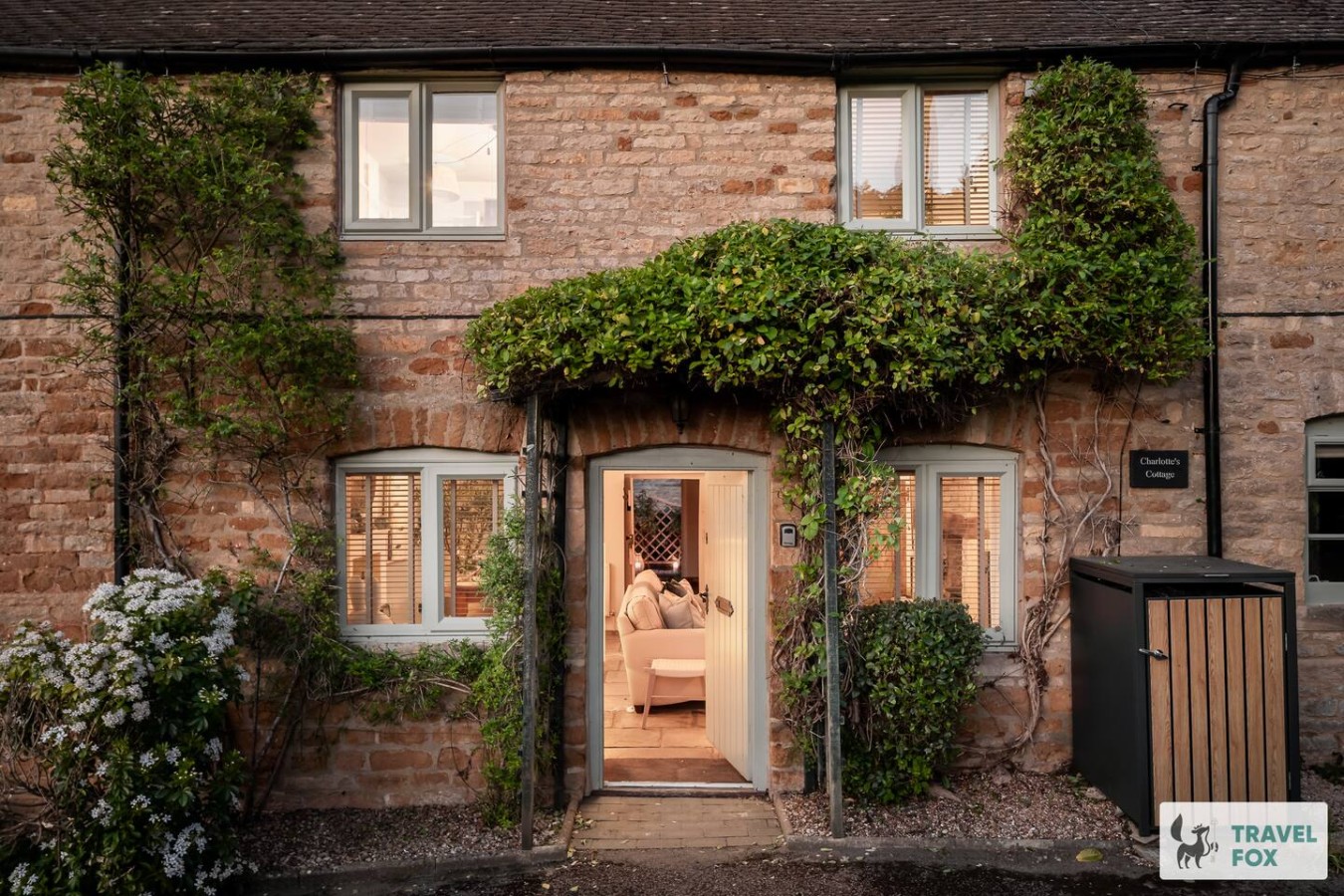
Travel Fox holiday homes around Cotswolds, linked directly to their property pages.
For homeowners
Own a holiday home near Edgehill?
We manage holiday lets across the Cotswolds from 12% commission, charged after cleaning costs, with no lock-in. A co-founder visits before you decide.
Holiday let management in the Cotswolds →
A guide with a point of view
Written from research. Edited for real journeys.
Use the Official site links for live practical details, then use this guide for context, ideas and room to explore.
Sources
Every place on this page is checked against a published source. Each entry links the record we used and names who publishes it.
- The Castle at Edgehill — historicengland.org.uk statutory register or public authority record not machine-readable; publisher restricts automated access
- Pinnock Distillery and Castle Gin School — pinnockdistillery.com operator, sector body or destination organisation
- Edge Hill Views Walk — nationaltrust.org.uk national body or asset manager
- Upton House and Gardens — nationaltrust.org.uk national body or asset manager
- St Peter's Church, Radway — historicengland.org.uk statutory register or public authority record not machine-readable; publisher restricts automated access
- St Peter ad Vincula, Ratley — nationalchurchestrust.org national body or asset manager
- Edgehill Gliding Centre — edgehillgliding.com operator, sector body or destination organisation
- Compton Verney — comptonverney.org.uk operator, sector body or destination organisation
- Old Stone Seat below the Castle Inn — historicengland.org.uk statutory register or public authority record not machine-readable; publisher restricts automated access