
The Great Border City
Carlisle
A border city of castle and cathedral, a Victorian market and riverside parks at the meeting of three rivers.
- Best for
- Border history, city markets and riverside parks
- Give it
- A day for the historic sights and the Eden
- Don't miss
- The cathedral's 51-foot East Window
Photo: Euan Nelson · CC BY-SA 2.0 · cropped
The Fox verdict
A border city with its history still in view
Carlisle brings a much-besieged castle, a compact monastic cathedral, a Victorian market and river parks into one city visit.
The strongest day moves between Carlisle Castle and the cathedral, pauses for the city's Victorian market and local food, then opens out beside the Eden. Tullie adds hands-on Roman and Border displays, while the surviving State Management Scheme pub gives the city's drinking history an unusual final chapter.
Where to go
Places in Carlisle
Every place below is checked against a published source, listed with what it is and how long to give it.
Local signatures
3 placesCarlisle Market Hall
One of the country's few remaining Victorian covered markets, opened in 1889 and still home to an eclectic mix of small traditional and modern retailers.
- Visit length
- Editorial estimate: allow around 60 minutes
- Locality
- Pedestrianised city centre, with a bus stop on its doorstep
Tullie
Reopened after redevelopment in April 2025, with hands-on Border Galleries exhibits including a Roman weapon, a life-sized section of Hadrian's Wall and Roman dressing-up.
- Visit length
- Editorial estimate: allow around 90 minutes
- Locality
- Carlisle
Talkin Tarn Country Park
A glacial lake around ten minutes' drive from Carlisle, with watersports, picnics, an accessible path and a stargazing pavilion.
- Visit length
- Editorial estimate: allow around 120 minutes
- Locality
- About 10 minutes' drive from Carlisle
Food & drink
3 placesThe Kings Head
A traditional city-centre pub with an excellent range of real ales and lagers; ale is reputed to have been available on the site as early as the 10th century.
- Visit length
- Editorial estimate: allow around 60 minutes
- Locality
- Fisher Street, behind the Town Hall and next to the Guildhall
The Spinners Arms
Harry Redfern's Grade II listed 1930 pub retains open fires, tiled fireplaces, wood panelling and decorative guttering, and has brewed its own traditional ales since 2013.
- Visit length
- Editorial estimate: allow around 60 minutes
- Locality
- Carlisle
Cranstons Carlisle Food Hall
A local-produce food hall with award-winning butchery and deli, bread and cakes from Gretna Bakery and Bryson's of Keswick, and wines and ales from several Cumbrian breweries.
- Visit length
- Editorial estimate: allow around 45 minutes
- Locality
- Fisher Street, entrance next to the Town Hall past Franco's Italian Restaurant
Walks & outdoors
1 place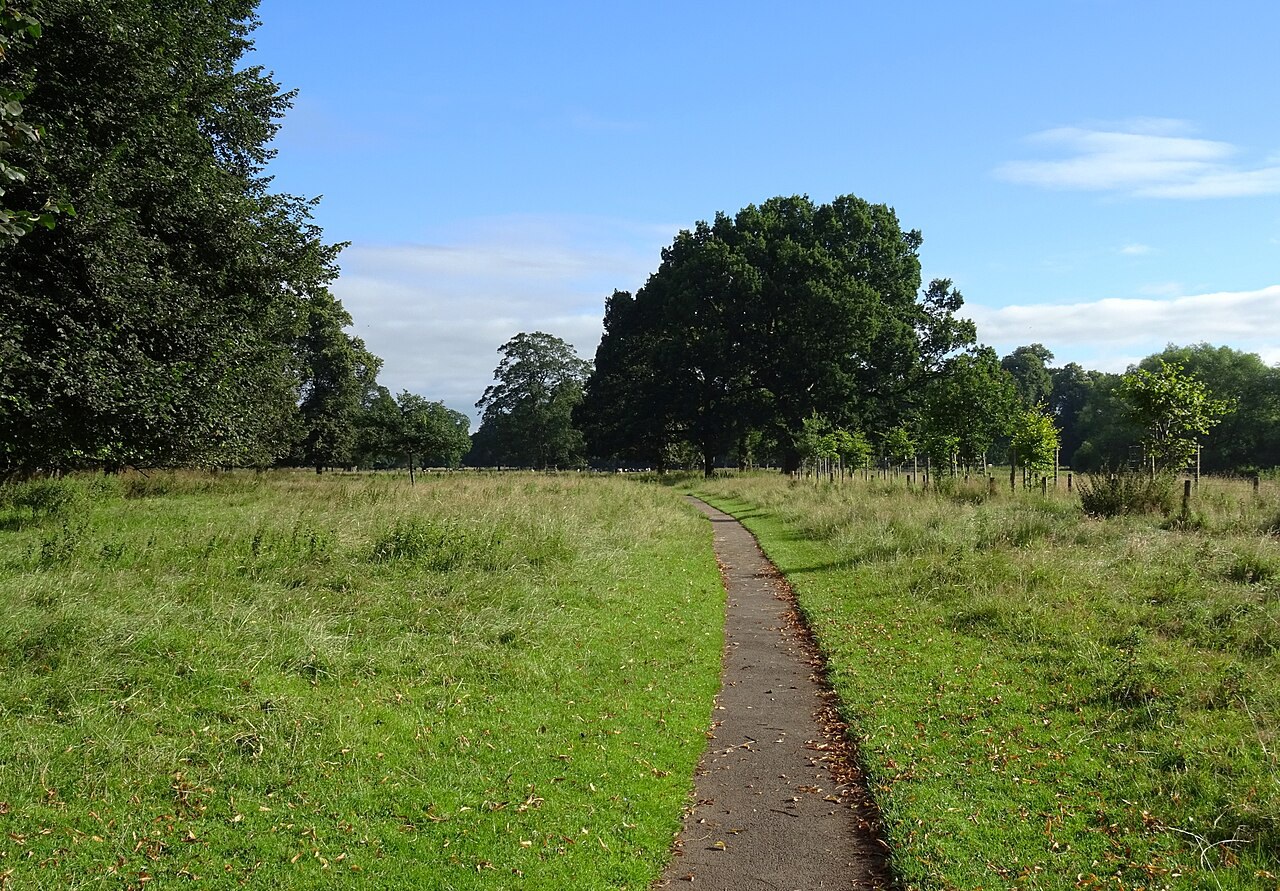
Rickerby Park
Traditional Victorian parkland on the Eden, with floral displays, rhododendrons, golden weeping willows and a wildlife-rich Riverside Trail.
- Visit length
- Editorial estimate: allow around 75 minutes
- Locality
- On the banks of the Eden
History & heritage
2 places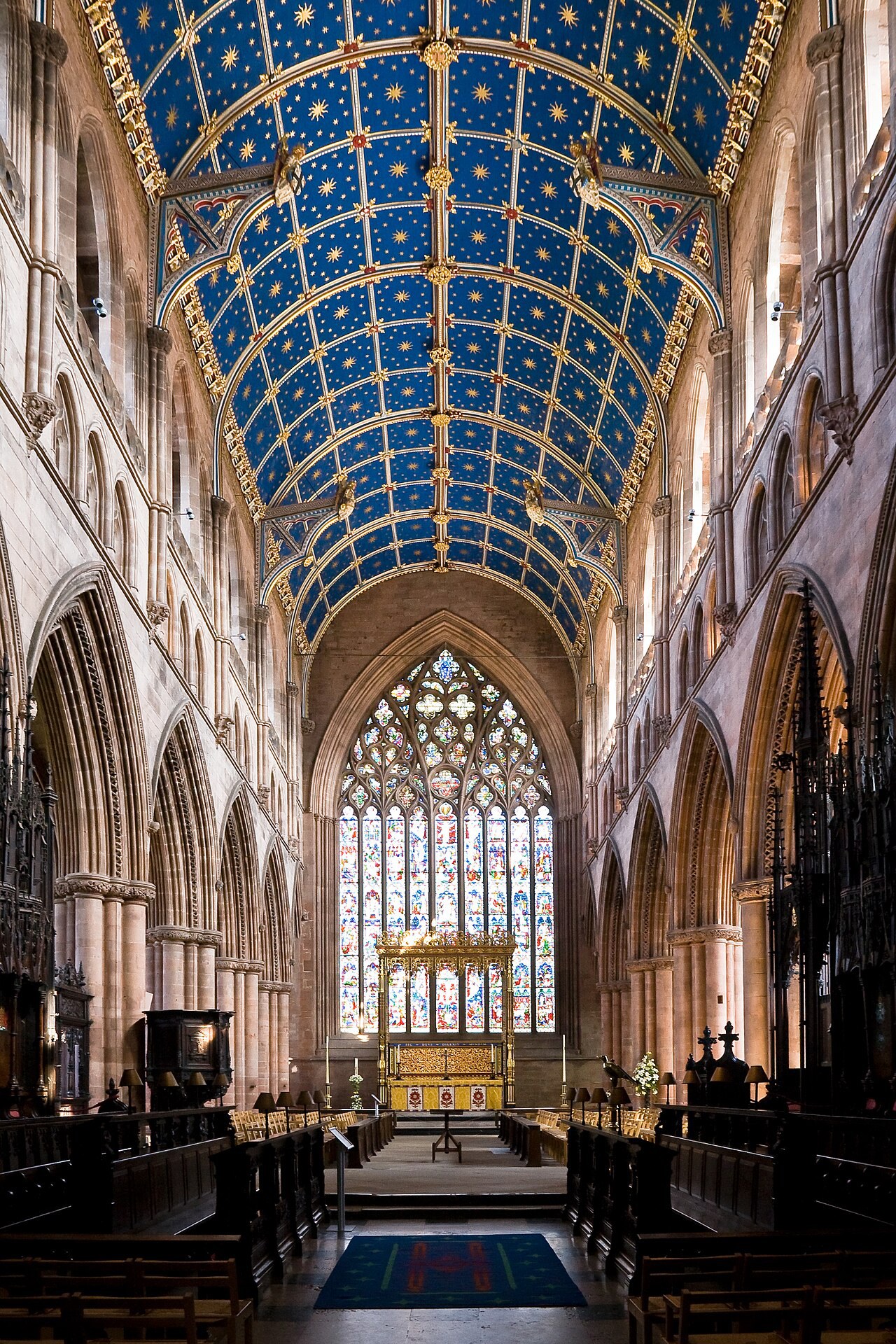
Carlisle Cathedral
A Grade I listed cathedral with 12th-century origins, a 51-foot East Window and 46 carved early-15th-century choir stalls with misericords.
- Visit length
- Editorial estimate: allow around 60 minutes
- Locality
- Carlisle
Carlisle Castle
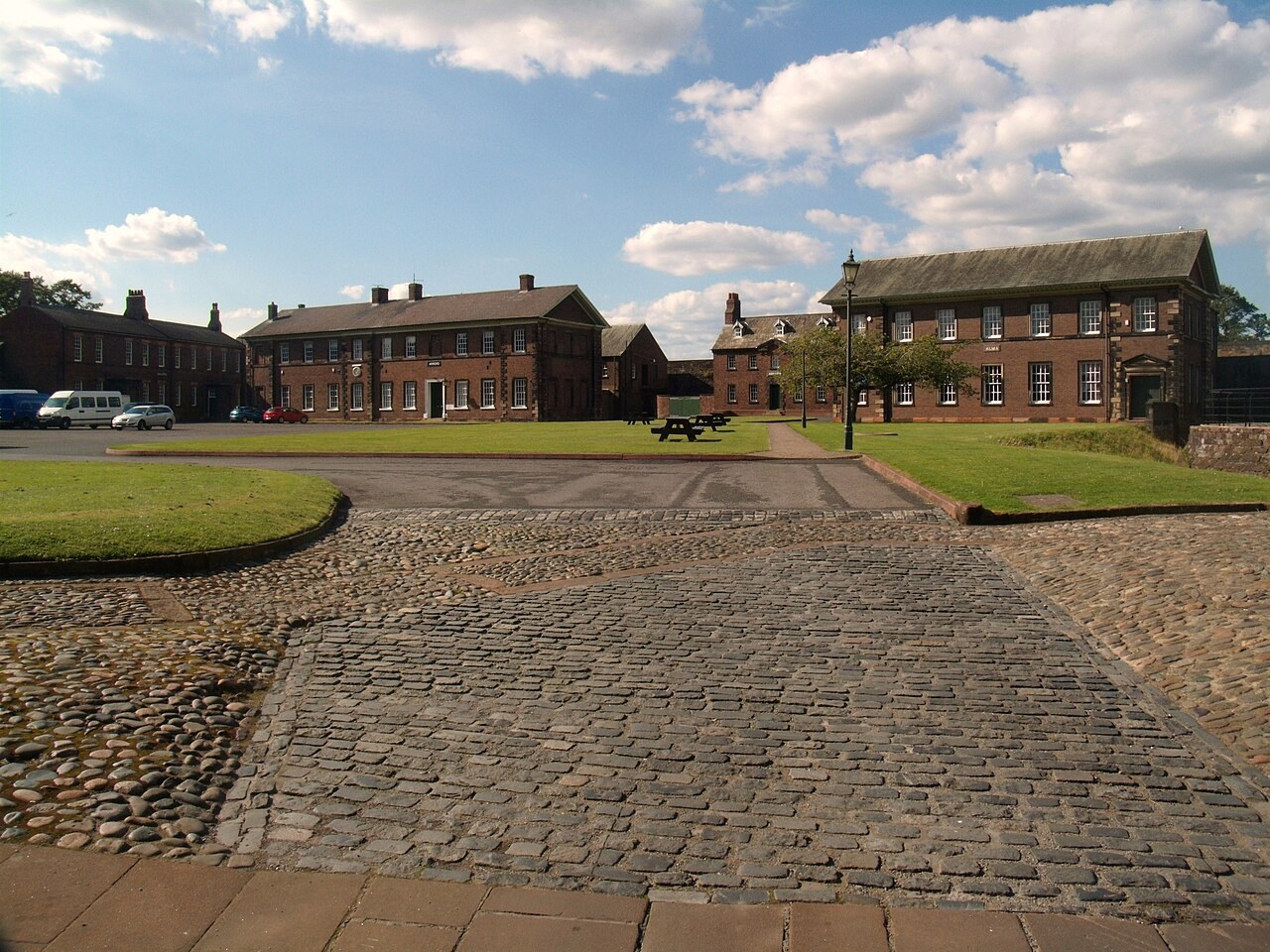
The much-besieged border stronghold was first built under William II and held Mary, Queen of Scots for a few months in 1568.
- Visit length
- Editorial estimate: allow around 90 minutes
- Locality
- Carlisle
Things to do
1 placeBitts Park
A large riverside park by Carlisle Castle with play areas, also crossed by the Carlisle and River Eden circular.
- Visit length
- Editorial estimate: allow around 60 minutes
- Locality
- Riverside, by the castle
No places match this filter. Choose All places to reset the list.
Three ways to explore Carlisle
Signature outings
Follow a Queen into the Castle
Explore the castle where Mary, Queen of Scots was held for a few months in 1568.
Find the Great East Window
Study the cathedral's 51-foot, nine-light East Window, whose tracery was drafted from 263 points.
Walk through Victorian Parkland
Take in Rickerby Park's rhododendrons, golden weeping willows and wildlife-rich Riverside Trail.
The town story
Carlisle Town Guide
Pubs once run by the state, a repeatedly besieged castle and a cathedral shortened by war reveal Carlisle's border character.
Ale and the Carlisle Experiment
On Fisher Street, behind the Town Hall, ale has reportedly been sold on the site of the Kings Head since the tenth century. The current pub keeps a good range of real ales and serves food from opening until three in the afternoon, Monday to Saturday, and Solway CAMRA named it City Pub of the Year several times between 2008 and 2013. It is not the strangest thing about drinking in Carlisle.
That distinction goes to the fact that, from 1916 to 1973, the pubs here were owned by the government. Munitions workers at nearby Gretna were drinking heavily, so the state nationalised the brewing and selling of alcohol across the city, closed 53 of the 118 pubs, and had an architect called Harry Redfern design model replacements. One survives as the Spinners Arms — built in 1930, Grade II listed, with open fires, tiled fireplaces, wood panelling and decorative guttering. It has been in the Good Beer Guide every year since 2008 and now brews its own ales on the premises.
Markets and the Cathedral
A few doors from the Kings Head is Cranstons Food Hall, with an award-winning butchery and deli, bread and cakes from Gretna Bakery and Bryson's of Keswick, and Cumbrian wines and ales. For something older, the Market Hall is one of the few Victorian covered markets left in the country, opened in 1889 and still full of small traders.
The cathedral is worth going inside for one thing in particular. Its East Window is the largest in the Flowing Decorated Gothic style in England — 51 feet high, nine lights, tracery drafted from 263 separate points. There are 46 carved choir stalls with misericords from the early fifteenth century. The building is unusually short because during the Civil War the Scottish Presbyterian army pulled down much of the nave and used the stone to reinforce the castle up the road.
Sieges, Queens and a Curse
That castle is described by English Heritage as "the most besieged place in the British Isles." Mary, Queen of Scots was held here for a few months in 1568; keeping her fed cost Elizabeth I an average of £56 a week in food and wine.
There is also a cursed granite boulder. In 2001 the city inscribed a fourteen-tonne stone with part of a 1,069-word curse laid on the Border Reivers by the Archbishop of Glasgow in 1525, and installed it in the subway between Tullie House and the castle. When a run of misfortunes followed, some locals blamed the stone and campaigned to have it removed. Tullie House itself reopened in 2025; you can fire a Roman weapon, climb a section of Hadrian's Wall, and pull a sword from a stone.
River Parks and Railways
Carlisle sits where the Eden, Caldew and Petteril meet, which is scenic and also why the city floods. A 3.5-mile circular loops from the castle grounds along both banks of the Eden through Bitts Park and Rickerby Park, Victorian parkland with rhododendrons and weeping willows.
The Citadel — twin sandstone rotundas, the old southern gate — stands opposite the station, where West Coast Main Line trains run to London and Glasgow and the Settle line climbs off south from bay platforms 5 and 6. Carr's has been baking biscuits here since 1831. The locals still call it that.
Stay around Cumbria
Make a longer stay of it
Travel Fox holiday homes around Cumbria, linked directly to their property pages.
A guide with a point of view
Written from research. Edited for real journeys.
Use the Official site links for live practical details, then use this guide for context, ideas and room to explore.
Photography credits & licences
Third-party photographs are credited to their named creators and reused under the linked Creative Commons licence or public-domain dedication. Travel Fox stores an optimised local copy; the file-specific changes and any browser-applied display crop are disclosed below. Reused photographs link both to the Wikimedia Commons source record and to the declared source image; Travel Fox's own photographs carry no such record and are marked as ours. These image licences do not cover Travel Fox text, branding or page design.
- File:Parade ground, Carlisle Castle - geograph.org.uk - 2518497.jpg — photograph by Euan Nelson; Parade ground, Carlisle Castle by Euan Nelson. Source record on Wikimedia Commons. Declared source image. Licence: CC BY-SA 2.0. File changes: Downloaded from Wikimedia Commons, resized to a maximum 1920px edge and encoded as an optimised JPEG. Display changes: Displayed with responsive CSS cropping.
- File:Carlisle Cathedral TheNave.jpg — photograph by CarlisleCathedral-Cumbria-1.jpg : Catriona Savage from Paris, France uploaded and derivative work by: MrPanyGoff; CarlisleCathedral-Cumbria-1.jpg. Source record on Wikimedia Commons. Declared source image. Licence: CC BY 2.0. File changes: Downloaded from Wikimedia Commons, resized to a maximum 1920px edge and encoded as an optimised JPEG. Display changes: Displayed with responsive CSS cropping.
- File:St. Aidan's Road, Rickerby Park, Carlisle - geograph.org.uk - 6445693.jpg — photograph by habiloid; St. Aidan's Road, Rickerby Park, Carlisle by habiloid. Source record on Wikimedia Commons. Declared source image. Licence: CC BY-SA 2.0. File changes: Downloaded from Wikimedia Commons, resized to a maximum 1920px edge and encoded as an optimised JPEG. Display changes: Displayed with responsive CSS cropping.
Sources
Every place on this page is checked against a published source. Each entry links the record we used and names who publishes it.
- The Kings Head — kingsheadcarlisle.co.uk operator, sector body or destination organisation
- The Spinners Arms — carlislerealale.com other published source
- Cranstons Carlisle Food Hall — cranstons.net operator, sector body or destination organisation
- Carlisle Market Hall — cumberland.gov.uk statutory register or public authority
- Carlisle Cathedral — carlislecathedral.org.uk operator, sector body or destination organisation
- Carlisle Castle — english-heritage.org.uk national body or asset manager
- Tullie — tullie.org.uk operator, sector body or destination organisation
- Bitts Park — cumberland.gov.uk statutory register or public authority
- Rickerby Park — cumberland.gov.uk statutory register or public authority
- Talkin Tarn Country Park — cumberland.gov.uk statutory register or public authority