
River, rails and ruins
Llangollen
A Dee Valley town where a hilltop castle, a working water wheel, heritage trains and horse-drawn canal boats all fit into one visit.
- Best for
- Castle climbs, canal trips and railway journeys
- Give it
- A full day, or longer for the eight-mile history circuit
- Don't miss
- The Dee Valley view from Castell Dinas Brân
Photo: Meirion · CC BY-SA 2.0 · cropped
The Fox verdict
A small town with a remarkably varied day out
Llangollen brings together riverside history, high viewpoints and two leisurely ways to travel through the valley.
Climb to Castell Dinas Brân for the wide view, trace local history at St Collen's and Valle Crucis, then slow the pace with a heritage train or a horse-drawn narrowboat. The Corn Mill adds a riverside stop where the old water wheel still turns behind the bar.
Where to go
Places in Llangollen
Every place below is checked against a published source, listed with what it is and how long to give it.
Local signatures
3 placesPlas Newydd
The black-and-white Gothic home made by Lady Eleanor Butler and Sarah Ponsonby, the Ladies of Llangollen.
- Visit length
- Editorial estimate: around 75 minutes
- Locality
- in Llangollen
Llangollen Wharf
The departure point for 45-minute horse-drawn narrowboat trips, with a tea room serving Welsh cream teas and views over town and canal.
- Visit length
- Editorial estimate: around 60 minutes for the 45-minute trip and boarding
- Locality
- at the canal wharf
Llangollen Railway
A heritage steam railway running for 10 miles beside the Dee through the valley, with family events and afternoon-tea trains.
- Visit length
- Editorial estimate: around 2 hours 30 minutes
- Locality
- at Llangollen Station
Food & drink
1 placeThe Corn Mill
A converted watermill with riverside decking over the mill race, cask ales and a water wheel still turning behind the bar.
- Visit length
- Editorial estimate: around 90 minutes
- Locality
- beside the River Dee
- Access
- Tell the pub when booking if bringing a dog so it can allocate a dog-friendly area.
Walks & outdoors
1 placeHorseshoe Falls
Thomas Telford's semi-circular weir on the River Dee, feeding water into the Llangollen Canal.
- Visit length
- Editorial estimate: around 60 minutes at the falls
- Locality
- about 2 miles from town
History & heritage
3 places
St Collen's Church
A Grade I-listed church distinguished by medieval hammerbeam roofs and elaborate wood carving with Celtic motifs.
- Visit length
- Editorial estimate: around 30 minutes
- Locality
- in Llangollen
Castell Dinas Brân
Ruins of a 13th-century castle built on an Iron Age hillfort, with panoramic views across the Dee Valley and Eglwyseg escarpment.
- Visit length
- Editorial estimate: around 2 hours including the climb
- Locality
- on the hill above town
- Access
- The ascent is steep.
Valle Crucis Abbey
A ruined Cistercian abbey founded in 1201, with the only surviving monastic fishpond in Wales.
- Visit length
- Editorial estimate: around 60 minutes
- Locality
- about 2 miles up the A542
No places match this filter. Choose All places to reset the list.
Three ways to explore Llangollen
Signature outings
The castle on the hill
Make the steep ascent to Castell Dinas Brân for ruins set on an Iron Age hillfort and a panorama across the Dee Valley.
Valle Crucis Abbey
Explore the ruins of the abbey founded in 1201 and see the site of Wales's only surviving monastic fishpond.
St Collen's hammerbeam roof
Visit St Collen's Church for the medieval hammerbeam roofs and their elaborate wood carving with Celtic imagery.
The town story
Llangollen Town Guide
From turning water wheels and real ale to hilltop ruins and horse-drawn boats, Llangollen follows the Dee at its most dramatic.
Watermill and town pubs
Behind the bar at The Corn Mill, a water wheel turns slowly, which it has been doing in one form or another for at least 700 years. The pub is a converted watermill that once ground flour for local farmers, its foundation credited to the Cistercian monks up the valley. The decking is built directly over the mill race, so you drink above the rapids, with the restored railway station visible across the river. Brunning & Price, who run it, describe the interior as "a great jumble of old beams everywhere, and the water wheel turning slowly behind the bar." The kitchen changes its menu daily and the cask ales are a house point of pride.
For ale specifically, the locals point you to the Ponsonby Arms, named for one of the Ladies of Llangollen and holder of a TripAdvisor reviewer's title of "llangollens number 1 real ale pub." It keeps around eight beers on at once — Big Hand, Heavy Industry, Purple Moose and others — with a Friday-evening cask promotion and a garden looking over the Dee. Its sister pub, the Sun Inn on Regent Street, serves no food but does serve music: gigs on Friday and Saturday, jazz on Thursday, open mic on Wednesday. The Bull Inn on Castle Street handles the coaching-inn end of things.
Food shops and valley walks
Food shopping is well covered for a town this size. The Oggie Shop sells Welsh oggies, pork pies, scotch eggs and full-dairy Welsh ice cream; Porter's Delicatessen does the Mediterranean end; and D M Pierson has been butchering here since David Pierson started in 1975, with award-winning sausages and Welsh lamb. There's a Country Market in the Town Hall on Friday mornings and a general market on Tuesdays.
The town sits on the River Dee where it runs fast through a wooded valley, with rapids beside the bridge good enough to host international canoe slalom. Above it all, on a conical hill, sit the ruins of Castell Dinas Brân, built in the 1260s on an Iron Age hillfort and tangled up in Arthurian legend as a possible hiding place of the Holy Grail. The climb is steep. The view over the Dee Valley and the Eglwyseg limestone escarpment is the reward. From there you can join the eight-mile circuit that also takes in Valle Crucis Abbey — once the second-richest abbey in Wales, and home to the only surviving monastic fishpond in the country — and the canal towpath out to Telford's Horseshoe Falls.
Bridge and St Collen's Church
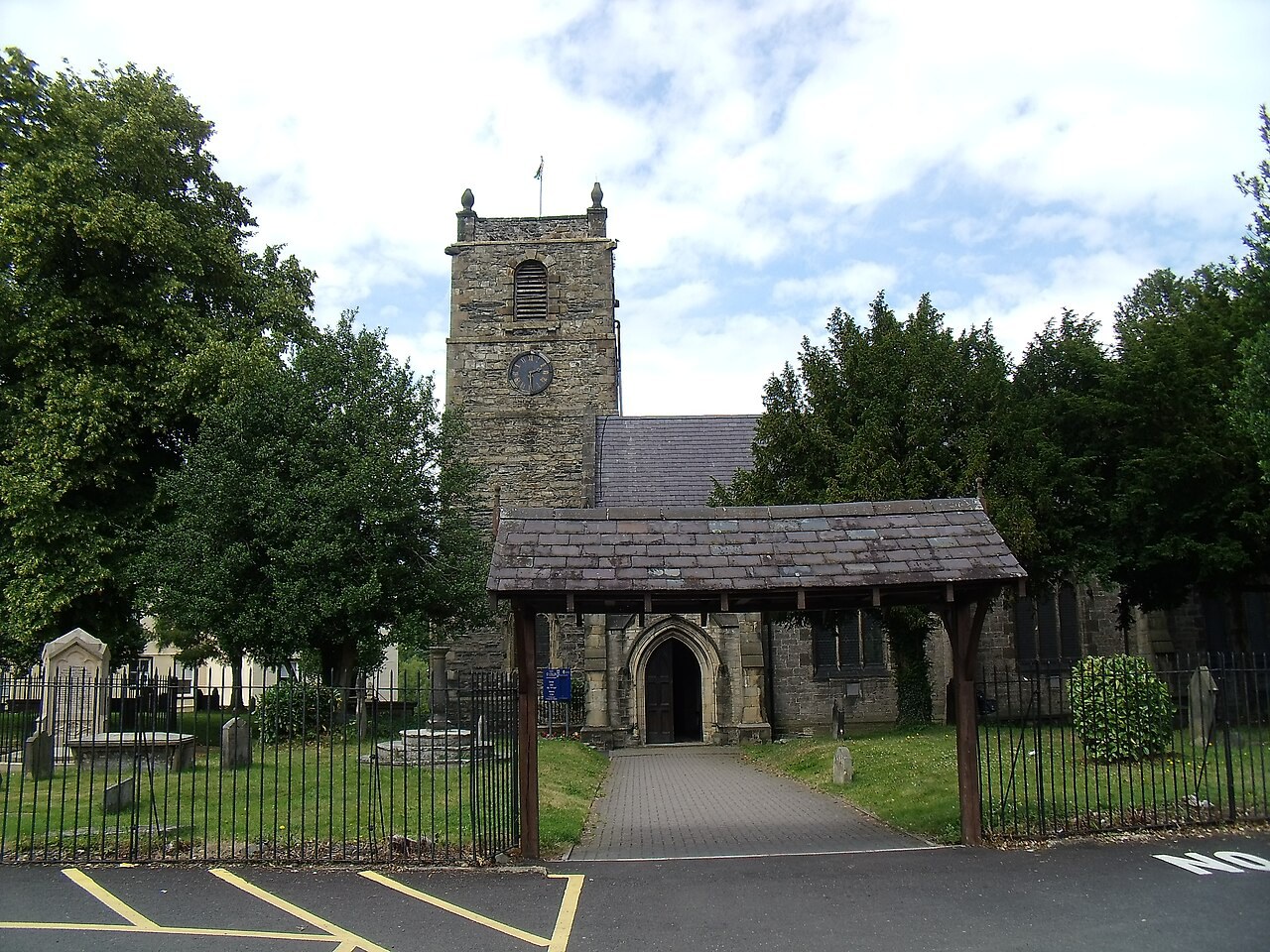
Llangollen Bridge is 16th-century and Grade I listed. St Collen's Church, the only Welsh church dedicated to that saint, keeps a medieval hammerbeam roof carved with Celtic imagery under a 19th-century rebuild.
Road, rail and bus connections
Getting here means the A5, Telford's old London–Holyhead mail route; the nearest station is Ruabon, about fifteen minutes off, with Arriva's service 5 running roughly every half hour from Wrexham.
Horse-drawn canal trips
At the wharf, horse-drawn narrowboats have been carrying passengers along the canal for over a century, at a pace that suits the place. The Wharf Tea Room does Welsh cream teas while you wait.
Stay around Denbighshire
Make a longer stay of it
Travel Fox holiday homes around Denbighshire, linked directly to their property pages.
A guide with a point of view
Written from research. Edited for real journeys.
Use the Official site links for live practical details, then use this guide for context, ideas and room to explore.
Photography credits & licences
Third-party photographs are credited to their named creators and reused under the linked Creative Commons licence or public-domain dedication. Travel Fox stores an optimised local copy; the file-specific changes and any browser-applied display crop are disclosed below. Reused photographs link both to the Wikimedia Commons source record and to the declared source image; Travel Fox's own photographs carry no such record and are marked as ours. These image licences do not cover Travel Fox text, branding or page design.
- File:St. Collen's Church, Llangollen.jpg — photograph by Meirion; Meirion. Source record on Wikimedia Commons. Declared source image. Licence: CC BY-SA 2.0. File changes: Downloaded from Wikimedia Commons, resized to a maximum 1920px edge and encoded as an optimised JPEG. Display changes: Displayed with responsive CSS cropping.
Sources
Every place on this page is checked against a published source. Each entry links the record we used and names who publishes it.
- The Corn Mill — brunningandprice.co.uk other published source
- St Collen's Church — stcollenschurch.org.uk operator, sector body or destination organisation
- Castell Dinas Brân — llangollen.org.uk other published source
- Valle Crucis Abbey — cadw.gov.wales statutory register or public authority
- Horseshoe Falls — canalrivertrust.org.uk national body or asset manager
- Plas Newydd — denbighshire.gov.uk statutory register or public authority
- Llangollen Wharf — coflein.gov.uk statutory register or public authority
- Llangollen Railway — llangollen-railway.co.uk operator, sector body or destination organisation