
Lancashire's working harbour
Glasson Dock
A dock village of boats, locks, smokehouse food and level routes beside canal, marsh and estuary.
- Best for
- Working-harbour watching and level waterside routes
- Give it
- A dockside pause or a longer towpath outing
- Don't miss
- The narrow high-water gate window
The Fox verdict
A port village that still works
Glasson Dock pairs an active harbour with dockside food, level canal and estuary routes, and traces of its Georgian port history.
Watch boats and lock gates around the dock, browse traditionally smoked Lancashire produce, pause at the pub or café, then follow the canal, old railway trackbed or coastal way into a landscape of saltmarsh and open shore.
Where to go
Places in Glasson Dock
Every place below is checked against a published source, listed with what it is and how long to give it.
Local signatures
3 placesGlasson Dock and Marina
A working harbour with a 220-berth marina, chandlery and boat hoist, where the gates and locks remain part of village life.
- Visit length
- Editorial estimate: Allow around 45 minutes
- Locality
- around the dock basin and marina
- Access
- The dock gates open only for a window from 45 minutes before high water until high water.
Dalton Arms
A traditional family-run pub formed from four cottages, serving generous pub food and Thwaites ales with a beer garden overlooking the dock.
- Visit length
- Editorial estimate: Allow around 75 minutes
- Locality
- Ten Row
- Access
- The pub is dog-friendly.
Cockersand Abbey
Ruins of a 12th-century abbey on the open shore, where the vaulted chapter house built in 1230 survives.
- Visit length
- Editorial estimate: Allow around 45 minutes
- Locality
- approximately 2–3 miles from Glasson Dock
- Access
- The site is reached by a short walk or drive and stands on the open shore near Plover Scar lighthouse.
Food & drink
2 placesPort of Lancaster Smokehouse
A family-run smokehouse and shop selling kippers, smoked fish, meats, cheeses and Lancashire produce, using salt, smoke and time.
- Visit length
- Editorial estimate: Allow around 30 minutes
- Locality
- Glasson Dock
Quayside Café
A licensed café for simple meals, Rijo coffee, ice creams and old-fashioned sweets, with outdoor tables for watching boats pass through the locks.
- Visit length
- Editorial estimate: Allow around 60 minutes
- Locality
- the deck by the dock
- Access
- The café is family-friendly and dog-welcoming.
Walks & outdoors
2 placesGlasson Branch Towpath
A level 2.5-mile towpath beside the Glasson Branch of the Lancaster Canal, whose six locks descend 52 feet from Galgate.
- Visit length
- Editorial estimate: Allow around 150 minutes
- Locality
- between Glasson Basin and Galgate
- Access
- The canal towpath is level and pram/bike-friendly.
Lune Estuary Path and Bay Cycle Way
A walking and cycling route on the former railway trackbed, following the Lune estuary towards Lancaster through saltmarsh and birdwatching country.
- Visit length
- Editorial estimate: Allow around 120 minutes
- Locality
- beside the estuary back towards Lancaster
- Access
- The estuary path is level and pram/bike-friendly.
History & heritage
1 placeChrist Church, Glasson
A Grade II Gothic Revival church of 1839–40 by Edmund Sharpe, built in sandstone rubble with lancet windows and a bellcote.
- Visit length
- Editorial estimate: Allow around 30 minutes
- Locality
- up from the water
No places match this filter. Choose All places to reset the list.
Three ways to explore Glasson Dock
Signature outings
The port smokehouse
Browse kippers, smoked fish, meats and Lancashire cheeses made with nothing added apart from salt, smoke and time.
Sharpe's harbour church
See Edmund Sharpe's plain Gothic Revival church, its sandstone walls finished with lancet windows and a gable bellcote.
The Glasson Branch
Take the level 2.5-mile towpath towards Galgate beside a canal branch that drops 52 feet through six locks.
The village story
Glasson Dock Village Guide
A working harbour where dockside food, flat waterside paths and two centuries of port history meet the Lune estuary.
A Working Harbour and Its Pub
The dock gates at Glasson open for a narrow window: 45 minutes before high water until high water, and not a minute otherwise. Miss it and the boats wait. This is still a working harbour — a 220-berth marina, a chandlery, a 35-ton hoist — and much of the village arranges itself around watching it happen.
The Dalton Arms sits at an address called Ten Row, which is what four cottages became when someone combined them and got the place licensed on 19 September 1787. It's a Thwaites house now, run by Geoff and Debbie, refurbished in 2019, with a beer garden over the dock. The fish and chips use Fleetwood fish and get named in the reviews; there's roast beef, ribeye, steak and ale pie, and mushrooms in stilton sauce to start. One regular called it the best pint of Wainwright's he'd had in a long time. Dogs are welcome and, by all accounts, expected.
Smokehouse and Dockside Café
The Port of Lancaster Smokehouse has been going over fifty years, first on Lancaster's quay and then here. The method is unfussy — "nothing added apart from salt, smoke and time." Award-winning kippers, smoked salmon and sea trout, smoked duck and pheasant, eel, Morecambe Bay potted shrimps, and smoked cheeses including Mrs Kirkham's Lancashire. It supplies delis and restaurants across the country and sells to anyone who walks in, seven days a week.
For something simpler, the Quayside Café puts tables on a deck over the dock — Rijo coffee, ice creams, old-fashioned sweets — and describes itself, accurately, as "a down-to-Earth, family friendly, dog-welcoming, licensed café serving delicious but simple meals for excellent value." It's a good place to sit and watch boats work through the locks.
Paths Through Maritime History
The walking is flat and generous. South along Marsh Lane the Lancashire Coastal Way runs out to Cockersand Abbey, a ruined 12th-century foundation whose vaulted chapter house, built in 1230, still stands on the open shore near Plover Scar lighthouse. The Glasson Branch towpath gives 2.5 level miles to Galgate, and the old railway trackbed — now the Bay Cycle Way — follows the estuary back toward Lancaster. Big skies, saltmarsh, wading birds. Lancaster itself is four miles up the A588, or twenty minutes on the 89 bus.
The dock exists because the River Lune silted up. By the 1770s ships couldn't reliably reach Lancaster, so the Port Commission built here instead; the dock opened in 1787 and could hold twenty-five merchant ships handling cotton, sugar and spices as Lancaster's own port declined. The canal followed in 1826, dropping 52 feet through six locks; the first boat through was a schooner called the Sprightly, carrying slate to Preston. The shipyards built around fifty vessels, kept going on repair work, and closed in 1968; the branch railway lost its passengers in 1930. The trackbed is the cycle way now.
Christ Church Above the Water
Christ Church, up from the water, is a plain Gothic Revival church of 1839–40 by the Lancaster architect Edmund Sharpe, sandstone rubble with a bellcote on the gable. Its churchyard holds war graves from both wars.
Across the Estuary
Overton sits directly across the estuary, close enough to see and a long way round to reach. Someone recalling a visit in 2010 put the place better than a guide could: "Felt like it was a piece of Cornwall that had moved 'oop North!'"
Stay around Lancashire
Make a longer stay of it
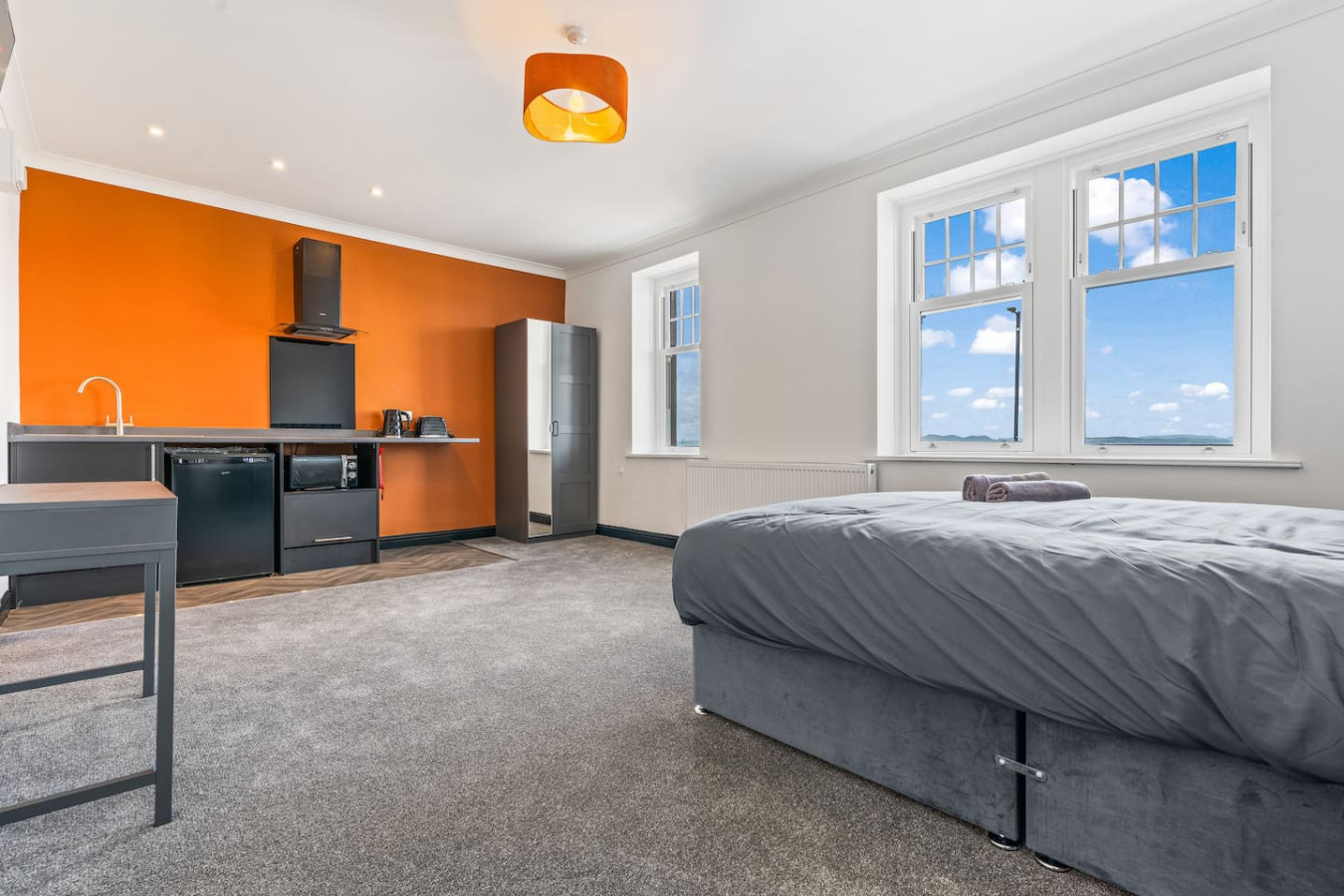
Travel Fox holiday homes around Lancashire, linked directly to their property pages.
A guide with a point of view
Written from research. Edited for real journeys.
Use the Official site links for live practical details, then use this guide for context, ideas and room to explore.
Sources
Every place on this page is checked against a published source. Each entry links the record we used and names who publishes it.
- Glasson Dock and Marina — historicengland.org.uk statutory register or public authority record not machine-readable; publisher restricts automated access
- Dalton Arms — daltonarmsglassondock.co.uk operator, sector body or destination organisation
- Port of Lancaster Smokehouse — lancastersmokehouse.co.uk operator, sector body or destination organisation
- Quayside Café — thequaysideglasson.co.uk operator, sector body or destination organisation
- Christ Church, Glasson — historicengland.org.uk statutory register or public authority record not machine-readable; publisher restricts automated access
- Glasson Branch Towpath — canalrivertrust.org.uk national body or asset manager
- Lune Estuary Path and Bay Cycle Way — sustrans.org.uk operator, sector body or destination organisation
- Cockersand Abbey — historicengland.org.uk statutory register or public authority record not machine-readable; publisher restricts automated access