
River paths, carved history and village life
Halton
Halton sits on the north bank of the Lune, where a traffic-free former railway, a wooded river meander and a Viking-age story in stone meet a community pub and charity-run centre.
- Best for
- Traffic-free riverside walking and cycling
- Give it
- A flexible half-day
- Don't miss
- The Sigurd scenes on Halton Cross
The Fox verdict
A river route with an exceptional carved story
Come for the largely level Lune Greenway and Crook o' Lune, then make time for St Wilfrid's tower and the Sigurd Cross in its churchyard.
Halton combines a smooth, traffic-free route along a disused railway with a wooded Lune viewpoint, an early medieval carved cross, a sixteenth-century church tower, a charity-run community centre and a traditional village pub.
Where to go
Places in Halton
Every place below is checked against a published source, listed with what it is and how long to give it.
Local signatures
3 placesThe Greyhound at Halton
A traditional village community pub serving home-cooked food, stone-baked pizzas and Sunday roasts, with dogs welcome and a beer garden.
- Visit length
- Editorial estimate: Allow around 75 minutes.
- Locality
- 10 Low Road, Halton
The Centre @ Halton
A charity-run community centre with a coffee shop, skatepark, playground, boules, picnic area, playing field and Multi-Use Games Area.
- Visit length
- Editorial estimate: Allow around 45 minutes.
- Locality
- Low Road, Halton
St Wilfrid's Church, Halton-on-Lune
A Grade II church whose sixteenth-century tower survived the 1792 and 1876–77 rebuilds; Anglo-Saxon sculptural fragments are preserved inside the tower.
- Visit length
- Editorial estimate: Allow around 35 minutes.
- Locality
- Halton-on-Lune
Walks & outdoors
2 placesLune Greenway
A smooth, hard-surfaced, largely level and traffic-free route along a disused railway between Lancaster and Caton, passing Halton.
- Visit length
- Editorial estimate: Allow around 90 minutes.
- Locality
- Passing Halton
Crook o' Lune
A wooded, incised meander shaped like a shepherd's crook handle, noted as a viewpoint and picnic spot and painted by J. M. W. Turner.
- Visit length
- Editorial estimate: Allow around 45 minutes.
- Locality
- Just east toward Caton
History & heritage
1 placeHalton (Sigurd) Cross
A reconstructed high cross whose Viking-age shaft carries scenes from the legend of Sigurd the dragon-slayer, said to be the most complete telling outside Scandinavia.
- Visit length
- Editorial estimate: Allow around 25 minutes.
- Locality
- St Wilfrid's churchyard
No places match this filter. Choose All places to reset the list.
Three ways to explore Halton
Signature outings
Take the Lune Greenway
The smooth, largely level path follows a disused railway between Lancaster and Caton and passes Halton on its traffic-free course.
Find Sigurd in stone
The cross shaft shows Regin, Fafnir and Sigurd in a carved sequence said to be the most complete telling of the legend outside Scandinavia.
See the Crook o' Lune
The wooded incised meander bends like a shepherd's crook handle and is noted as both a viewpoint and picnic spot.
The village story
Halton beside the Lune
The locked article moves from pub and community life to the river, church and cross, then into Halton's Norman history, transport story and Aughton's rare pudding festival.
Food and community life
The Greyhound on Low Road will put two rump steaks, trimmings and a bottle of house wine in front of you for £25 a head on a Saturday, and on Wednesdays a homemade pie with peas and gravy plus a pint for £12. Karen and Chris run it, and reviewers keep singling out Chris by name. Stone-baked pizzas go out from five till eight, the Sunday roasts have a following, and one TripAdvisor reviewer called the place "well worth a diversion off the M6." The walls carry CAMRA and Timothy Taylor awards — it belongs to Timothy Taylor's Champion Club — and the readers of the Lancaster Guardian voted it the best community pub in the bay. Dogs welcome. There's a big beer garden for when the sun shines.
A few doors along is The Centre @ Halton, a community centre run by a local charity. Its coffee shop does home-made cakes, sandwiches and ice creams at weekends and becomes a free Warm Welcome Space in the colder months. Outside there's a floodlit skatepark, a playground, boules, a games area and a playing field. The village also keeps a primary school and a post office going.
River paths and St Wilfrid's tower
Halton sits on the north bank of the Lune, three miles east of Lancaster, and the river is most of the point. The Lune Greenway follows a disused railway line — smooth, level, traffic-free — six miles from Lancaster to Caton, passing the village on its way to the Crook o' Lune, a wooded meander bent like the handle of a shepherd's crook. Turner painted it. It's flat enough for a buggy and full of dogs.
St Wilfrid's church has a sixteenth-century tower that outlasted two full rebuilds of everything around it, the last by the Lancaster firm Paley and Austin in the 1870s. Anglo-Saxon carvings are kept inside the tower. But the thing in the churchyard is the Halton Cross.
Sigurd's cross and Castle Hill
The cross is Viking. Its shaft was carved around the early 900s with the legend of Sigurd the dragon-slayer: the smith Regin at his forge, the dragon Fafnir, Sigurd roasting the dragon's heart and burning his thumb, then beheading Regin. It is said to be the most complete telling of the tale outside Scandinavia. In 1635 the Reverend Richard Jackson removed the top and turned the lower half into a sundial. The dial plate reads, in translation, "the hours pass away and are reckoned to our account."
Before the Conquest the manor belonged to Earl Tostig, brother of King Harold. Domesday recorded it as Haltune, head of a lordship with twenty-two dependent townships, Lancaster among them. The Normans put a castle on the promontory above the river; Robert the Bruce's raid wrecked it in 1322 and nobody rebuilt it. The motte is still up on Castle Hill.
Railway memories and Aughton's pudding
Lancaster station is three miles off and the Stagecoach 49 runs through. Halton had its own station once, across the river over a toll bridge, until 1966; the building is now where Lancaster University's rowing club stores its boats.
The neighbouring hamlet of Aughton holds a pudding festival once every twenty-one years. The 1992 pudding set a Guinness World Record. The next one is a way off yet.
Stay around Lancashire
Make a longer stay of it
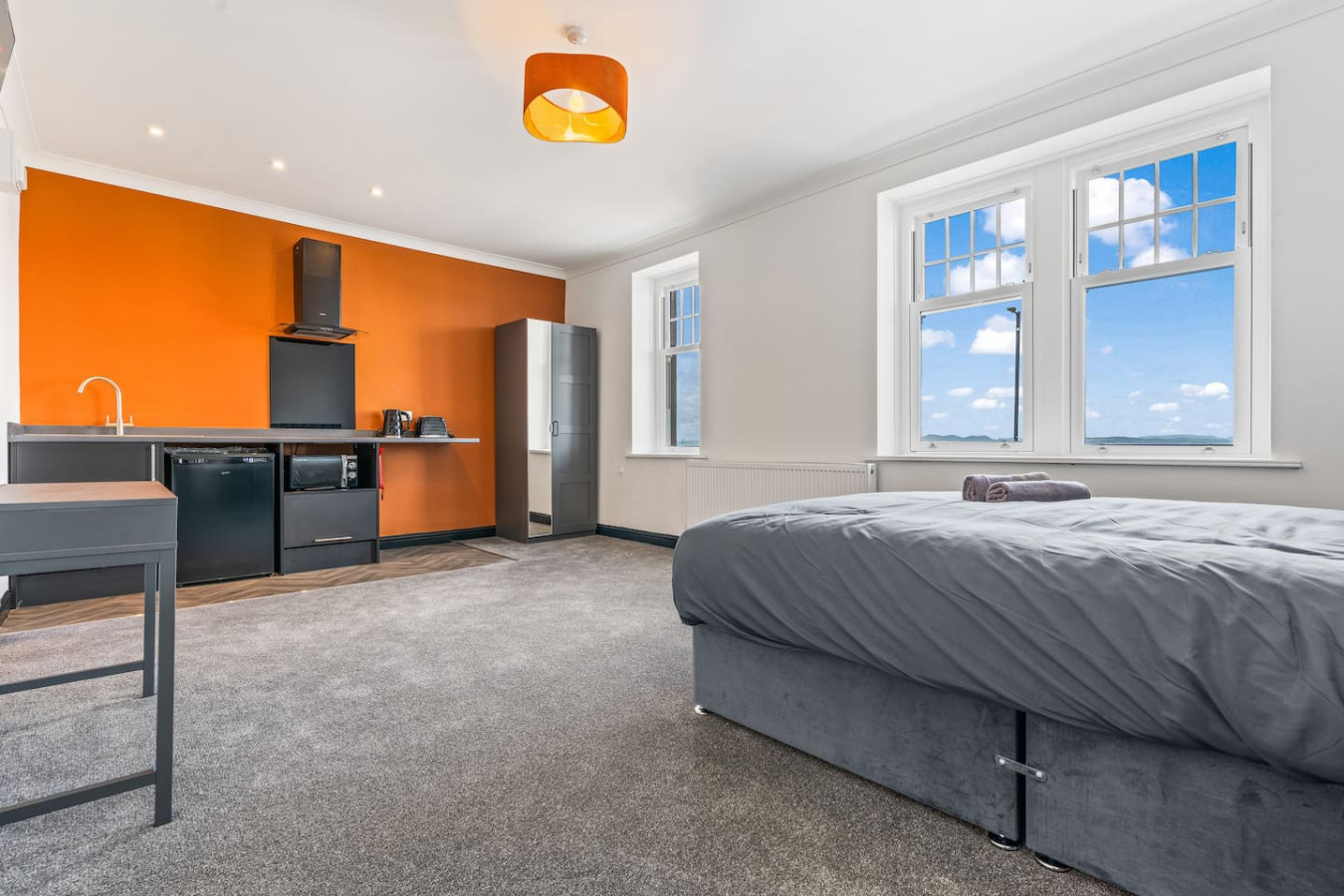
Travel Fox holiday homes around Lancashire, linked directly to their property pages.
A guide with a point of view
Written from research. Edited for real journeys.
Use the Official site links for live practical details, then use this guide for context, ideas and room to explore.
Sources
Every place on this page is checked against a published source. Each entry links the record we used and names who publishes it.
- The Greyhound at Halton — thegreyhoundhalton.co.uk operator, sector body or destination organisation
- The Centre @ Halton — haltoncentre.org operator, sector body or destination organisation
- Lune Greenway — lancashire.gov.uk statutory register or public authority
- Crook o' Lune — lancashire.gov.uk statutory register or public authority
- St Wilfrid's Church, Halton-on-Lune — historicengland.org.uk statutory register or public authority record not machine-readable; publisher restricts automated access
- Halton (Sigurd) Cross — historicengland.org.uk statutory register or public authority record not machine-readable; publisher restricts automated access