
Where two rivers meet
Hornby
A Lune Valley village shaped by the Wenning and Lune, with a Tudor tower, Norman earthworks and long riverside paths.
- Best for
- Riverside walking and layered history
- Give it
- About three hours for the Hornby–Wray circular
- Don't miss
- St Margaret's rotated octagonal Tudor tower
The Fox verdict
A small village with a long historical reach
Hornby brings together riverside walking, a remarkable Tudor church tower and one of the Lune Valley's best-preserved Norman sites.
Come for the rivers: the Lune Valley Ramble and the Hornby–Wray circular connect the village with Loyn Bridge and Castle Stede. In Hornby itself, St Margaret's rewards a closer look, while the Royal Oak and the tea rooms provide distinct food stops.
Where to go
Places in Hornby
Every place below is checked against a published source, listed with what it is and how long to give it.
Local signatures
3 placesThe Royal Oak
A traditional village pub reopened after refurbishment, serving classic pub favourites and local beers.
- Visit length
- Editorial estimate: allow around 60 minutes.
- Locality
- Main Street
Hornby Tea Rooms and Post Office
A tea room, gift shop and village post office known for homemade cakes, home-bakery items, coffee and afternoon tea.
- Visit length
- Editorial estimate: allow around 45 minutes.
- Locality
- 8–10 Main Street
St Margaret's Church
A Grade I church whose octagonal Tudor tower has an upper stage rotated against the lower; two Anglo-Saxon cross fragments survive inside.
- Visit length
- Editorial estimate: allow around 45 minutes.
- Locality
- Hornby village
Walks & outdoors
1 placeHornby–Wray Circular
An easy riverside circuit with about 103 metres of ascent, passing hedgerows and riverbanks associated with dippers, sand martins and wagtails.
- Visit length
- Editorial estimate: Allow around 3 hours.
- Locality
- Hornby and Wray via the River Wenning and River Lune
History & heritage
2 placesLoyn Bridge
A scheduled three-arched sandstone bridge with triangular cutwaters, thought to date to 1684.
- Visit length
- Editorial estimate: allow around 20 minutes.
- Locality
- Over the River Lune
Castle Stede
A well-preserved Norman motte-and-bailey covering about three acres, built around 1086 by Roger de Montbegon.
- Visit length
- Editorial estimate: allow around 45 minutes.
- Locality
- Above Loyn Bridge
- Access
- A public footpath enters the field; the bailey is accessible and the motte is fenced off.
No places match this filter. Choose All places to reset the list.
Three ways to explore Hornby
Signature outings
Read the rotated tower
See how the upper octagon of St Margaret's Tudor tower turns against the lower stage.
Trace three sandstone arches
Pause at Loyn Bridge for its three sandstone arches and triangular cutwaters over the Lune.
Explore a Norman bailey
Follow the public footpath into Castle Stede's accessible bailey while the motte remains fenced off.
The village story
Hornby Village Guide
From a railway keystone and village tables to a Tudor tower, riverside paths and Norman earthworks.
Railway relic and village pub
Somewhere in the village there is a keystone carved with a cat holding a rat. It was moved here from a railway bridge that no longer exists, and it carries the initials PD for Pudsey Dawson, who had something to do with a railway line that also no longer exists. The cat has outlasted both.
The Royal Oak is the pub most people mean when they say the pub. Helena and Gary reopened it in November 2022 after a refurbishment, and the room is clean and newly done and the beers are local. The specials do most of the work: a Monday £8 Menu, a Thursday Pensioner's Two-Course Lunch, and a Sunday Roast Beef Special that one TripAdvisor reviewer summarised as "Cracking Sunday Roast!" There is a quiz on Wednesdays at half past nine. Reviewers across two sites settle at around 4.6 or 4.7 out of five, which for a village of 468 people is a lot of reviewers.
Coaching inn and cakes
The Castle Inn is the older option, a Georgian coaching inn with a bistro and six B&B rooms done out with super-king beds and Egyptian cotton. The bar menu is sandwiches and small plates — smoked salmon and cream cheese with chives, Lancashire crumbly cheese with red onion marmalade, the Castle Inn Club with bacon, chicken, lettuce, tomato and egg, all under seven pounds. Breakfasts use local produce and home-baked things. An inn has stood on the site since the late sixteenth century, when it was occupied by Henry Chapburn, deputy bailiff for the castle estate.
For cake there is Hornby Tea Rooms and Post Office at 8–10 Main Street, a tearoom, gift shop and post office that runs a genuine open fire and homemade cakes, open mornings into the afternoon most weekdays.
Rivers and the Tudor tower
The village sits where the River Wenning meets the River Lune, with Hornby Castle on the cliff above. St Margaret's church has the thing everyone comes to see: an octagonal Tudor tower whose two stages are set half a turn out of line with each other. Sir Edward Stanley, Lord Monteagle, built it in thanks for getting home safely from the Battle of Flodden in 1513. Inside are two Anglo-Saxon cross fragments, one carved more than a thousand years ago showing the Loaves and Fishes.
Walks, bridge and Norman earthworks
Walking is the main event. The Lune Valley Ramble follows the river, and a 6.1-mile circular links Hornby and Wray via Loyn Bridge — three sandstone arches with triangular cutwaters, thought to date to 1684 — past hedgerows of blackthorn and dog rose, with dippers and sand martins on the banks. Above the bridge is Castle Stede, the best-preserved Norman motte-and-bailey in a valley that has the highest concentration of them in England. Roger de Montbegon built it around 1086. He later became one of the twenty-five barons who stood surety for Magna Carta.
Wray and scarecrows
Wray is about a mile and a half along the Wenning. It holds the country's longest-running scarecrow festival every spring, which is the sort of thing you find out about by walking there and then walking back and telling people.
Stay around Lancashire
Make a longer stay of it
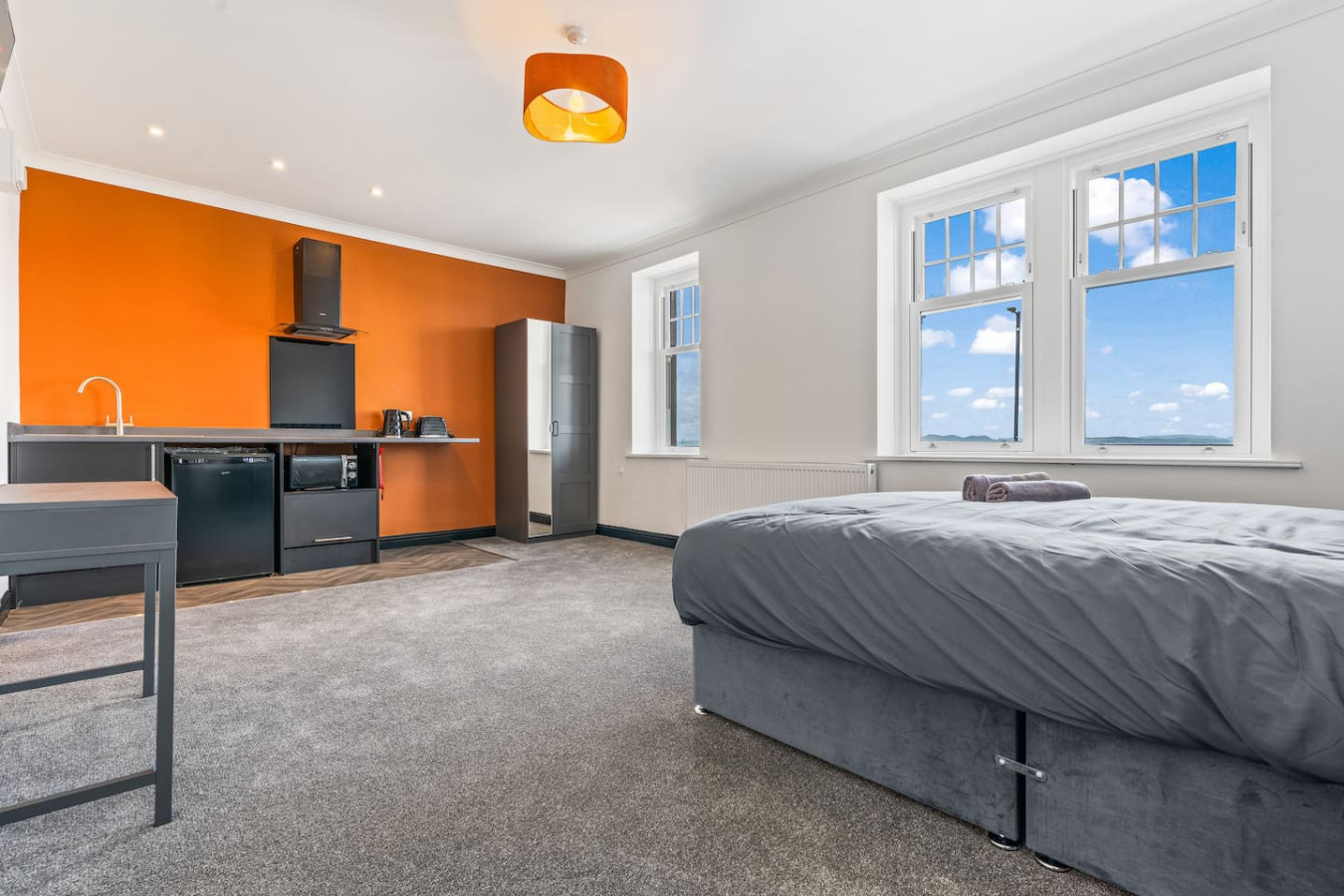
Travel Fox holiday homes around Lancashire, linked directly to their property pages.
A guide with a point of view
Written from research. Edited for real journeys.
Use the Official site links for live practical details, then use this guide for context, ideas and room to explore.
Sources
Every place on this page is checked against a published source. Each entry links the record we used and names who publishes it.
- The Royal Oak — royaloakhornby.co.uk operator, sector body or destination organisation
- Hornby Tea Rooms and Post Office — postoffice.co.uk operator, sector body or destination organisation record not machine-readable; publisher restricts automated access
- St Margaret's Church — historicengland.org.uk statutory register or public authority record not machine-readable; publisher restricts automated access
- Hornby–Wray Circular — outdooractive.com other published source
- Loyn Bridge — historicengland.org.uk statutory register or public authority record not machine-readable; publisher restricts automated access
- Castle Stede — historicengland.org.uk statutory register or public authority record not machine-readable; publisher restricts automated access