
Castle walls, border walks
Chepstow
A stone-built Norman stronghold above a tidal river, with historic streets and wooded Wye Valley routes from town.
- Best for
- Castle history and Wye Valley walking
- Give it
- A full day at an unhurried pace
- Don't miss
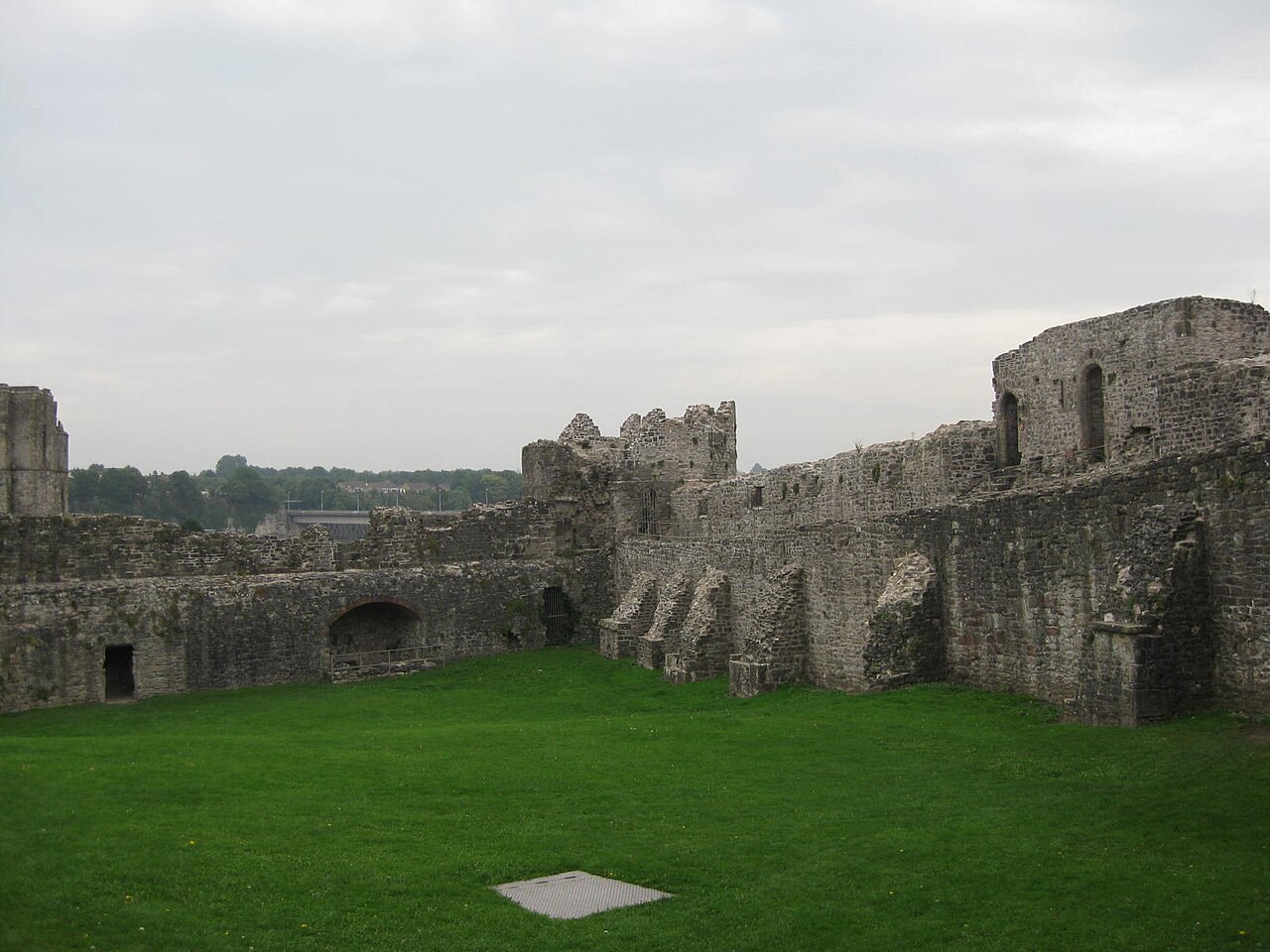
- The 1067 castle above the River Wye
Photo: Tyssil · CC BY-SA 3.0 · cropped
The Fox verdict
A border town built for history and walking
Chepstow pairs one of Britain's earliest stone fortifications with paths into the wooded Wye Valley.
The castle and priory give the town a strong Norman core, while the Old Wye Bridge, museum and river landscapes trace its life as a border crossing, port and starting point for memorable walks.
Where to go
Places in Chepstow
Every place below is checked against a published source, listed with what it is and how long to give it.
Local signatures
3 places
Start here
Chepstow Castle
A castle founded in 1067 and built in stone from the first, with its Great Tower probably completed by about 1090.
- Visit length
- Editorial estimate: allow around 90 minutes
- Locality
- above the River Wye
Chepstow Museum
A museum in a 1796 merchant's townhouse, with displays on the wine trade, shipbuilding, salmon fishing and the Wye Tour.
- Visit length
- Editorial estimate: allow around 60 minutes
- Locality
- opposite Chepstow Castle
Picturesque Piercefield Walk
A walk through the historic Piercefield estate to viewpoints including the Alcove, Giant's Cave, Lover's Leap and Eagle's Nest.
- Visit length
- Editorial estimate: allow around 150 minutes
- Locality
- from Chepstow Castle into the Piercefield estate
Walks & outdoors
1 placeLancaut Peninsula Walk
A river-peninsula circuit along clifftops and through ancient woodland to the ruins of Lancaut Church, with peregrines nesting above the Wye.
- Visit length
- Editorial estimate: allow around 180 minutes
- Locality
- from Chepstow Castle around the Lancaut Peninsula
History & heritage
2 placesPriory Church of St Mary
A Grade I church founded around 1072, distinguished by its ornamented Norman west doorway with zigzag and lozenge decoration.
- Visit length
- Editorial estimate: allow around 30 minutes
- Locality
- Chepstow
Old Wye Bridge
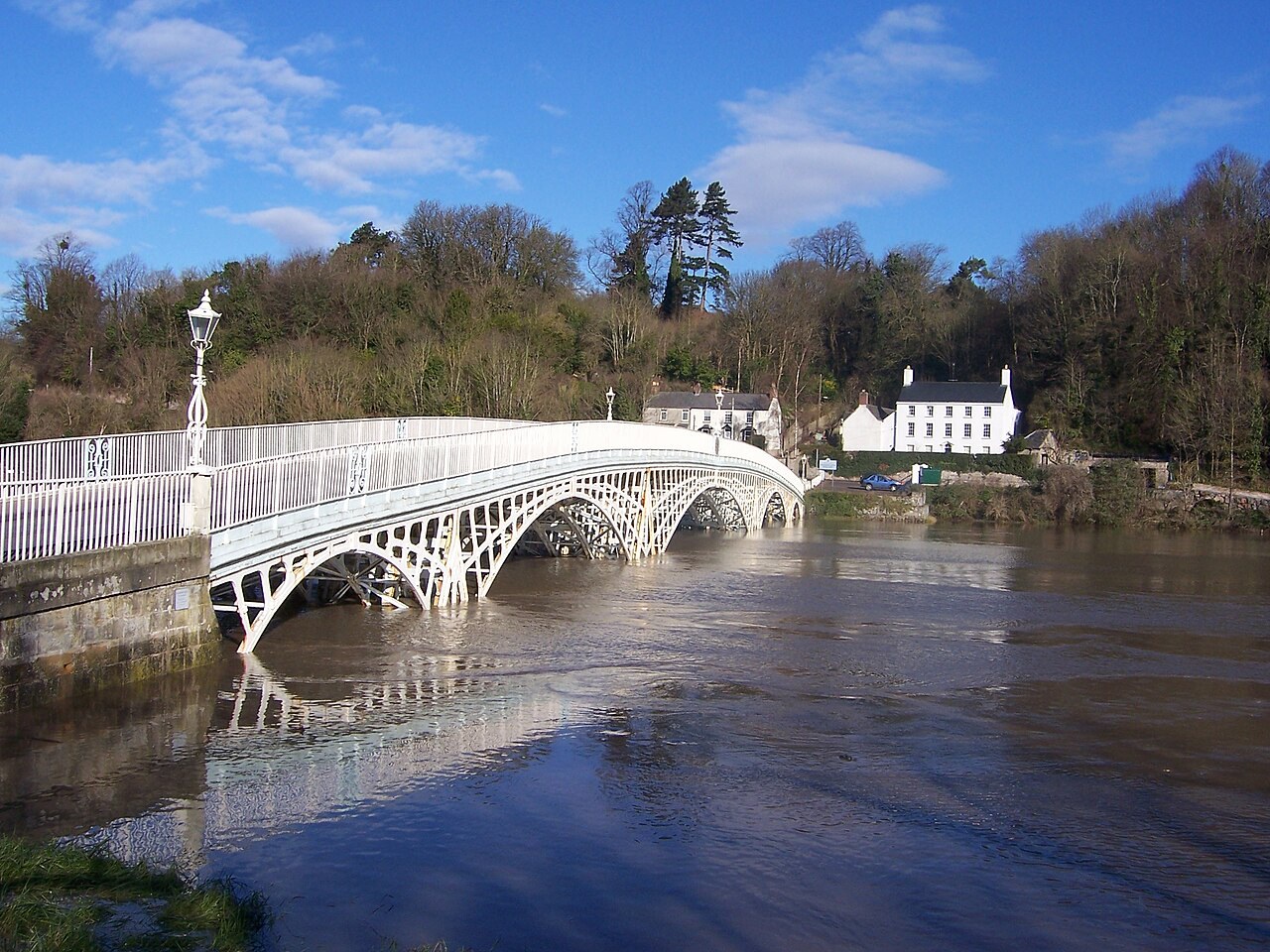
An 1816 cast-iron road bridge with a 112-foot central span, still carrying traffic across the Wye to England.
- Visit length
- Editorial estimate: allow around 30 minutes
- Locality
- across the River Wye
Things to do
1 placeThe Dell
A green valley with a playground, picnic benches and public toilets beneath the castle, beside the library and car park.
- Visit length
- Editorial estimate: allow around 45 minutes
- Locality
- beneath Chepstow Castle
No places match this filter. Choose All places to reset the list.
Three ways to explore Chepstow
Signature outings
Stone from the start
Chepstow Castle was founded in 1067 and, unusually for its time, built in stone from the first.
Walk the iron arch
The Old Wye Bridge has carried the road across the border river since 1816.
Read the Norman doorway
The priory church's ornamented west doorway carries zigzag and lozenge decoration from the Norman period.
The town story
Chepstow between stone and river
The original Travel Fox story moves from castle and riverside pubs to valley paths, Norman craftsmanship and a living midwinter custom.
Castle and Riverside Inn
The castle stretches along a narrow limestone ridge above the River Wye, and it has been there since 1067, which makes it the oldest surviving post-Roman stone fortification in Britain. Most Norman lords started with timber and upgraded later. William FitzOsbern built this one in stone from the first.
Below it, on the river, is the Boat Inn, said to be over 500 years old and to have been several different things across those years. It pours up to four ales and keeps a large gin selection, and there's live music every Thursday. One TripAdvisor reviewer called it "a hidden traditional pub," which is the sort of thing people say about a pub on a riverbank they'd rather keep to themselves. The garden runs down to the Wye, a river with one of the highest tidal ranges in the world, so the view is never quite the same twice.
Town Pubs and Market Provisions
Up the hill the pubs multiply. The Chepstow Castle Inn sits at 12 Bridge Street doing traditional pub food near the walls. The Five Alls has served the town for over 176 years and gives CAMRA members ten percent off, with a large beer garden out the back that has a view worth the walk. The Two Rivers leans gastropub, with premium ales and a rotating list of guests.
For food to take home there's the Sunday market in Beaufort Square and along the High Street, artisan stalls on the second and fourth Sundays. Just over the river at Tidenham, Hanley Farm Shop runs a deli, cafe and butchery, and Newhall Farm Shop at the garden centre keeps its own butcher and a fish counter.
Valley Walks and Norman Craft
The walking is the reason to stay. The Wye Valley Walk finishes here after 136 miles from mid-Wales; the Chepstow–Tintern stretch is about six wooded miles. Offa's Dyke Path runs up the far bank, so you can loop out through England and back through Wales. From the castle, the Lancaut peninsula walk takes you round a river loop "lost in time," along clifftops where peregrines nest, down to a ruined church. The 18th-century tourists who walked the Piercefield viewpoints — the Alcove, Giant's Cave, Lover's Leap, Eagle's Nest — were doing what Visit Monmouthshire calls "the birthplace of British tourism."
The Priory Church of St Mary is worth a look for the Norman west doorway, all zigzag and chevron. The original central tower blew down in a storm in 1701 and took the transepts with it; the replacement, finished in 1706 under a vicar named Thomas Chest, has been described as "an amusingly rustic classical idiom."
Connections and Midwinter Custom
The town is easy to reach. Chepstow station is on the Gloucester–Newport line, roughly hourly, with the bus station about 550 yards off. The M48 runs west to Newport, and the A466 north up the valley to Tintern and Monmouth. The Old Wye Bridge, cast iron from 1816, still carries traffic across to England.
Each midwinter the town carries the Mari Lwyd house to house — a decorated horse's skull, singing at doors for entry. It has been doing this a very long time, and shows no sign of stopping.
Stay around Monmouthshire
Make a longer stay of it
Travel Fox holiday homes around Monmouthshire, linked directly to their property pages.
A guide with a point of view
Written from research. Edited for real journeys.
Use the Official site links for live practical details, then use this guide for context, ideas and room to explore.
Photography credits & licences
Third-party photographs are credited to their named creators and reused under the linked Creative Commons licence or public-domain dedication. Travel Fox stores an optimised local copy; the file-specific changes and any browser-applied display crop are disclosed below. Reused photographs link both to the Wikimedia Commons source record and to the declared source image; Travel Fox's own photographs carry no such record and are marked as ours. These image licences do not cover Travel Fox text, branding or page design.
- File:Chepstow Castle, Monmouthshire 27.JPG — photograph by Tyssil; Own work. Source record on Wikimedia Commons. Declared source image. Licence: CC BY-SA 3.0. File changes: Downloaded from Wikimedia Commons, resized to a maximum 1920px edge and encoded as an optimised JPEG. Display changes: Displayed with responsive CSS cropping.
- File:The Old Wye bridge at Chepstow - geograph.org.uk - 2273224.jpg — photograph by Roger Davies; The Old Wye bridge at Chepstow by Roger Davies. Source record on Wikimedia Commons. Declared source image. Licence: CC BY-SA 2.0. File changes: Downloaded from Wikimedia Commons, resized to a maximum 1920px edge and encoded as an optimised JPEG. Display changes: Displayed with responsive CSS cropping.
Sources
Every place on this page is checked against a published source. Each entry links the record we used and names who publishes it.
- Chepstow Castle — cadw.gov.wales statutory register or public authority
- Chepstow Museum — visitwales.com operator, sector body or destination organisation
- Priory Church of St Mary — visitmonmouthshire.com operator, sector body or destination organisation
- Old Wye Bridge — visitmonmouthshire.com operator, sector body or destination organisation
- The Dell — monmouthshire.gov.uk statutory register or public authority
- Picturesque Piercefield Walk — visitmonmouthshire.com operator, sector body or destination organisation
- Lancaut Peninsula Walk — wyevalley-nl.org.uk other published source