
Moorland edge, village detail
Ipstones
A sandstone Staffordshire Moorlands village where a carved Norman survival, a high Pennine-edge ridge and the Churnet Valley shape a varied day out.
- Best for
- Moorland walks, Norman carving and heritage rail
- Give it
- A full day with one nearby valley stop
- Don't miss
- The Norman tympanum inside St Leonard's Church
The Fox verdict
A compact base between moor and valley
Ipstones brings together a high ridge, a sandstone church, independent village stops and the nearby Churnet Valley.
Start with St Leonard's Church and its Norman tympanum, then choose between the open views and linked habitats of Ipstones Edge or a nearby outing to Consall and the heritage railway. The butcher, recreation ground and Old Red Lion make it possible to keep part of the day within the village.
Where to go
Places in Ipstones
Every place below is checked against a published source, listed with what it is and how long to give it.
Local signatures
3 placesSt Leonard's Church
A Grade II* sandstone church with Art Nouveau sanctuary paintings and a carved Norman tympanum preserved from the earlier building.
- Visit length
- Editorial estimate: around 45 minutes
- Locality
- in Ipstones village
Consall Nature Park and Caldon Canal
A nearby valley outing combining canalside walking with Consall Nature Park and the lime kilns at Consall Forge.
- Visit length
- Editorial estimate: around 1 hour 45 minutes
- Locality
- about three miles from Ipstones
The Old Red Lion
An 18th-century coaching inn overlooking the Churnet Valley, with pub food, real ales, a real fire, a garden and bed-and-breakfast rooms.
- Visit length
- Editorial estimate: around 1 hour 15 minutes
- Locality
- Froghall Road, Ipstones
Food & drink
1 placeThe Village Butcher
An Ipstones butcher's shop run by Dunwood Farm as The Village Butcher from 2015 to 2022, when it passed to another local butcher.
- Visit length
- Editorial estimate: around 30 minutes
- Locality
- in Ipstones village
Walks & outdoors
1 placeIpstones Edge Nature Reserve
More than 160 acres across Swineholes Wood, Black Heath and Casey Bank, with stunted oak woodland, bilberry clearings and long views from the ridge.
- Visit length
- Editorial estimate: around 2 hours
- Locality
- immediately north of Ipstones
Things to do
2 placesChurnet Valley Railway
Heritage steam and diesel trains cross the Churnet Valley, while selected trips climb the steep Cauldon branch to Ipstones Loop.
- Visit length
- Editorial estimate: around 2 hours 30 minutes
- Locality
- at Cheddleton, Consall and Kingsley & Froghall
Ipstones Recreation Ground
The village recreation ground includes a refurbished children's play area and is linked with Ipstones War Memorial Hall.
- Visit length
- Editorial estimate: around 1 hour
- Locality
- in Ipstones village
No places match this filter. Choose All places to reset the list.
Three ways to explore Ipstones
Signature outings
Trace the Norman carving
Look inside St Leonard's for the carved tympanum recovered from the fabric of the earlier church, then compare it with the 1917 Art Nouveau wall paintings.
Cross the Pennine edge
Start at the layby beside Swineholes Wood and follow the reserve paths among stunted oaks and bilberry, then continue along the road to Casey Bank's wet heathland.
Ride through the Churnet Valley
Take a steam or diesel journey through the valley; selected trips continue up the steep Cauldon branch to Ipstones Loop.
The village story
Ipstones: From the Edge to the Churnet Valley
Food makers, old inns, carved stone and open moorland tell the story of a Staffordshire village above the Churnet Valley.
Butcher and coaching inn
Between November 2015 and 2022, Will Pearson ran The Village Butcher in Ipstones, selling native-breed beef from his family's Dunwood Farm. His family has farmed there since 1973, raising Aberdeen Angus, Hereford and Longhorn cattle. The shop's beef was dry-aged for at least 28 days; its range included home-cured bacon and Ipstones Sausage flavoured with apricot, marjoram and chives. One customer made the twenty-mile journey from Stafford for rib eye. In 2022 Dunwood sold the shop to another local butcher.
The Old Red Lion, an eighteenth-century coaching inn on Froghall Road, looks over the Churnet Valley. It has a pub food menu, real ales, a fire, a garden and bed-and-breakfast rooms.
A village pub and two shops
Family-run since 1999, the Sea Lion Inn on Brookfields Road has a wood-burning stove, pew-style seating, darts and table skittles. It won Staffordshire Moorlands Pub of the Season awards in 2015 and 2024 and was highly commended for Village Pub of the Year in 2024.
The Village Shop and Post Office has served Ipstones for more than a century. Ipstones Country Store supplies local farms and has more than two decades of experience.
Stone church and open moorland
St Leonard's Church, Grade II* listed, was rebuilt in sandstone in 1789–92 for John Sneyd. Its chancel arch and sanctuary carry Art Nouveau wall paintings by J. Eadie Reid, installed as a memorial in 1917 and depicting the Annunciation. A carved Norman tympanum, found reused as infill stone from the earlier church, now sits in the south interior wall. Its animals have been likened to the Norse wolves Sköll and Hati. Ipstones is absent from the Domesday Book, but the early twelfth-century carving preserves evidence of an earlier stone church.
North of the village, Ipstones Edge climbs to 1,250 feet at the south-west tip of the Pennines, with views for miles. Paths from the layby beside Swineholes Wood lead through stunted oak and bilberry; Black Heath and Casey Bank form the nature reserve's other two parcels, together covering more than 160 acres. For a longer valley walk, follow the Caldon Canal past Consall Station and the lime kilns at Consall Forge towards Cheddleton.
Connections and village life
Ipstones sits on the road between Froghall and Longnor, six miles from Leek. Its own station closed in 1935; the nearest working one is Blythe Bridge, though the heritage Churnet Valley Railway runs close by at Cheddleton. The 29 bus connects Leek and Cheadle through the village on weekdays.
The recreation ground has a refurbished play area, there's a gym that opened in 2015, and the village runs an Agricultural Show, a Christmas Market and a Five Mile Road Race each year. Alton Towers Resort is about 5.3 miles from Ipstones in a straight line, with a longer road journey; Consall Nature Park is roughly three miles away.
Horace Barks and a journey outward
Horace Barks grew up here. He worked as a train guard, taught himself Esperanto, went into Labour politics, and ended up Lord Mayor of Stoke-on-Trent in 1951, with an OBE to show for it — a fair distance to travel from a village whose own trains stopped running sixteen years earlier.
Stay around Alton Towers
Make a longer stay of it
Travel Fox holiday homes around Alton Towers, linked directly to their property pages.
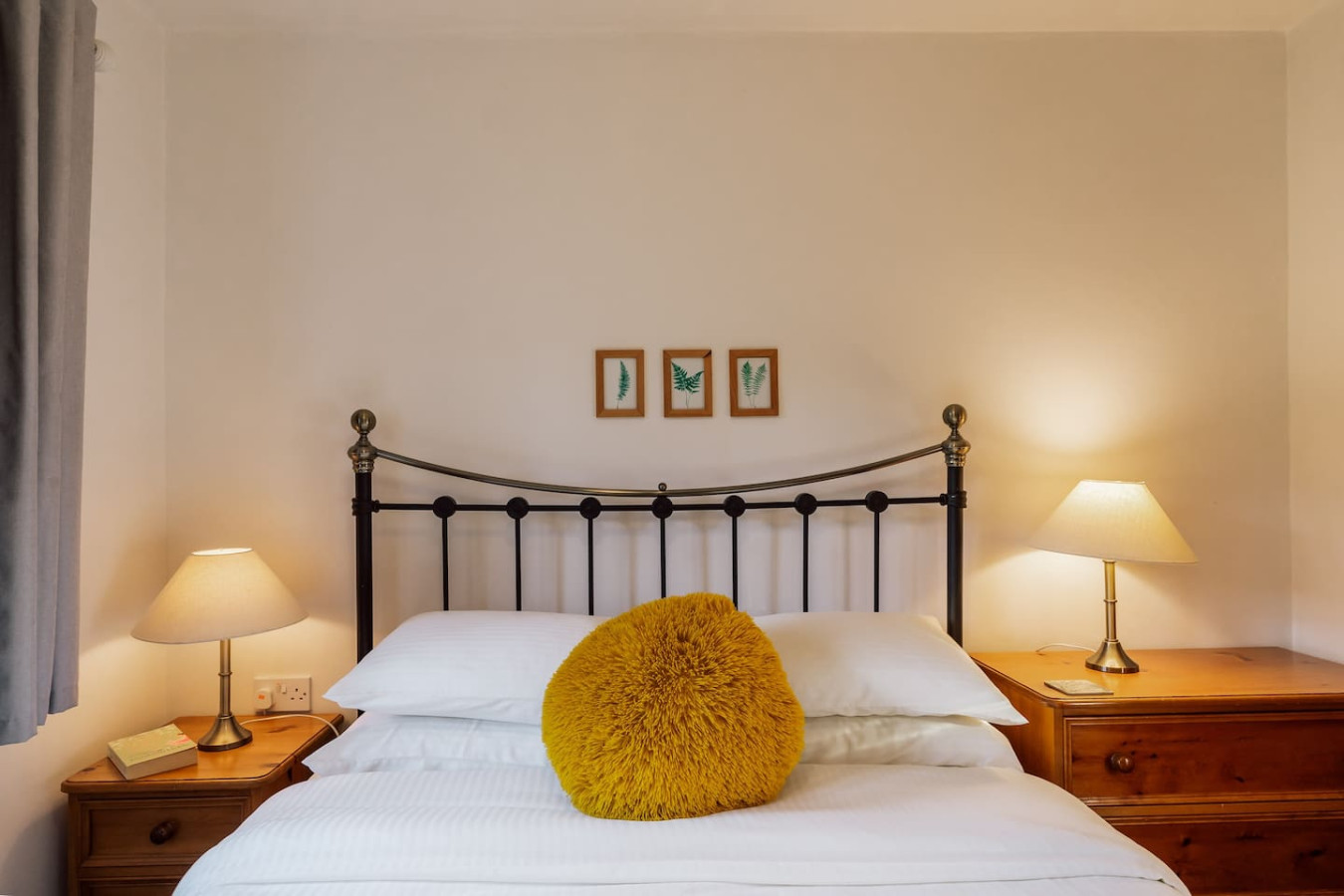
Ipstones
Archway Cottage Swimming Lake, BBQ hut, Games Room
- Sleeps 5
- 3 bedrooms
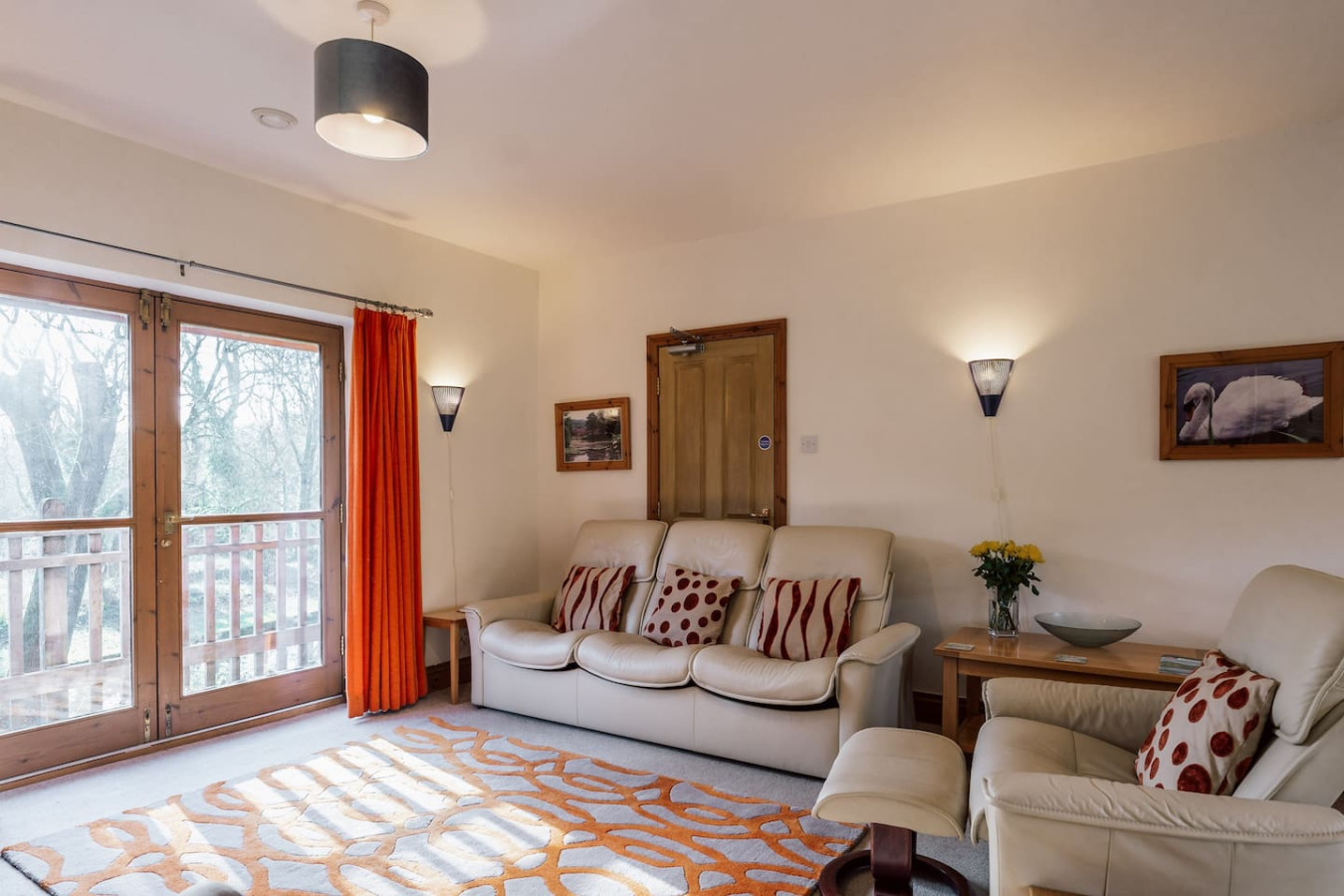
Ipstones
Clinkum Cottage Swimming Lake, BBQ hut, Games Room
- Sleeps 5
- 3 bedrooms
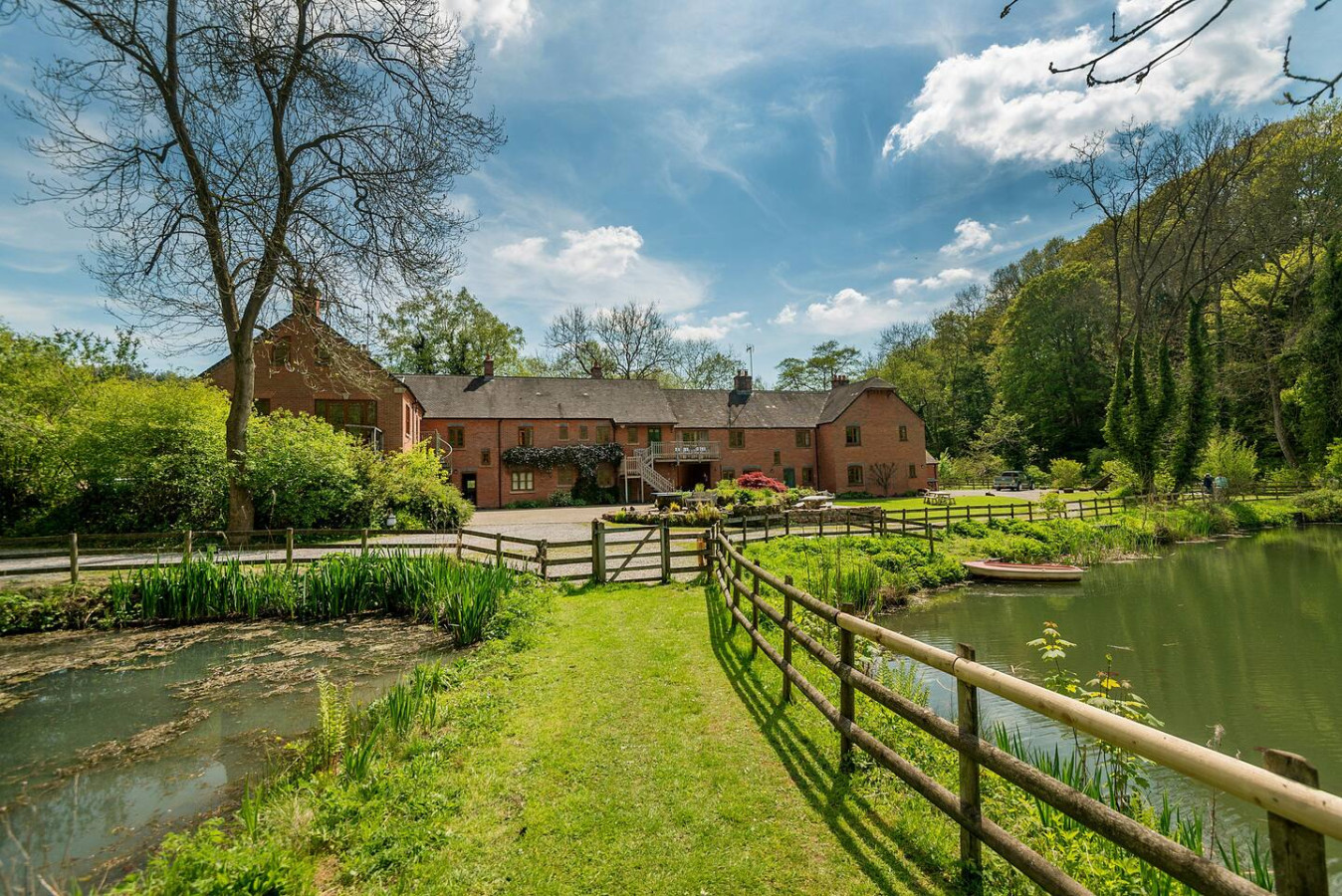
Ipstones
Wysteria: Swimming Lake, BBQ hut, Games Room
- Sleeps 4
- 2 bedrooms
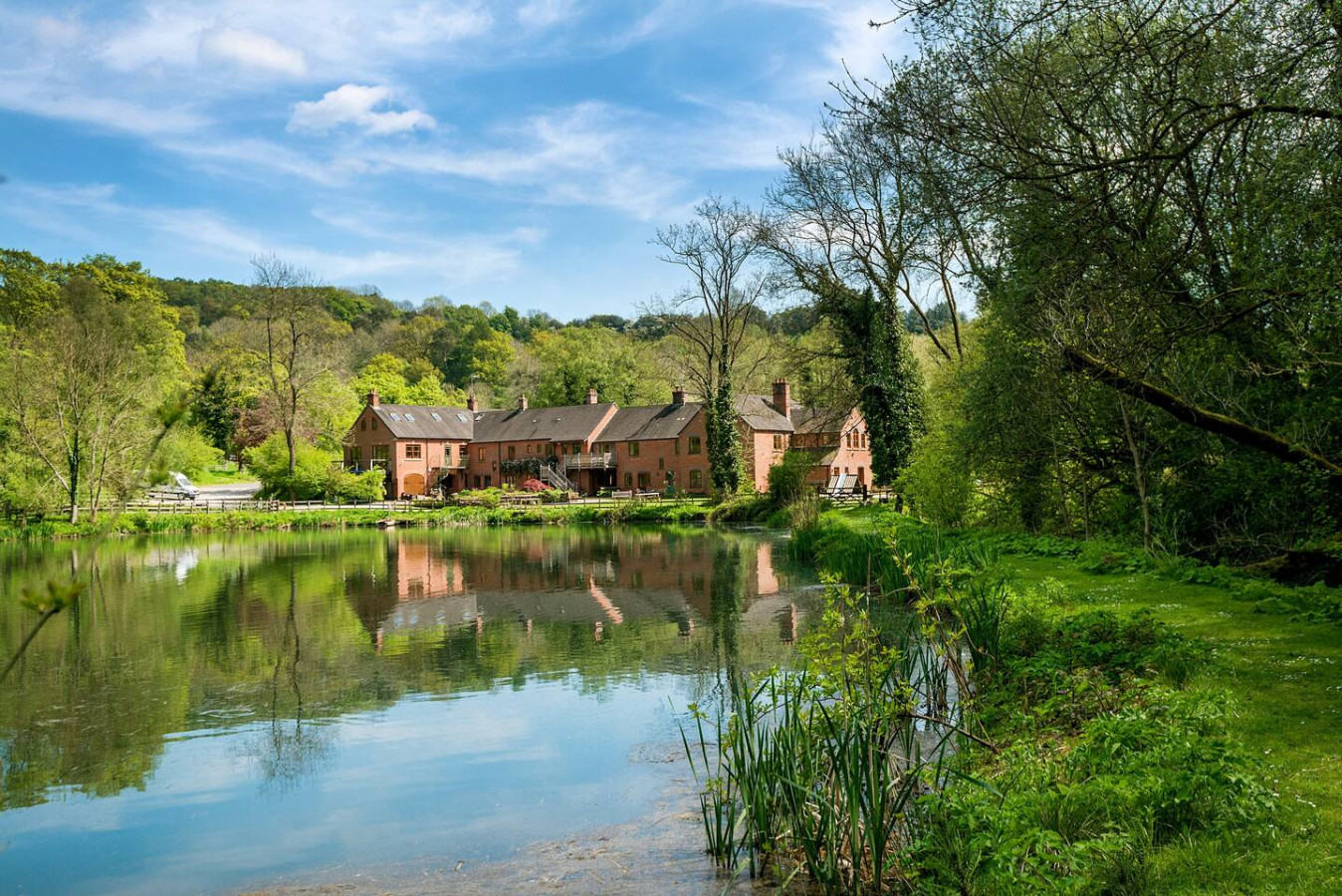
Ipstones
Wharf Cottage: Swimming lake, BBQ Hut, Games Room
- Sleeps 3
- 2 bedrooms
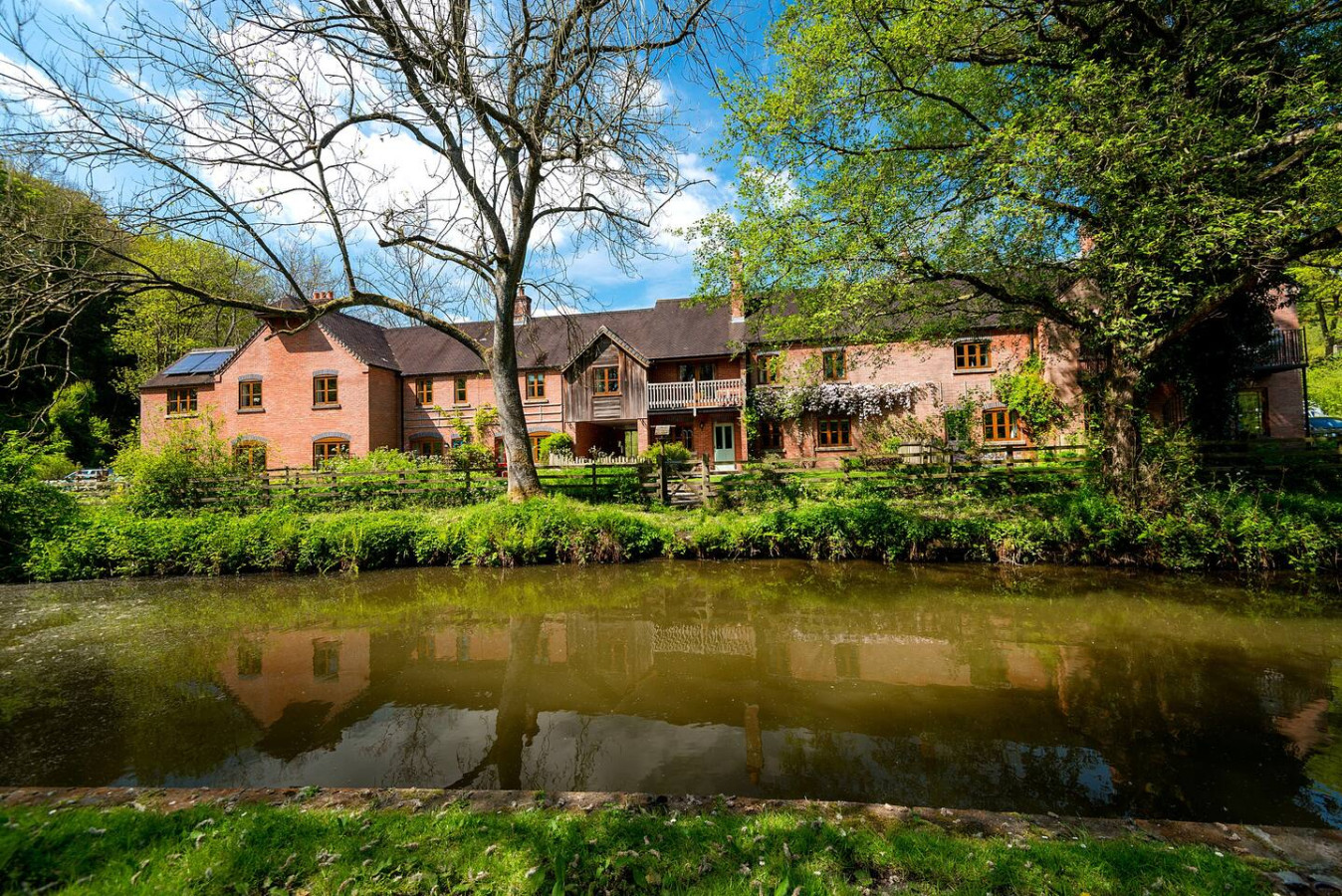
Ipstones
Bolt Hole: Swimming Lake, BBQ hut, Games Room
- Sleeps 2
- 1 bedroom
For homeowners
Own a holiday home near Ipstones?
We manage holiday lets across Staffordshire from 12% commission, charged after cleaning costs, with no lock-in. A co-founder visits before you decide.
Holiday let management in Staffordshire →
A guide with a point of view
Written from research. Edited for real journeys.
Use the Official site links for live practical details, then use this guide for context, ideas and room to explore.
Sources
Every place on this page is checked against a published source. Each entry links the record we used and names who publishes it.
- St Leonard's Church — historicengland.org.uk statutory register or public authority record not machine-readable; publisher restricts automated access
- Ipstones Edge Nature Reserve — staffs-wildlife.org.uk national body or asset manager
- Churnet Valley Railway — churnetvalleyrailway.co.uk operator, sector body or destination organisation record not machine-readable; publisher restricts automated access
- Consall Nature Park and Caldon Canal — staffordshire.gov.uk statutory register or public authority
- The Old Red Lion — theoldredlionipstones.co.uk operator, sector body or destination organisation
- The Village Butcher — ipstonesparishcouncil.gov.uk statutory register or public authority
- Ipstones Recreation Ground — register-of-charities.charitycommission.gov.uk statutory register or public authority