
Quiet history in the River Blithe vale
Leigh
Leigh pairs a remarkable medieval church and community hall with nearby farm food, abbey ruins and reservoir walks.
- Best for
- Church architecture and village history
- Give it
- A short stop or an unhurried half-day
- Don't miss
- Sir John Aston's alabaster tomb
The Fox verdict
A history-rich village stop, best paired with Denstone
Come for All Saints' medieval fabric and the village hall's former-school story, then continue to Denstone Hall Farm Shop for the food stop.
Leigh is a focused visit rather than a full-day attraction. All Saints' supplies the substance, from its medieval crossing tower to the Aston tomb and the font once used as a cheese press; the former boys' school now serves as the village hall, and nearby Denstone adds a working farm shop, butchery and cafe.
Where to go
Places in Leigh
Every place below is checked against a published source, listed with what it is and how long to give it.
Local signatures
3 placesAll Saints' Church
Look for the medieval crossing tower, rib vaulting, carved head-stops and the alabaster tomb of Sir John Aston and his wife.
- Visit length
- Editorial estimate: Allow around 45 minutes
- Locality
- Church Leigh
Croxden Abbey
English Heritage's free-entry ruins of a 12th-century Cistercian abbey, including substantial remains of the church, infirmary and abbot's lodging.
- Visit length
- Editorial estimate: around 60 minutes
- Locality
- Croxden, near Uttoxeter
- Access
- The ruins stand on uneven grass with some slopes and steps, and parking at the entrance is very limited.
Denstone Hall Farm Shop & Cafe
A working farm shop, butchery and cafe in Denstone, recognised with national farm-shop and speciality-sausage awards.
- Visit length
- Editorial estimate: Allow around 90 minutes
- Locality
- Denstone
Walks & outdoors
1 placeBlithfield Reservoir Walks
The three concessionary trails start from the Newton Hurst Lane car park and pass wildflower meadow and ancient woodland, with bird hides and views near the reservoir.
- Visit length
- Editorial estimate: around 90 minutes
- Locality
- Blithfield Reservoir, near Abbots Bromley
- Access
- Public access is limited to the three concessionary trails rather than the shoreline; keep dogs on leads.
Things to do
1 placeLeigh Village Hall
The 1857 former boys’ school now serves as Leigh Village Hall; its listed building is a point of local architectural history.
- Visit length
- Editorial estimate: around 30 minutes
- Locality
- Church Leigh
- Access
- Check for an event or arranged access before planning an indoor visit.
No places match this filter. Choose All places to reset the list.
Three ways to explore Leigh
Signature outings
Find the cheese-press font
Inside All Saints', seek out the font that was restored in 1897 after being found in use as a cheese press.
See the old school still serving Leigh
Leigh Village Hall occupies Church Leigh’s former boys’ school, built in 1857; view its listed exterior or check for an event.
Choose a reservoir trail
Follow a public Blithfield trail through meadow and ancient woodland, pausing at bird hides and viewpoints near the water.
The village story
Leigh: towers, tombs and a village in pause
The Travel Fox article moves from a closed village pub to medieval church detail, the spread of the parish and Leigh’s lost railway connection.
A pub in pause
The Star Inn on Parkhall Lane is a whitewashed, brick-built pub from the late 19th century, and until last year the same tenants had run it for nineteen years. They retired in 2025 and handed the lease back to the owners; it's been on the market since, still looking for someone to take it on. Worth knowing before you build an evening around it, because everything about the place suggests it's worth the wait — an elongated interior split into four trading areas, a real fire, darts, dominoes and cribbage, quiz nights and live music, and a split-level patio with benches for eighteen plus an enclosed rear terrace by the kitchen. CAMRA once called it "a small, friendly local serving excellent, well-kept ales," with Marston's Pedigree on cask and a rotating guest ale alongside it.
Directly opposite, according to the 1848 Tithe Survey, once stood the parish workhouse. There's no trace of it now, just houses, and a pub that isn't currently pouring anything.
Village essentials and a remarkable church
Leigh Post Office holds down the village centre near the church — standard counter service, and not much else, the kind of shop that matters more for existing than for what it sells.
The real draw is All Saints', a Grade II*-listed cruciform church with a medieval crossing tower that survived a substantial rebuild in 1846, funded by the Bagot family of Blithfield. Inside, the nave arcade runs on cruciform piers with pointed arches and carved head-stops, and the chancel and crossing carry rib vaulting springing from foliated corbels. In the south transept is an alabaster tomb to Sir John Aston of Park Hall, who died in 1523: he and his wife lie in plate armour and long dress, his feet resting on a lion. There's also an 18th-century pulpit with its sounding board still in place, a chalice dated 1596, and three bells cast in 1450, 1627 and 1729.
A parish spread across the vale
Leigh's civil parish runs to nine outlying hamlets around the clustered village of Church Leigh — Withington, Upper and Lower Leigh, Morrilow Heath, Middleton Green, Dodsley, Godstone, Nobut and Field — spread across rolling, intensively farmed land in the vale of the River Blithe. Leigh Village Hall, in Church Leigh, started life in 1857 as the village boys' school and now serves as a community venue. All Saints C of E First School still serves the village, with Denstone College, Thomas Alleyne's and Painsley Catholic College among the schools nearby.
The Domesday Book records Leigh as "Lege," held by Burton Abbey after Wulfric Spot, Ealdorman of Mercia, gave it to the monastery in 1002. Its value rose from five shillings to twelve between the abbey's acquisition and 1086, worked by one free man and ten households between five plough teams. Monastic ownership lasted until 1178, when the abbot sold the church to Robert Fitz Ulviet for five marks — the first layman to hold it.
Rails, roads and a rescued font
Leigh's own railway station opened with the North Staffordshire Railway in 1848 and closed in the Beeching cuts of 1966; the nearest stop now is Uttoxeter, six miles east on the Crewe–Derby line. The village sits well under a mile south of the A50, which puts Stafford and the M6 within easy reach. Denstone Hall Farm Shop & Café, a working farm shop and butchery that's picked up national awards including Best Large Farm Shop Retailer in the UK, is about 5.7 miles from Church Leigh in a straight line; the road journey is longer.
Somewhere along the way, the font at All Saints spent a stretch of its working life as a cheese press, before it was restored to the church in 1897. It's back doing the job it was built for now, and nobody seems to have written down why it left in the first place.
Stay around Alton Towers
Make a longer stay of it
Travel Fox holiday homes around Alton Towers, linked directly to their property pages.
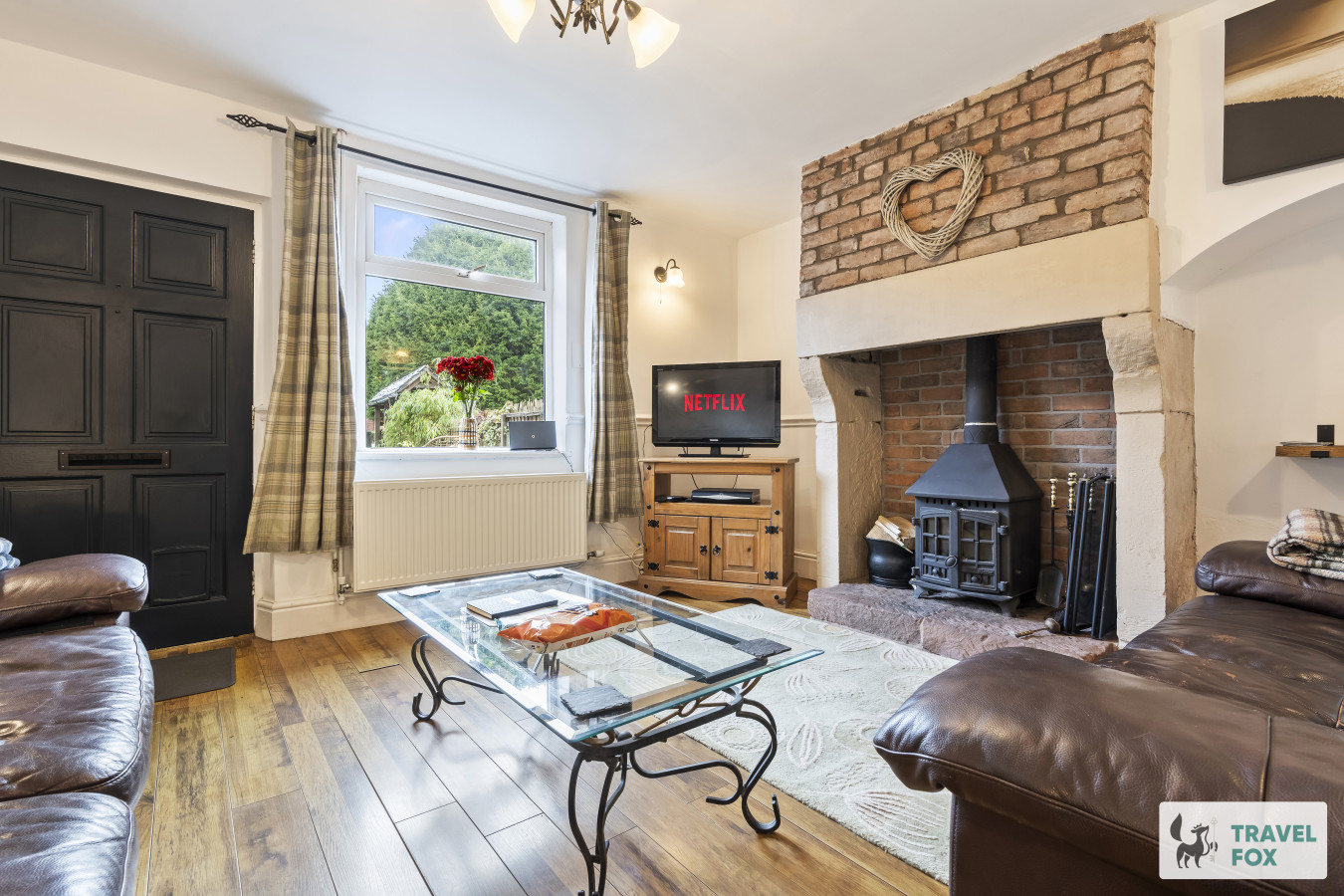
Oakamoor
Christina's House
- Sleeps 4
- 2 bedrooms
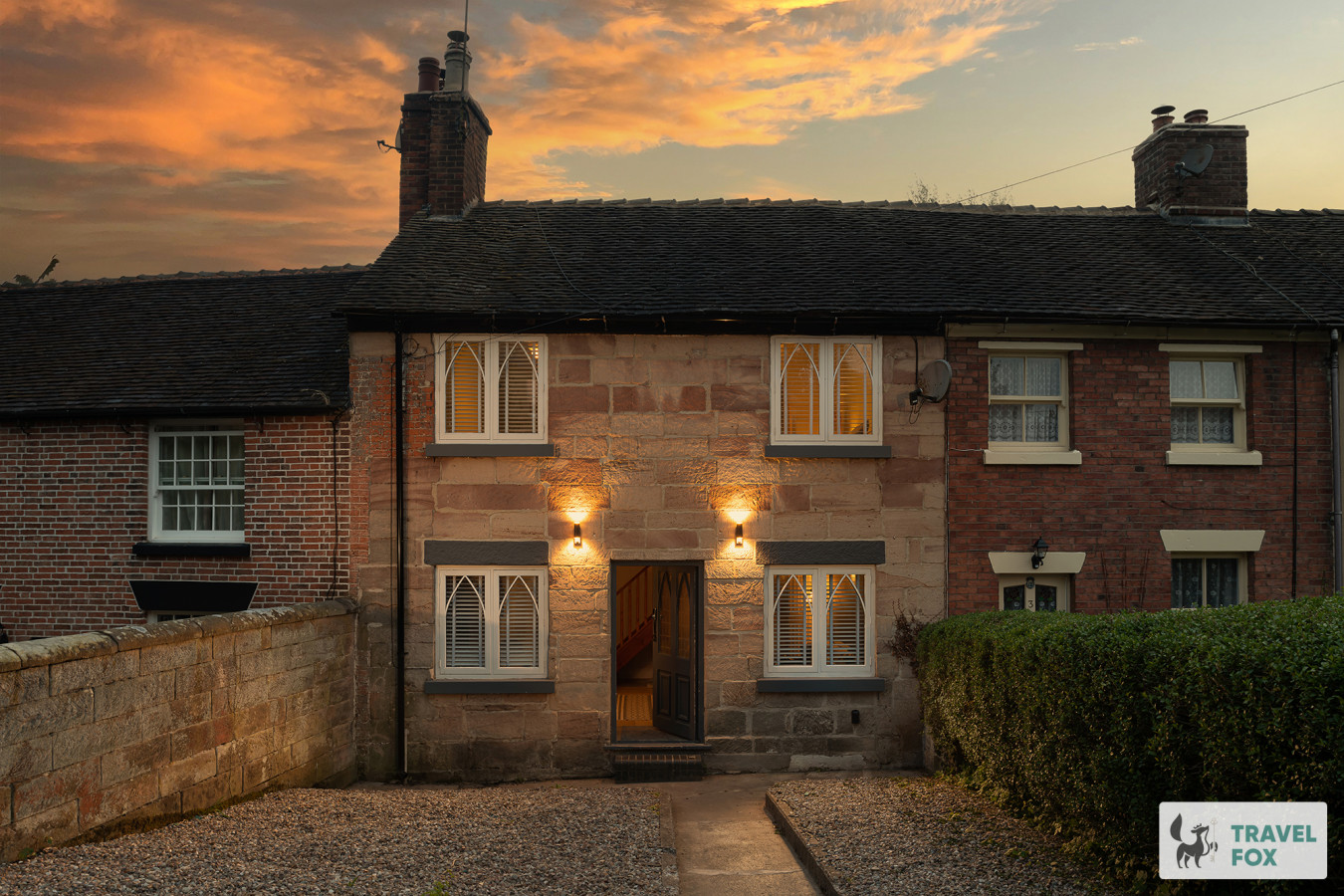
Alton
Angel Cottage - 5 mins drive to Alton Towers!
- Sleeps 10
- 4 bedrooms
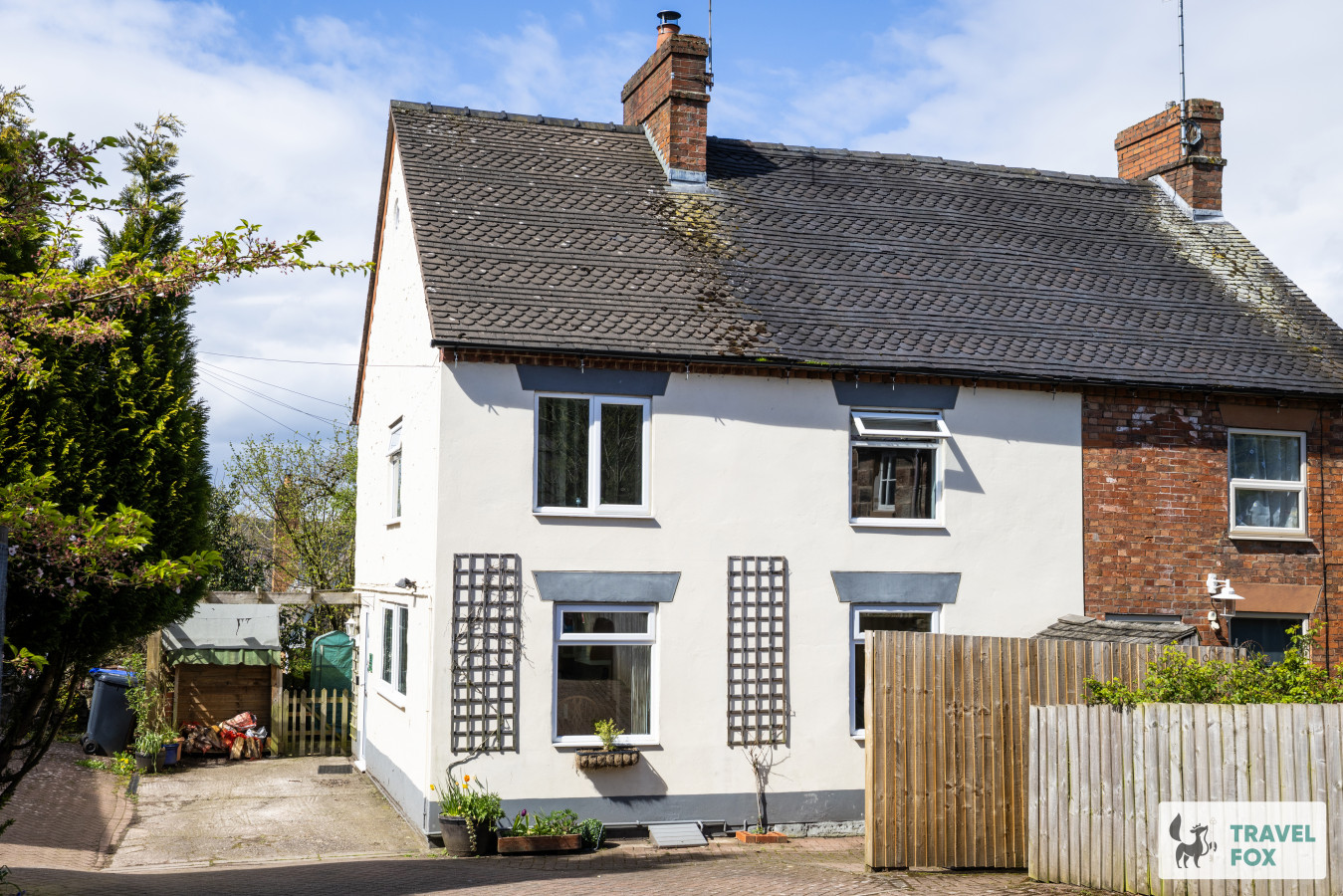
Alton
Smithy Bank Cottage - with free parking!
- Sleeps 8
- 3 bedrooms
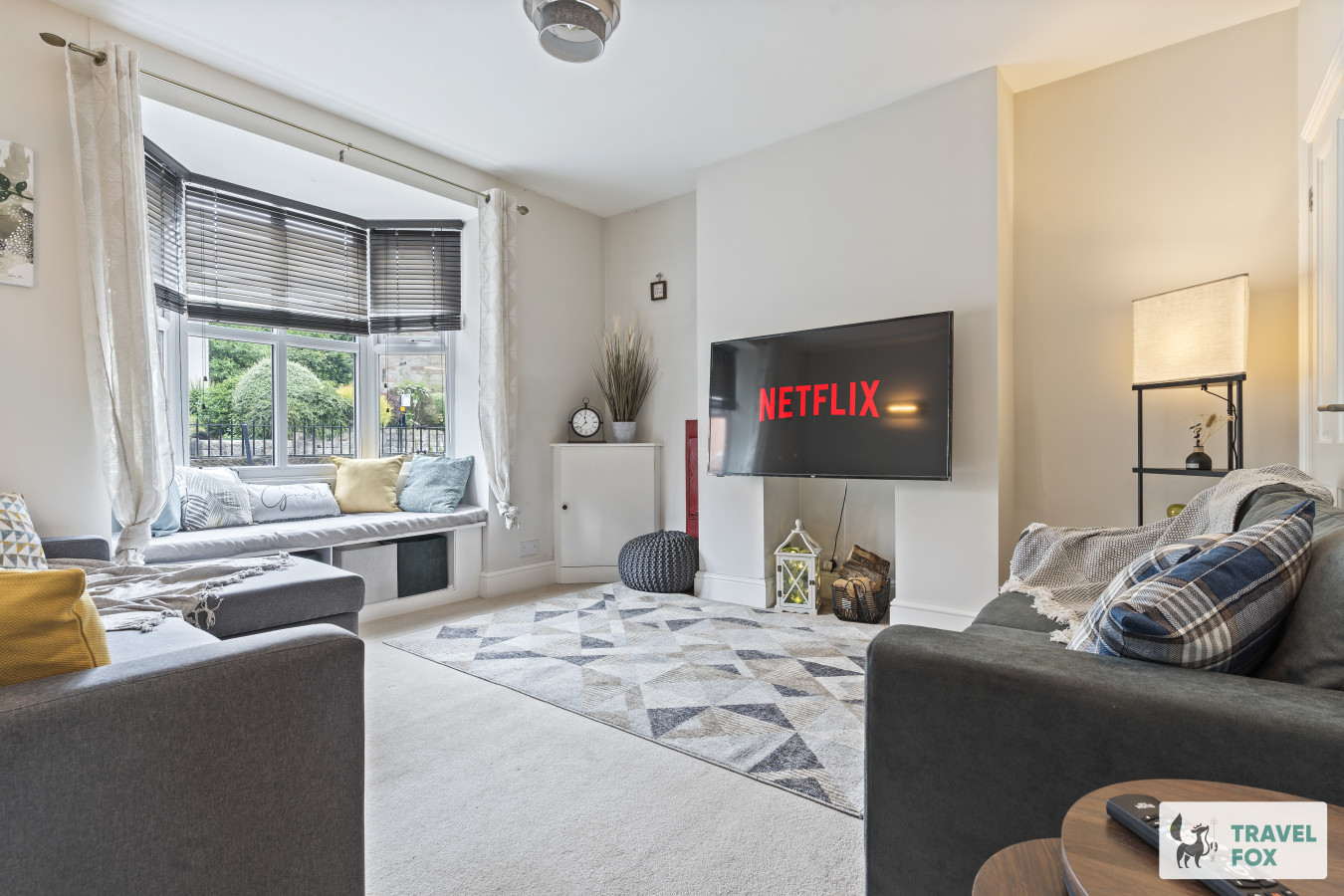
Alton
The Old Post Office: Alton Towers
- Sleeps 8
- 3 bedrooms
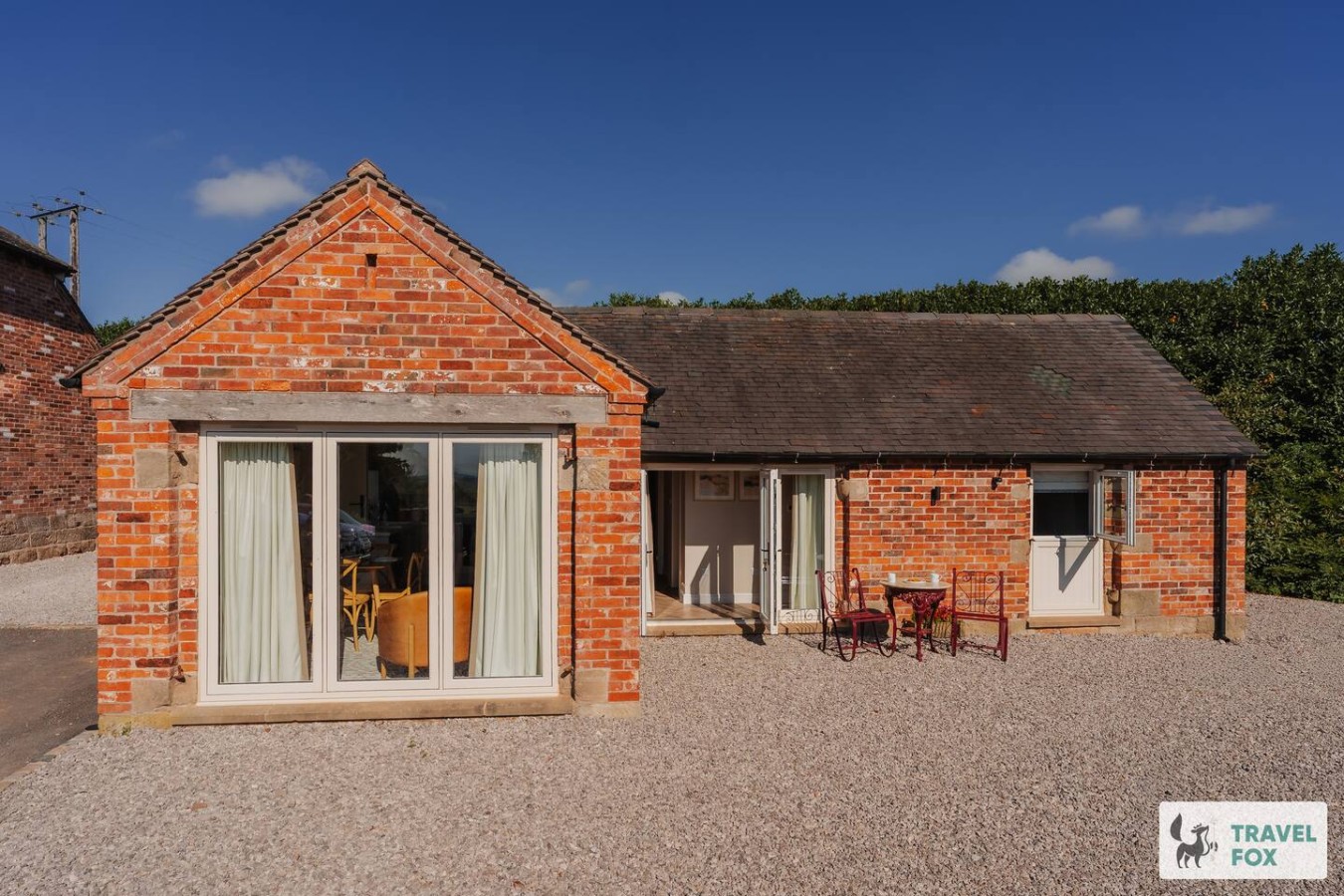
Checkley
The Old Stables
- Sleeps 4
- 2 bedrooms
For homeowners
Own a holiday home near Leigh?
We manage holiday lets across Staffordshire from 12% commission, charged after cleaning costs, with no lock-in. A co-founder visits before you decide.
Holiday let management in Staffordshire →
A guide with a point of view
Written from research. Edited for real journeys.
Use the Official site links for live practical details, then use this guide for context, ideas and room to explore.
Sources
Every place on this page is checked against a published source. Each entry links the record we used and names who publishes it.
- All Saints' Church — achurchnearyou.com national body or asset manager
- Leigh Village Hall — search.staffspasttrack.org.uk operator, sector body or destination organisation
- Croxden Abbey — english-heritage.org.uk national body or asset manager
- Denstone Hall Farm Shop & Cafe — denstonehall.co.uk operator, sector body or destination organisation
- Blithfield Reservoir Walks — south-staffs-water.co.uk other published source