
Wire, water and woodland
Oakamoor
A small Staffordshire Moorlands village where wooded dells, the River Churnet and the remains of a copper-working past meet.
- Best for
- Woodland walks and industrial echoes
- Give it
- Half a day, or longer for a valley walk
- Don't miss
- Dimmingsdale's sandstone dells and waterfall streams
The Fox verdict
A valley village with wire in its story
Start in Oakamoor for a Churnet Valley walk through Cotton Dell towards Whiston.
The immediate rewards are outdoors: Dimmingsdale's wooded dells, the old railway greenway and longer routes through Cotton Dell. Beside the river, the former copperworks site recalls wire made for an early transatlantic cable, while Oakamoor Bridge dates from 1709–10.
Where to go
Places in Oakamoor
Every place below is checked against a published source, listed with what it is and how long to give it.
Local signatures
3 placesCotton Dell
A dell on the longer Churnet Valley walk from Oakamoor, visited before Rock Cottage and the route's wider valley section.
- Visit length
- Editorial estimate: Allow around 1 hour 30 minutes
- Locality
- on the Churnet Valley route from Oakamoor
Oakamoor Greenway and Picnic Area
A riverside picnic base with parking, tables and toilets beside the Oakamoor–Denstone Greenway on the old railway trackbed.
- Visit length
- Editorial estimate: Allow around 1 hour
- Locality
- beside the River Churnet
Holy Trinity Church
J. P. Pritchett's 1832 church has an ashlar exterior, a crenellated west tower and a basement used as the church hall.
- Visit length
- Editorial estimate: Allow around 30 minutes
- Locality
- on the sloping village site
Food & drink
1 placeRambler's Retreat
A family-run tearoom at Dimmingsdale car park that has served homemade food since 1981.
- Visit length
- Editorial estimate: Allow around 1 hour
- Locality
- at Dimmingsdale car park, near Alton
Walks & outdoors
2 placesDimmingsdale
A wooded valley of sandstone outcrops, dells, streams and small waterfalls, with bluebells and heather adding seasonal colour.
- Visit length
- Editorial estimate: Allow around 2 hours
- Locality
- adjoining Oakamoor
Oakamoor and Whiston Circular Walk
A council-published 8-mile circular walk from Oakamoor through Cotton Dell to Whiston, returning via Hawksmoor Wood.
- Visit length
- Editorial estimate: Allow around 4 hours
- Locality
- starting from Oakamoor
History & heritage
2 placesOakamoor Bridge
The present stone bridge was built in 1709–10 and widened in 1778; the join can be seen through its arches.
- Visit length
- Editorial estimate: Allow around 20 minutes
- Locality
- over the River Churnet
Froghall Wharf
The historic Caldon Canal terminus at Froghall, with lime-kiln remains connecting the valley to its industrial past.
- Visit length
- Editorial estimate: Allow around 1 hour
- Locality
- at the Caldon Canal terminus in Froghall
Things to do
1 placeChurnet Valley Railway
A heritage steam railway serving stations including Kingsley & Froghall, Consall, Cheddleton and Leek Brook.
- Visit length
- Editorial estimate: Allow around 2 hours 30 minutes
- Locality
- at Kingsley and Froghall
No places match this filter. Choose All places to reset the list.
Three ways to explore Oakamoor
Signature outings
Woodland dells and falls
Choose a low-level stroll around Dimmingsdale's pools if you want to avoid the steeper paths.
Homemade food in the woods
Rambler's Retreat is at Dimmingsdale car park, about 1.4 miles from Oakamoor in a straight line; the road journey is longer.
Marks left by the masons
Look closely at the bridge's stones for individual masons' marks, once used to calculate their piecework pay.
The village story
Oakamoor: River Churnet and Industrial Heritage
From the former copperworks beside the Churnet, paths lead through Cotton Dell into the wooded valley.
Pints beside the brook
The Cricketers Arms on the Square is a four-roomed pub with brookside seating, traditional games and charity quiz nights supporting Dougie Mac. Hancock's HB is its regular ale, while Marston's Pedigree and Sharp's Doom Bar are among the changing beers.
The village hall has a Post Office counter on Fridays. Beyond the Square, wooded valley paths give Oakamoor its pull.
Into the wooded valley
Dimmingsdale's wooded valley has sandstone outcrops, streams, ponds and lakes. The Rambler's Retreat tearoom at its walking base has served homemade food since 1981.
For a longer walk, Christopher Somerville's 7½-mile Churnet Valley route starts and finishes at Oakamoor car park, passing Cotton Dell and Rock Cottage before Whiston. He describes meadowsweet, grasses and small creatures along the river. The former railway trackbed gives walkers and cyclists another route towards Alton and Denstone.
Copper, cable and river
Oakamoor Park, on Mill Lane, is a riverside play area and picnic site built on what used to be Thomas Bolton's copperworks. There's a cricket club too, at the Davies/Worthington ground.
Thomas Bolton bought the Oakamoor works in 1851, and wire drawn there was used in an early transatlantic telegraph cable. The works closed in 1962 and its buildings were demolished in 1963. Gateposts and raised stone platforms survive at the former works site. A blast furnace at what is now Oldfurnace Cottage operated between 1593 and 1608.
Church, weather and connections
Holy Trinity Church, built in 1832 to a design by J.P. Pritchett of York, has a crenellated west tower and a basement that doubles as the church hall, on account of the sloping site. Clement Wragge went to the church school here, raised by his grandmother, before he grew up to become the meteorologist who started naming cyclones after people.
Buses run on the D&G 32A between Stoke-on-Trent and Uttoxeter via Cheadle and Alton Towers; the nearest stations are Blythe Bridge, Stoke and Uttoxeter, Oakamoor's own having closed in 1965.
Wire fairies, full circle
Robin Wight made wire fairies for a trail at Oakamoor's village festival in 2012. The idea led to FantasyWire's fairy trail at Trentham Gardens, where his sculptures can still be seen. It is a fitting echo of Oakamoor's earlier wire-making industry.
Stay around Alton Towers
Make a longer stay of it
Travel Fox holiday homes around Alton Towers, linked directly to their property pages.
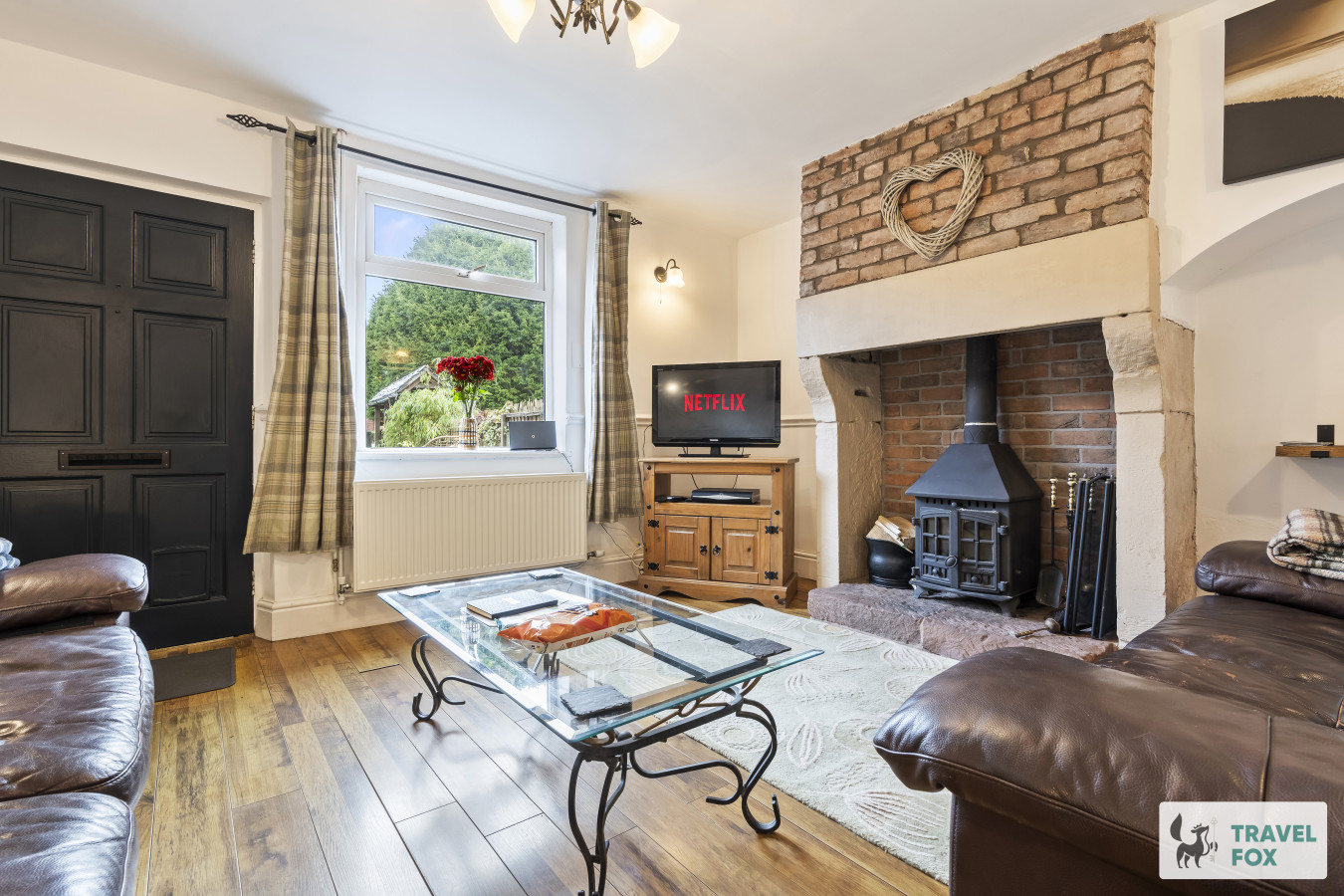
Oakamoor
Christina's House
- Sleeps 4
- 2 bedrooms
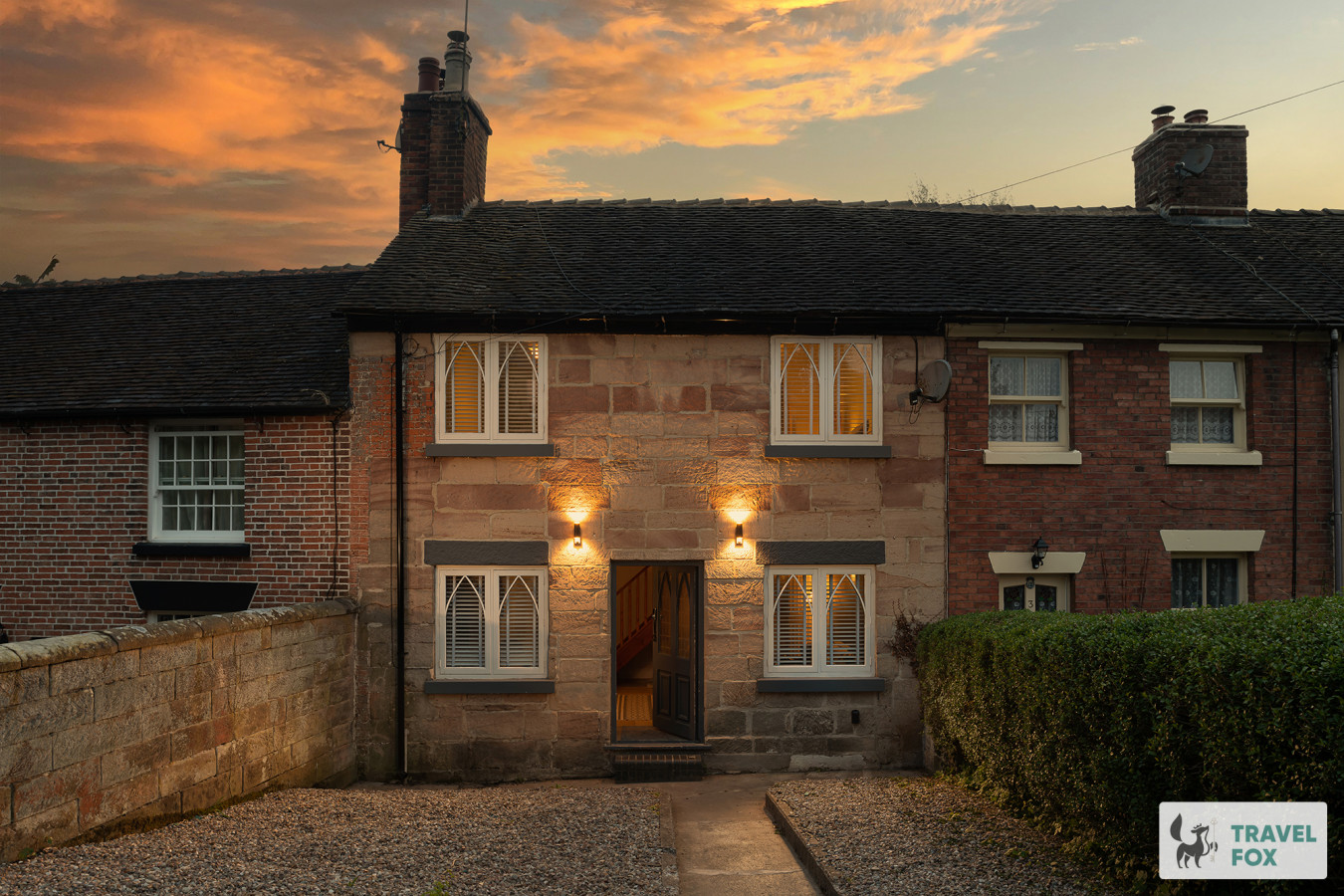
Alton
Angel Cottage - 5 mins drive to Alton Towers!
- Sleeps 10
- 4 bedrooms
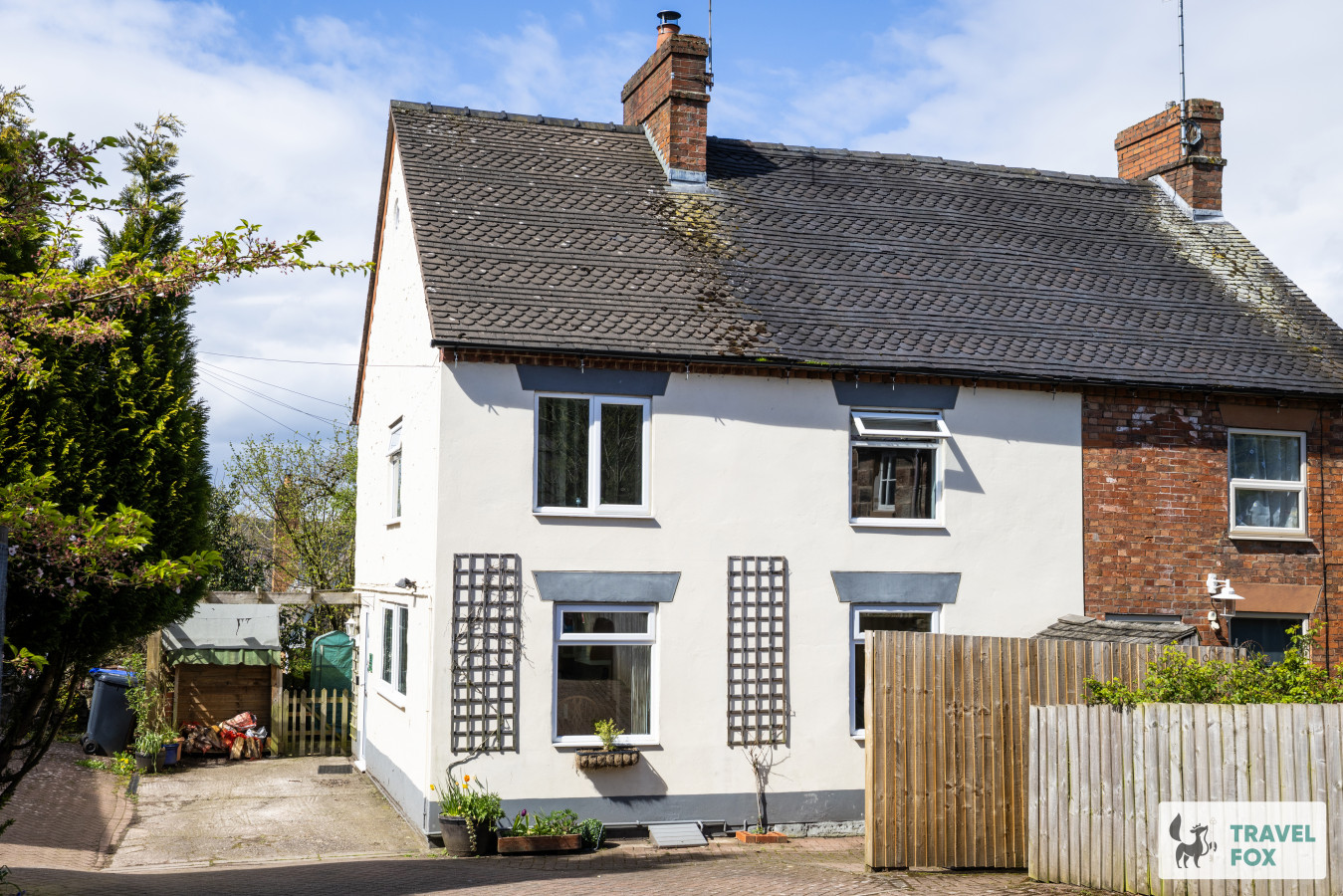
Alton
Smithy Bank Cottage - with free parking!
- Sleeps 8
- 3 bedrooms

Alton
The Old Post Office: Alton Towers
- Sleeps 8
- 3 bedrooms
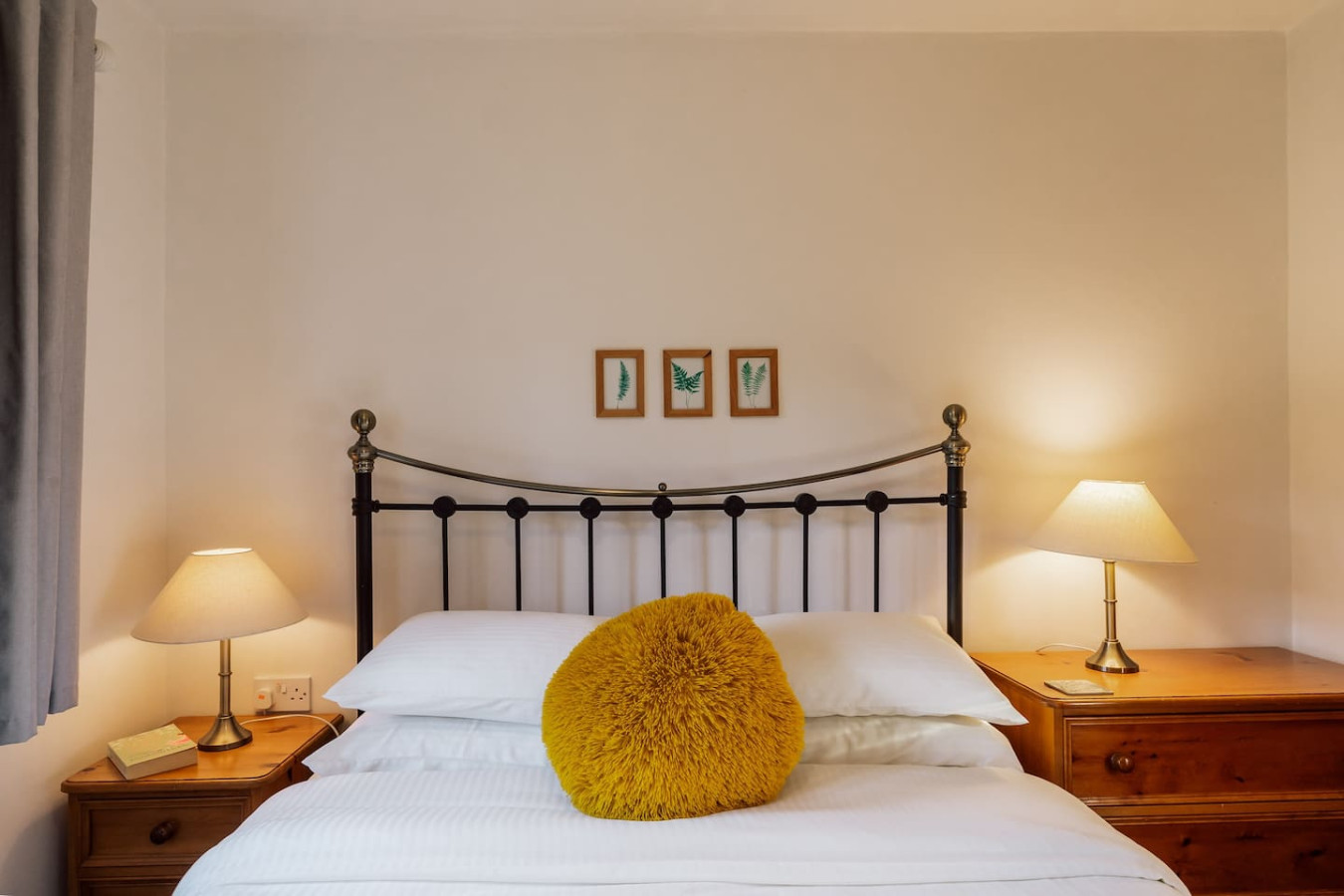
Ipstones
Archway Cottage Swimming Lake, BBQ hut, Games Room
- Sleeps 5
- 3 bedrooms
For homeowners
Own a holiday home near Oakamoor?
We manage holiday lets across Staffordshire from 12% commission, charged after cleaning costs, with no lock-in. A co-founder visits before you decide.
Holiday let management in Staffordshire →
A guide with a point of view
Written from research. Edited for real journeys.
Use the Official site links for live practical details, then use this guide for context, ideas and room to explore.
Sources
Every place on this page is checked against a published source. Each entry links the record we used and names who publishes it.
- Dimmingsdale — forestryengland.uk national body or asset manager
- Cotton Dell — staffs-wildlife.org.uk national body or asset manager
- Oakamoor and Whiston Circular Walk — staffordshire.gov.uk statutory register or public authority
- Oakamoor Greenway and Picnic Area — staffordshire.gov.uk statutory register or public authority
- Holy Trinity Church — achurchnearyou.com national body or asset manager
- Oakamoor Bridge — oakamoorpc.org operator, sector body or destination organisation
- Rambler's Retreat — ramblersretreat.co.uk operator, sector body or destination organisation
- Froghall Wharf — staffordshire.gov.uk statutory register or public authority
- Churnet Valley Railway — churnetvalleyrailway.co.uk operator, sector body or destination organisation record not machine-readable; publisher restricts automated access