
At the Weaver Hills' edge
Stanton
A small Staffordshire village where a hilltop reserve, wide views and old stone landmarks reward an unhurried visit.
- Best for
- Short country walks, wildlife and open views
- Give it
- A quiet half day, or longer with lunch in Ellastone
- Don't miss
- The view from St Mary's towards the Weaver Hills
The Fox verdict
Come for the landscape, not a list of amenities
Stanton works best as a peaceful base for church architecture, limestone grassland and the Weaver Hills.
The village has no operating pub or shop, but that absence is part of its quiet character. Pair St Mary's with Thorswood's way-marked paths and the Weaver Hills, then follow the old route towards Ellastone for a medieval waymark, another historic church and a meal.
Where to go
Places in Stanton
Every place below is checked against a published source, listed with what it is and how long to give it.
Local signatures
3 placesWeaver Hills Summit
The 371-metre summit known locally as The Walk has an OS trig point and broad views that can include Alton Towers on a clear day.
- Visit length
- Editorial estimate: around 45 minutes
- Locality
- on the Weaver Hills west of Stanton
Ousley Cross
The surviving base and shaft of a probable 15th-century cross, a medieval waymark on the old pilgrimage route towards St Bertram's shrine at Ilam.
- Visit length
- Editorial estimate: around 20 minutes
- Locality
- on the route between Stanton and Ellastone
The Duncombe Arms
The nearby gastropub provides Stanton's practical stop for a meal and a pint, since the village's own pub closed in 1946.
- Visit length
- Editorial estimate: around 90 minutes
- Locality
- in neighbouring Ellastone
- Access
- Table booking is advised.
Walks & outdoors
1 placeThorswood Nature Reserve
A 150-acre Staffordshire Wildlife Trust reserve of hay meadow and limestone grassland, with frequent hare sightings and a circular stone seat at its highest point.
- Visit length
- Editorial estimate: around 90 minutes
- Locality
- adjoining Stanton
- Access
- Start at Thorswood Nature Reserve's car park on Dale Lane; the reserve is steep in places, so follow its way-marked routes.
History & heritage
2 placesSt Mary's Church
A Grade II church built in 1846–47 in the Early English style, with lancet windows, a trefoil-carved font and a bench looking towards Cannock Chase and the Weaver Hills.
- Visit length
- Editorial estimate: around 30 minutes
- Locality
- in Stanton
St Peter's Church, Ellastone
Stanton's villagers once walked more than two miles to worship at this neighbouring church, which also sits on the route past Ousley Cross.
- Visit length
- Editorial estimate: around 35 minutes
- Locality
- in neighbouring Ellastone
No places match this filter. Choose All places to reset the list.
Three ways to explore Stanton
Signature outings
St Mary's Quiet Outlook
Pause by St Mary's for the church's carved details and the view towards Cannock Chase and the Weaver Hills.
Thorswood's Stone Seat
Follow the reserve's marked paths through hay meadow and limestone grassland to the circular stone seat at its highest point.
The Walk to Ellastone
Complete Stanton's old journey to worship at St Peter's, linking the neighbouring villages through their church history.
The village story
Stanton Village Guide
A village measured in long views, old paths and the things that have endured.
The View from St Mary's
A bench behind St Mary's Church looks south towards Cannock Chase and west to the Weaver Hills. It is a fine place to pause: Stanton's quiet lanes and the open landscape reward an unhurried visit.
Built in 1846–47 by W. Evans of Manchester in the Early English style, the church is younger than its stonework suggests. Before Stanton had a church, villagers walked more than two miles to St Peter's at Ellastone to worship. Inside are a pointed chancel arch, a seven-sided pulpit with trefoil panels and a nineteenth-century font carved with trefoil arches. The church is Grade II listed.
Where the Pub Used to Be
There is no pub. There hasn't been one since 1946, and no shop either. The post office closed in 2001, the same year the census counted 232 people living here. For food and a pint, Ellastone, the next village over, has the Duncombe Arms; for a market town with more choice, Ashbourne is about three and a half miles away.
The Weaver Hills
From the Weaver Hills, views can reach Alton Towers to the west and Derbyshire farmland to the east. Nearby Thorswood Nature Reserve has hay meadows and flower-rich limestone grassland; hares are frequently seen, and its circular stone seat was built with local schoolchildren and volunteers. Historic England lists Ousley Cross as a stone cross base and shaft, probably dating from the 15th century.
From Stantone to Sheldon
Historic England records the listed Gilbert Sheldon Church of England School in Stanton. A 2013 Staffordshire Arts listing advertised a performance by the Harald Haugaard Quartet at Gilbert Sheldon Hall in Stanton on 25 May.
Arriving in Stanton
Uttoxeter is the nearest station, about nine miles away; Stanton has a bus stop but no scheduled bus service. Road access is via the A52 and B5032. A Grade II listed cast-iron milepost stands on the A52, marking distances to Ashbourne and towns to the west. A gold bracelet dating to around 800 BC was found in the parish in 1953 and is now in the Potteries Museum & Art Gallery in Stoke-on-Trent.
Stay around Alton Towers
Make a longer stay of it
Travel Fox holiday homes around Alton Towers, linked directly to their property pages.
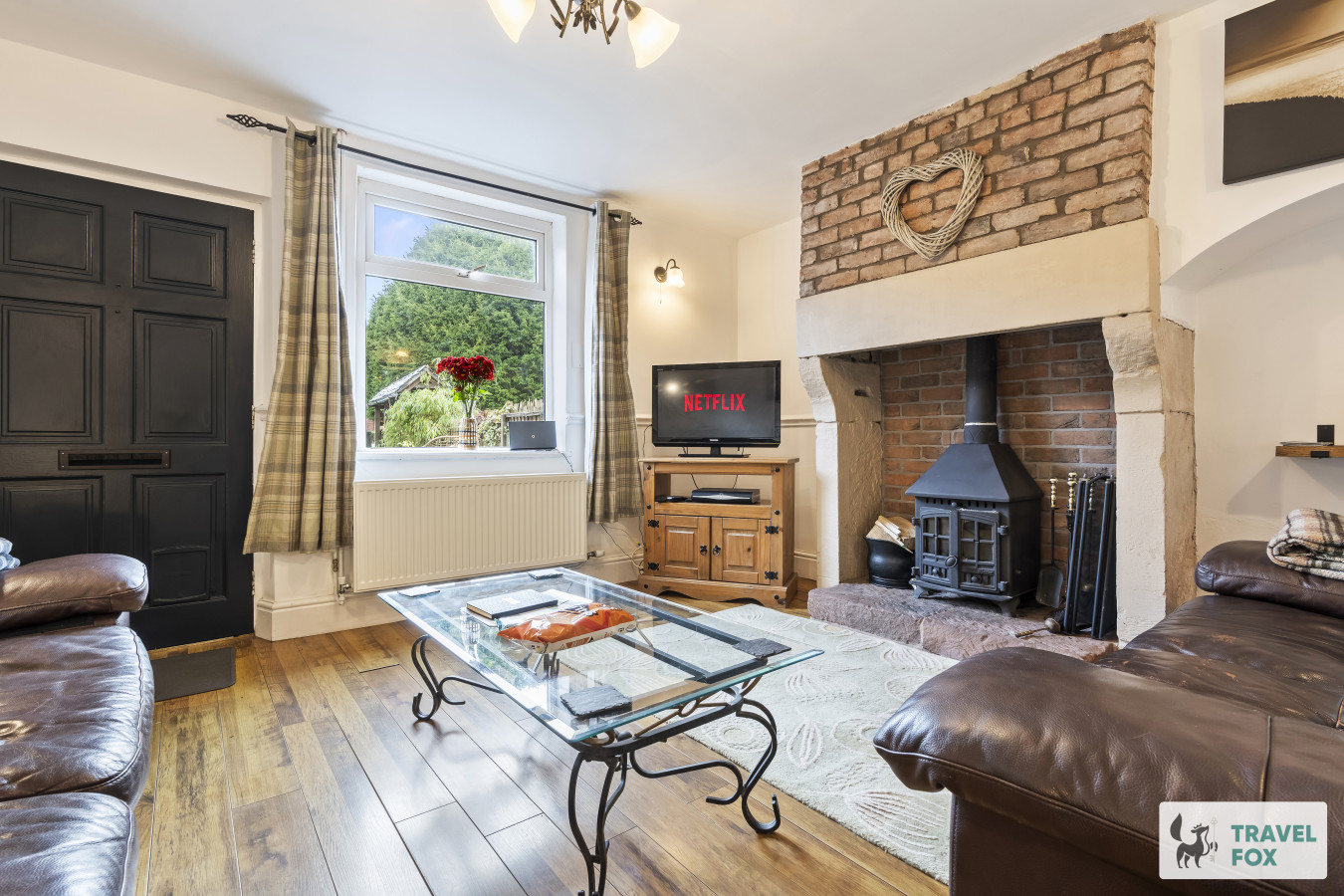
Oakamoor
Christina's House
- Sleeps 4
- 2 bedrooms
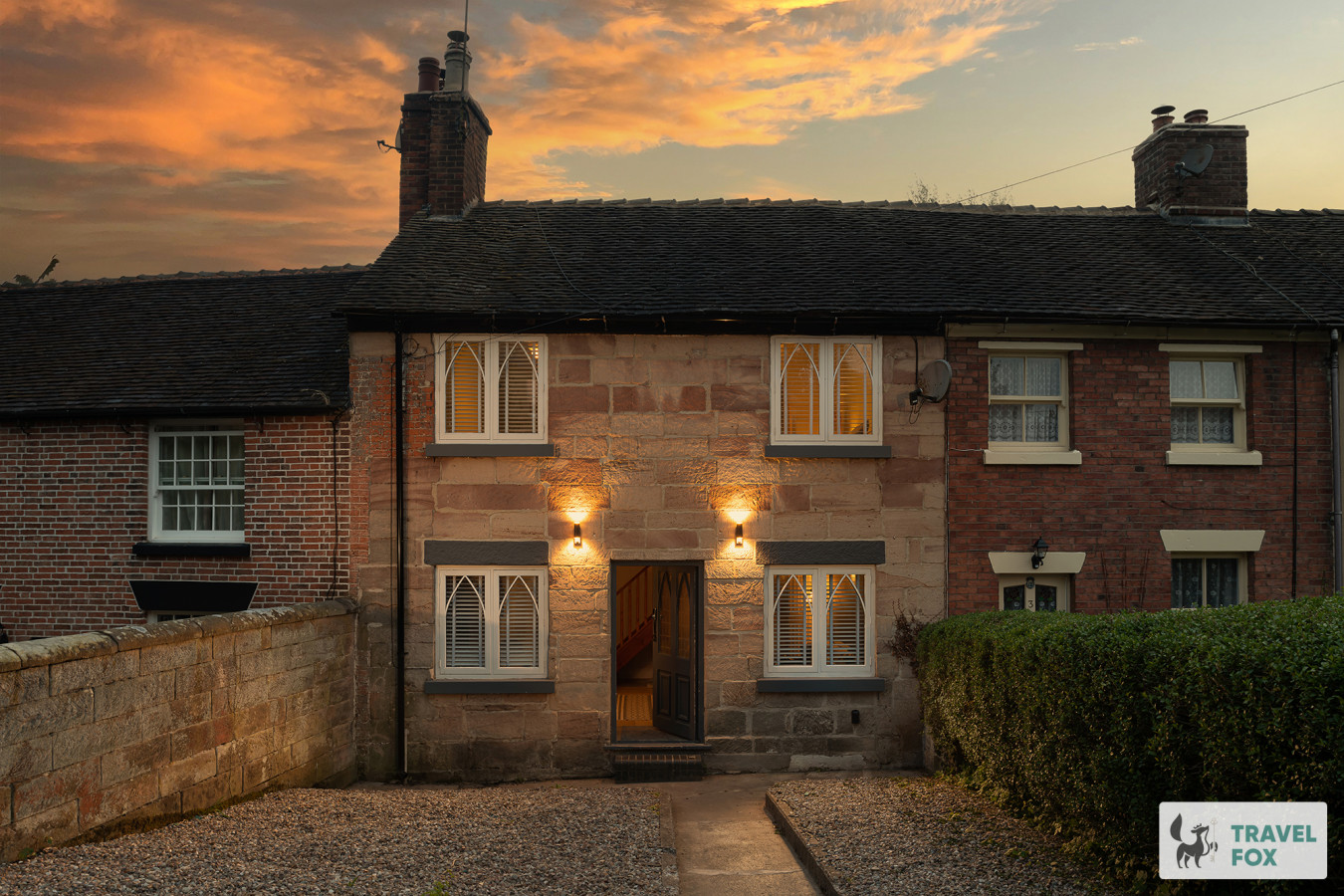
Alton
Angel Cottage - 5 mins drive to Alton Towers!
- Sleeps 10
- 4 bedrooms
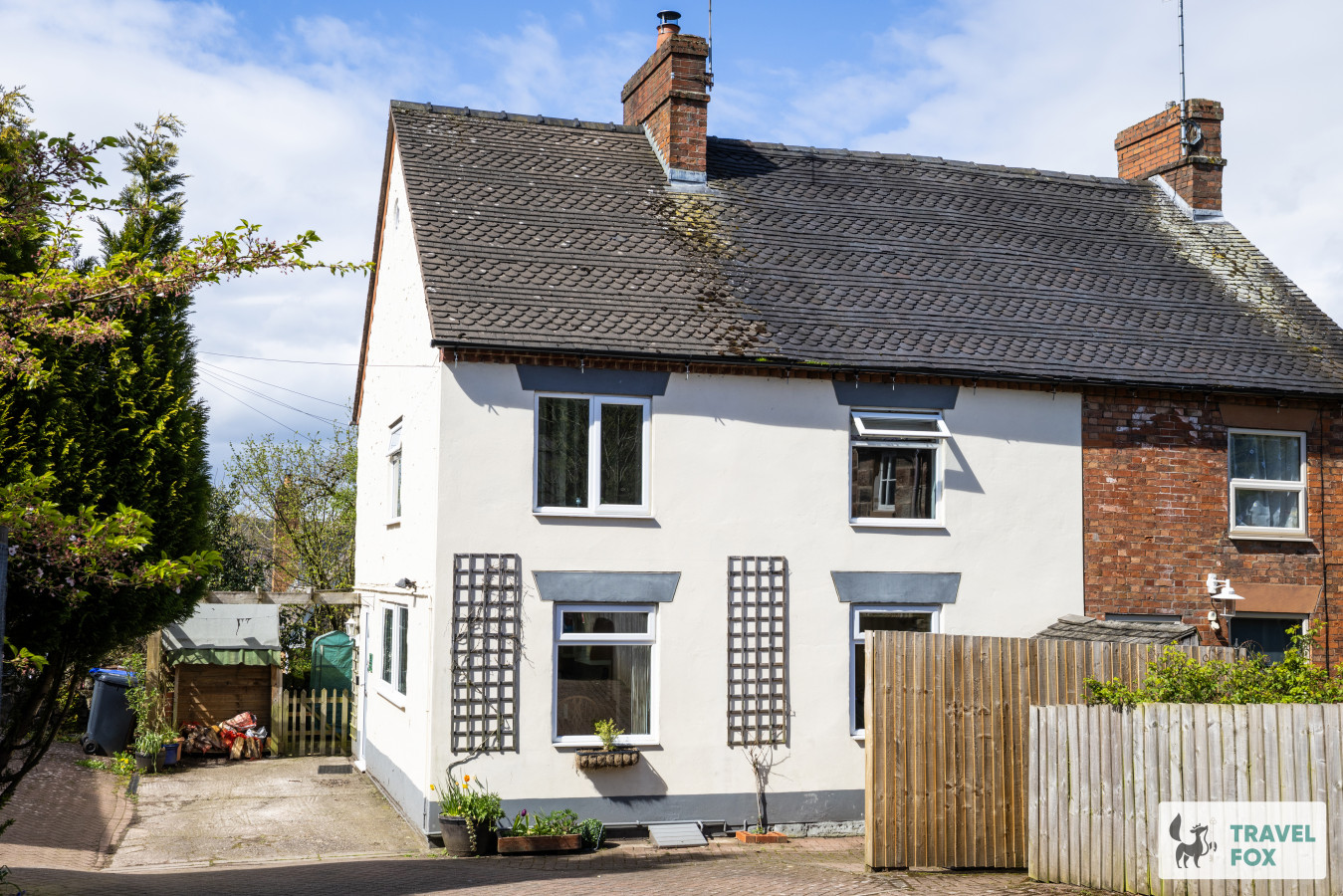
Alton
Smithy Bank Cottage - with free parking!
- Sleeps 8
- 3 bedrooms

Alton
The Old Post Office: Alton Towers
- Sleeps 8
- 3 bedrooms
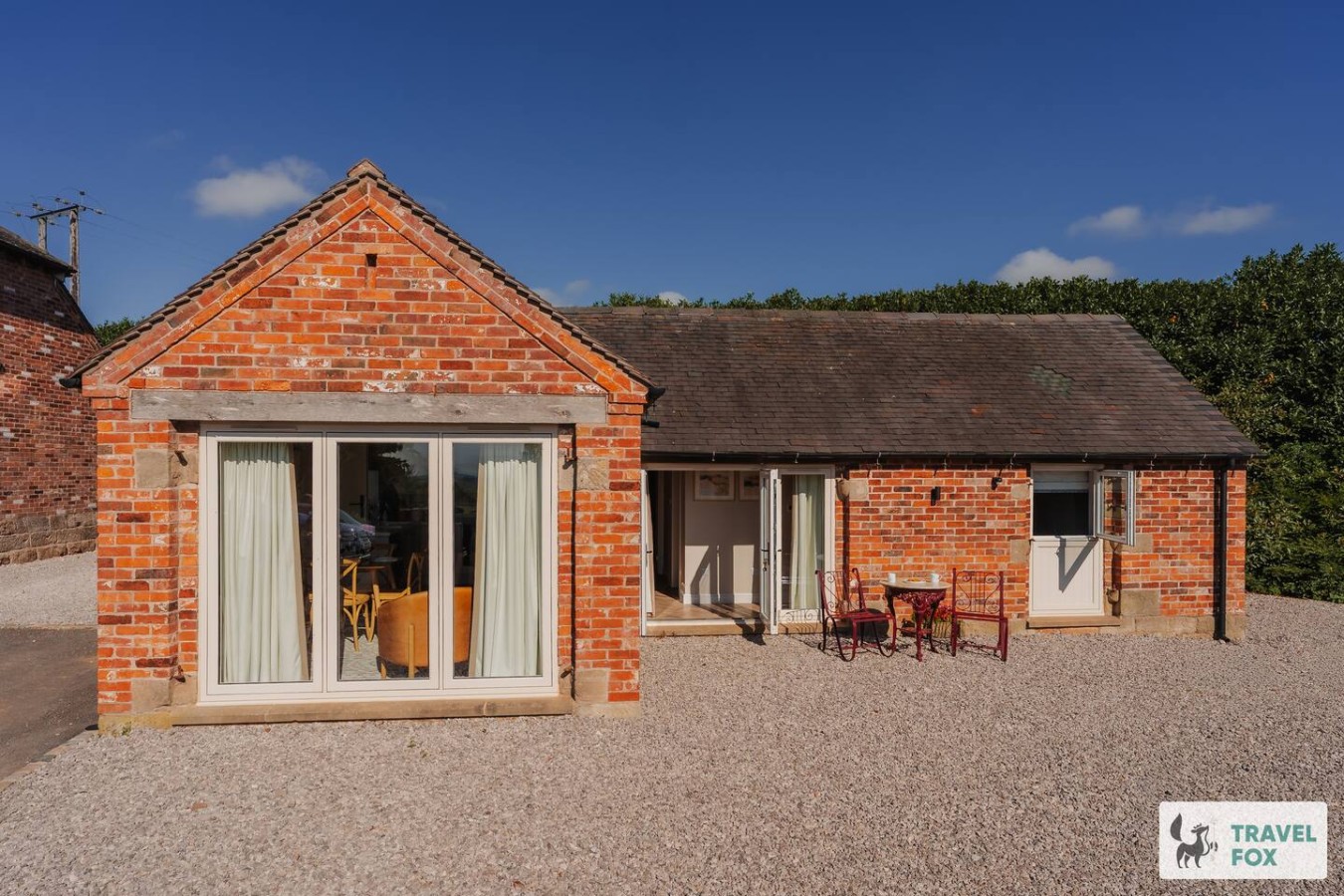
Checkley
The Old Stables
- Sleeps 4
- 2 bedrooms
For homeowners
Own a holiday home near Stanton?
We manage holiday lets across Staffordshire from 12% commission, charged after cleaning costs, with no lock-in. A co-founder visits before you decide.
Holiday let management in Staffordshire →
A guide with a point of view
Written from research. Edited for real journeys.
Use the Official site links for live practical details, then use this guide for context, ideas and room to explore.
Sources
Every place on this page is checked against a published source. Each entry links the record we used and names who publishes it.
- St Mary's Church — historicengland.org.uk statutory register or public authority record not machine-readable; publisher restricts automated access
- Thorswood Nature Reserve — staffs-wildlife.org.uk national body or asset manager
- Weaver Hills Summit — discovereaststaffordshire.com operator, sector body or destination organisation
- Ousley Cross — historicengland.org.uk statutory register or public authority record not machine-readable; publisher restricts automated access
- St Peter's Church, Ellastone — achurchnearyou.com national body or asset manager
- The Duncombe Arms — duncombearms.co.uk operator, sector body or destination organisation