
A village above two valleys
Stramshall
A small Staffordshire village with a former inn turned tea room, a richly detailed sandstone church, a community hall and a nearby nature reserve.
- Best for
- Church detail, tea-room stops and quiet outdoor time
- Village character
- Residential, historic and closely tied to nearby Uttoxeter
- Don't miss
- The church font, east window and Titanic connection
The Fox verdict
A compact village visit with unusually deep stories
Stramshall suits visitors who enjoy a tea-room pause, close-looking in a historic church and the nearby meadow.
The Olive Tree carries the memory of the Hare & Hounds, St Michael and All Angels connects carved stone and stained glass with a Titanic survivor, and nearby Tean Valley Meadow gives a visit its outdoor rhythm.
Where to go
Places in Stramshall
Every place below is checked against a published source, listed with what it is and how long to give it.
Local signatures
3 placesSt Michael and All Angels
A Grade II sandstone church built in 1850–52, with an octagonal font, dog-tooth moulded pulpit and an east window showing Christ in Majesty and St Michael slaying the dragon.
- Visit length
- Editorial estimate: around 45 minutes
- Locality
- St Michael's Road, Stramshall
- Access
- This working parish church welcomes visitors to in-person worship.
Tean Valley Meadow
An 11-acre nature reserve near Stramshall with grassland, benches and a woodland shelter; enter at the trust's Hollington Lane entrance.
- Visit length
- Editorial estimate: around 90 minutes
- Locality
- Hollington Lane, near Stramshall
- Access
- Visits require advance contact with the trust; a warden is present, and non-members are asked for a donation.
Stramshall Village Hall
The village community hall hosts local activities and has a defibrillator outside its entrance.
- Visit length
- Editorial estimate: around 20 minutes
- Locality
- Vicarage Drive, Stramshall
- Access
- This is a community venue; check the hall programme or booking arrangements before a visit.
Food & drink
1 placeThe Olive Tree Guest House & Tearoom
A countryside guest house and tearoom in the former Hare & Hounds, offering refreshments, homemade cakes and bed-and-breakfast accommodation.
- Visit length
- Editorial estimate: around 75 minutes
- Locality
- High Street, Stramshall
- Access
- The guest house has an onsite tearoom serving refreshments.
History & heritage
1 placeUttoxeter railway station
Uttoxeter’s railway station on Station Road is the nearby rail arrival point for a visit to Stramshall.
- Visit length
- Editorial estimate: around 15 minutes
- Locality
- Station Road, Uttoxeter
- Access
- Check current train times and station access arrangements before travelling.
No places match this filter. Choose All places to reset the list.
Three ways to explore Stramshall
Signature outings
Tea and cakes at the Olive Tree
By 1890, landlord Thomas Griffin and his son were making farm workers' boots here alongside the inn trade.
The rail link to Stramshall
Uttoxeter station on Station Road is about 1.9 miles from Stramshall in a straight line; allow for a longer road journey onward to the village.
A quieter outdoor interval
A warden briefs visitors about protected areas before they explore; the grassy ground can be muddy, so walking boots are useful.
The village story
Bootmakers, village life and carved stone
An old inn, a parish church and community spaces reveal layers of village life.
The inn that changed its name
The Olive Tree occupies the former Hare & Hounds on High Street. By 1890, landlord Thomas Griffin and his son were making farm workers' boots there alongside the pub trade. The bootmaking continued on the premises until 1950.
The inn closed in the late 1990s, reopened in 2008 and later became a guest house and tearoom, with en-suite rooms and homemade cakes.
A village of shared spaces
A grocery and post office once served Stramshall. The grocery closed in the late 1980s; the post office continued at several addresses before it, too, ceased trading.
The village hall on Vicarage Drive was built in 1979 and hosts Pilates, Zumba Gold, Short Mat Bowls, Beavers, Cubs and Scouts; an outdoor defibrillator is mounted beside the entrance. High Street allotments have a waiting list.
Greens, paths and valley views
Spath Village Green lies on Stramshall Road, on land left over after changes to the former railway crossing.
Stramshall sits on a hill above the Tean and Dove valleys, with Tean Valley Meadow nearby. UWalk No. 5 – Spath Walk enters the village via Barnwell Close, reaches the main road and follows a footpath back towards Spath.
Stone, glass and a Titanic story
St Michael and All Angels, on St Michael's Road, was built in 1850–52 by Thomas Fradgley of Uttoxeter, with an octagonal font ringed in trefoil arcading and a hexagonal pulpit cut with dog-tooth moulding. The east window shows Christ in Majesty and St Michael slaying the dragon. Rev. Charles Frederick Lowry Barnwell served as vicar for more than fifty years.
Julia Cavendish became a regular worshipper at the church after surviving the Titanic. Her husband, Tyrell, of Crakemarsh Hall, died in the sinking; the cable ship Mackay-Bennett recovered his body. The hall was demolished in 1998 after a fire, though the North Lodge gatehouse and former stables survive. JCB founder Joseph Bamford rented premises at the estate in 1948 before moving to Rocester.
Domesday and getting here
Stramshall turns up in the Domesday Book as Stagrigesholle, seven households under a lord named Alric, valued at five shillings a year.
Uttoxeter station is about two miles off, and the D & G Bus route 32 links the village with Uttoxeter and Hanley.
Stay around Alton Towers
Make a longer stay of it
Travel Fox holiday homes around Alton Towers, linked directly to their property pages.
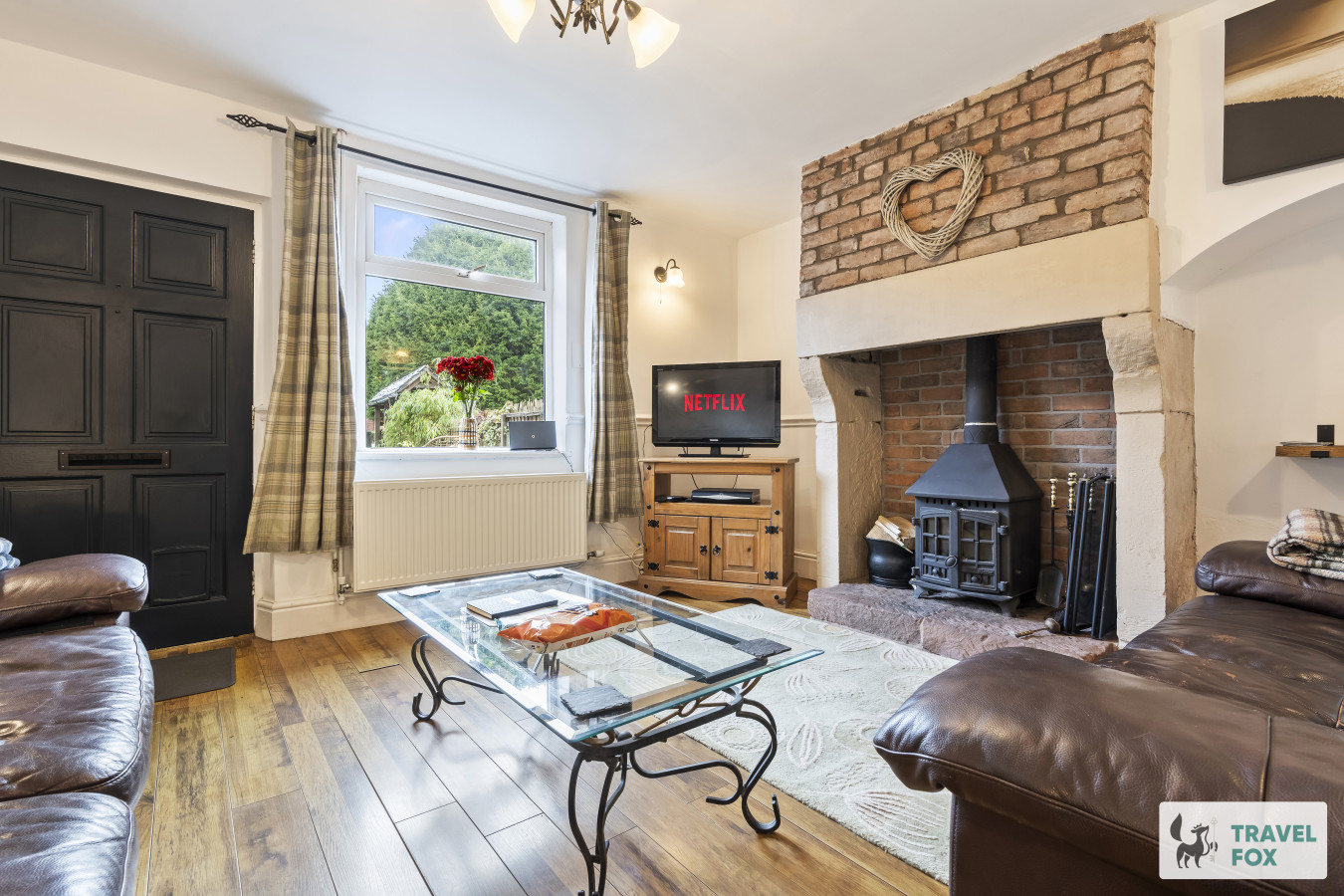
Oakamoor
Christina's House
- Sleeps 4
- 2 bedrooms
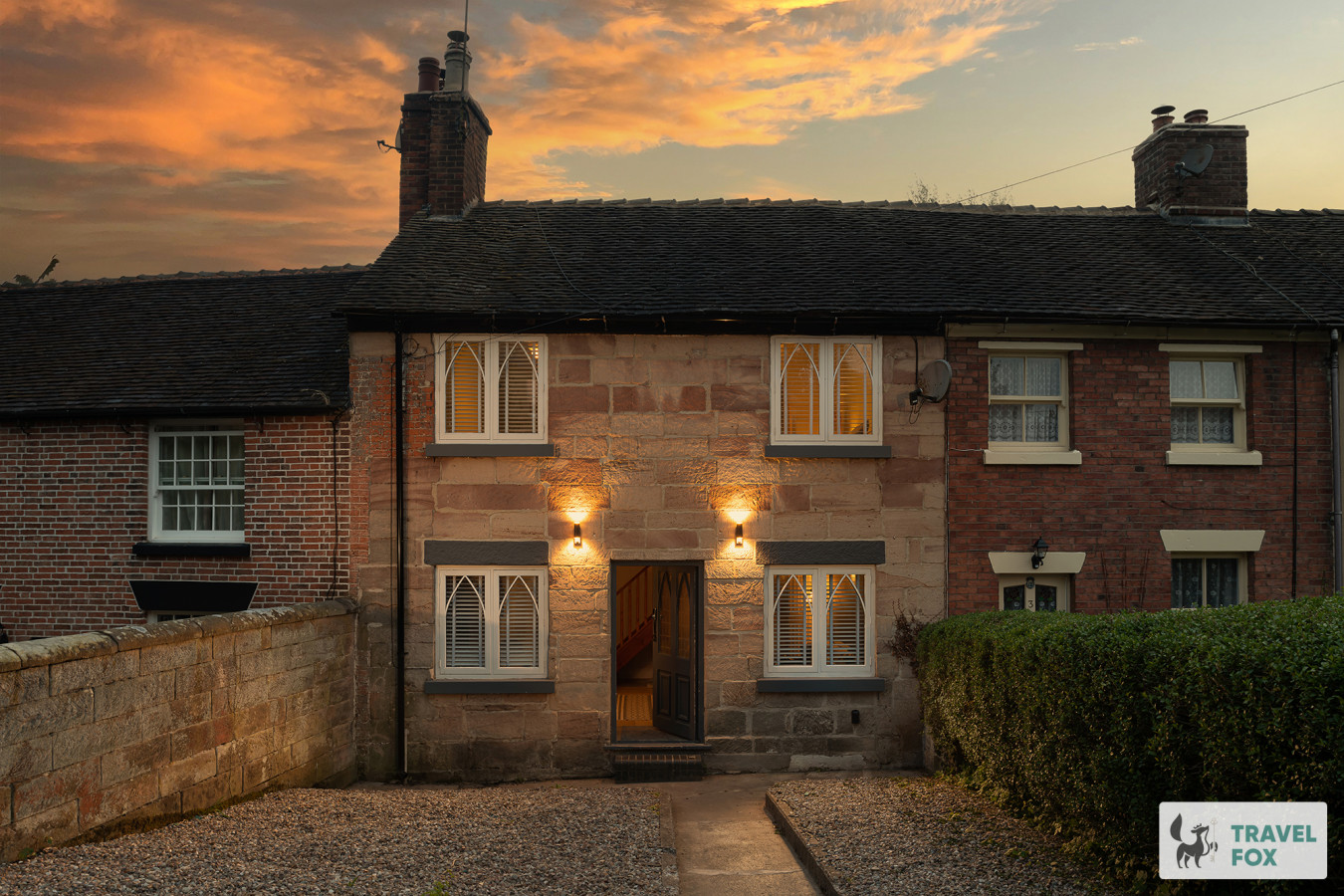
Alton
Angel Cottage - 5 mins drive to Alton Towers!
- Sleeps 10
- 4 bedrooms
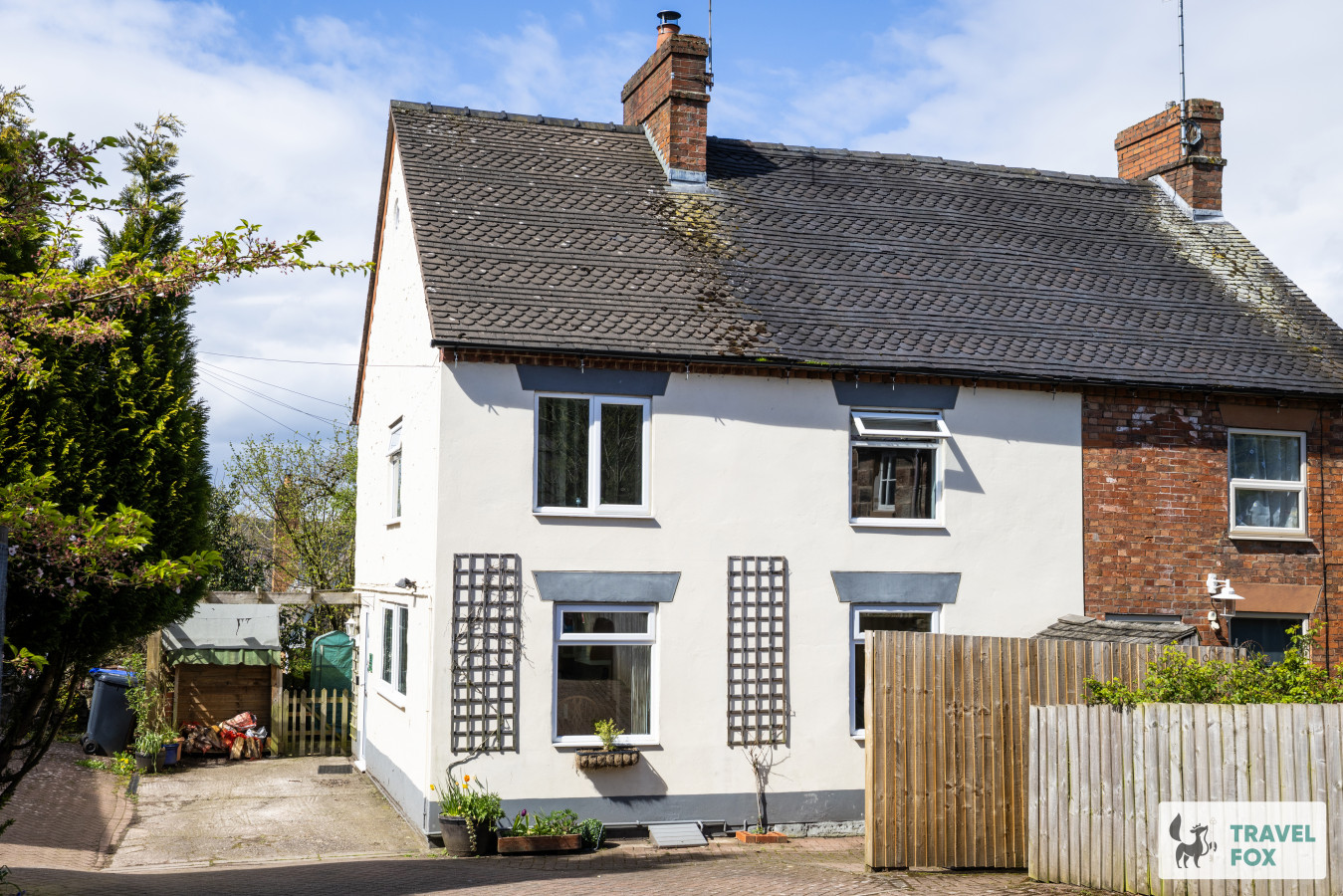
Alton
Smithy Bank Cottage - with free parking!
- Sleeps 8
- 3 bedrooms
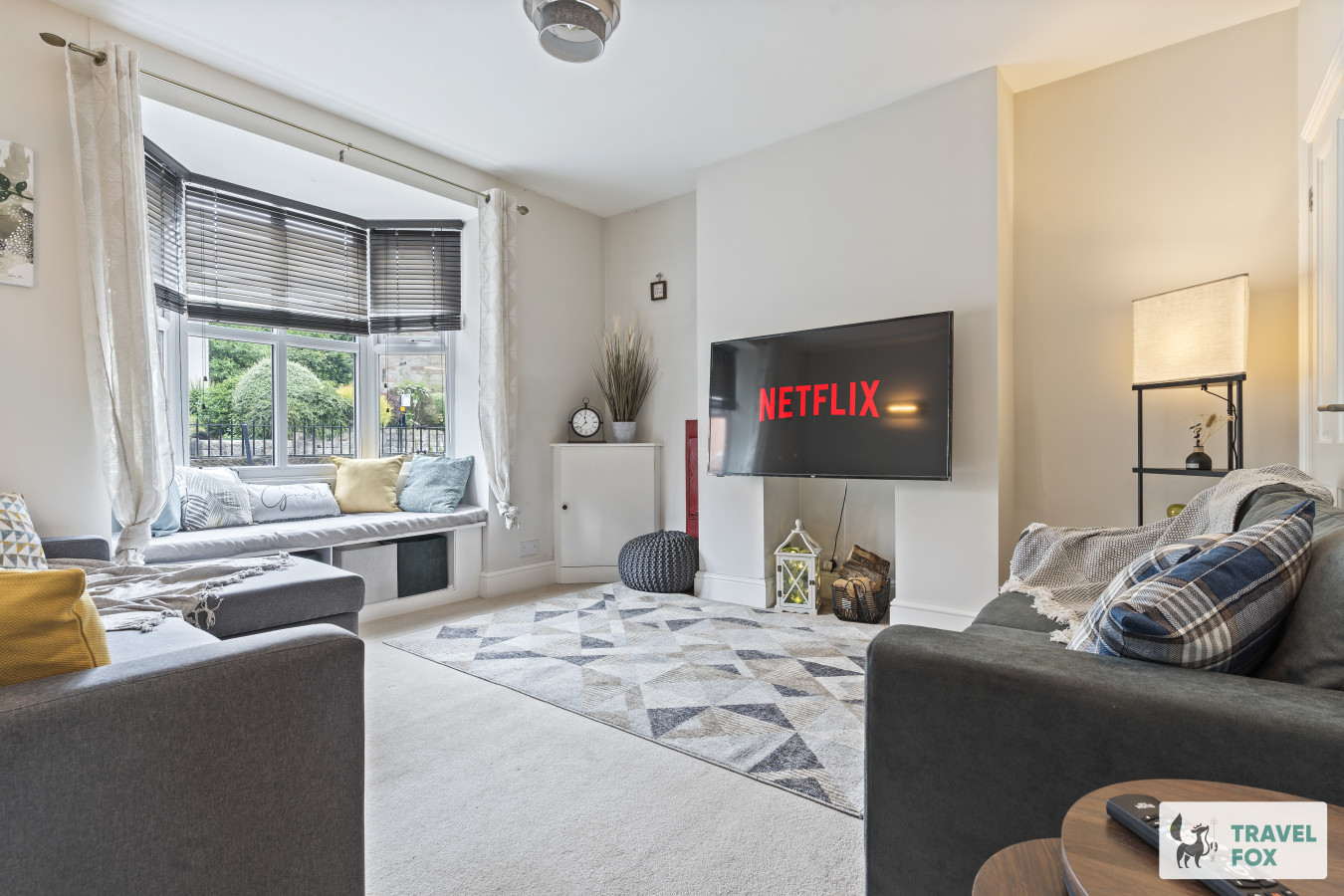
Alton
The Old Post Office: Alton Towers
- Sleeps 8
- 3 bedrooms
Checkley
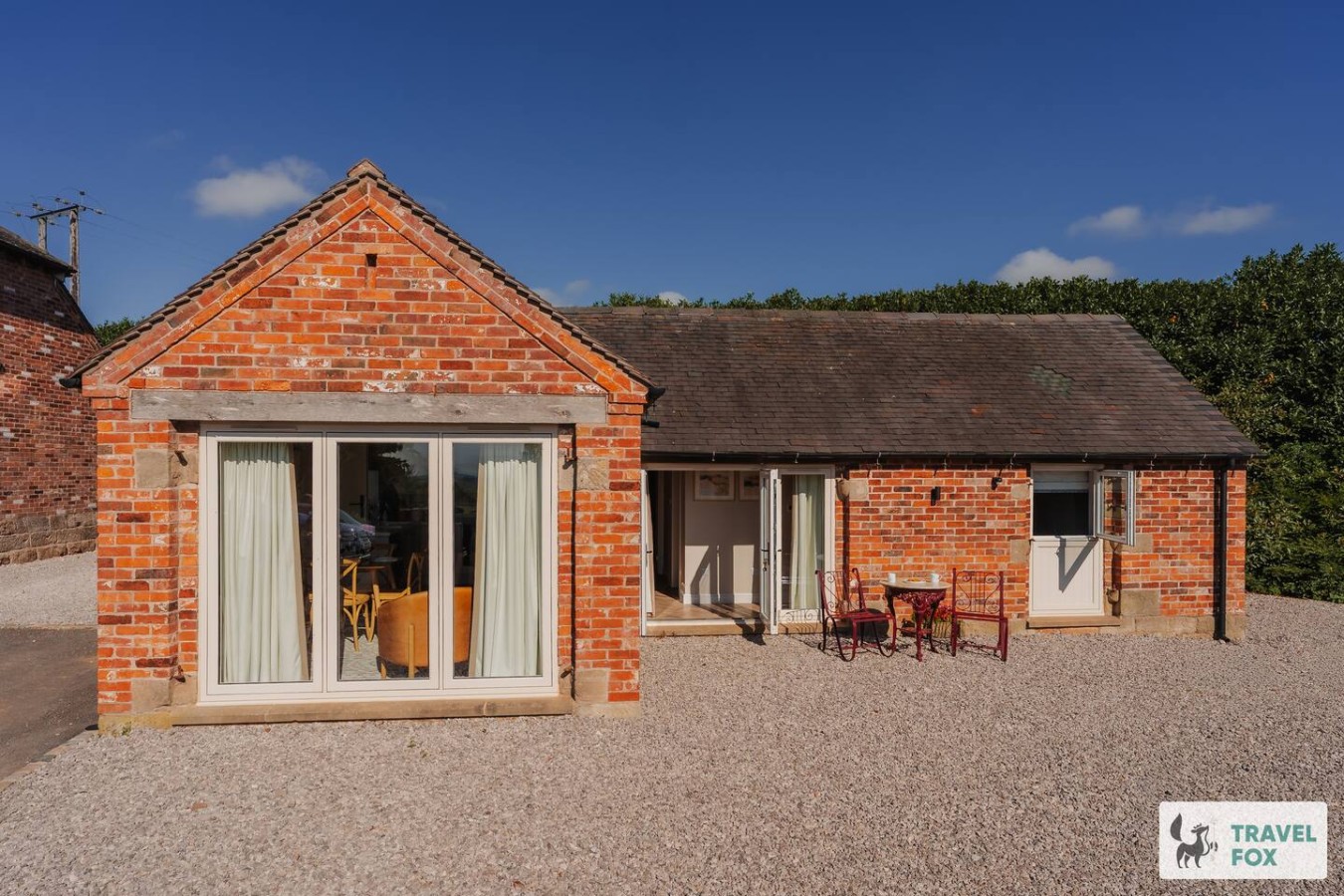
The Old Stables
- Sleeps 4
- 2 bedrooms
For homeowners
Own a holiday home near Stramshall?
We manage holiday lets across Staffordshire from 12% commission, charged after cleaning costs, with no lock-in. A co-founder visits before you decide.
Holiday let management in Staffordshire →
A guide with a point of view
Written from research. Edited for real journeys.
Use the Official site links for live practical details, then use this guide for context, ideas and room to explore.
Sources
Every place on this page is checked against a published source. Each entry links the record we used and names who publishes it.
- The Olive Tree Guest House & Tearoom — discovereaststaffordshire.com operator, sector body or destination organisation
- St Michael and All Angels — achurchnearyou.com operator, sector body or destination organisation
- Tean Valley Meadow — teanvalleymeadow.org.uk operator, sector body or destination organisation
- Stramshall Village Hall — uttoxeterruralparishcouncil.gov.uk statutory register or public authority
- Uttoxeter railway station — crosscountrytrains.co.uk operator, sector body or destination organisation