
Hills, history and deep quiet
Ramshorn
A scattered Staffordshire hamlet where Primitive Methodist history sits below the wide views of the Weaver Hills.
- Best for
- Hill walking and local history
- Give it
- A half day, or longer with a nearby attraction
- Don't miss
- The Weaver Hills trig point and Dove Valley views
The Fox verdict
A tiny hamlet with an outsized story
Come for the Weaver Hills and Ramshorn's place in Primitive Methodist history, then use Wootton, Ellastone and the Churnet Valley for practical stops.
Ramshorn is a scattering of cottages, barns and farms rather than a conventional visitor village. Its appeal is the contrast between a very quiet landscape, the surviving Jubilee Chapel and the camp meetings that helped shape Primitive Methodism. The strongest visit pairs the hamlet's story with a Weaver Hills walk and one or two carefully chosen nearby stops.
Where to go
Places in Ramshorn
Every place below is checked against a published source, listed with what it is and how long to give it.
Local signatures
3 placesSt Peter's Church, Ellastone
A Grade II* parish church with a west tower dated 1586 and chancel dated 1588; the nave and north aisle were rebuilt in 1830.
- Visit length
- Editorial estimate: Allow around 30 minutes
- Locality
- Ellastone
Dimmingsdale
A wooded valley near Oakamoor, known locally as Little Switzerland or Fairy Glen, with routes through the Churnet Valley landscape.
- Visit length
- Editorial estimate: Allow around 90 minutes
- Locality
- near Oakamoor
Alton Towers
The UK's largest theme park, south of Ramshorn and the major family attraction in the immediate area.
- Visit length
- Editorial estimate: Allow around 4 hours
- Locality
- Alton, south of Ramshorn
- Access
- Check the official site before travel.
Food & drink
1 placeThe Duncombe Arms
A nearby Ellastone pub beside St Peter's Church, providing a practical meal or drink stop for a hamlet that has neither.
- Visit length
- Editorial estimate: Allow around 1 hour
- Locality
- Ellastone
Walks & outdoors
1 placeThe Weaver Hills from Wootton
A 3.2-mile route following Gidacre Lane and field paths to the summit trig point, with views east across the Dove Valley and north into the Peak District.
- Visit length
- Editorial estimate: Allow around 2 hours
- Locality
- Wootton and the Weaver Hills
- Access
- Field paths include gates, stiles and electric-fenced sections with crossing points; wear suitable footwear.
Things to do
1 placeChurnet Valley Railway
A heritage steam line running through the Churnet Valley alongside the Caldon Canal and River Churnet on an 11-mile return trip; Kingsley & Froghall station has a tea room.
- Visit length
- Editorial estimate: Allow around 2 hours
- Locality
- Kingsley & Froghall station, Churnet Valley
- Access
- Check current service information on the official site before travel.
No places match this filter. Choose All places to reset the list.
Three ways to explore Ramshorn
Signature outings
Reach the Weaver Hills trig point
Follow Gidacre Lane and field paths to the summit for views across the Dove Valley and north towards the Peak District.
Trace St Peter's parish story
Visit Ramshorn's Grade II* parish church in Ellastone, where the west tower is dated 1586 and the chancel 1588.
Take the heritage railway
Travel the Churnet Valley beside the canal and river on the railway's 11-mile return journey.
The village story
Ramshorn Village Guide
A quiet Staffordshire hamlet whose chapel, hill paths and Primitive Methodist past reward a deliberately slow visit.
A chapel in a thinned-out hamlet
The Jubilee Chapel stands across the lane from Chapel Farm, and it is, by Wikipedia's account, the only surviving public building in Ramshorn. Built in 1887 to mark Queen Victoria's Golden Jubilee, its pulpit was rescued from another meeting house near The Roaches. It's privately owned now, restored roughly ten years ago, and still holds the odd service.
That one building tells you most of what you need to know about the place. Ramshorn has no pub, no shop, no post office — a scattering of stone cottages, barns and farm buildings in the gap between the River Dove valley and the Weaver Hills, north of Alton Towers, reached by minor lanes off the B5032 and B5030. No A-road comes anywhere near it.
Food and drink beyond the lanes
For a pint or a meal you go elsewhere, and elsewhere isn't far. The Star at Cotton, near Oakamoor, is a dog-friendly gastropub with cask ales and a Sunday sharing roast board: Staffordshire Pub of the Year (Bronze), and Staff Canteen Awards 2021 Front of House winner. The Cricketers Arms is also in Oakamoor. In Ellastone, about 2.4 miles from Ramshorn in a straight line (farther by road), the Duncombe Arms sits by St Peter's, where Ramshorn's own parishioners worship.
Lodges below the Weaver Hills
If you'd rather not leave at all, Ramshorn Estate has woodland lodges sleeping up to 14 with private hot tubs, built on the promise of quiet and a short drive to the rollercoasters.
Walking is the other reason to come. The route up the Weaver Hills starts on Gidacre Lane past a cricket club and ends at a trig point generally reckoned to be the southernmost outpost of the Pennines. Christopher Somerville, writing it up for the Times, said that from the summit "a tremendous prospect unfolded round the compass" — limestone peaks north into the Peak District, the Midland plain south across the Dove Valley.
The Ramsor camp meetings
The history is out of proportion to what's left standing. Hugh Bourne first came to Ramsor — the old spelling — in May 1808. That October, at the Ramsor Camp Meeting, William Clowes preached his first sermon "from a text." Bourne and Clowes went on to found Primitive Methodism, and Ramsor became one of its head-of-circuit villages in 1822. Clowes kept attending camp meetings here until 1810, when the Wesleyans expelled him for it.
Elizabeth Wain, a local convert, was said to have been healed after six years on crutches. Richard Jukes, who wrote the hymn "My Heart is Fixed, Eternal God," preached at Ramsor between 1834 and 1838. None of it needed a church of any size — the meetings were held in fields, and the chapel came later.
Arrival, distance and quiet
The nearest station is Uttoxeter; a seasonal bus, the 32A, links Oakamoor, Denstone, Rocester and Alton Towers.
What's left is mostly quiet: a farm or two, a trig point with a view a professional walker thought worth writing down, and a chapel with a borrowed pulpit that somebody still unlocks for a service now and then.
Stay around Alton Towers
Make a longer stay of it
Travel Fox holiday homes around Alton Towers, linked directly to their property pages.
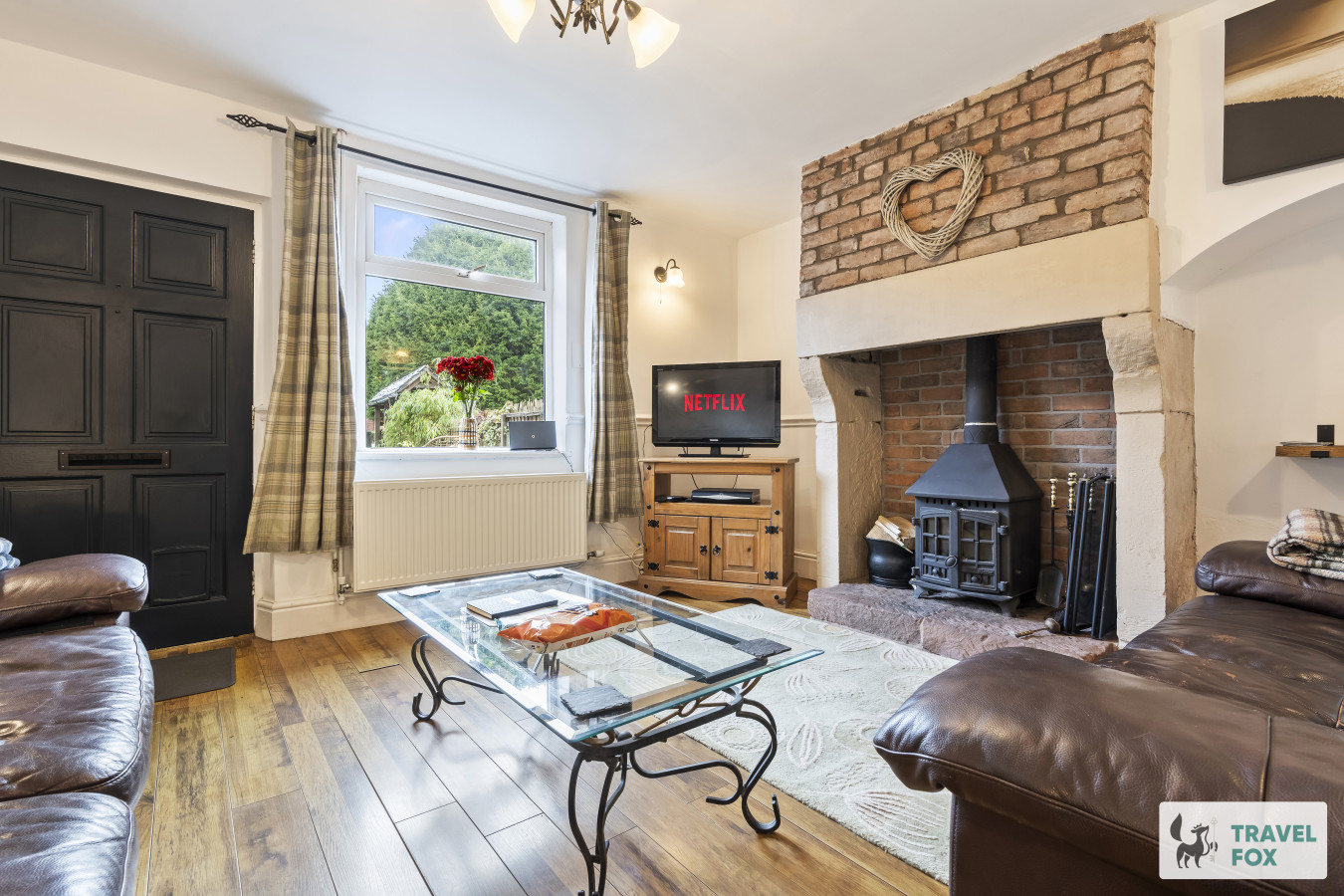
Oakamoor
Christina's House
- Sleeps 4
- 2 bedrooms
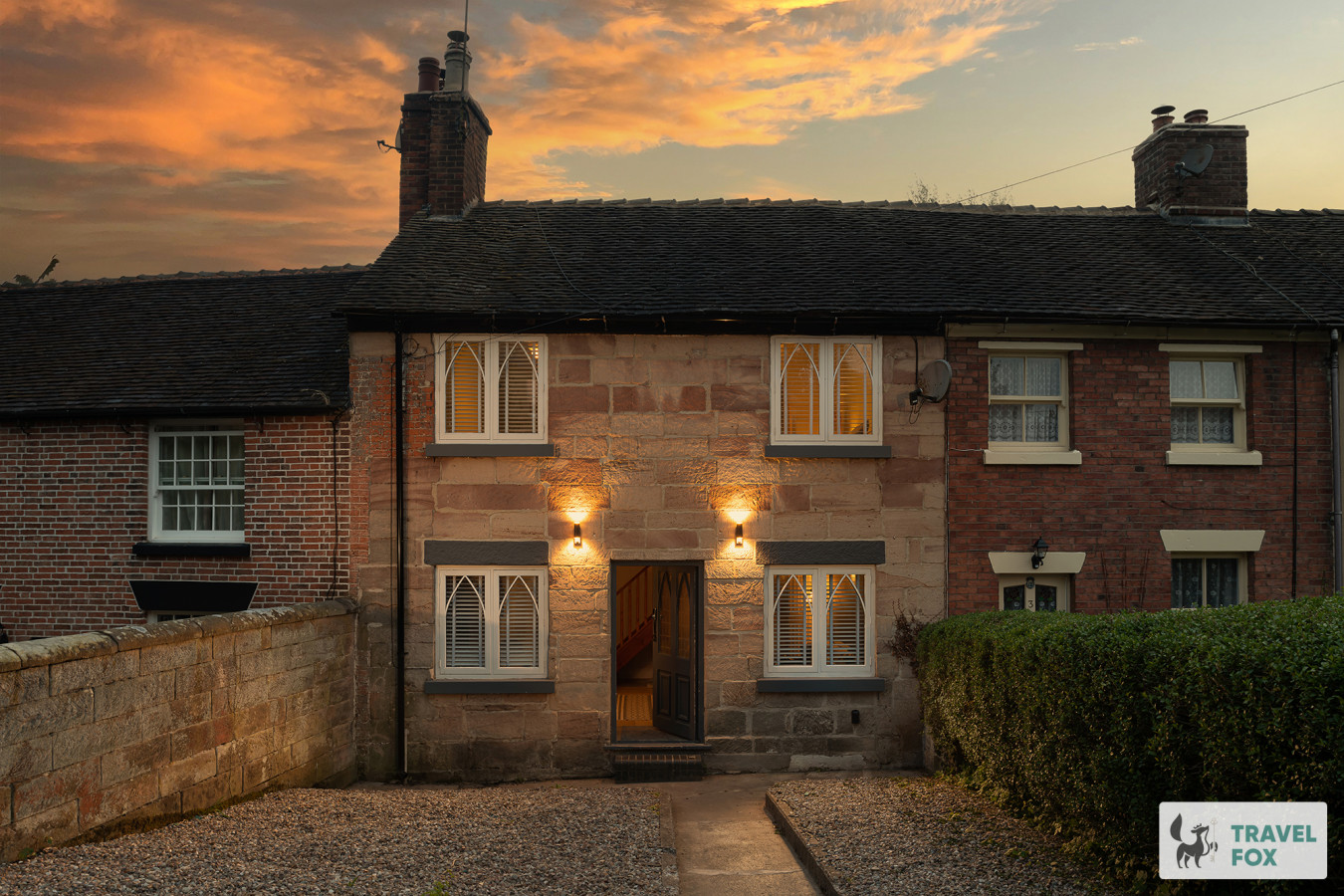
Alton
Angel Cottage - 5 mins drive to Alton Towers!
- Sleeps 10
- 4 bedrooms
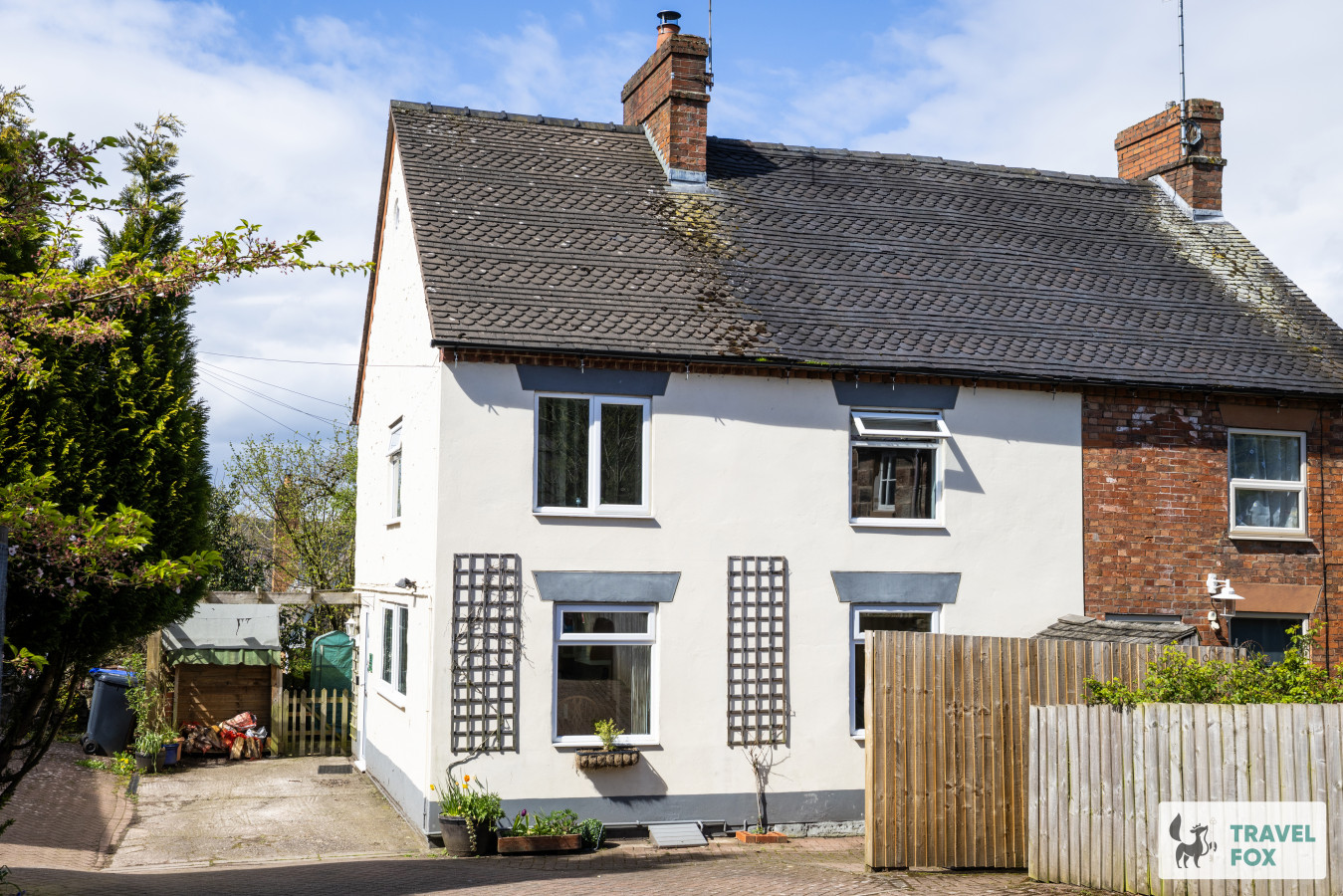
Alton
Smithy Bank Cottage - with free parking!
- Sleeps 8
- 3 bedrooms

Alton
The Old Post Office: Alton Towers
- Sleeps 8
- 3 bedrooms
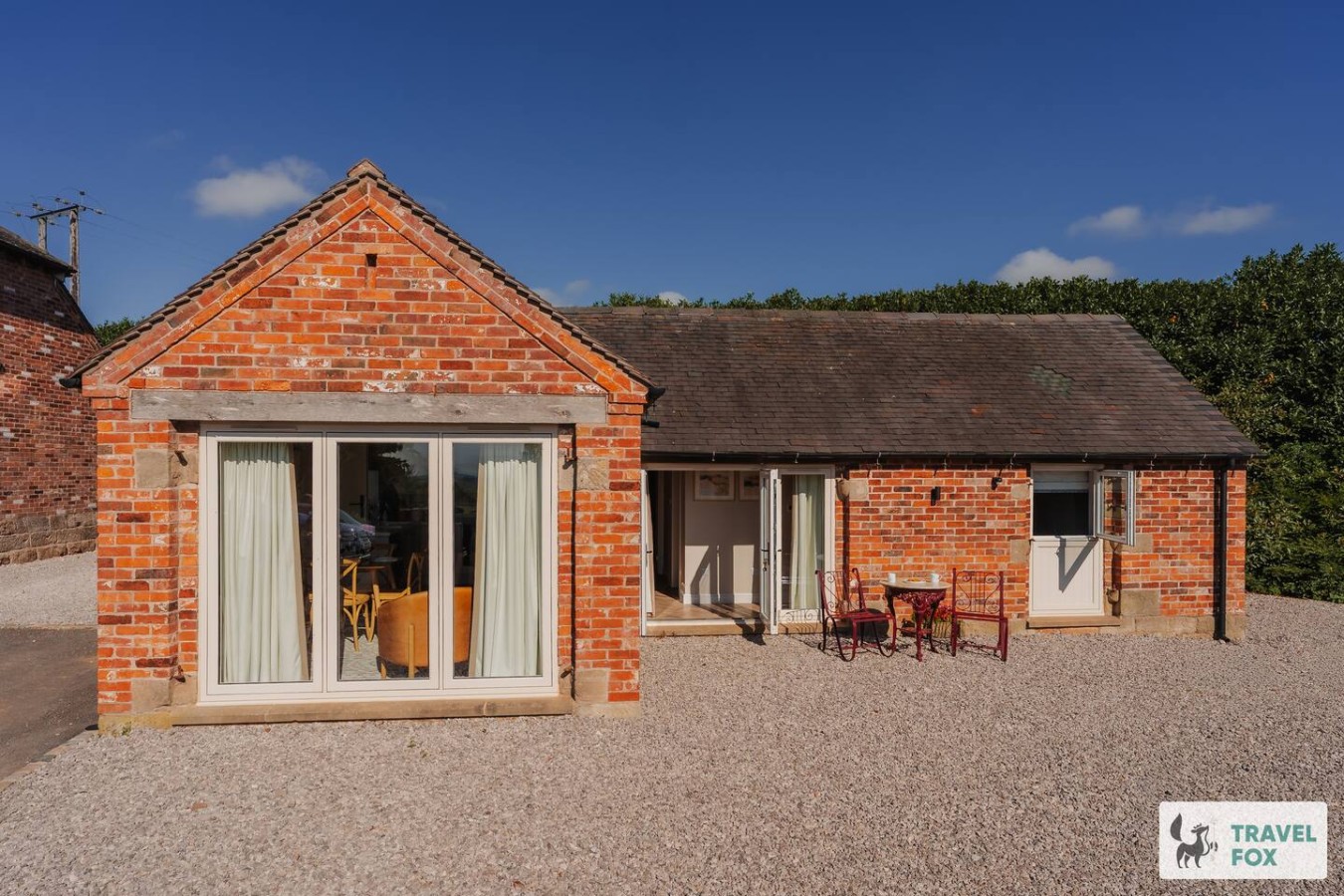
Checkley
The Old Stables
- Sleeps 4
- 2 bedrooms
For homeowners
Own a holiday home near Ramshorn?
We manage holiday lets across Staffordshire from 12% commission, charged after cleaning costs, with no lock-in. A co-founder visits before you decide.
Holiday let management in Staffordshire →
A guide with a point of view
Written from research. Edited for real journeys.
Use the Official site links for live practical details, then use this guide for context, ideas and room to explore.
Sources
Every place on this page is checked against a published source. Each entry links the record we used and names who publishes it.
- The Weaver Hills from Wootton — discovereaststaffordshire.com operator, sector body or destination organisation
- St Peter's Church, Ellastone — achurchnearyou.com national body or asset manager
- The Duncombe Arms — duncombearms.co.uk operator, sector body or destination organisation
- Dimmingsdale — forestryengland.uk national body or asset manager
- Churnet Valley Railway — churnetvalleyrailway.co.uk operator, sector body or destination organisation record not machine-readable; publisher restricts automated access
- Alton Towers — altontowers.com operator, sector body or destination organisation record not machine-readable; publisher restricts automated access