
Robin Hood country
Loxley
A small farming hamlet with an outsized outlaw tradition, shared village amenities and the vale of the Dove on its doorstep.
- Best for
- Local legend and quiet rural history
- Give it
- A half-day with neighbouring Bramshall
- Don't miss
- Doveridge's ancient churchyard yew
The Fox verdict
A tiny hamlet with a long memory
Come for Loxley's Robin Hood stories, then use neighbouring Bramshall and a few well-chosen nearby stops to shape the visit.
Loxley is a farming hamlet whose appeal lies in its Robin Hood traditions and the history of Loxley Hall. Neighbouring Bramshall has the shared parish church, a play area and trim trail, and The Bramshall on Stone Road for a drink.
Where to go
Places in Loxley
Every place below is checked against a published source, listed with what it is and how long to give it.
Local signatures
3 placesBramshall and Loxley Parish Hall and Play Area
The shared parish hall stands beside Bramshall’s play area and trim trail on Church Croft. The hall hosts community activities; the play area is for younger children.
- Visit length
- Editorial estimate: Allow around 60 minutes
- Locality
- off Church Croft, neighbouring Bramshall
The Bramshall (formerly the Old Bramshall Inn)
The Bramshall is a Stone Road pub in neighbouring Bramshall, previously known as the Old Bramshall Inn and the Butcher's Arms.
- Visit length
- Editorial estimate: Allow around 60 minutes
- Locality
- Stone Road, neighbouring Bramshall
Alton Towers
Alton Towers is a Staffordshire theme park near Alton with rides and attractions for families.
- Visit length
- Editorial estimate: Allow around 180 minutes for a focused visit
- Locality
- near Alton
Walks & outdoors
1 placeSt Cuthbert's Churchyard Yew
A churchyard yew thought to be 1,400 years old, with a canopy circumference of some 250 feet and a legend placing Robin Hood's marriage to Clorinda beneath it.
- Visit length
- Editorial estimate: Allow around 45 minutes
- Locality
- St Cuthbert's churchyard, Doveridge
History & heritage
1 placeChurch of St Lawrence, Bramshall
The shared parish church was built in 1835 by Thomas Fradgley of Uttoxeter, with an ashlar exterior, slate roof and crenellated west tower.
- Visit length
- Editorial estimate: Allow around 45 minutes
- Locality
- neighbouring Bramshall
No places match this filter. Choose All places to reset the list.
Three ways to explore Loxley
Signature outings
The Shared Church
Look from the crenellated west tower to the three-light east window at the church Loxley shares with Bramshall.
The Marriage Yew
Visit Doveridge's ancient churchyard yew, where a ballad places Robin Hood's marriage to Clorinda.
The Nearby Headliner
Pair Loxley's local legends with a separate day out at Alton Towers near Alton.
The village story
Loxley's Lost Horn and Robin Hood Lore
A vanished horn, a recycled grotto and a stubborn local claim to England's best-known outlaw.
The Horn and the Grotto
A horn known as Robin Hood's Horn once hung at Loxley Hall. It was described with the initials R.H., silver ferrules and a silver chain; its whereabouts are unknown.
An early twentieth-century postcard shows Robin Hood's Grotto, a folly built in the hall grounds from parts of the old facade after the hall was rebuilt in 1797. Its carved heraldry represented the Kynnersleys with a greyhound under a hawthorn and the Sneyds with a lion passant guardant.
A Hamlet That Shares
Loxley is a farming hamlet near Bramshall. For a drink, neighbouring Bramshall has The Bramshall on Stone Road; the names Old Bramshall Inn and Butcher's Arms refer to this same pub. The villages share St Lawrence's Church in Bramshall, built in 1835 by Thomas Fradgley of Uttoxeter, with an ashlar exterior, slate roof, crenellated west tower and an altar rail dated to around 1700.
The shared parish hall off Church Croft in Bramshall hosts toddler groups, bowling, dance aerobics and Zumba and has a defibrillator outside. A play area and trim trail sit beside the hall.
Fields and the Manor
The countryside around Loxley has a long association with Robin Hood stories. Local tradition claims him as a son of this Staffordshire Loxley. Louis Rhead's 1912 Robin Hood book begins near Locksley Village, about two miles from Uttoxeter and close to Needwood Forest.
The Domesday Book recorded Loxley as Locheslei, held by Ascelin under Earl Roger of Shrewsbury. The manor later became the hamlets of Loxley Green and Lower Loxley, and the Kynnersleys held the hall for nearly five hundred years. Loxley Hall is Grade II* listed, with Jacobean panelling dated 1607. It now houses Loxley Hall School, a boys' special academy in Manor Hall Academy Trust.
Roads and the Marriage Yew
Uttoxeter has a railway station, while Alton Towers near Alton offers a separate theme-park outing about 7.5 miles from Loxley in a straight line; the road journey is longer.
Over the county border at Doveridge, St Cuthbert's churchyard has a yew thought to be 1,400 years old. Its branches form a canopy with a circumference of some 250 feet. A ballad places Robin Hood's marriage to Clorinda beneath the tree.
Stay around Alton Towers
Make a longer stay of it
Travel Fox holiday homes around Alton Towers, linked directly to their property pages.
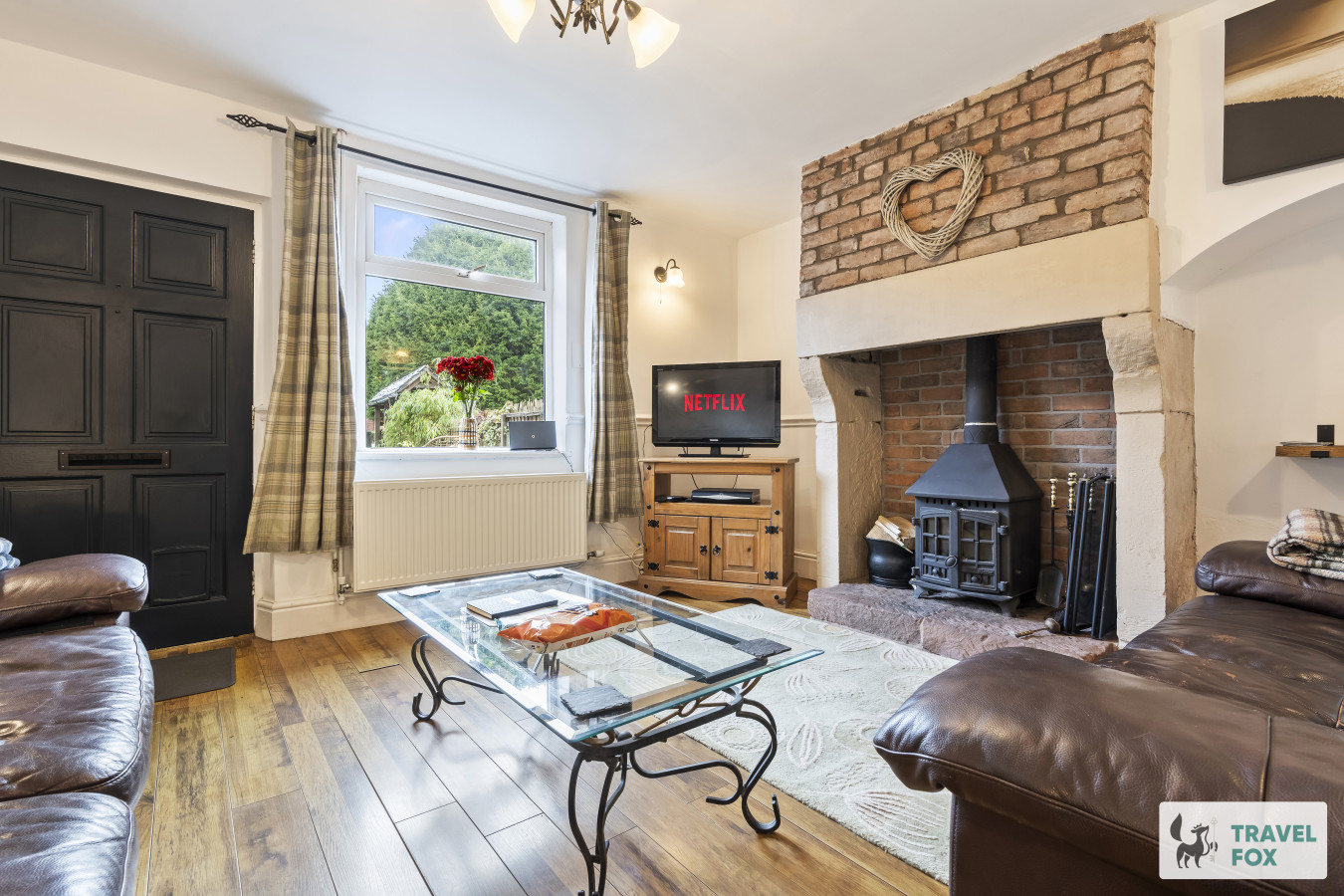
Oakamoor
Christina's House
- Sleeps 4
- 2 bedrooms
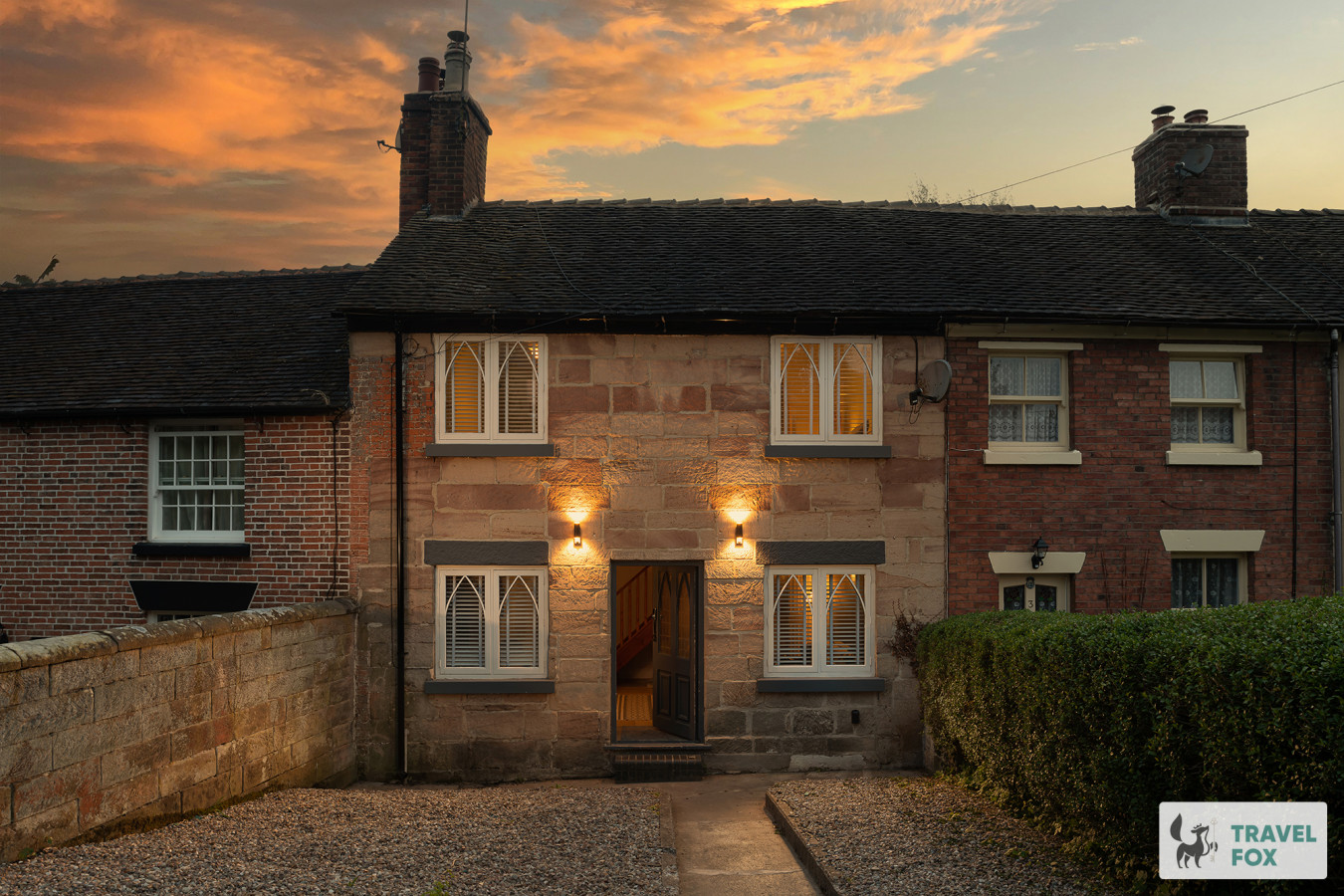
Alton
Angel Cottage - 5 mins drive to Alton Towers!
- Sleeps 10
- 4 bedrooms
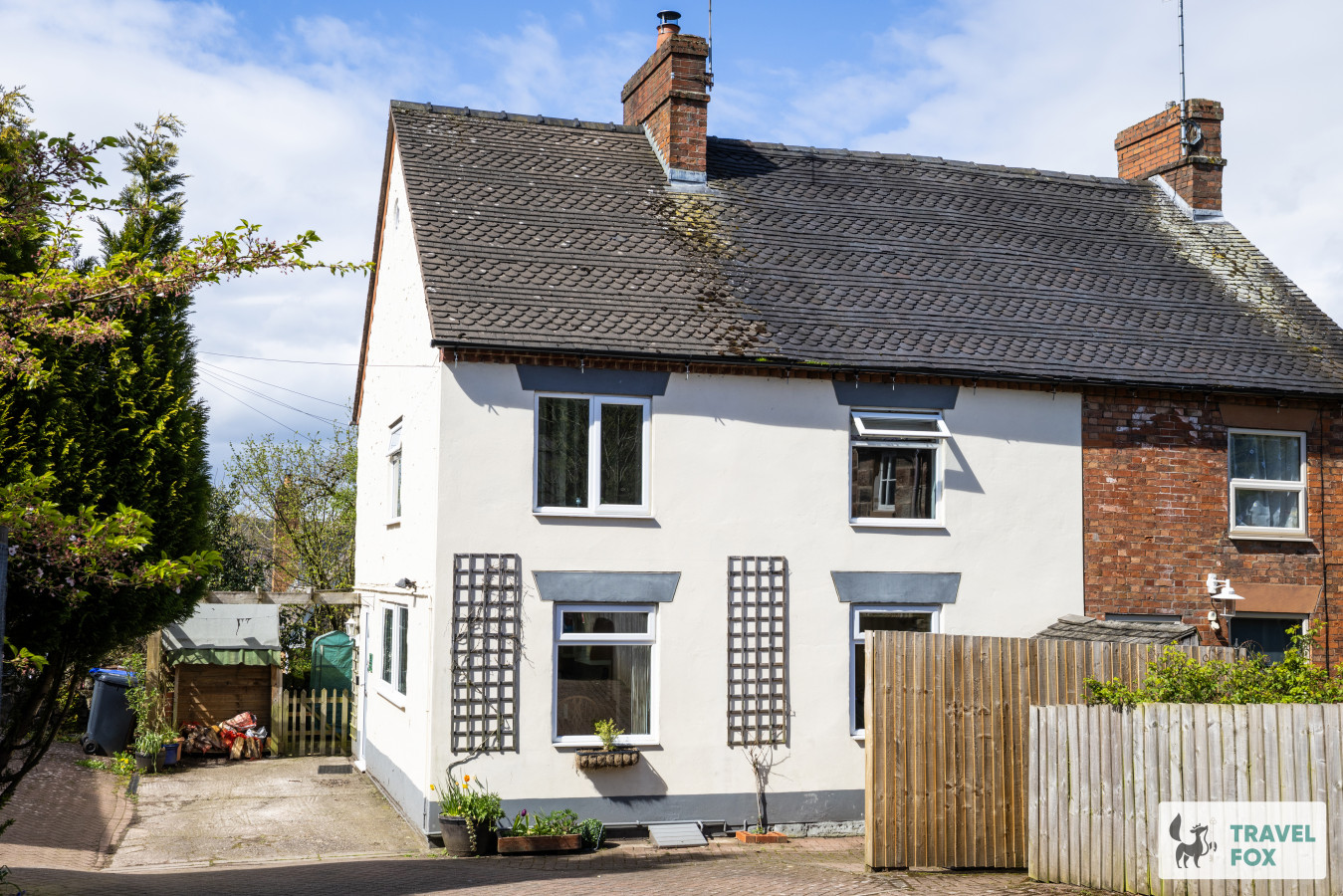
Alton
Smithy Bank Cottage - with free parking!
- Sleeps 8
- 3 bedrooms
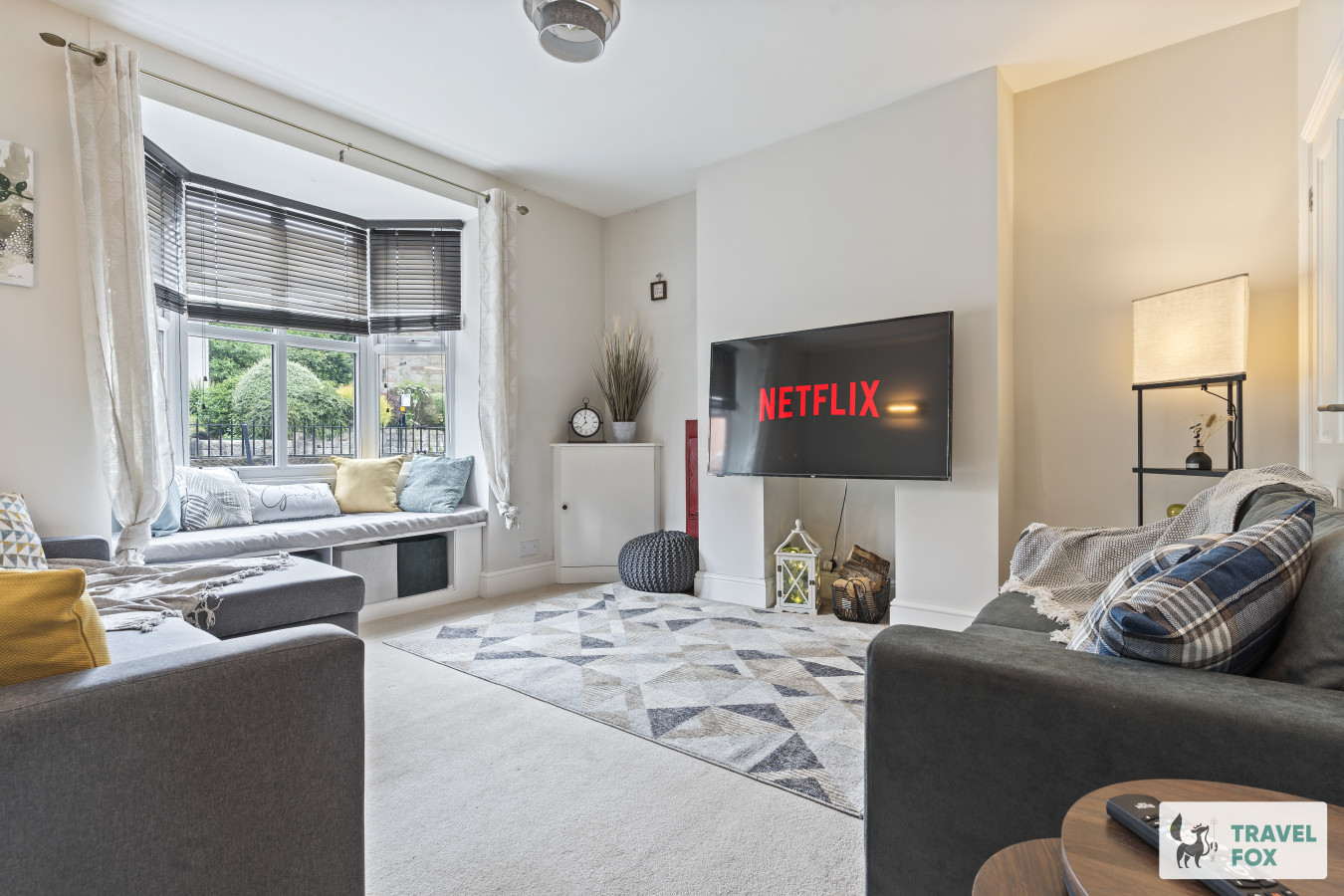
Alton
The Old Post Office: Alton Towers
- Sleeps 8
- 3 bedrooms
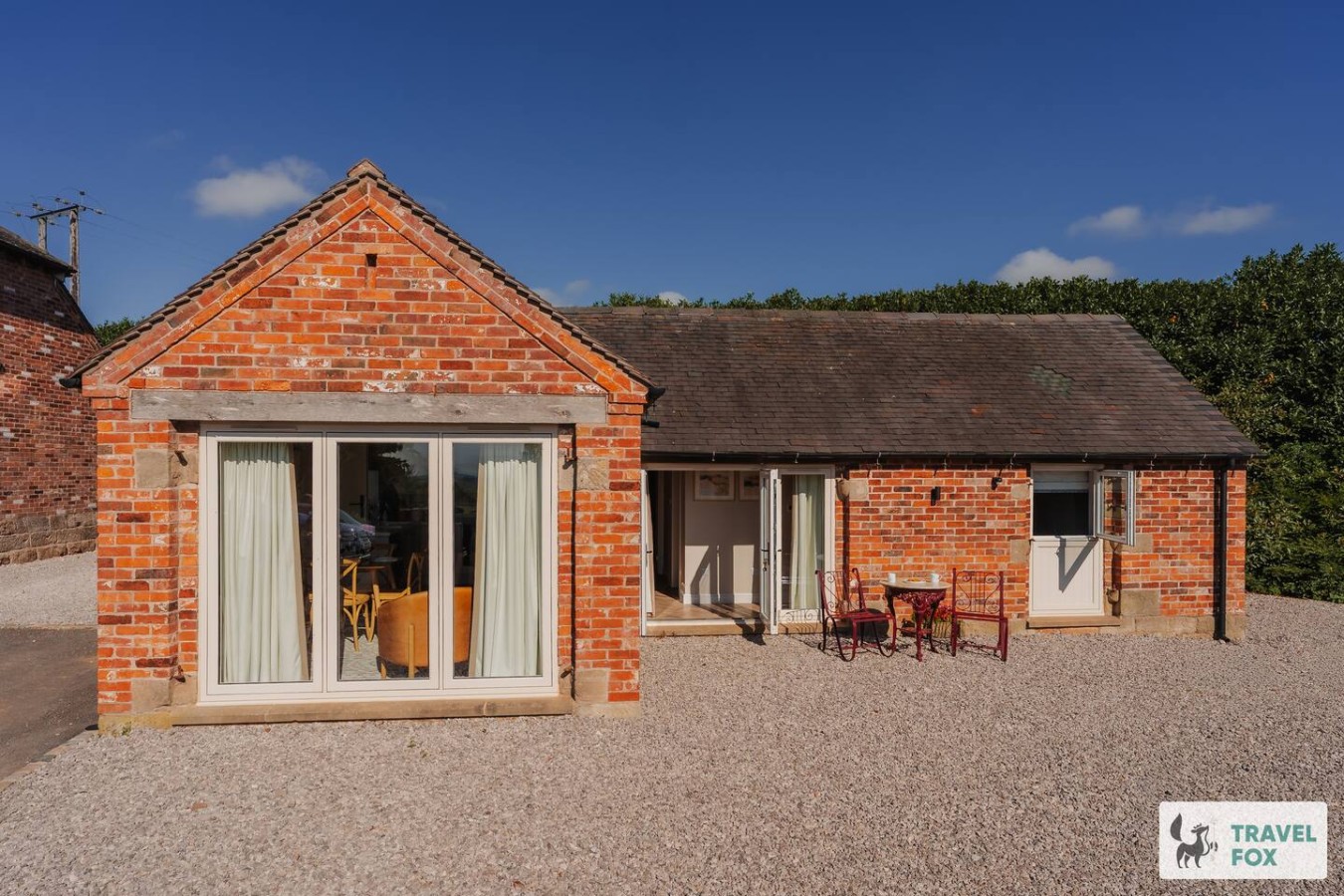
Checkley
The Old Stables
- Sleeps 4
- 2 bedrooms
For homeowners
Own a holiday home near Loxley?
We manage holiday lets across Staffordshire from 12% commission, charged after cleaning costs, with no lock-in. A co-founder visits before you decide.
Holiday let management in Staffordshire →
A guide with a point of view
Written from research. Edited for real journeys.
Use the Official site links for live practical details, then use this guide for context, ideas and room to explore.
Sources
Every place on this page is checked against a published source. Each entry links the record we used and names who publishes it.
- Church of St Lawrence, Bramshall — historicengland.org.uk statutory register or public authority record not machine-readable; publisher restricts automated access
- Bramshall and Loxley Parish Hall and Play Area — uttoxeterruralparishcouncil.gov.uk statutory register or public authority
- The Bramshall (formerly the Old Bramshall Inn) — camra.org.uk operator, sector body or destination organisation
- St Cuthbert's Churchyard Yew — derby.anglican.org national body or asset manager
- Alton Towers — altontowers.com operator, sector body or destination organisation record not machine-readable; publisher restricts automated access