
Royal history beside the dunes
Aberffraw
A former capital of Gwynedd where the Afon Ffraw, a protected dune system and Traeth Mawr meet the Anglesey coast.
- Best for
- Dune walks, medieval churches and royal history
- Give it
- A half day, or longer for the coastal-path leg
- Don't miss
- Traeth Mawr and the protected dunes
The Fox verdict
A royal village at the edge of the dunes
Aberffraw pairs a long sandy beach with a protected dune system, medieval churches and the story of Gwynedd's royal house.
Walk over the old bridge and through the dunes to Traeth Mawr, look for the Romanesque carving at St Beuno's, or follow the coast towards St Cwyfan's and Barclodiad y Gawres.
Where to go
Places in Aberffraw
Every place below is checked against a published source, listed with what it is and how long to give it.
Local signatures
3 placesTraeth Mawr (Aberffraw Beach)
A long, wide sandy beach that is rarely busy and is described in the research as good for families, safe paddling and beachcombing.
- Visit length
- Editorial estimate: allow around 90 minutes
- Locality
- Beyond the old bridge and dunes
Wales Coast Path: Aberffraw to Rhosneigr
A coastal-path leg with views across the Ffraw estuary towards the Llŷn Peninsula and Snowdonia, passing St Cwyfan's and Barclodiad y Gawres.
- Visit length
- Editorial estimate: allow around 210 minutes
- Locality
- Aberffraw to Rhosneigr
Barclodiad y Gawres
A Neolithic passage tomb with carved stones bearing spirals, zig-zags and lozenges beneath a reconstructed 27-metre mound.
- Visit length
- Editorial estimate: allow around 45 minutes
- Locality
- Cable Bay / Porth Trecastell
Food & drink
1 placeY Goron (The Crown)
A traditional village pub with two bars, a separate dining room and an enclosed rear beer garden overlooking the Ffraw estuary and dunes.
- Visit length
- Editorial estimate: allow around 75 minutes
- Locality
- Bodorgan Square
- Access
- Dogs are allowed in the bar area.
Walks & outdoors
1 placeAberffraw Dunes SSSI
An extensive protected dune network covering 883 acres, described as one of the largest dune habitats in the UK.
- Visit length
- Editorial estimate: allow around 75 minutes
- Locality
- Between the village car park and Traeth Mawr
History & heritage
2 placesSt Beuno's Church
A rare double-naved Anglesey church with a reset 12th-century arch carved with chevrons and the heads of 25 rams and bulls.
- Visit length
- Editorial estimate: allow around 30 minutes
- Locality
- Aberffraw
St Cwyfan's Church
A II*-listed medieval church standing on the tidal island of Cribinau, protected by a seawall built after erosion threatened the churchyard.
- Visit length
- Editorial estimate: allow around 45 minutes
- Locality
- Cribinau, near Aberffraw
- Access
- The church is reached on foot only at low water.
No places match this filter. Choose All places to reset the list.
Three ways to explore Aberffraw
Signature outings
Settle in at Y Goron
Choose between the bright lounge, smaller bar and dining room, with the enclosed beer garden looking over the Ffraw estuary and dunes.
Walk to the church in the sea
At low water, cross to St Cwyfan's on Cribinau, the tidal island protected by a seawall after erosion threatened its graves.
Walk out to Traeth Mawr
A short walk through Aberffraw's protected dunes leads to Traeth Mawr, a long, wide sandy beach backed by an extensive dune system.
The village story
Aberffraw Village Guide
A Welsh-speaking coastal village shaped by dunes, medieval faith and the memory of Gwynedd's royal house.
A Pub Table and a Village Biscuit
Y Goron sits on Bodorgan Square, in the middle of a village of whitewashed cottages, and does a steak and ale pie that one reviewer called one of the best meals they'd had. There is a bright lounge bar, a smaller second bar, and a separate dining room, so you can pick your level of company. The menu runs to haddock and chips, seafood linguine, a beef or chicken burger, lasagne, and homemade chips in portions that reviews describe as generous, which on inspection they are. Up to three ales are on when it's busy, usually including Purple Moose's Madog's Ale, a session bitter at 3.7%. Dogs are allowed in the bar. Out the back there's an enclosed beer garden looking over the Ffraw estuary and the dunes.
Aberffraw has its own biscuit. The teisen Berffro is a scallop-shell-shaped shortbread of flour, butter and sugar, pressed into shape from an actual scallop shell, and it is claimed to be the oldest biscuit recipe in Britain, dating to the 13th century. There are two origin stories: a Welsh king's wife who saw a shell on the beach and wanted a cake shaped like it, and the more plausible one linking the shell to Santiago de Compostela pilgrims, who wore scallop badges. The second version means the biscuits are also called James cakes.
Across the Dunes to the Church in the Sea
To reach the beach you cross Hen Bont Aberffraw, a single-span humpbacked packhorse bridge built in 1731 with money from Sir Arthur Owen of Bodowen, then walk through the dunes. The beach is Traeth Mawr, wide and sandy and rarely busy, a Blue Flag since 2005 and nicknamed the Sahara of Wales. The dune system behind it runs to 883 acres, one of the largest in the UK and an SSSI. One local writer described the beach as "where Anglesey's Sahara meets the sea."
The Wales Coast Path leaves the village square and heads eight miles to Rhosneigr, opening on a view across the estuary to the mountains of the Llŷn Peninsula and Snowdonia. The path passes St Cwyfan's, the Little Church in the Sea, which stands on a tidal island reached on foot only at low water. When erosion began sending its graves into the sea, a local architect raised money in 1893 to wall the island off. It still holds summer weddings.
Romanesque Work at St Beuno's
In the village, St Beuno's is a rare double-naved church with a reset 12th-century arch carved with chevrons and the heads of 25 rams and bulls. Pevsner reckoned it holds some of the most significant Romanesque work on the island.
The Vanished Royal Court
For roughly three centuries this was the capital of Gwynedd and the seat of its royal house. The court was partly pulled down in 1317 to supply stone for Caernarfon Castle, and what remained was buried by a sandstorm on St Nicholas's Day, 1331. A Jonah Jones sculpture on the square marks the vanished princes.
Reaching a Welsh-speaking Village
Bodorgan station is three miles off; the A4080 runs through the village. Two-thirds of the village still speaks Welsh, and the football club plays down the road at Bryn Du.
Stay around Anglesey
Make a longer stay of it
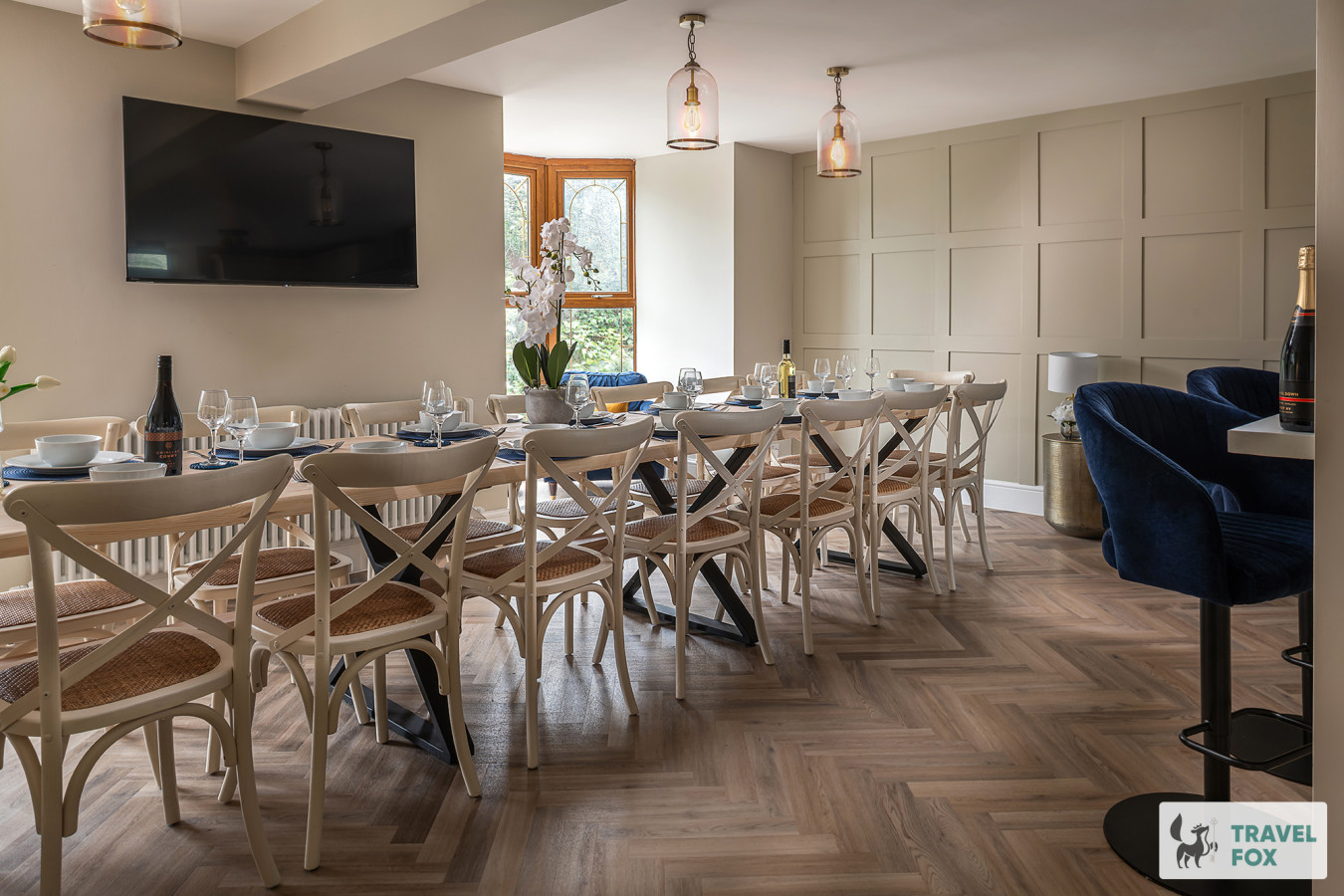
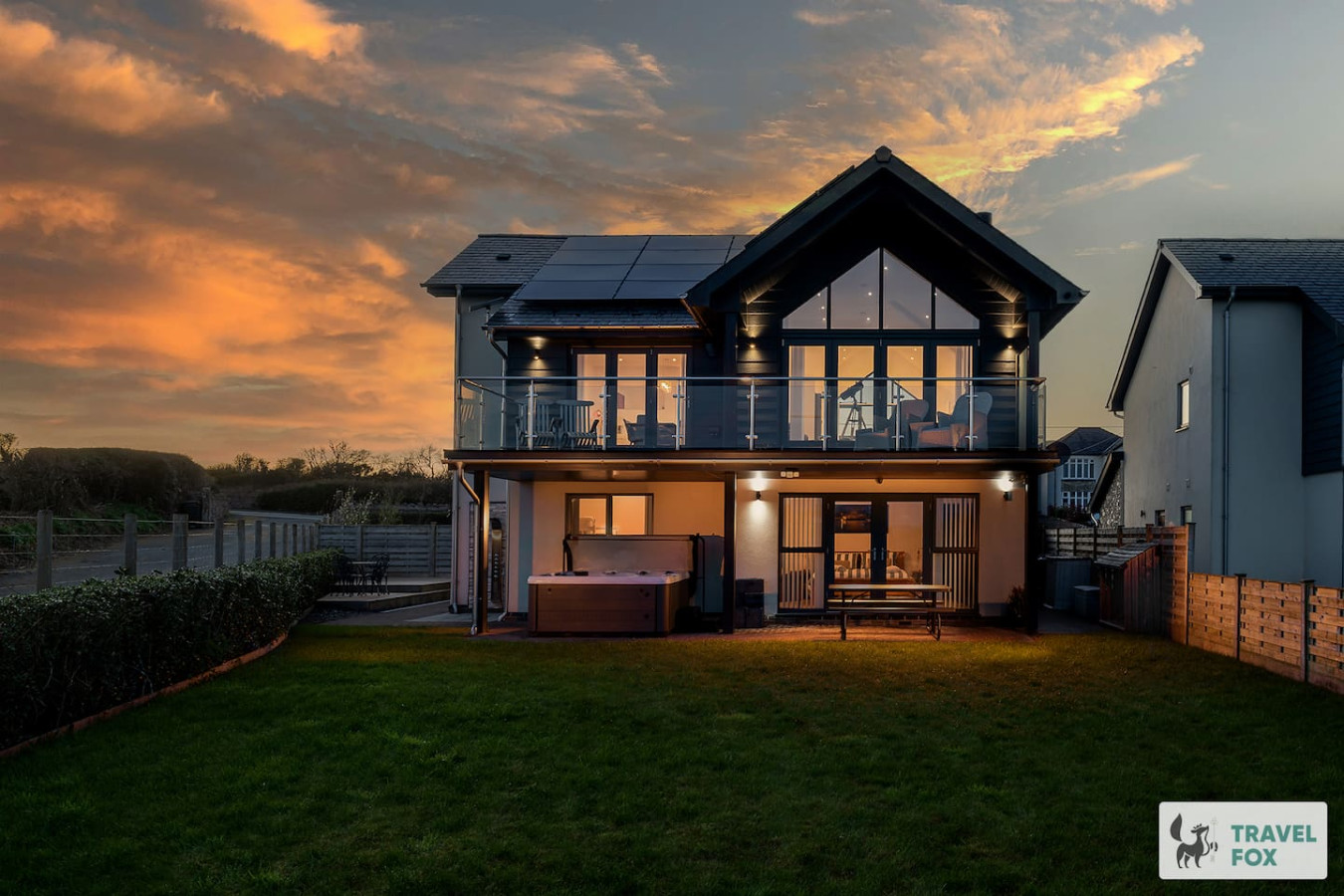
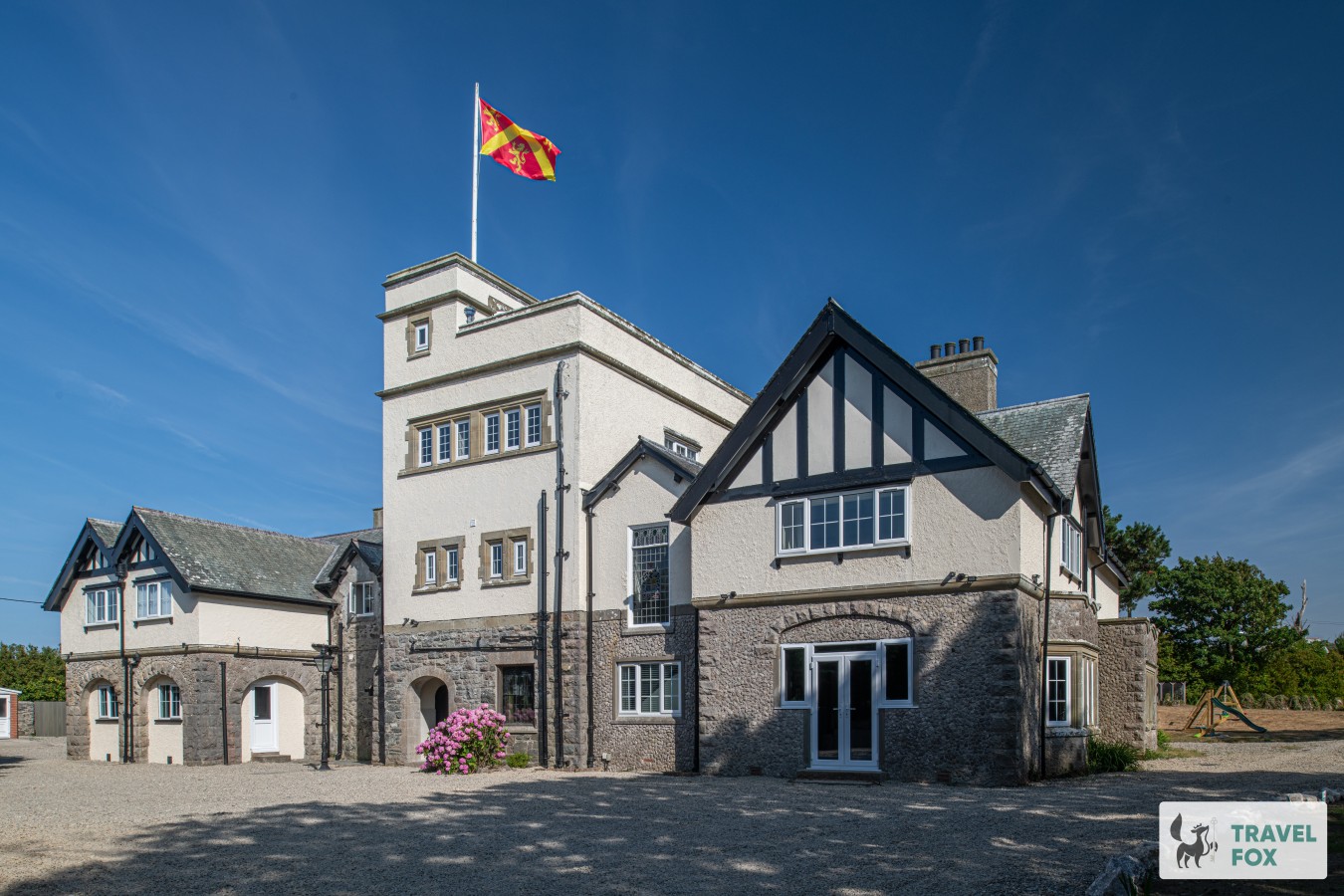
Travel Fox holiday homes around Anglesey, linked directly to their property pages.
For homeowners
Own a holiday home near Aberffraw?
We manage holiday lets across Anglesey from 12% commission, charged after cleaning costs, with no lock-in. A co-founder visits before you decide.
Holiday let management in Anglesey →
A guide with a point of view
Written from research. Edited for real journeys.
Use the Official site links for live practical details, then use this guide for context, ideas and room to explore.
Sources
Every place on this page is checked against a published source. Each entry links the record we used and names who publishes it.
- Y Goron (The Crown) — ratings.food.gov.uk statutory register or public authority
- Traeth Mawr (Aberffraw Beach) — visitanglesey.co.uk operator, sector body or destination organisation
- Aberffraw Dunes SSSI — visitanglesey.co.uk operator, sector body or destination organisation
- St Beuno's Church — stdavids.churchinwales.org.uk other published source
- St Cwyfan's Church — stdavids.churchinwales.org.uk other published source
- Wales Coast Path: Aberffraw to Rhosneigr — walescoastpath.gov.uk statutory register or public authority
- Barclodiad y Gawres — cadw.gov.wales statutory register or public authority