
Lake, coast and prehistory
Llanfaelog
A small inland village beside Llyn Maelog, with a maritime churchyard and Anglesey’s largest Neolithic burial chamber on the nearby coast.
- Best for
- Lake walks, birdwatching, surf and Neolithic sites
- Choose a pace
- A roughly two-mile lake circuit or a five-mile heritage walk
- Don’t miss
- The carved-stone passage grave at Barclodiad y Gawres
The Fox verdict
A quiet base with an exceptional coastal hinterland
Llanfaelog pairs a reed-fringed freshwater lake and a churchyard shaped by shipwreck history with beaches and prehistoric sites close by.
Walk around most of Llyn Maelog, read the coast’s history in St Maelog’s churchyard, then continue to the sands and the great passage grave above Cable Bay. Rhosneigr supplies the dining that Llanfaelog itself lacks.
Where to go
Places in Llanfaelog
Every place below is checked against a published source, listed with what it is and how long to give it.
Local signatures
3 placesThe Oyster Catcher
A contemporary beachside bar and seafood restaurant serving breakfast, brunch, lunch and dinner, with outdoor seating overlooking the water.
- Visit length
- Editorial estimate: allow around 90 minutes for a meal.
- Locality
- on the shore of Maelog Lake, Rhosneigr
Barclodiad y Gawres
Wales’s largest Neolithic burial chamber, with a cruciform plan and carved spirals, zig-zags, lozenges and chevrons linked stylistically to Ireland’s Boyne Valley tombs.
- Visit length
- Editorial estimate: allow around 60 minutes for the clifftop monument.
- Locality
- on the coast between Rhosneigr and Aberffraw
- Access
- The monument is free to approach; its carved-stone interior is periodically openable through Cadw.
Tŷ Newydd Burial Chamber
A second Neolithic monument with a cracked capstone resting on three surviving uprights; finds included flint and pottery, and cup-mark art was later detected on the stone.
- Visit length
- Editorial estimate: allow around 45 minutes.
- Locality
- north-east of Llanfaelog village near Tŷ Newydd farm
Food & drink
1 placeSandy Mount House
A contemporary beach-house bar and restaurant with seven guest rooms, positioned as an upscale choice for modern British and seafood dining.
- Visit length
- Editorial estimate: allow around 90 minutes for a meal.
- Locality
- Rhosneigr
Walks & outdoors
3 placesLlyn Maelog Circular
A reed-fringed 59-acre freshwater lake for a gentle circuit and big-sky birdwatching, with grebes, ducks and swans among the recorded wildfowl.
- Visit length
- Editorial estimate: allow around an hour for the roughly two-mile circuit.
- Locality
- on the village’s south-west edge
- Access
- Llyn Maelog is known to harbour toxic blue-green algae; keep dogs out of the water.
Anglesey Coastal Path
A coastal walking option through the sandy and cliff-framed shore south-west of Llanfaelog, passing directly below the great passage grave.
- Visit length
- Editorial estimate: allow around two hours for a local coastal stretch.
- Locality
- along the coast between Rhosneigr and Aberffraw
Traeth Llydan
Broad Beach is a leading Welsh surfing beach and a noted UK kitesurfing and windsurfing spot, with boards and windsurf hire available at the beach.
- Visit length
- Editorial estimate: allow around 90 minutes for time on the beach.
- Locality
- at Rhosneigr
History & heritage
1 placeSt Maelog’s Church
A Grade II Gothic Revival church of 1848–49 with a maritime churchyard containing shipwreck graves, a barrel mortuary, aircrash victims and six war graves.
- Visit length
- Editorial estimate: allow around 45 minutes for the church and churchyard.
- Locality
- Llanfaelog
Things to do
1 placeAnglesey Circuit / Trac Môn
A coastal motor-racing circuit hosting car and bike race days on land formerly used as a military rocket range and RAF radar station.
- Visit length
- Editorial estimate: allow around two hours for spectator motorsport.
- Locality
- at Tŷ Croes, south of Llanfaelog
No places match this filter. Choose All places to reset the list.
Three ways to explore Llanfaelog
Signature outings
Llyn Maelog
Walk most of the way around the 59-acre freshwater lake, watching for grebes, ducks and swans while keeping dogs out of the water.
The Apronful above the bay
Explore Wales’s largest Neolithic burial chamber and its carvings of spirals, zig-zags, lozenges and chevrons above Cable Bay.
A churchyard turned to sea
St Maelog’s churchyard holds shipwreck graves, war graves, aircrash victims and the barrel mortuary once used for unidentified bodies washed ashore.
The town story
Llanfaelog Village Guide
A locked Travel Fox account of Llanfaelog’s lake, coast, food, archaeology, churchyard and transport connections.
Lake paths and a dry village
Llyn Maelog is the only lake in Wales with official Village Green status, a designation handed out by the community council. It sits on the south-west edge of the village, 59 acres of reed-fringed freshwater, and a roughly two-mile path takes you most of the way round it. The southernmost shore is the exception; the footpath there links east to Llanfaelog and west into Rhosneigr. Grebes, tufted duck, pochard, shelduck and swans use it. So does toxic blue-green algae, so keep the dog out of the water.
The village has no pub. CAMRA lists none, and the wider community — Tŷ Croes, Bryn Du, Pencarnisiog — is essentially dry. For a drink you go down the A4080 into Rhosneigr.
Rhosneigr food and open-coast surf
The Oyster Catcher sits on the shore of the lake, directly across from the roadside parking, and calls itself the ultimate beach side venue and an iconic Anglesey landmark. It was built originally as a training restaurant. The food is seafood-led, with a beer garden looking over the water. Sandy Mount House does the upscale version a short way off, a beach house with rooms and the chef Hefin Roberts in the kitchen.
Traeth Llydan — Broad Beach at Rhosneigr — is one of the better surfing beaches in Wales and a serious kitesurf and windsurf spot; Traeth Cymyran is quieter; Porth Trecastell, or Cable Bay, is sheltered with rock pools. Boards and windsurf hire are down at the beach. A surfing guide to Anglesey rates "Rhosneigr on a 4ft NW swell in October, five people in the water, storm light, cold air" as genuinely good cold-water surfing.
Cable Bay and the Giantess’s Apronful
Cable Bay is named for a telegraph cable laid in 1902, which ran from the beach across the Irish Sea to Ireland and on to the United States. It was abandoned long ago. The name is the only part still working.
Above the bay stands Barclodiad y Gawres, the Giantess's Apronful — the folk name imagines a giantess dropping a load of stones from her apron. It is the largest Neolithic burial chamber in Wales, a cruciform passage grave with carved stones of spirals, zig-zags and chevrons that match the tombs of the Irish Boyne Valley. When excavators opened it in the 1950s they found a fire in the central chamber onto which a stew of wrasse, eel, frog, toad, grass snake, mouse, shrew and hare had been poured, then capped with limpet shells. Cadw opens the interior from time to time.
Shipwreck memory and practical connections
St Maelog's church, rebuilt in 1848, has a churchyard that keeps turning back to the sea. It holds shipwreck graves, six war graves, and the victims of an aircrash off the coast in 1941 buried alongside the police and soldiers who died trying to reach them. There is also a barrel mortuary, a store where unidentified bodies washed up from wrecks were kept until someone could name them. Many of the parishioners buried here were fishermen.
Tŷ Croes and Rhosneigr stations both serve the Holyhead line, with the village roughly between them; the A4080 meets the A55 at Junction 5. Buses run, occasionally, to Llangefni.
Life beneath the fast jets
RAF Valley is a few miles north, so fast jets pass overhead often, and the village carries on underneath them.
Stay around Anglesey
Make a longer stay of it
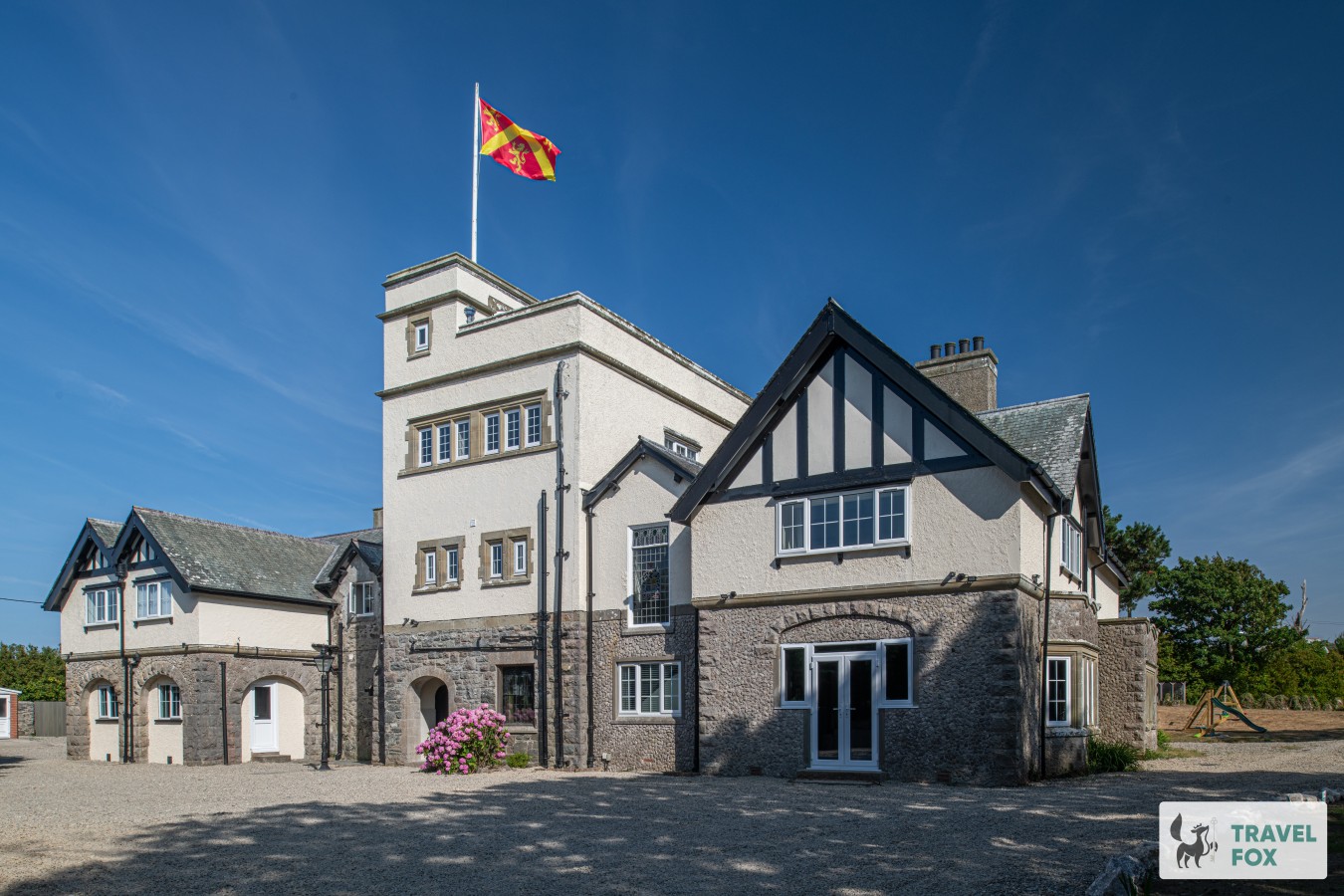
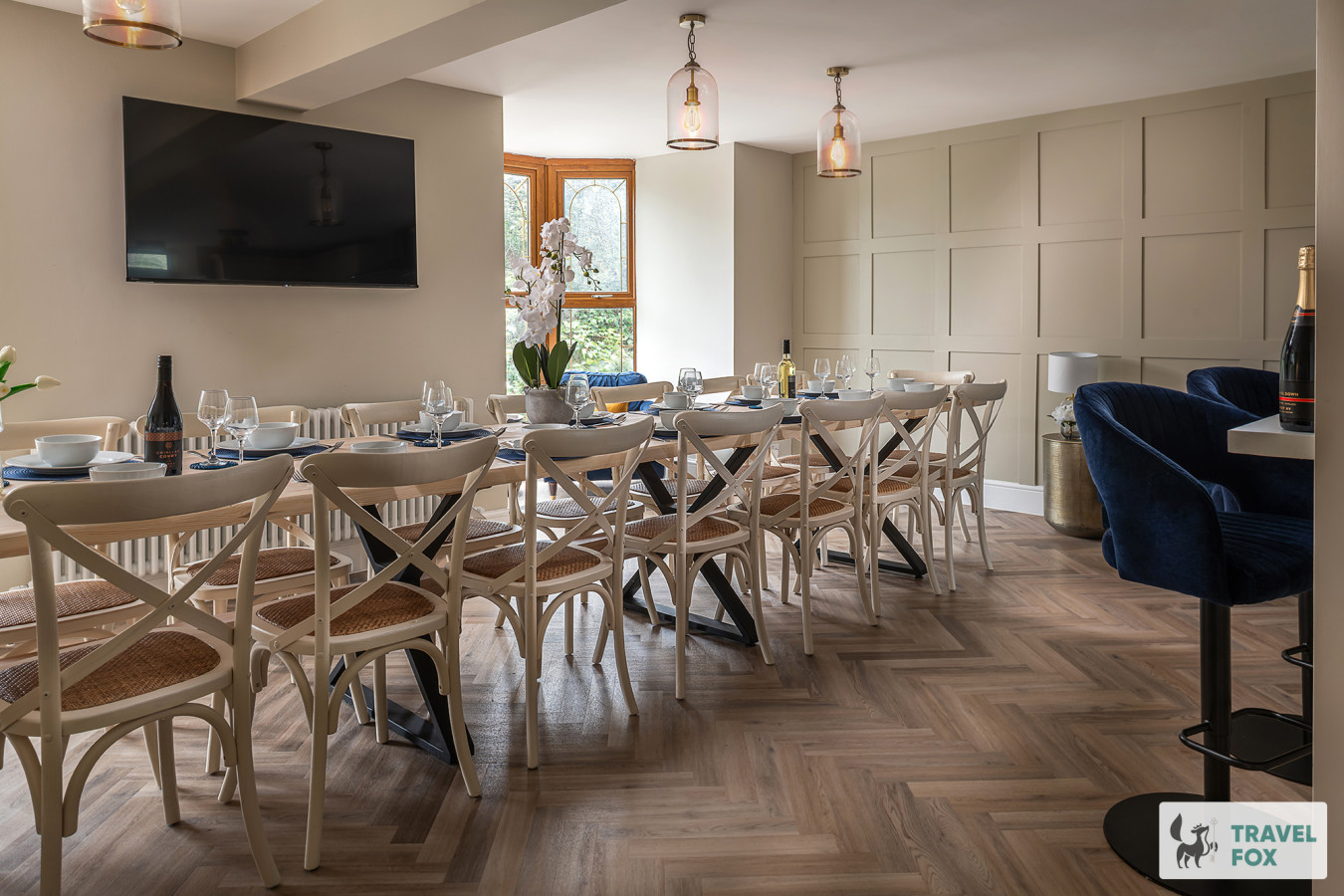
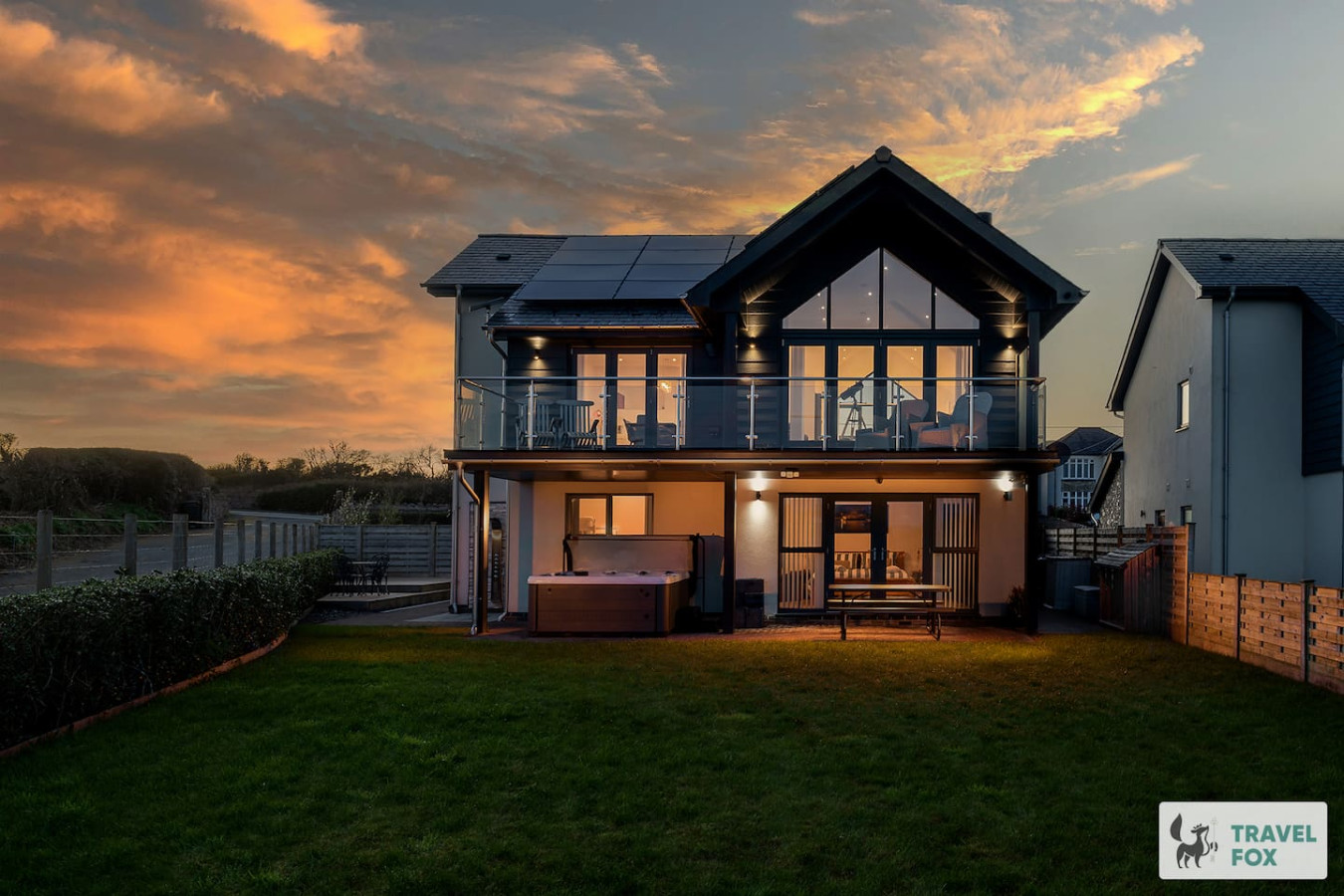
Travel Fox holiday homes around Anglesey, linked directly to their property pages.
For homeowners
Own a holiday home near Llanfaelog?
We manage holiday lets across Anglesey from 12% commission, charged after cleaning costs, with no lock-in. A co-founder visits before you decide.
Holiday let management in Anglesey →
A guide with a point of view
Written from research. Edited for real journeys.
Use the Official site links for live practical details, then use this guide for context, ideas and room to explore.
Sources
Every place on this page is checked against a published source. Each entry links the record we used and names who publishes it.
- Llyn Maelog Circular — anglesey.gov.wales statutory register or public authority
- The Oyster Catcher — oystercatcheranglesey.co.uk operator, sector body or destination organisation
- Sandy Mount House — sandymounthouse.co.uk operator, sector body or destination organisation
- St Maelog’s Church — coflein.gov.uk statutory register or public authority
- Barclodiad y Gawres — cadw.gov.wales statutory register or public authority
- Tŷ Newydd Burial Chamber — cadw.gov.wales statutory register or public authority
- Anglesey Coastal Path — visitanglesey.co.uk operator, sector body or destination organisation
- Traeth Llydan — visitanglesey.co.uk operator, sector body or destination organisation
- Anglesey Circuit / Trac Môn — angleseycircuit.co.uk operator, sector body or destination organisation