

Maritime Anglesey
Moelfre
A sheltered harbour village shaped by lifeboat courage, shipwreck history, coastal walking and nearby ancient sites.
- Best for
- Maritime history, coastal walking and archaeology
- Give it
- The two-mile walk towards Traeth Lligwy
- Don't miss
- The Seawatch Centre and Lligwy antiquities trio
Photo: Colin Park · CC BY-SA 2.0 · cropped
The Fox verdict
A harbour village with deep maritime memory
Moelfre pairs a sheltered bay and coastal path with lifeboat stories, the Royal Charter legacy and a compact cluster of ancient sites inland.
Start with the village's maritime story at the Seawatch Centre and Dic Evans statue, follow the coast towards Traeth Lligwy, then explore St Gallgo's and the three nearby Lligwy antiquities.
Where to go
Places in Moelfre
Every place below is checked against a published source, listed with what it is and how long to give it.
Local signatures
3 placesThe Kinmel Arms
A traditional Robinsons seaside pub with a nautical theme, home-cooked pub fare, cask ales and outside seating with views of Moelfre Bay.
- Visit length
- Editorial estimate: allow around 75 minutes
- Locality
- at the base of the village next to the small shingle beach
- Access
- Dogs are very welcome, with dog treats and water bowls provided.
St Gallgo's Church
A Grade II listed church with late medieval fabric whose churchyard contains the graves of 140 Royal Charter victims and a commemorative obelisk.
- Visit length
- Editorial estimate: allow around 45 minutes
- Locality
- Llanallgo, south-west of Moelfre
Capel Lligwy
A roofless chapel ruin dating to the first half of the twelfth century, with a sixteenth-century side chapel over a vaulted burial chamber.
- Visit length
- Editorial estimate: allow around 45 minutes
- Locality
- Lligwy, inland from Moelfre
Food & drink
1 placeAnn's Pantry
A family-run café serving breakfast, homemade cakes, loose-leaf teas, locally roasted coffee and afternoon tea, with indoor and outdoor seating.
- Visit length
- Editorial estimate: allow around 60 minutes
- Locality
- Moelfre
- Access
- Booking is recommended, especially for afternoon tea.
Walks & outdoors
1 place
Traeth Lligwy
A sandy beach with dunes and rockpools, about two miles from Moelfre on the Wales Coast Path.
- Visit length
- Editorial estimate: allow around 120 minutes
- Locality
- Traeth Lligwy, north of Moelfre
- Access
- A landslide diversion near Lligwy follows a road and footpath towards Porth y Môr.
History & heritage
4 placesMoelfre RNLI Seawatch Centre
A free maritime museum with the retired lifeboat Bird's Eye, Royal Charter artefacts and the story of lifeboatman Dic Evans.
- Visit length
- Editorial estimate: allow around 60 minutes
- Locality
- Moelfre
Dic Evans Statue
A seven-foot bronze statue of Moelfre-born lifeboatman Richard "Dic" Evans, who saved 281 lives across fifty years of service.
- Visit length
- Editorial estimate: allow around 20 minutes
- Locality
- above the harbour
Lligwy Burial Chamber
A Neolithic cromlech with a massive capstone on eight limestone uprights; excavation found human remains, flints and pottery.
- Visit length
- Editorial estimate: allow around 45 minutes
- Locality
- Lligwy, inland from Moelfre
Din Lligwy
A Romano-British enclosed hut group of nine circular and rectangular huts, much of it dating to the fourth century AD.
- Visit length
- Editorial estimate: allow around 60 minutes
- Locality
- Lligwy, inland from Moelfre
No places match this filter. Choose All places to reset the list.
Three ways to explore Moelfre
Signature outings
Lifeboat stories
See the retired Bird's Eye lifeboat, Royal Charter artefacts and the story of Dic Evans in Moelfre's free maritime museum.
Sand and rockpools
Walk about two miles from Moelfre to the sand, dunes and rockpools of Traeth Lligwy.
Romano-British homes
Explore the nine circular and rectangular huts of the enclosed settlement at Din Lligwy.
The village story
Moelfre Village Guide
Food by the bay, lifeboat courage, shipwreck memory and a coastal route into Anglesey's older past.
Bayfront food and drink
At the base of the village beside the shingle beach, the Kinmel Arms looks over Moelfre Bay. This Robinsons pub has original shipping lanterns, bay-window tables, cask ales and home-cooked food. Its outside seating faces the shore, and dogs are welcome.
Up the hill on Dick Evans Road, the Coastal Café & Fish Bar serves fish and chips cooked to order, alongside other meals and gluten-free options.
Café life and the harbour
Ann's Pantry is a family-run café serving breakfast, Welsh rarebit, homemade cakes and scones, loose-leaf tea, locally roasted coffee and afternoon tea. There is a real fire inside, outdoor seating and room for dogs.
The village is a scatter of whitewashed fishermen's cottages wrapped around a sheltered harbour, guarded by the rocky islet of Ynys Moelfre just offshore. The Welsh name means "bald hill," which is what the rise behind the village looks like from the sea. Seals and porpoises turn up in the bay; seabirds work the island. There's a small convenience shop and public toilets in the centre, and the RNLI Seawatch Centre, a free maritime museum with the retired lifeboat Bird's Eye and artefacts divers recovered from the Royal Charter.
Shipwreck and lifeboat courage
In October 1859 the Royal Charter, a steam clipper returning from Melbourne, was wrecked on rocks off Moelfre during a hurricane-force storm. About 450 people died; local rescuers formed a human chain, and 140 of the dead were buried at St Gallgo’s Church in Llanallgo. The church became a mortuary, and its rector, Stephen Roose Hughes, cared for the dead. Charles Dickens later wrote about the wreck and Hughes’s work.
A century later, almost to the day, coxswain Richard "Dic" Evans took a lifeboat alongside a foundering coaster ten times in a Force-12 gale and brought off all eight crew. His seven-foot bronze statue stands above the harbour, looking out to sea. He saved 281 lives across fifty years and is one of only five people ever awarded the RNLI Gold Medal twice.
Coast path and living Welsh
From Moelfre, the Wales Coast Path runs about two miles north to the sand, dunes and rockpools of Traeth Lligwy. An inland return can take in Capel Lligwy, Lligwy Burial Chamber and Din Lligwy. Moelfre has no station, but buses serve the village.
Welsh remains visible in village life: Ysgol Gymuned Moelfre teaches through the language.
Stay around Anglesey
Make a longer stay of it
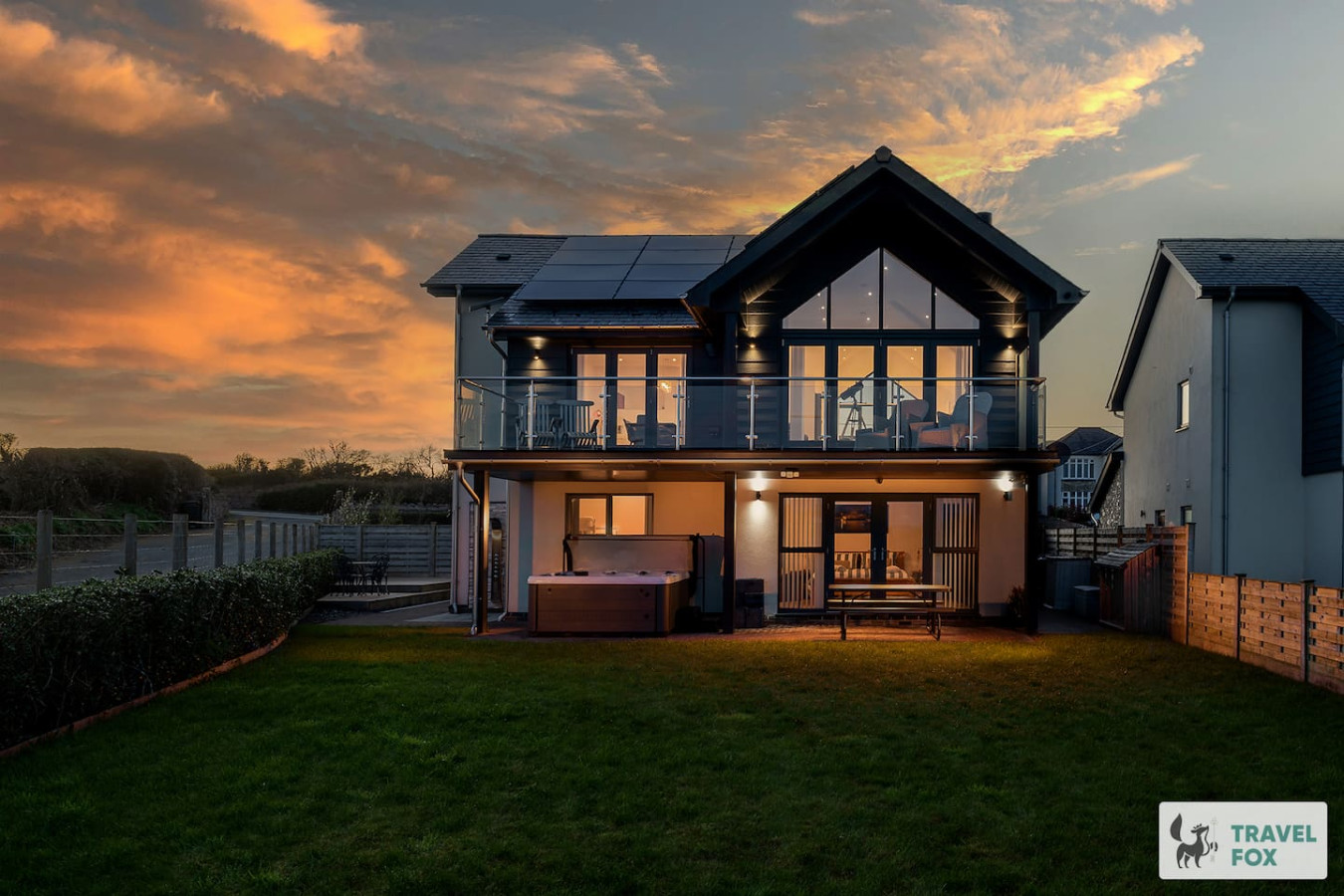
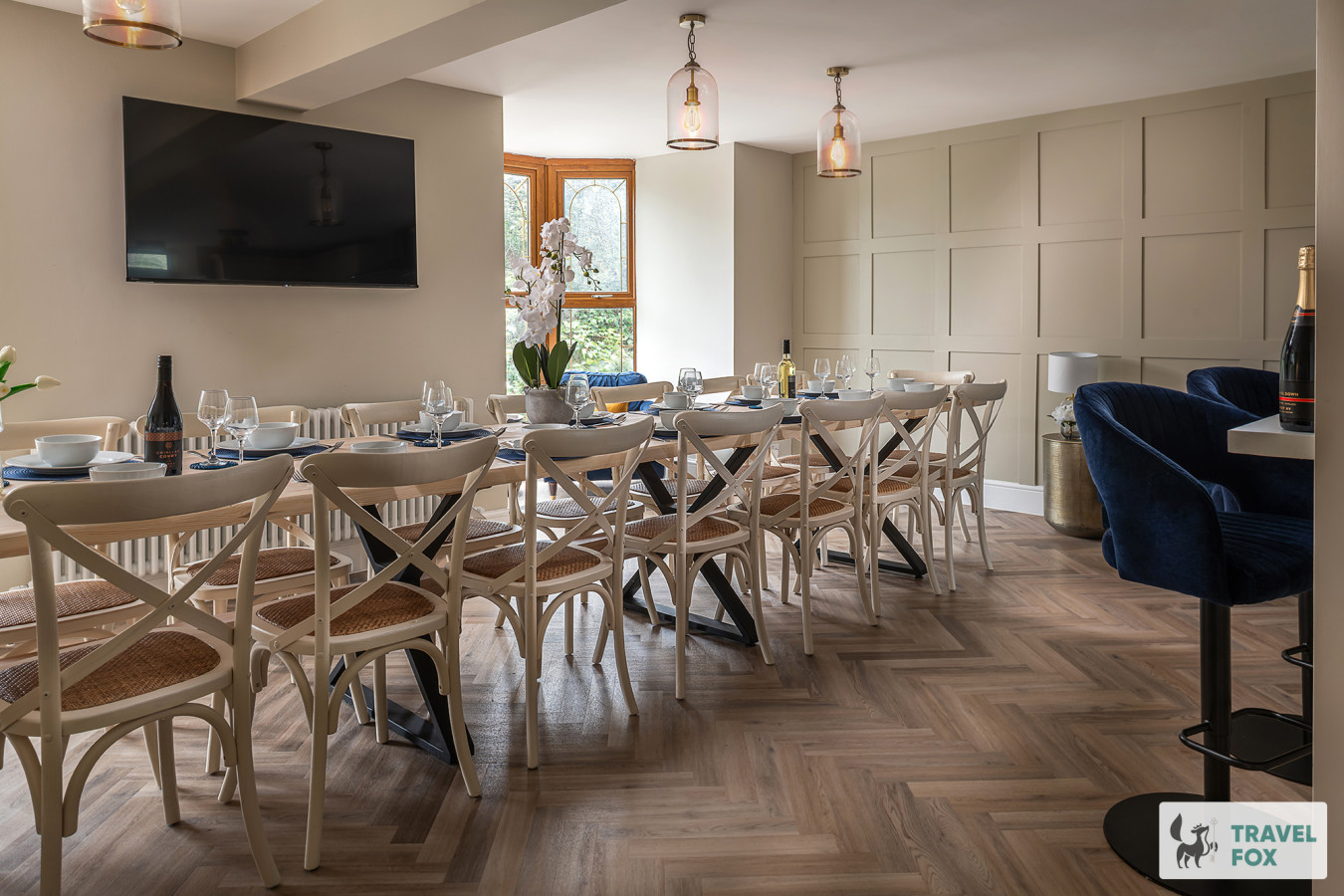
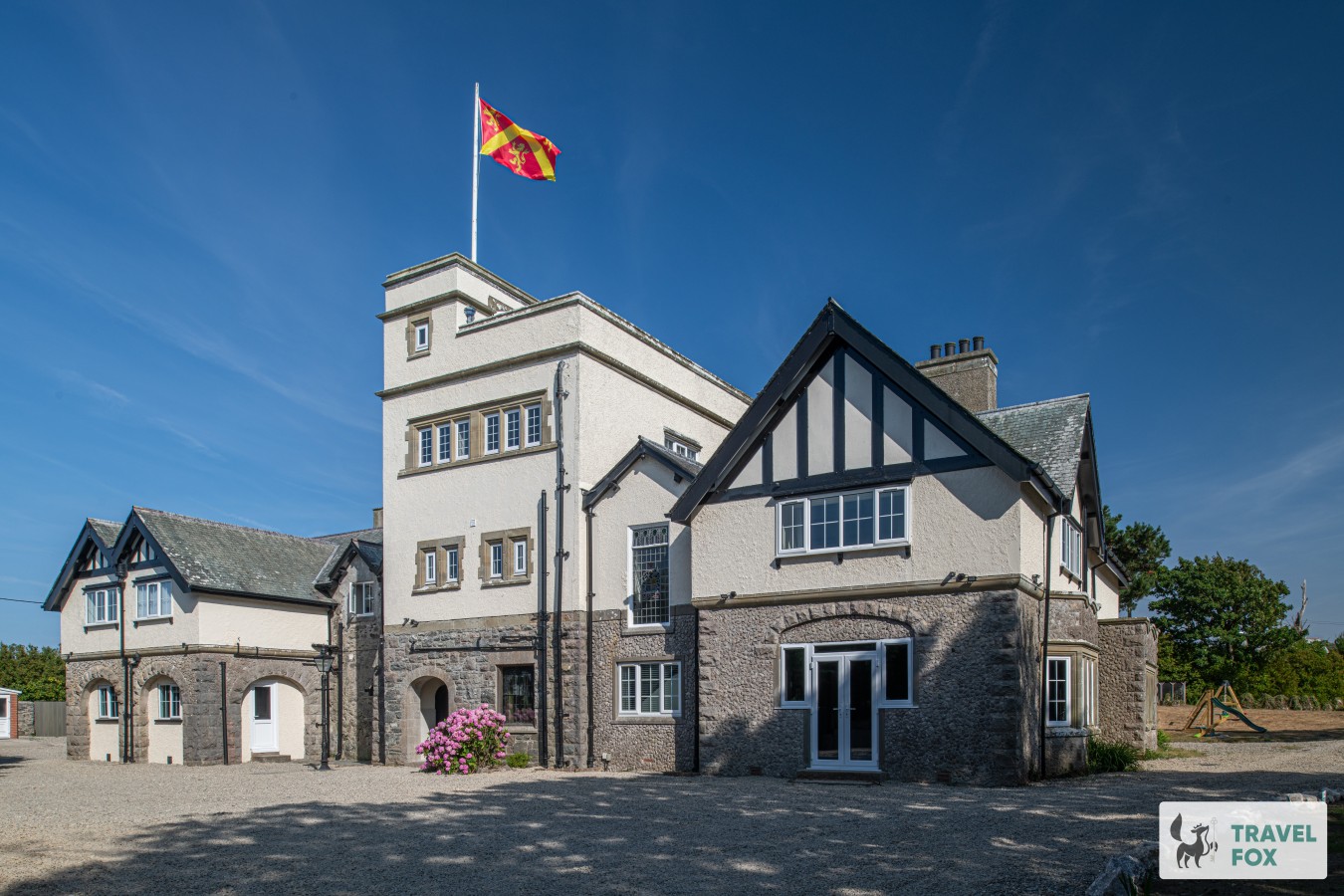
Travel Fox holiday homes around Anglesey, linked directly to their property pages.
For homeowners
Own a holiday home near Moelfre?
We manage holiday lets across Anglesey from 12% commission, charged after cleaning costs, with no lock-in. A co-founder visits before you decide.
Holiday let management in Anglesey →
A guide with a point of view
Written from research. Edited for real journeys.
Use the Official site links for live practical details, then use this guide for context, ideas and room to explore.
Photography credits & licences
Third-party photographs are credited to their named creators and reused under the linked Creative Commons licence or public-domain dedication. Travel Fox stores an optimised local copy; the file-specific changes and any browser-applied display crop are disclosed below. Reused photographs link both to the Wikimedia Commons source record and to the declared source image; Travel Fox's own photographs carry no such record and are marked as ours. These image licences do not cover Travel Fox text, branding or page design.
- File:Traeth Lligwy near Moelfre, Anglesey - geograph.org.uk - 5617206.jpg — photograph by Colin Park; Traeth Lligwy near Moelfre, Anglesey by Colin Park. Source record on Wikimedia Commons. Declared source image. Licence: CC BY-SA 2.0. File changes: Downloaded from Wikimedia Commons, resized to a maximum 1920px edge and encoded as an optimised JPEG. Display changes: Displayed with responsive CSS cropping.
Sources
Every place on this page is checked against a published source. Each entry links the record we used and names who publishes it.
- The Kinmel Arms — camra.org.uk operator, sector body or destination organisation
- Ann's Pantry — annspantry.co.uk operator, sector body or destination organisation
- Moelfre RNLI Seawatch Centre — rnli.org operator, sector body or destination organisation record not machine-readable; publisher restricts automated access
- Dic Evans Statue — rnli.org other published source record not machine-readable; publisher restricts automated access
- Traeth Lligwy — visitanglesey.co.uk operator, sector body or destination organisation
- St Gallgo's Church — coflein.gov.uk statutory register or public authority
- Lligwy Burial Chamber — coflein.gov.uk statutory register or public authority
- Capel Lligwy — cadw.gov.wales statutory register or public authority
- Din Lligwy — coflein.gov.uk statutory register or public authority