

Tide in or tide out
Red Wharf Bay
A wide, sheltered sandy bay where the Anglesey Coastal Path, red-squirrel woodland and waterside places to eat meet.
- Best for
- Low-tide sand, coast walking and bay views
- Give it
- Time planned around the tide
- Don't miss
- Pentraeth Forest's red-squirrel woodland
Photo: Mat Fascione · CC BY-SA 2.0 · cropped
The Fox verdict
A bay that changes with the tide
Come for the vast low-water sand, the coast path and the wooded ridge of Mynydd Llwydiarth, then choose among the Ship Inn, Tavern on the Bay and Boathouse.
Red Wharf Bay is broad, shallow and sheltered, backed by salt marsh and shell-rich dunes. The Anglesey Coastal Path crosses the bay, Pentraeth Forest rises just inland, and the Ship Inn, Tavern on the Bay and Boathouse provide the food stops.
Where to go
Places in Red Wharf Bay
Every place below is checked against a published source, listed with what it is and how long to give it.
Local signatures
3 placesThe Tavern on the Bay
A restaurant and gastro-pub with entertainment and bay views, serving fish and chips, burgers, pizza and a labelled range of vegan options.
- Visit length
- Editorial estimate: allow around 90 minutes
- Locality
- Red Wharf Bay
Red Wharf Bay Beach
A huge expanse of sand at low tide for families, backed by salt marsh and shell-rich dunes that support lime-loving flora.
- Visit length
- Editorial estimate: allow around 60 minutes
- Locality
- Red Wharf Bay
- Access
- The bay has one of the fastest incoming tides in Britain; the local motto is 'Be fleet of foot.'
Isle of Anglesey Coastal Path
Red Wharf Bay is a highlight of the east-coast section, with the path running from the village along the sands and dunes in either direction.
- Visit length
- Editorial estimate: allow around 120 minutes
- Locality
- Red Wharf Bay
- Access
- The route uses the bay's sands, and the bay has one of the fastest incoming tides in Britain.
Food & drink
2 places
The Ship Inn
A traditional 18th-century coastal inn and dining pub with real ales, local suppliers, and a large beer garden with beach huts and uninterrupted bay views.
- Visit length
- Editorial estimate: allow around 90 minutes
- Locality
- Red Wharf Bay
- Access
- Booking is advised because waits can be long; dogs are welcome indoors and outdoors.
The Boathouse
A relaxed Welsh seafood restaurant serving fresh, locally sourced fish and shellfish, with a beachside ice-cream kiosk.
- Visit length
- Editorial estimate: allow around 75 minutes
- Locality
- Red Wharf Bay
Walks & outdoors
2 placesLlanddona Circular
A circular walk from Llanddona beach car park, climbing to Bwrdd Arthur, the Iron Age hillfort called Arthur's Table.
- Visit length
- Editorial estimate: allow around 180 minutes
- Locality
- Llanddona Beach
- Access
- The route starts along the beach, and the bay has one of the fastest incoming tides in Britain.
Pentraeth Forest / Mynydd Llwydiarth
A woodland climb and cycling area that was, until recent re-introductions elsewhere, the last island stronghold of Anglesey's red squirrels.
- Visit length
- Editorial estimate: allow around 120 minutes
- Locality
- Pentraeth Forest, south of Red Wharf Bay
No places match this filter. Choose All places to reset the list.
Three ways to explore Red Wharf Bay
Signature outings
Beach huts and local suppliers
Take a beer-garden beach hut at the Ship Inn for uninterrupted views across the bay, with local suppliers named across the drinks and food offer.
The wooded ridge
Climb through Pentraeth Forest on Mynydd Llwydiarth, the woodland that was Anglesey's last red-squirrel stronghold until recent re-introductions elsewhere.
Beach to Iron Age hillfort
Follow the Llanddona Circular from Llanddona beach car park and climb to Bwrdd Arthur hillfort.
The village story
Red Wharf Bay Village Guide
Food by the sand, a tide that demands respect, coast-path walking, red squirrels and layers of Anglesey history.
The Ship Inn
The Ship Inn has beach huts in its beer garden, arranged along the edge so you can sit inside one with a pint and look straight out across the sand to North Wales. It is an 18th-century coastal inn that began as a single cottage around 1740 and gradually ate the ones next to it. The kitchen leans on people it can name: Conwy Brewery for the beer, Aber Falls for whisky, Parisella's for ice cream, and M Hughes & Sons, who have supplied the butchery since 1956. The menu runs to Welsh Dragon Pie, seafood chowder, a fresh crab sandwich, whitebait, and lobster specials when they have them, mostly £10 to £20, which reviewers keep describing as extremely reasonable. Book, because the waits can be long.
Dogs are welcome inside and out, though there is a recurring grumble that dog owners occasionally end up in a windowless back room. The front door carries CAMRA Good Beer Guide stickers. The Kenneally family ran the place from 1971 to 2025.
Bay Dining and Fast Tides
There are two more options on the bay, which is a lot for a village that once had a single quayside inn. The Tavern on the Bay does fish and chips, burgers, pizza and a properly labelled set of vegan dishes, including a sweet potato roulade and a beetroot and bean burger. The Boathouse is a seafood restaurant open ten till ten, with an ice-cream kiosk on the beach. For anything else you go to Benllech, two miles along the coast, and for fuel to Pentraeth.
The tide is the thing to understand before you walk anywhere. Red Wharf Bay has one of the fastest incoming tides in Britain, and the local motto is simply "Be fleet of foot." At low water the sand goes out for what feels like a mile. There are only ever two states here, tide in or tide out.
Coast Path and Red Squirrels
The Anglesey Coastal Path runs straight through, along the sands to Benllech in one direction and round toward Llanddona and Penmon in the other. The Llanddona Circular starts at Llanddona beach car park, several miles east of Red Wharf Bay, and climbs to Bwrdd Arthur, an Iron Age hillfort the locals call Arthur's Table. Inland the wooded ridge of Mynydd Llwydiarth was, until recent reintroductions elsewhere, the last stronghold of Anglesey's red squirrels; you can still see them there.
Battle Legend and Viking Silver
The name means red beach, Traeth Coch. In 1170 Hywel ab Owain Gwynedd, a poet and heir to the throne of Gwynedd, was killed near here fighting his half-brothers, and legend says the beach ran red. Rather more solidly, a hoard of five Viking silver arm-rings turned up on the sand in the 1890s, and a fortified Viking trading settlement was later excavated at Llanbedrgoch, a mile or two inland, complete with a fragment of an Islamic silver coin.
The Sailing Club Moves On
The Red Wharf Bay Sailing Club was founded in 1952 at a meeting in the Ship Inn, then promptly moved down the coast to Traeth Bychan on the grounds that the water there was better for sailing. It still races from there.
Stay around Anglesey
Make a longer stay of it
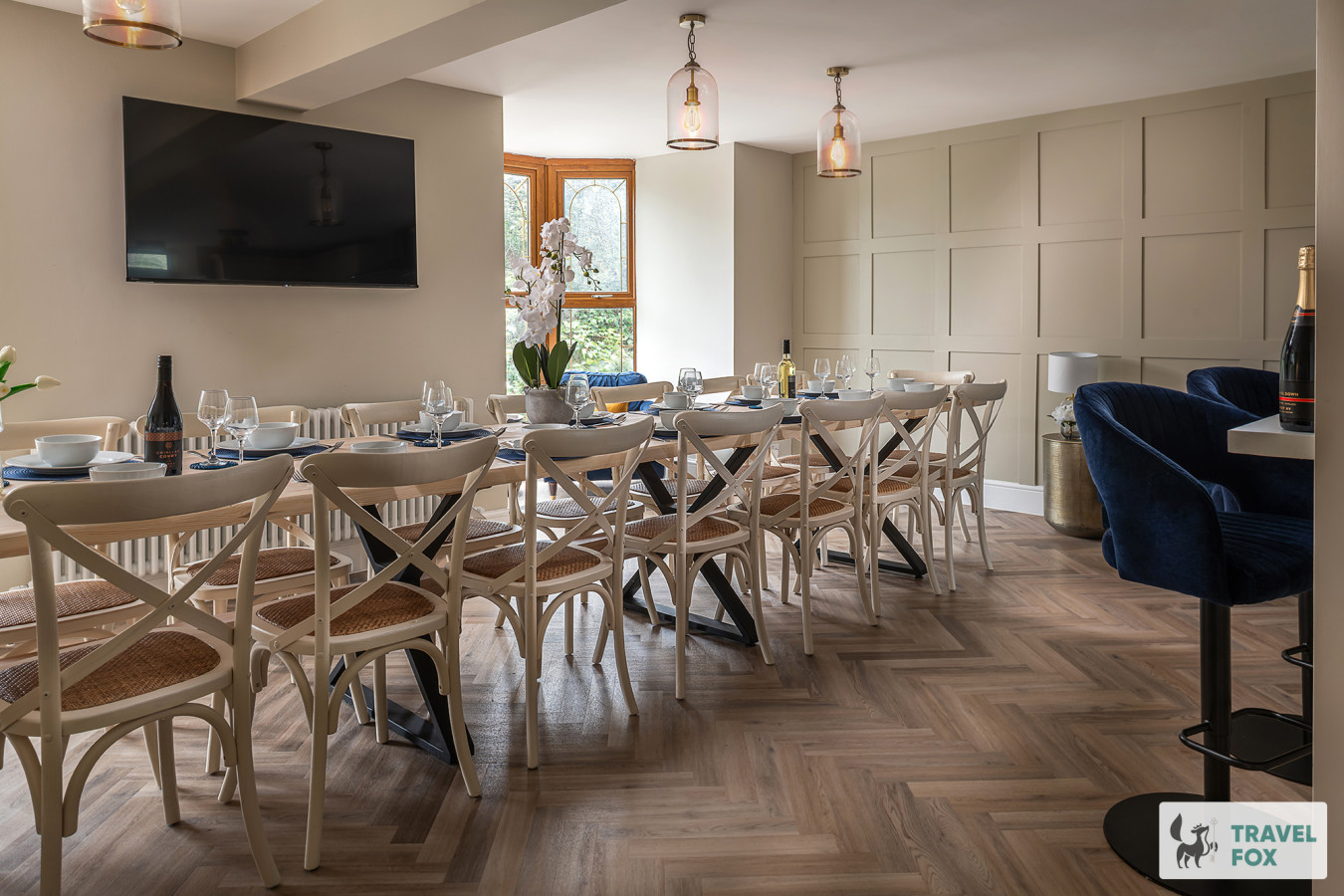
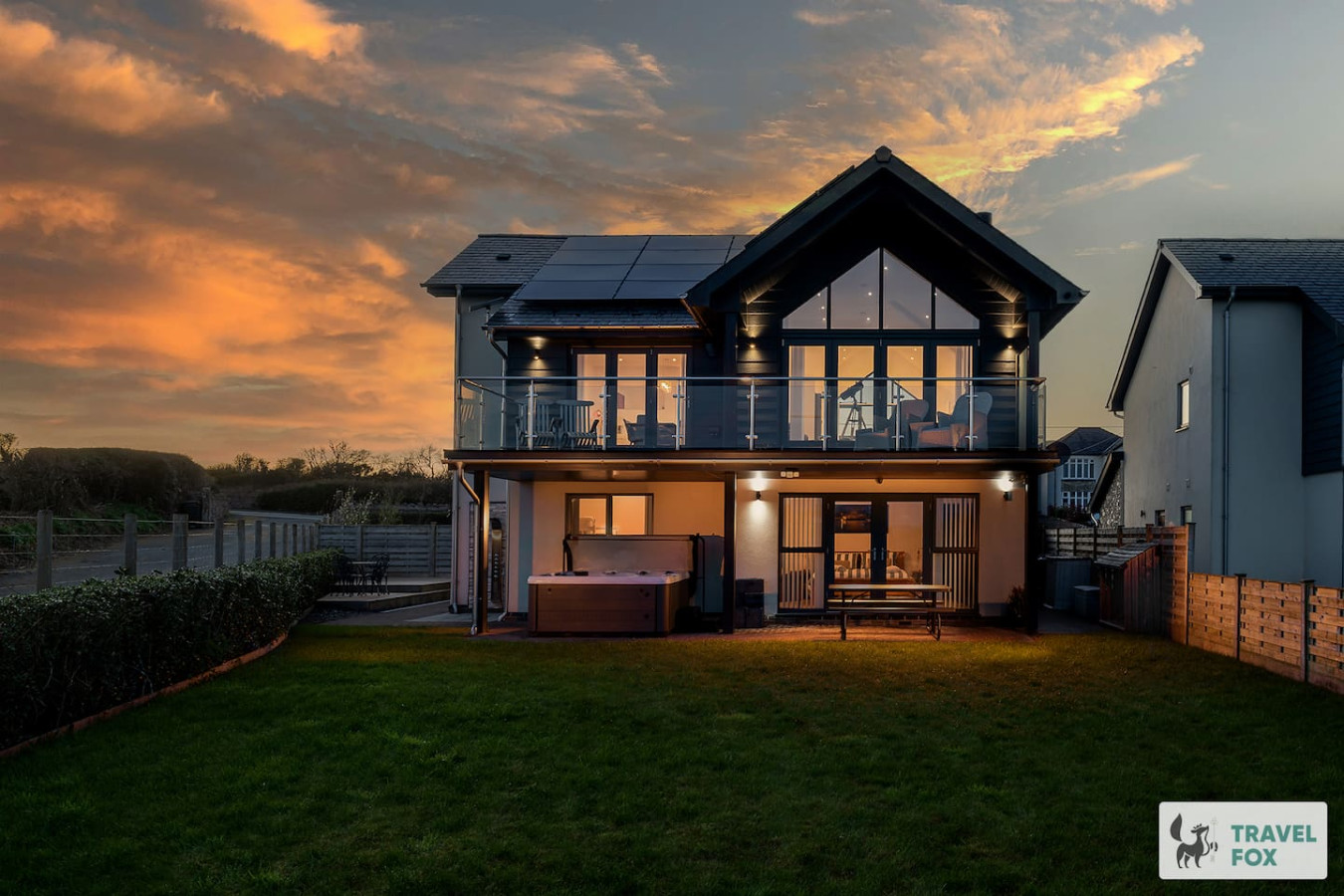
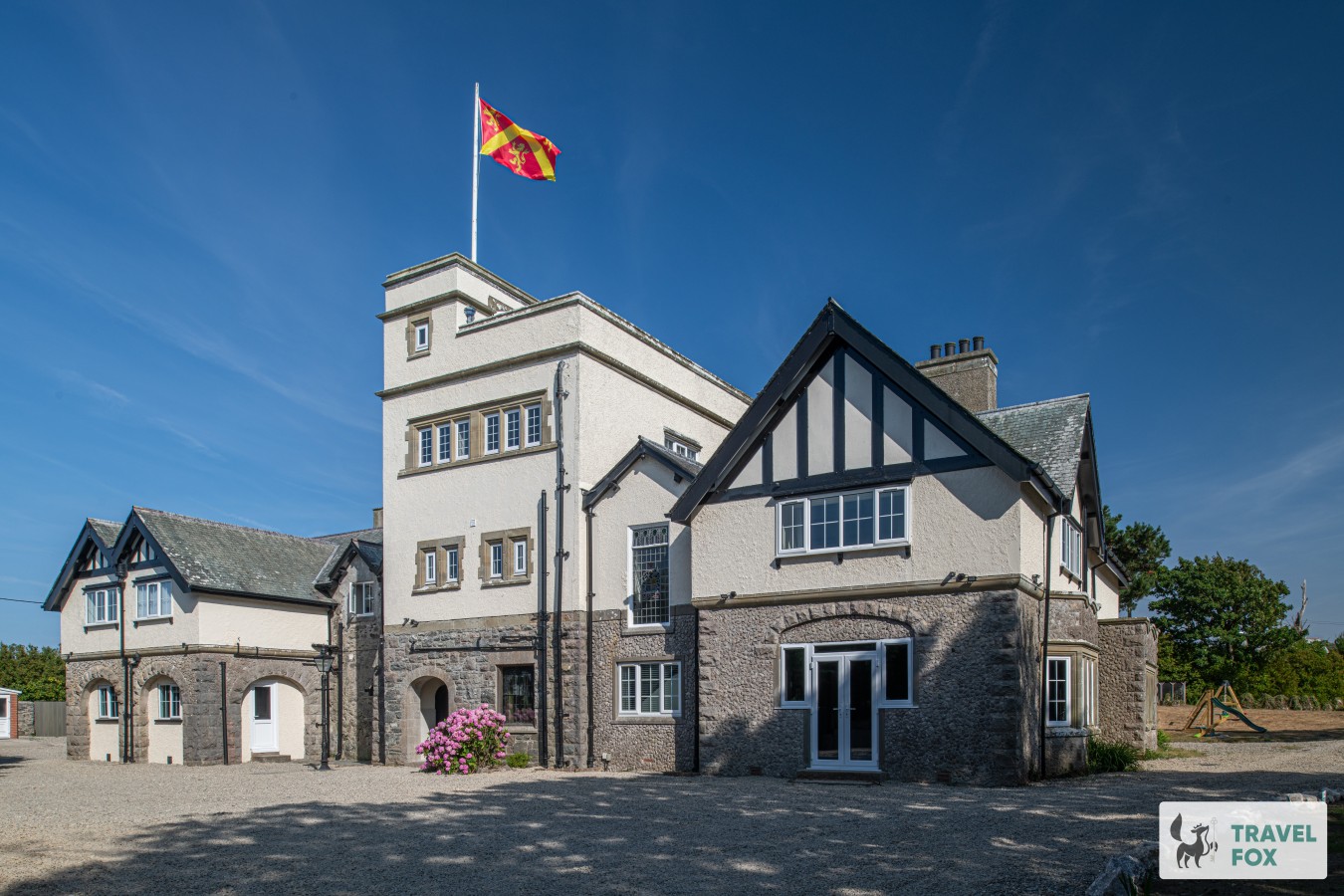
Travel Fox holiday homes around Anglesey, linked directly to their property pages.
For homeowners
Own a holiday home near Red Wharf Bay?
We manage holiday lets across Anglesey from 12% commission, charged after cleaning costs, with no lock-in. A co-founder visits before you decide.
Holiday let management in Anglesey →
A guide with a point of view
Written from research. Edited for real journeys.
Use the Official site links for live practical details, then use this guide for context, ideas and room to explore.
Photography credits & licences
Third-party photographs are credited to their named creators and reused under the linked Creative Commons licence or public-domain dedication. Travel Fox stores an optimised local copy; the file-specific changes and any browser-applied display crop are disclosed below. Reused photographs link both to the Wikimedia Commons source record and to the declared source image; Travel Fox's own photographs carry no such record and are marked as ours. These image licences do not cover Travel Fox text, branding or page design.
- File:The Ship Inn at Red Wharf Bay - geograph.org.uk - 2529583.jpg — photograph by Mat Fascione; The Ship Inn at Red Wharf Bay by Mat Fascione. Source record on Wikimedia Commons. Declared source image. Licence: CC BY-SA 2.0. File changes: Downloaded from Wikimedia Commons, resized to a maximum 1920px edge and encoded as an optimised JPEG. Display changes: Displayed with responsive CSS cropping.
Sources
Every place on this page is checked against a published source. Each entry links the record we used and names who publishes it.
- The Ship Inn — shipinnredwharfbay.co.uk operator, sector body or destination organisation
- The Tavern on the Bay — thetavernonthebay.co.uk operator, sector body or destination organisation
- The Boathouse — theboathouseanglesey.com operator, sector body or destination organisation
- Red Wharf Bay Beach — visitanglesey.co.uk operator, sector body or destination organisation
- Isle of Anglesey Coastal Path — walescoastpath.gov.uk statutory register or public authority
- Llanddona Circular — visitanglesey.co.uk operator, sector body or destination organisation
- Pentraeth Forest / Mynydd Llwydiarth — naturalresources.wales other published source