
Anglesey's watersports village
Rhosneigr
Wide sand, windsurfing and kitesurfing meet a bird-rich lake, village tables and a coast marked by wrecking stories and prehistoric remains.
- Best for
- Windsurfing, kitesurfing and beach time
- Give it
- A watersports-and-walking day
- Don't miss
- Llyn Maelog and Traeth Llydan
The Fox verdict
Come for the water, stay for the lake and coast
Rhosneigr combines one of the UK's best-known watersports settings with wide beaches, an easy lake circuit and strong places to eat.
It works especially well when you want active time on the water without giving up birdwatching, coastal history or a relaxed meal in the village.
Where to go
Places in Rhosneigr
Every place below is checked against a published source, listed with what it is and how long to give it.
Local signatures
3 placesThe Funsport Surf Shop
Rhosneigr's watersports hub, offering windsurfing and kitesurfing instruction plus equipment sales and hire.
- Visit length
- Editorial estimate: Allow around 2 hours
- Locality
- at the bottom of Beach Road
Llyn Maelog Circular
An easy 3.6 km circuit around the 59-acre SSSI lake and back along Traeth Llydan, with birdwatching along the way.
- Visit length
- Editorial estimate: Allow around 45 minutes
- Locality
- around Llyn Maelog behind the village
- Access
- The circular is not suitable for prams.
Sandy Mount House
The former Sandymount pub reinvented as a contemporary beach-house restaurant and bar with seven rooms upstairs.
- Visit length
- Editorial estimate: Allow around 75 minutes
- Locality
- Rhosneigr
Food & drink
1 placeMojo's Rhosneigr
A licensed café, restaurant and bar known for crêpes and galettes, and an eating institution in Rhosneigr since 2005.
- Visit length
- Editorial estimate: Allow around 1 hour
- Locality
- Marine Terrace / High Street
Walks & outdoors
1 placeTraeth Llydan (Broad Beach)
A wide golden beach with clear water, sand dunes and rocky outcrops, and a regular Green Coast Award winner.
- Visit length
- Editorial estimate: Allow around 1 hour
- Locality
- Rhosneigr's south-west coast
History & heritage
2 placesBarclodiad y Gawres
A Neolithic cruciform passage grave with rare decorated stones bearing spirals, zigzags, lozenges and chevrons.
- Visit length
- Editorial estimate: Allow around 1 hour
- Locality
- on the coast between Rhosneigr and Aberffraw
St Cwyfan's Church
A twelfth-century church on the tidal islet of Cribinau, widely known as the Church in the Sea.
- Visit length
- Editorial estimate: Allow around 45 minutes
- Locality
- on the tidal islet of Cribinau near Aberffraw
- Access
- Reachable only at low tide across a causeway.
No places match this filter. Choose All places to reset the list.
Three ways to explore Rhosneigr
Signature outings
Traeth Llydan's Wide Shore
Take in the wide golden beach, clear water, dunes and rocky outcrops of regular Green Coast Award winner Traeth Llydan.
Sandy Mount House
Stop at Sandy Mount House for a meal in its contemporary beach-house restaurant and bar.
The Church in the Sea
Cross the causeway at low tide to the twelfth-century St Cwyfan's Church on the islet of Cribinau.
The village story
Rhosneigr: Water, Food and a Storied Coast
The locked Travel Fox article moves from boards and village tables to coastal walking, wreckers, railways, fast jets and Admiral Horton.
Watersports on Broad Beach
At the bottom of Beach Road, the Funsport surf shop hires out boards and runs windsurfing and kitesurfing lessons, which is the reason a lot of people come to Rhosneigr in the first place. The village sits on the south-west corner of Anglesey, facing the Irish Sea across wide golden sand, and it has spent the last century as a watersports resort. Broad Beach — Traeth Llydan on the signs, and the signs are in Welsh here — regularly wins a Green Coast Award.
Food Around the Village
Sandy Mount House is the old Sandymount pub, reinvented as a beach-house restaurant with seven rooms upstairs. The menu runs to hand-stretched stone-baked pizzas, belly pork, fish and chips, and lamb with linguine, with a separate vegan menu and a kids' menu. Reviews are good; the one recurring complaint is that the chips can be frozen for the price. Sandy Mount House takes dogs and has a garden.
Mojo's, on Marine Terrace, has been a creperie and café since 2005 and calls itself an eating institution, which after twenty years is fair enough. For the rest, there is Scarlett's for fish and chips and ice cream, Aydin's for pizza near the beach, and a Post Office and One Stop on the square that sells papers, coffee, groceries and coal. Janet Bell's gallery sells homewares and prints by the Anglesey artist whose name is over the door.
Lake Paths and the Crigyll Wreckers
Llyn Maelog is a 59-acre lake, an SSSI, full of birds — oystercatchers, plover, greylag geese. In 2011 it became the first lake in Wales to be classified as a village green. A path loops its shore and returns along Broad Beach, about 45 minutes, easy enough for children but not for prams. The Anglesey Coastal Path runs through the village; head south and it reaches Barclodiad y Gawres, a Neolithic passage grave, and St Cwyfan's, the twelfth-century church that sits on a tidal islet and is only reachable at low tide.
The history here is largely about wrecking. In the eighteenth century the men of Crigyll had a reputation for luring ships onto the reefs at the river mouth with lamps meant to look like Holyhead harbour. When some of them were tried at Beaumaris around 1741 the case collapsed — the judge, by most accounts, was drunk — and the poet Lewis Morris wrote a satirical ballad about the acquittal.
Railways, Fast Jets and Admiral Horton
The railway arrived in 1907 and turned the fishing village into a resort; trains still run, two-hourly on weekdays, east toward Shrewsbury and Birmingham. RAF Valley is next door, so fast jets pass overhead all day.
Admiral Sir Max Horton, the submarine commander, was born here. In 2019 the village clubbed together and put up a full-size statue of him.
Stay around Anglesey
Make a longer stay of it
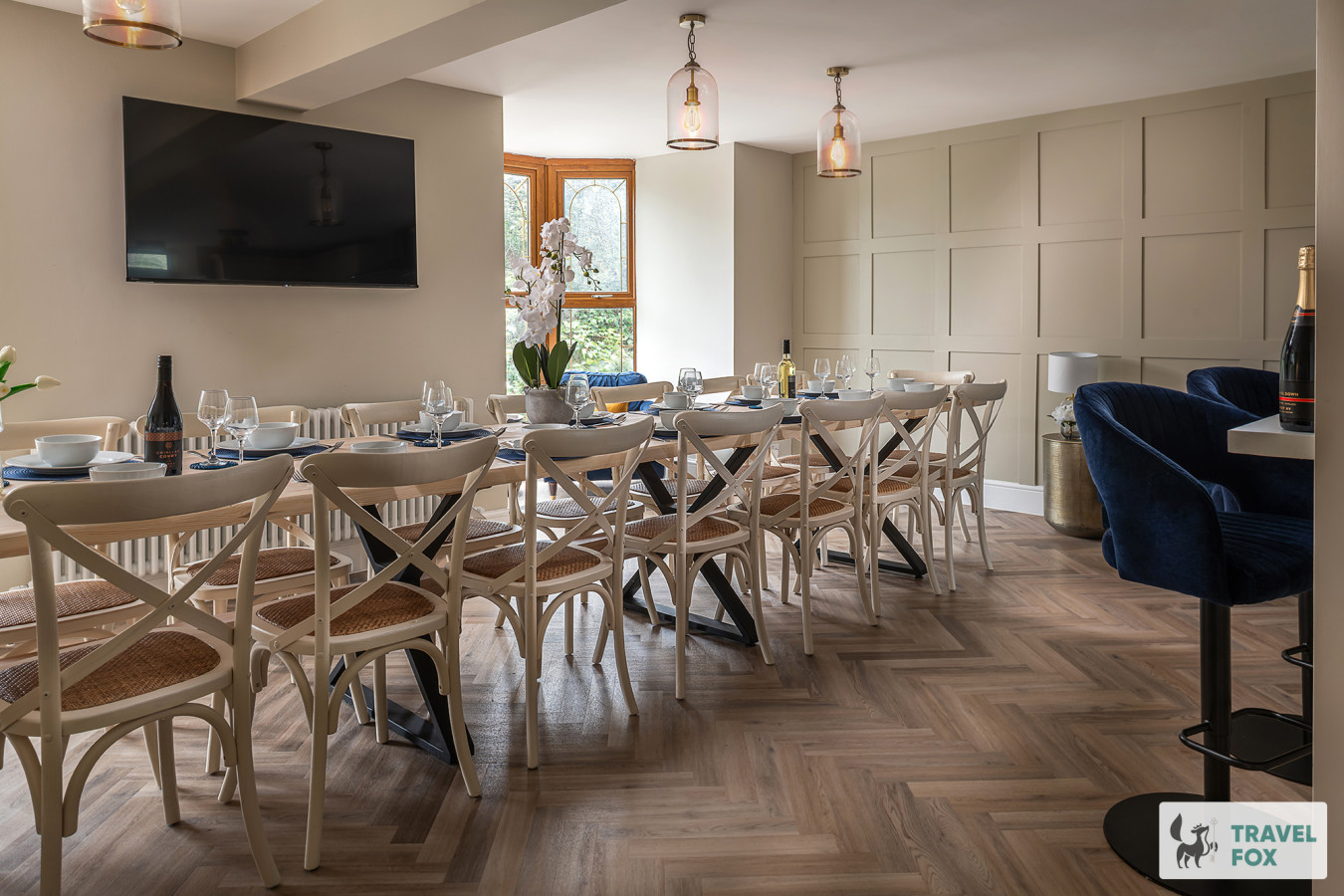
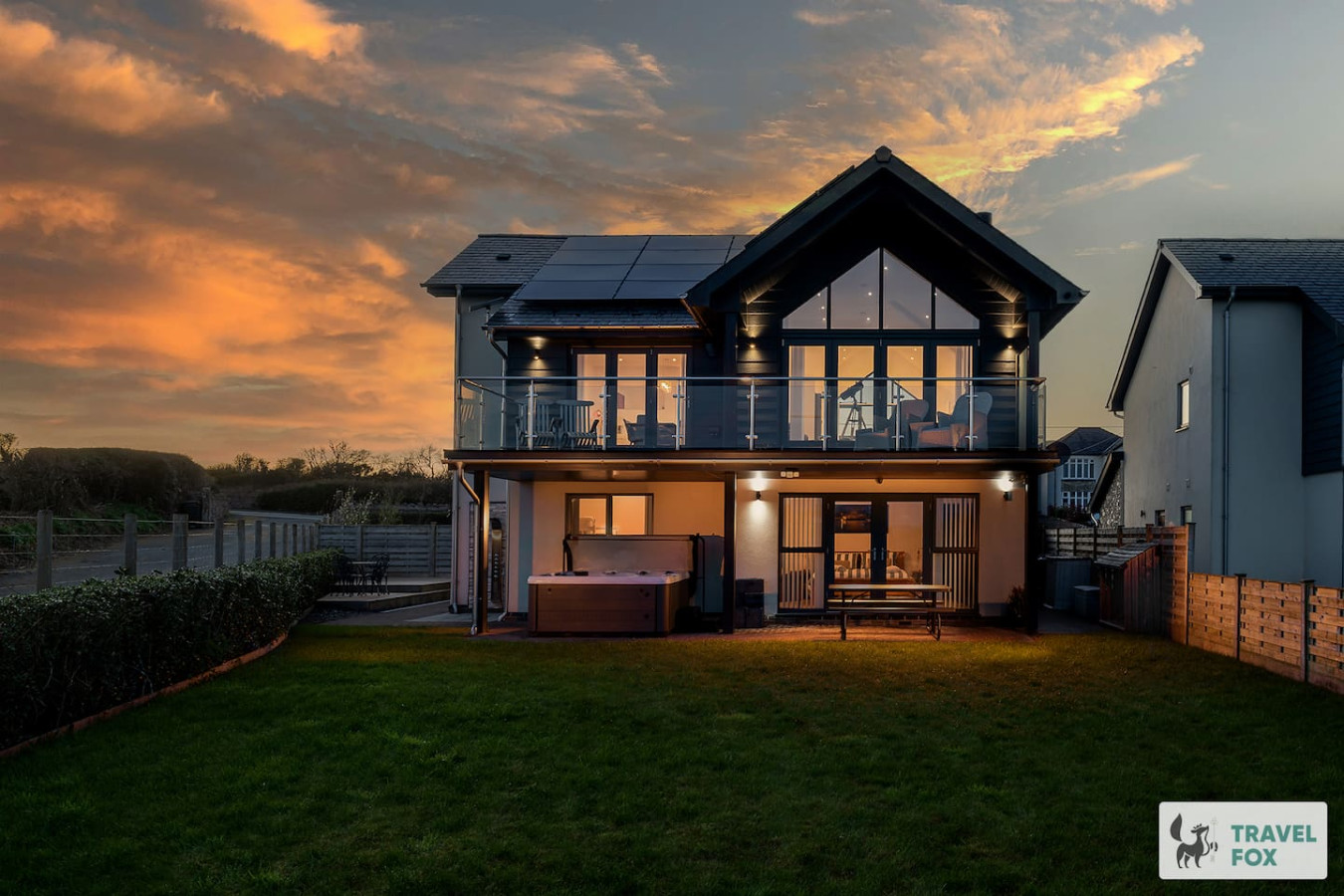
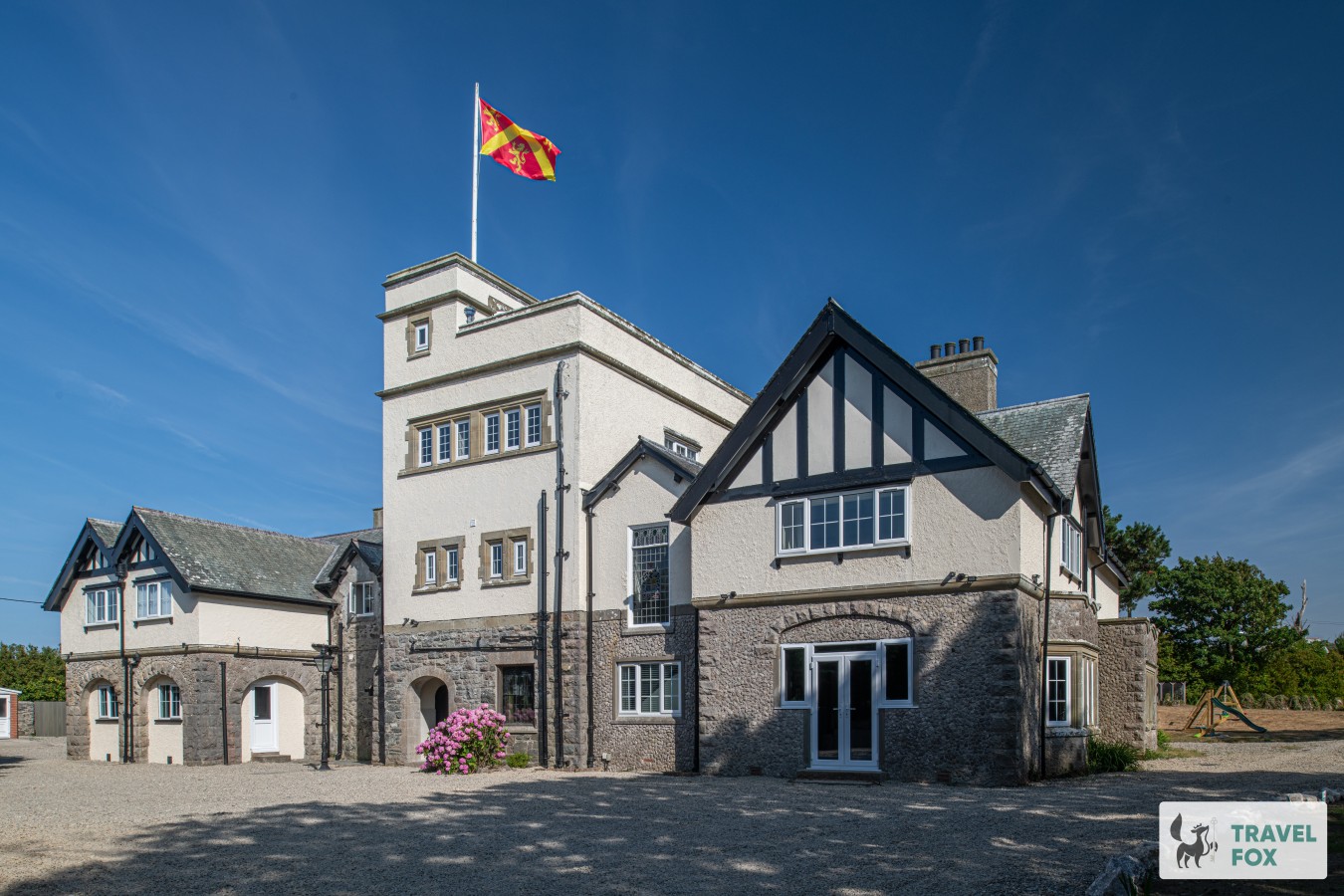
Travel Fox holiday homes around Anglesey, linked directly to their property pages.
For homeowners
Own a holiday home near Rhosneigr?
We manage holiday lets across Anglesey from 12% commission, charged after cleaning costs, with no lock-in. A co-founder visits before you decide.
Holiday let management in Anglesey →
A guide with a point of view
Written from research. Edited for real journeys.
Use the Official site links for live practical details, then use this guide for context, ideas and room to explore.
Sources
Every place on this page is checked against a published source. Each entry links the record we used and names who publishes it.
- The Funsport Surf Shop — funsportonline.co.uk operator, sector body or destination organisation
- Traeth Llydan (Broad Beach) — visitanglesey.co.uk operator, sector body or destination organisation
- Llyn Maelog Circular — visitanglesey.co.uk operator, sector body or destination organisation
- Sandy Mount House — sandymounthouse.co.uk operator, sector body or destination organisation
- Mojo's Rhosneigr — mojosrhosneigr.co.uk operator, sector body or destination organisation
- Barclodiad y Gawres — cadw.gov.wales statutory register or public authority
- St Cwyfan's Church — churchinwales.org.uk other published source