
Islay's southern gateway
Port Ellen
A planned harbour village wrapped around Loch Leòdamais, with peat smoke, coastal paths and Kildalton history all around.
- Best for
- Coastal walking and Kildalton history
- Give it
- Time for the coast in both directions
- Don't miss
- The Three Distilleries Path and Carraig Fhada
The Fox verdict
A harbour village at the source of Islay's peat smoke
Port Ellen combines an active ferry harbour with the classic walk to Islay's southern distilleries and a quieter shore of sand and lighthouse history.
The village is a practical gateway, but its strongest experiences lead out along the coast: east on the Three Distilleries Path, west across Kilnaughton Bay to Carraig Fhada and the Singing Sands, and farther by road to the Oa and Kildalton heritage sites.
Where to go
Places in Port Ellen
Every place below is checked against a published source, listed with what it is and how long to give it.
Local signatures
3 placesThree Distilleries Path
A largely tarmac coastal cycle and footpath from Port Ellen, passing Laphroaig and Lagavulin before reaching Ardbeg.
- Visit length
- Editorial estimate: Allow around 3 hours
- Locality
- from Port Ellen to Ardbeg
- Access
- The path is metalled and largely tarmac, mostly flat with one small hill, and described in the brief as suitable for pushchairs and wheelchairs.
Dunyvaig Castle
The ruins of a 14th-century MacDonald stronghold and naval base from the era of the Lords of the Isles.
- Visit length
- Editorial estimate: Allow around 45 minutes
- Locality
- overlooking Lagavulin Bay
Port Ellen Community Hub and Playing Fields
A community sports ground whose replacement hub opened in summer 2025 with play areas, motorhome stances and a shower and toilet block.
- Visit length
- Editorial estimate: Allow around 30 minutes
- Locality
- adjacent to the filling station on Charlotte Street
Walks & outdoors
2 placesSinging Sands (Tràigh Bhàn)
A secluded beach where the sand squeaks or sings when scuffed underfoot, with views back to Port Ellen.
- Visit length
- Editorial estimate: Allow around 1 hour
- Locality
- past Carraig Fhada
Mull of Oa and American Monument
A 30–60 minute reserve walk to the clifftop monument erected in 1920 for US servicemen lost in the 1918 wrecks of the Tuscania and Otranto.
- Visit length
- Editorial estimate: Allow around 45 minutes for the monument walk
- Locality
- at the RSPB Oa reserve
History & heritage
3 placesCarraig Fhada Lighthouse
An unusual square white tower, about 57 feet high, built in 1832 by Walter Frederick Campbell in memory of Lady Eleanor Campbell.
- Visit length
- Editorial estimate: Allow around 45 minutes
- Locality
- at Kilnaughton Bay
Kildalton Cross and Old Church
An 8th-century Celtic high cross, described in the brief as one of the finest complete examples in Scotland, standing in an old churchyard.
- Visit length
- Editorial estimate: Allow around 45 minutes
- Locality
- in the old churchyard
St John's Church
A small 1897–1898 Arts and Crafts mission church designed by Arthur George Sydney Mitchell, with a distinctive belfry and broached spire.
- Visit length
- Editorial estimate: Allow around 20 minutes
- Locality
- facing Loch Leòdamais
No places match this filter. Choose All places to reset the list.
Three ways to explore Port Ellen
Signature outings
Scotland's Square Lighthouse
Cross Kilnaughton Bay to the square white Carraig Fhada tower, built in 1832 in memory of Lady Eleanor Campbell.
The Oa's American Monument
Follow the reserve walk to the clifftop monument commemorating US servicemen lost in the Tuscania and Otranto wrecks of 1918.
Kildalton's Complete High Cross
See the 8th-century Celtic high cross standing in the old churchyard on the Kildalton coast.
The village story
Port Ellen Village Guide
Peat smoke, a working harbour and two very different coastal journeys frame Port Ellen's long whisky and community story.
Peat Smoke, Harbour and Hotel
The first thing you notice about Port Ellen, before the ferry has even finished tying up, is the smell. On a still day the peat reek from the maltings settles over the whole village, and Malt Maniacs put it more honestly than most tourist boards would dare: the reek "can be hardly tolerable at times, at least for the Islay westerner." It comes from the Port Ellen Maltings at the north end, a large industrial block that dominates the skyline and burns six tons of peat per batch, roughly eleven batches a week. This is the only commercial maltings on the entire west coast of Scotland, and the only one still kilning with peat. Seven of Islay's eight distilleries buy their smoke here. You are, in other words, standing at the source.
The village itself is low and pale and single-street-deep for much of its length, wrapped around the sheltered curve of Loch Leòdamais. White and pastel cottages line the water, an active harbour sits in the middle of it all, and the CalMac ferry from Kennacraig docks right beside it. Undiscovered Scotland calls it "exceptionally photogenic," and for once the phrase does the work. By 1836 it was being described as "a showy village, with paved streets and handsome, two-storey houses, built of stone and mortar, and slated," which was high praise for a place that was fifteen years old at the time.
Two pubs anchor the eating and drinking. The Islay Hotel sits right beside the harbour and ferry terminal, recently rebuilt on the footprint of the old hotel, with thirteen bedrooms and a dedicated Whisky Bar holding more than a hundred Islay malts — one of the best collections on the island. The kitchen leans on what lands and grazes nearby: peat-smoked mussels, crab, game from local estates, Argyll beef and lamb. The open sandwiches and chips in the bar get called "well made, tasty and at a good price," and one TripAdvisor diner reported that "our meals were excellent and the waiting staff were friendly and attentive." It isn't universally loved — some visitors note there's no whisky menu to hand and slim pickings for vegetarians — but live musicians play the Whisky Bar regularly, one guest room is named after the Fèis Ìle festival, and during that festival in late May the tables book out months ahead.
Pubs, Provisions and the Distillery Path
The Ardview Inn is the other kind of pub entirely. Traditional, local, a jukebox and a pool table, reasonably priced beer and a wide run of Islay whisky. Somebody on TripAdvisor called it "the best whisky bar in Port Ellen," which is a bold thing to say in a town with the Islay Hotel down the road, but the Ardview is where locals and visitors end up mixed together, and the haggis and the freshly caught seafood do the rest. The old White Hart Hotel, once a restaurant, has closed and reopened as No. 1 Charlotte Street, now aimed more at the town's younger crowd and no longer serving the meals it used to.
For everything else there's a Co-op near Frederick Crescent for the weekly shop, a Post Office that doubles as a gift and craft shop, and a filling station on Charlotte Street with camper and car-wash facilities — worth knowing if you've arrived on the ferry with an empty tank and a long island ahead of you.
The reason most people come, though, is the walk east. The Three Distilleries Path runs off-road along the coast, a metalled, largely tarmac track that is mostly flat with one small hill, suitable for pushchairs and wheelchairs alike. It's roughly a mile to Laphroaig, another mile to Lagavulin, a third to Ardbeg — three of the most famous names in Scotch whisky, strung out along five and a half kilometres of shoreline. Six miles round trip if you walk both ways, or you can let a bus carry you back from Ardbeg once your legs and your resolve have gone. It is the classic Islay pilgrimage, and it starts at the edge of the village.
Western Sands, Eastern History and Origins
The other direction is quieter and, if anything, better. Cross the fine sand of Kilnaughton Bay and you reach Carraig Fhada Lighthouse, a square white tower about fifty-seven feet high — the only square lighthouse in Scotland. It was built in 1832 by Walter Frederick Campbell, the Laird of Islay, in memory of his wife Lady Eleanor, who died aged thirty-six that same year. It has no lantern, just a small beacon. Keep going past it and you come to Tràigh Bhàn, the Singing Sands, where the sand squeaks and sings when you scuff it underfoot, with the whole of Port Ellen laid out across the water behind you. Further afield, a twenty- to thirty-minute drive brings you to the RSPB reserve at the Mull of Oa and a walk out to the clifftop American Monument, put up in 1920 by the American Red Cross to the US servicemen lost when the Tuscania and the Otranto went down off Islay in 1918.
There is more history out along the Kildalton coast than any one visit will use up. Just south of Kildalton, overlooking Lagavulin Bay, stand the ruins of Dunyvaig Castle, a fourteenth-century MacDonald stronghold and naval base from the days of the Lords of the Isles. Seven and a half miles northeast, in an old churchyard, is the Kildalton Cross — an eighth-century Celtic high cross, one of the finest complete examples in Scotland. Neither needs a ticket, and both reward the drive.
Port Ellen was built on purpose. Campbell founded it in 1821 as a planned herring-fishing settlement and named it Port Ellinor, after Lady Eleanor Charteris, his wife — the same wife the lighthouse remembers. The name softened over time to Port Ellen. A pier arrived in 1847. The herring are long gone, and in the early 1900s the local boats had moved on to working the Mull of Oa for saithe and setting lobster creels instead.
Whisky Reborn, Ramsay and St John's
The whisky, meanwhile, has a stranger story. Port Ellen Distillery was established around 1825, closed in 1927, reopened in 1967, and closed again in 1983 — after which it spent forty-one years as one of Scotch whisky's most legendary "ghost" distilleries, its remaining bottles fetching collectors' prices precisely because no more would ever be made. Except they would. On 19 March 2024 it reopened, the closing chapter of a £185 million investment by Diageo, complete with "Phoenix Stills" built as replicas of the originals and a set of experimental stills feeding a Ten Part Spirit Safe. It celebrated its two-hundredth anniversary in 2025, which is an odd milestone for a place that spent forty-one of those years silent.
The village's most quietly remarkable figure is John Ramsay of Kildalton, a Liberal MP who took a lease on the struggling distillery in 1836 and ended up controlling all five distilleries along the Kildalton coast. In the 1860s, with many of his tenants impoverished, he financed their emigration to Canada, arranging reduced steamship fares and sometimes paying the fares himself. In 1870 he crossed the Atlantic to visit them in Ontario — the only Scottish laird known to have made that journey after presiding over such clearances. The village hall, Ramsay Hall, still carries the family name, and the travelling Screen Machine cinema parks opposite it when it visits.
The church here is St John's, a small single-storey Arts and Crafts mission church built in 1897 and dedicated in 1898, designed by Arthur George Sydney Mitchell with a distinctive belfry and broached spire, facing straight out at the loch. Islay's famous round church — built at Bowmore in 1767, reputedly circular so the Devil had no corner to hide in — is ten miles north and not in Port Ellen at all, though people will tell you otherwise.
Arriving, Gathering and Festival Time
Getting here is a small commitment in itself. The CalMac ferry from Kennacraig takes about two hours, with a seasonal Kintyre Express running across to Ballycastle in Northern Ireland between April and October. Islay Airport is five miles north at Glenegedale, with Loganair flights from Glasgow taking about thirty-five minutes and the number 451 bus covering the airport-to-village run in around eleven. Local buses 450 and 451 thread the island together — Portnahaven, Port Askaig, Bowmore, the airport, Port Ellen — with the Ardbeg extension serving the distilleries, and Scottish Citylink connects Glasgow's Buchanan Street to the Kennacraig ferry.
The playing fields sit next to the filling station on Charlotte Street, where the much-loved 1950s pavilion — sixty years in service — was condemned in 2021 and replaced by a new community hub with play areas and motorhome stances that opened in the summer of 2025. Machrie golf links are three miles out, the beaches are a short walk, and in summer Columba Hall on Frederick Crescent puts on community lunches on a Thursday.
The island's calendar is worth planning around. Fèis Ìle, the Islay Festival of Music and Malt, takes over the whole island in late May and is the reason the Islay Hotel's tables vanish months in advance. In November the Islay Sessions bring traditional folk to the village, hosted by the Fraser Shaw Trust in memory of the piper and whistle player it's named for. George Robertson, who grew up to run NATO, was born here in 1946 and took his birthplace into his title when he became a baron. Not bad for a herring town that spent four decades famous for a distillery that wasn't making anything.
Stay around Argyll
Make a longer stay of it
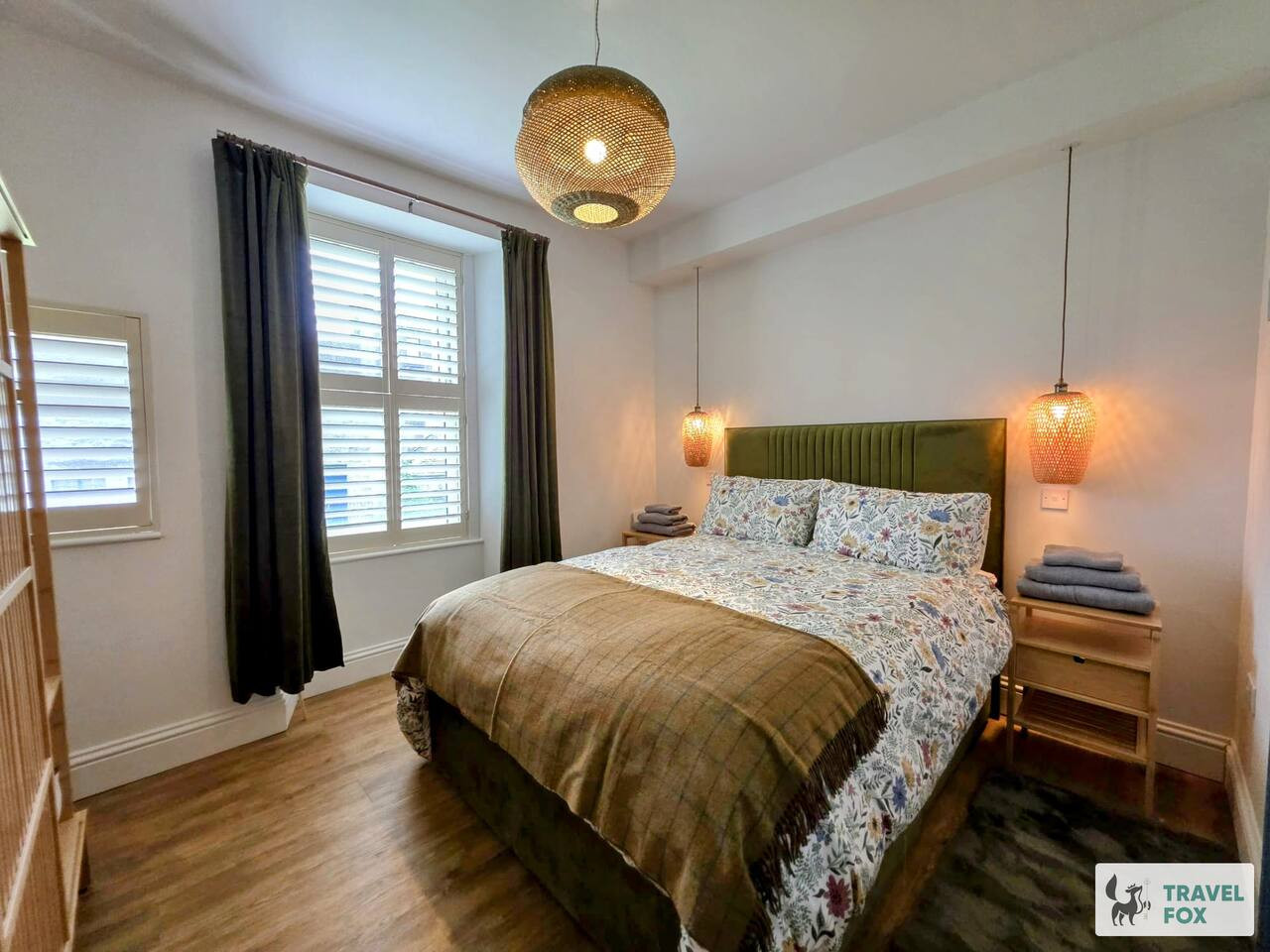
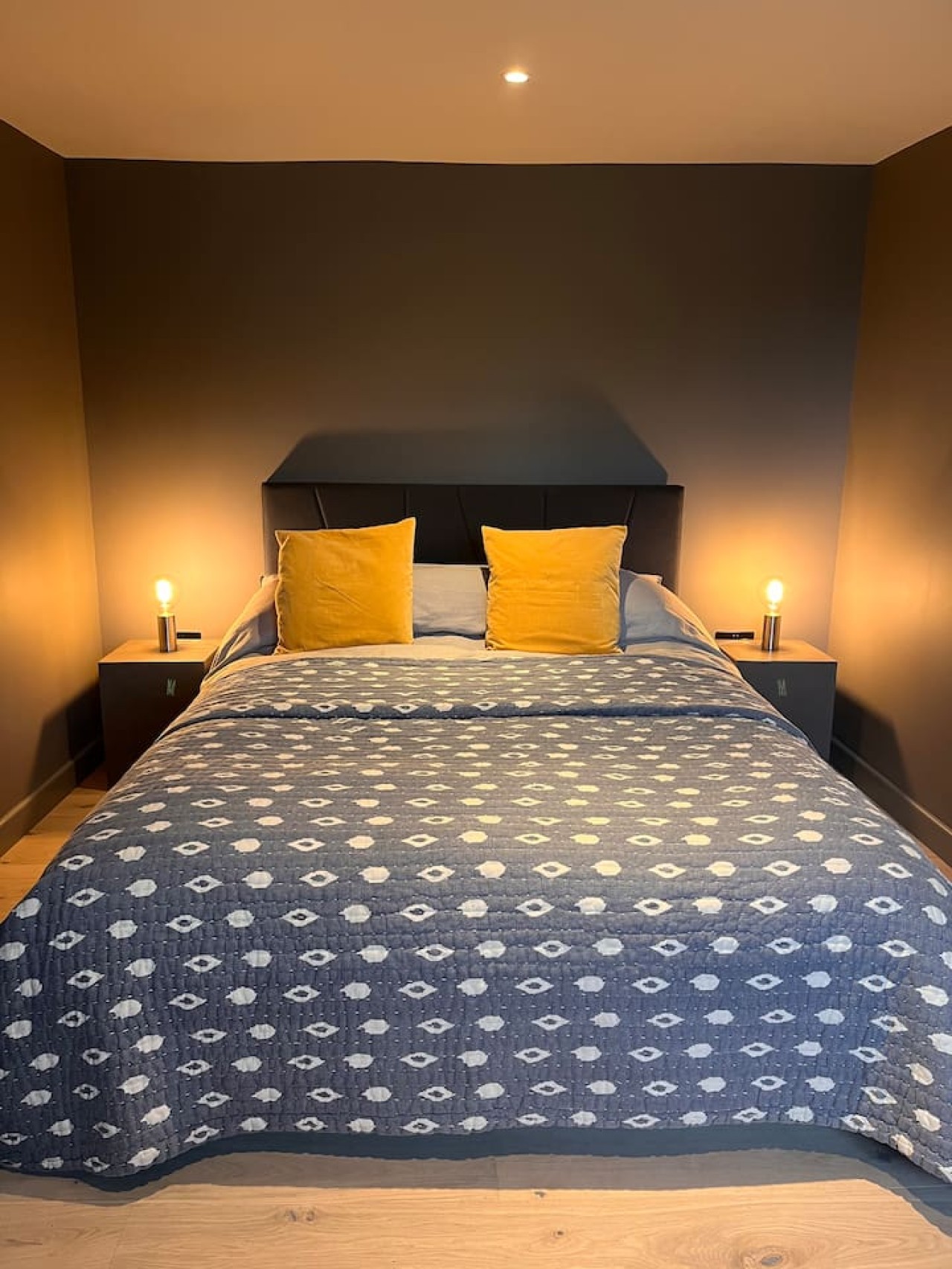
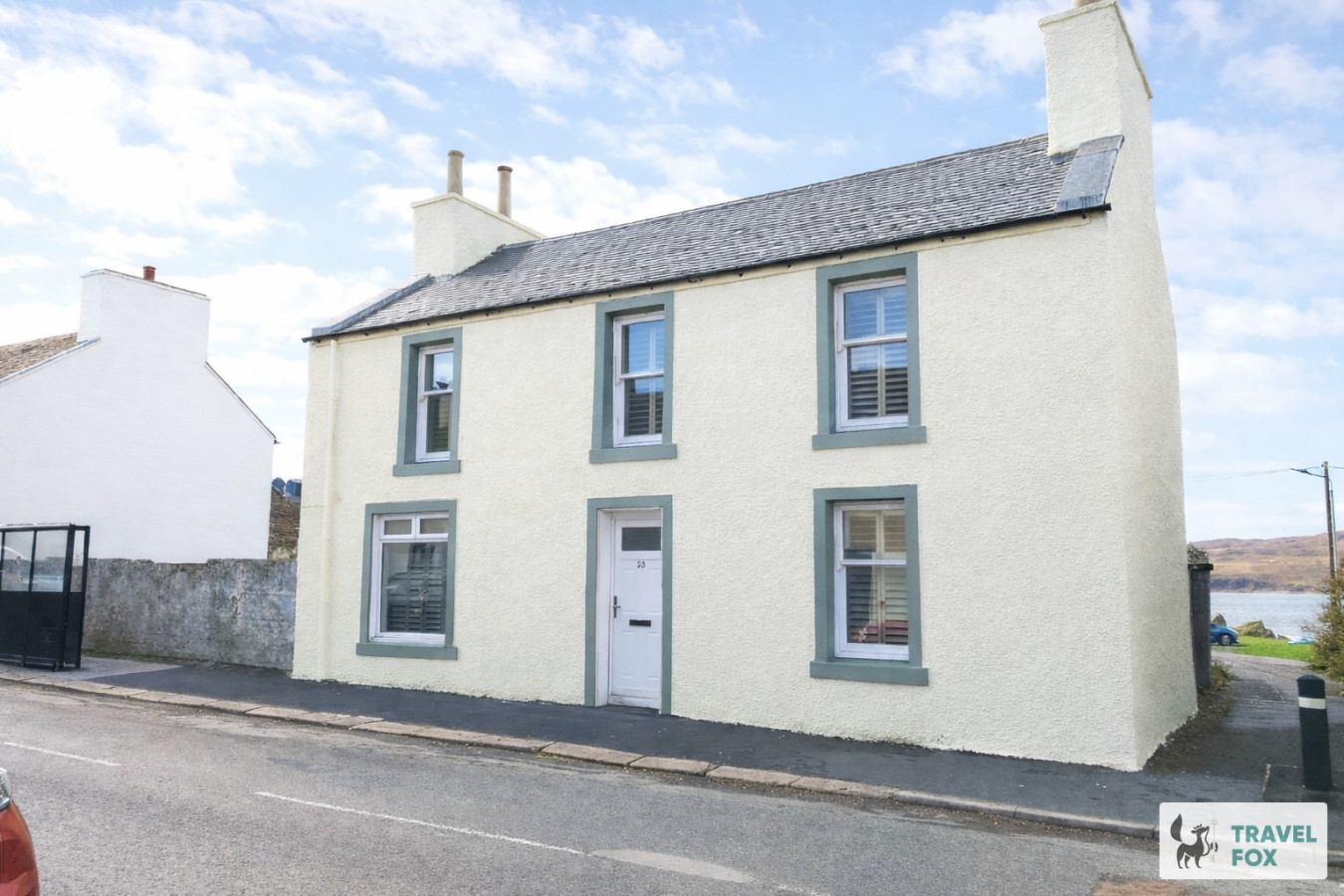
Travel Fox holiday homes around Argyll, linked directly to their property pages.
A guide with a point of view
Written from research. Edited for real journeys.
Use the Official site links for live practical details, then use this guide for context, ideas and room to explore.
Sources
Every place on this page is checked against a published source. Each entry links the record we used and names who publishes it.
- Three Distilleries Path — argyll-bute.gov.uk statutory register or public authority
- Carraig Fhada Lighthouse — portal.historicenvironment.scot statutory register or public authority
- Singing Sands (Tràigh Bhàn) — visitscotland.com operator, sector body or destination organisation
- Mull of Oa and American Monument — portal.historicenvironment.scot statutory register or public authority
- Dunyvaig Castle — portal.historicenvironment.scot statutory register or public authority
- Kildalton Cross and Old Church — historicenvironment.scot statutory register or public authority record not machine-readable; publisher restricts automated access
- St John's Church — portal.historicenvironment.scot statutory register or public authority
- Port Ellen Community Hub and Playing Fields — argyll-bute.gov.uk statutory register or public authority