
Islay's far south-west shore
Port Wemyss
A community-kept coastal path, curious seals and an island lighthouse shape this small planned fishing village.
- Best for
- Coastal walking and seal watching
- Give it
- A short, low-level coastal outing
- Don't miss
- The old harbour view towards Orsay
The Fox verdict
A small village with a wide maritime outlook
Come for the Fisherman's Path and the view to Orsay; continue into neighbouring Portnahaven for seals, the shared church and provisions.
Port Wemyss rewards a slow visit. Its short coastal path passes the old harbour and pier, while the lighthouse on Orsay fixes the view across the channel. The village's story is also tied closely to Portnahaven, from the church's traditionally divided doors to the seals watched from the bay.
Where to go
Places in Port Wemyss
Every place below is checked against a published source, listed with what it is and how long to give it.
Local signatures
3 placesPortnahaven and Port Wemyss Parish Church
A Category B listed T-plan church completed in 1828, with two south doors traditionally divided between Portnahaven and Port Wemyss residents.
- Visit length
- Editorial estimate: Allow around 30 minutes
- Locality
- Portnahaven
Rhinns of Islay Lighthouse
Robert Stevenson's Category A listed lighthouse was built on Orsay in 1825 and forms the defining outlook from Port Wemyss.
- Visit length
- Editorial estimate: Allow around 20 minutes for the view
- Locality
- on Orsay
Portnahaven Spar and Post Office
The neighbouring village's one general store also serves as its post office and is the provision stop named in the research.
- Visit length
- Editorial estimate: Allow around 15 minutes
- Locality
- Portnahaven, opposite the village beach entrance
Walks & outdoors
1 placeRàthas nan Lasgairean (Path of the Fisherman)
A short, well-maintained coastal path passing an old harbour and pier, with views to Orsay and chances to see seals, otters, bottlenose dolphins and seabirds.
- Visit length
- Editorial estimate: Allow around 60 minutes
- Locality
- running the length of Port Wemyss
Things to do
1 placePortnahaven Bay seal watching
Watch grey seals from the shore at Portnahaven Bay; the research describes them as curious and says they often observe the observers.
- Visit length
- Editorial estimate: Allow around 30 minutes
- Locality
- Portnahaven Bay
No places match this filter. Choose All places to reset the list.
Three ways to explore Port Wemyss
Signature outings
A path kept by its village
Follow the community-maintained path past Port Wemyss's old harbour and pier, looking across to Orsay.
A rivalry in stone
Notice the church's two south doors, traditionally used separately by residents of Portnahaven and Port Wemyss.
Portnahaven's curious seals
Pause on the shore at Portnahaven Bay for the grey seals that often observe the observers.
The village story
Port Wemyss Village Guide
A coastal path, a shared church and an older lighthouse tell the story of Islay's far south-west corner.
The path the village keeps
A short coastal path runs the length of Port Wemyss, from one end of the village to the other, past an old harbour and pier. It's called Ràthas nan Lasgairean, the Path of the Fisherman, and it was built and is kept up by the people who live here, on donations. There's an information sign halfway along and parking at the east end. islay.scot calls the old harbour "one of the nicest spots on Islay to watch a sunset."
The village is a line of white-washed cottages and terraced houses on the shore, gardens well tended, looking across a narrow channel to Orsay — a small tidal island with a lighthouse on it. The water in between is treacherous and notorious for shipwrecks. Grey seals haul out on Orsay below the light. From the path you might also see otters, the occasional bottlenose dolphin working the tidal currents, and a great many sea birds.
Two villages, one set of essentials
Port Wemyss has no pub. It never had a church, or a shop. For all three you walk a few hundred yards north to Portnahaven, which is close enough that the two villages are effectively one, divided only by a burn near Burnside Lodge. Portnahaven has the Spar and post office, opposite the beach.
Until recently it also had An Tigh Seinnse — Gaelic for "the house of singing" — said to be the last remaining pub in this part of Islay. It closed in early 2026, which leaves both villages without one.
Two church doors
The church the two share sits in Portnahaven and was finished in 1828, a Parliamentary church built with government money to serve remote Highland parishes and designed by Thomas Telford. It has two doors on the south front. By tradition one was for Portnahaven residents and the other for Port Wemyss, a division that reflected a rivalry between the villages said to cause friction at weddings.
Wednesday mornings there's coffee and cake in the church — "T in the Church" — which is one way the arrangement holds together.
The lighthouse before the village
The lighthouse across the water is older than the village. Robert Stevenson built it on Orsay in 1825, a rubble tower about 29 metres tall, and it was manned until 1998; the keepers latterly came and went by helicopter from Oban. Port Wemyss arrived seven years later, in 1832, founded by Walter Frederick Campbell to rehouse people cleared from inland Islay and retrain them as fishermen. He named it after his father-in-law, the 8th Earl of Wemyss. The fish caught here was cured and traded to Ireland, which is where most of the village's goods came back from.
For a fishing village it sits oddly far back from the water, up above the shore — the fertile ground by the sea was kept for crofts.
The far end of the road
Getting here is seven miles of single-track road from Port Charlotte, at the far south-western corner of the island. The 450 bus runs from the village out through Bowmore to Port Ellen, about seventy-five minutes to Bowmore. There is no railway on Islay; the nearest is a ferry and a long drive away on the mainland.
The seals, for their part, are curious, and — islay.scot again — "often observe the observers."
Stay around Argyll
Make a longer stay of it
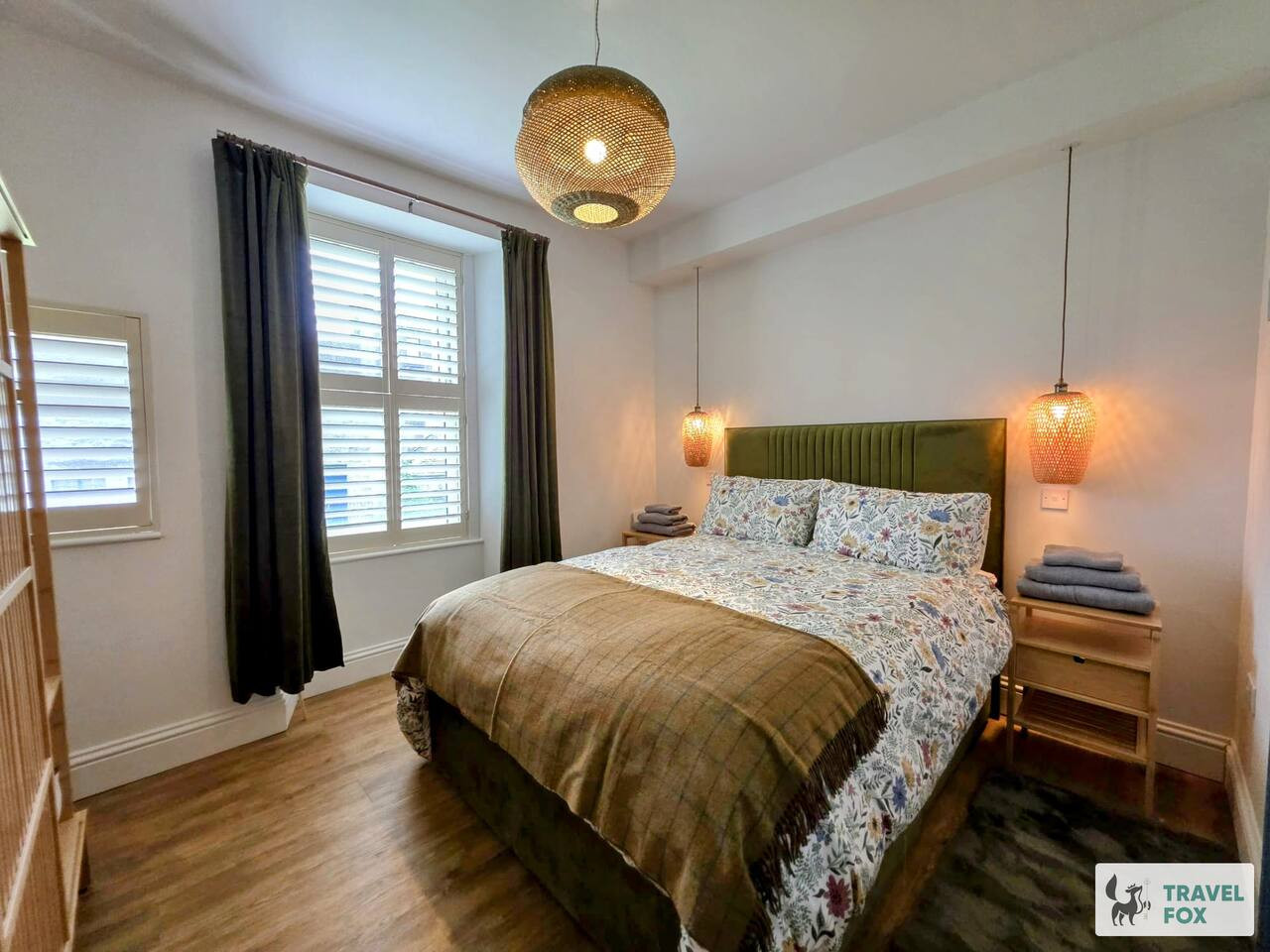
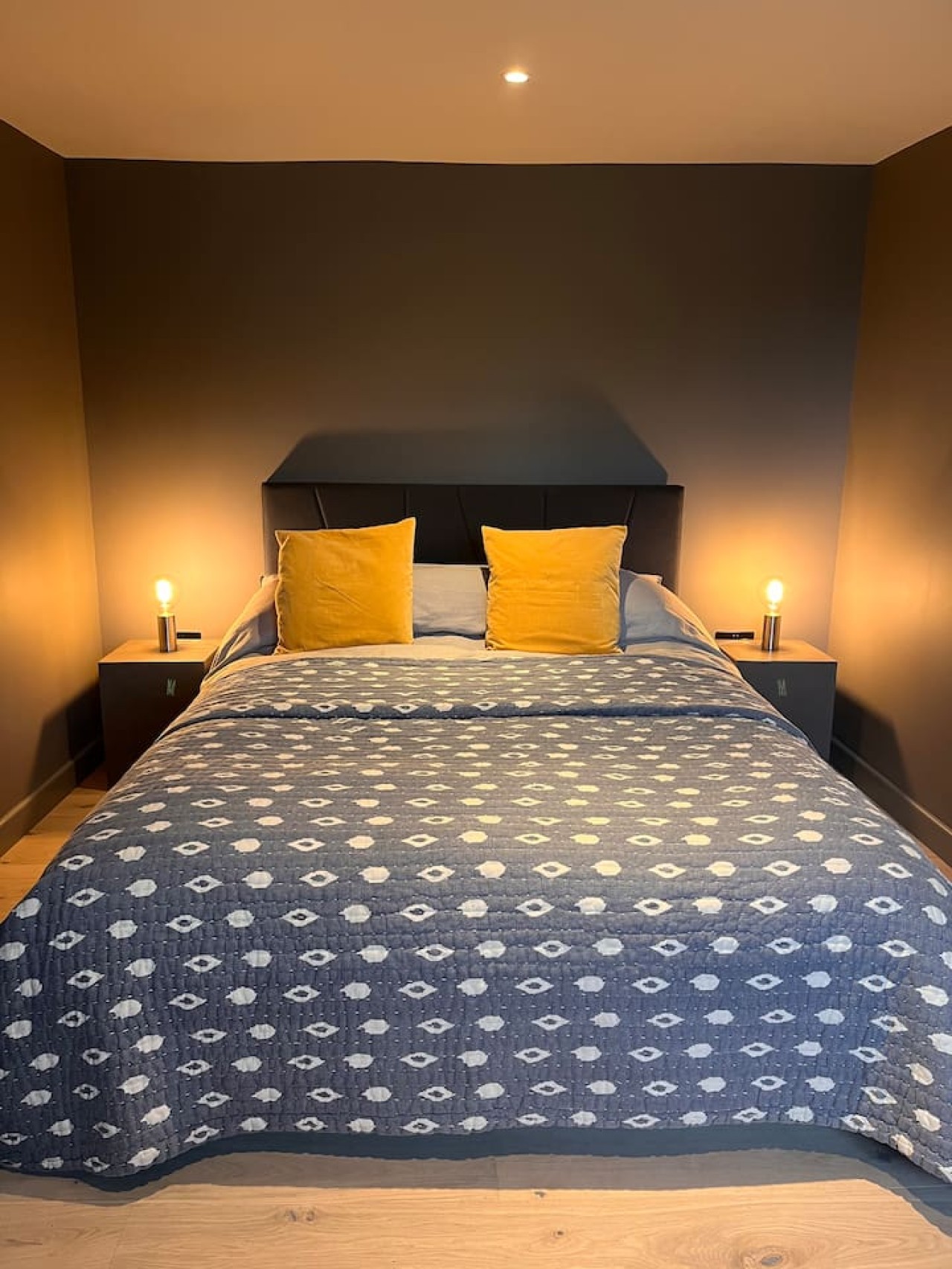
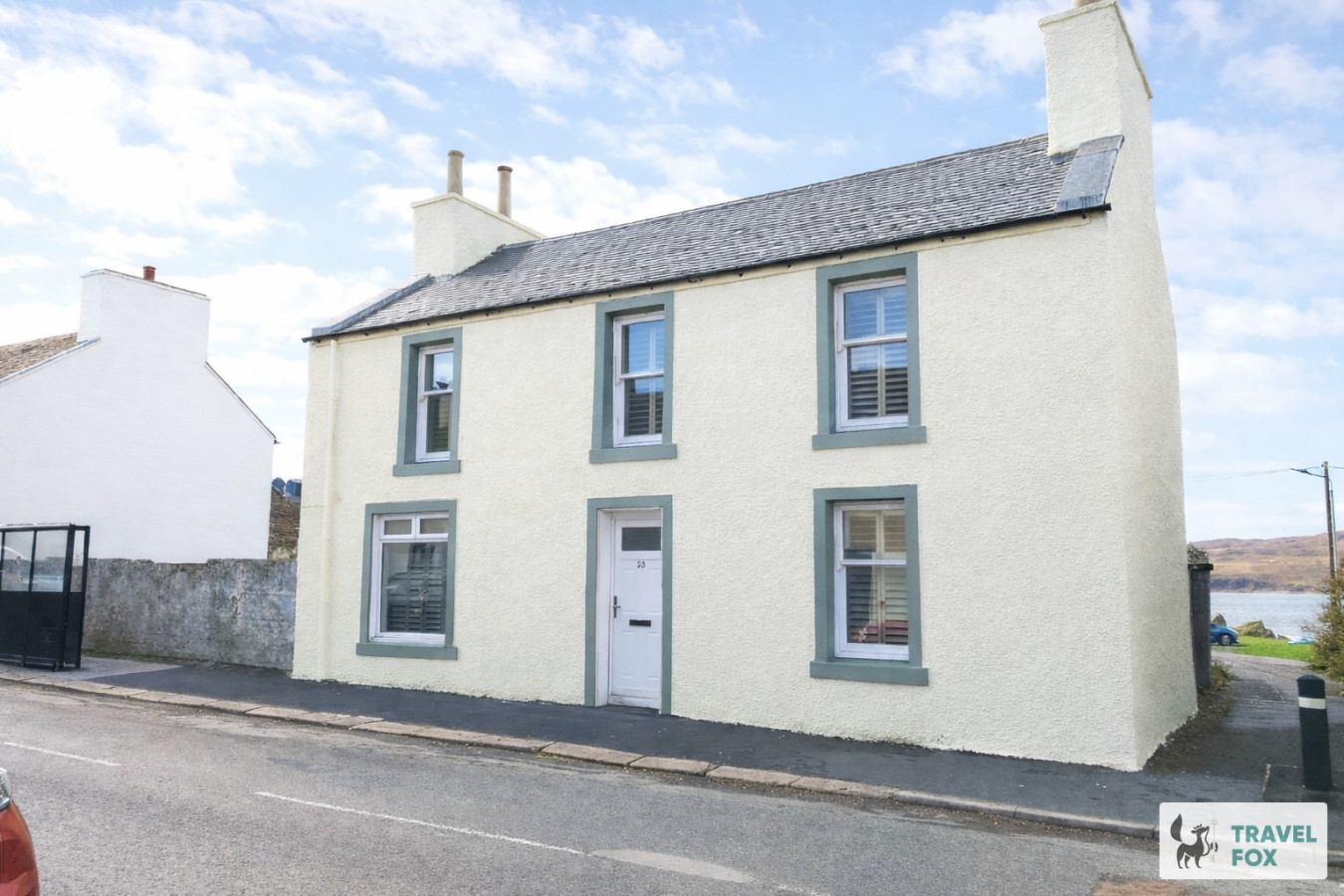
Travel Fox holiday homes around Argyll, linked directly to their property pages.
A guide with a point of view
Written from research. Edited for real journeys.
Use the Official site links for live practical details, then use this guide for context, ideas and room to explore.
Sources
Every place on this page is checked against a published source. Each entry links the record we used and names who publishes it.
- Ràthas nan Lasgairean (Path of the Fisherman) — islayinfo.com other published source
- Portnahaven Bay seal watching — islayinfo.com other published source
- Portnahaven and Port Wemyss Parish Church — portal.historicenvironment.scot statutory register or public authority
- Rhinns of Islay Lighthouse — portal.historicenvironment.scot statutory register or public authority
- Portnahaven Spar and Post Office — postoffice.co.uk operator, sector body or destination organisation record not machine-readable; publisher restricts automated access