
Between two hills
Alderton
Alderton sits between Alderton Hill and Dixton Hill, with a thatched inn, a medieval church and waymarked walking country.
- Best for
- A three-hour circuit around Dumbleton Hill
- Landscape
- A valley between Alderton Hill and Dixton Hill
- Don't miss
- The 12th-century limestone font in St Margaret's
The Fox verdict
A village shaped by hills, paths and long memory
Come for the Dumbleton Hill circuit, then make time for St Margaret's, the village store and the Gurkha kitchen under the thatch.
Alderton mixes Cotswold stone, red brick and timber-framed thatch in the valley between Alderton Hill and Dixton Hill. Its visitor stops are compact but varied: a Grade II* church, two walking routes, a playground, a useful shop and Nepalese and Indian cooking in a 16th-century inn.
Where to go
Places in Alderton
Every place below is checked against a published source, listed with what it is and how long to give it.
Local signatures
3 placesAlderton Village Store & Post Office
A village shop for fresh bread and pastries, Cotswold free-range eggs, local organic honey and vegetables, deli goods, bacon, ham and local cheeses.
- Visit length
- Editorial estimate: allow around 20 minutes
- Locality
- 10 Blacksmiths Road
Winchcombe Way at Alderton
A waymarked 42-mile figure-of-eight trail whose western loop reaches Alderton from Gretton before skirting Dumbleton Hill.
- Visit length
- Editorial estimate: allow around 90 minutes for a local section
- Locality
- Passing through Alderton
Alderton Playing Field
A playing field with a pavilion, allotments and a playground whose equipment includes climbing towers, a bridge, double-width slide and roundabout.
- Visit length
- Editorial estimate: allow around 60 minutes
- Locality
- Alderton
Food & drink
1 placeThe Gurkhas at Gardeners Arms
Nepalese and Indian cooking in a traditional thatched inn, with handmade vegetable momo, chicken choila, tikka, shaslik and daal fry among the named dishes.
- Visit length
- Editorial estimate: allow around 90 minutes
- Locality
- Alderton's 16th-century thatched village inn
Walks & outdoors
1 placeAlderton around Dumbleton Hill
A Cotswold Voluntary Wardens circular around Dumbleton Hill, with farmland walking and views west towards Bredon Hill and the Malverns.
- Visit length
- Editorial estimate: Allow around three hours
- Locality
- Starting at the Gardeners Arms
- Access
- The circuit can include steep slopes and is graded for moderate fitness.
History & heritage
1 placeChurch of St Margaret of Antioch
A Perpendicular Grade II* church with a 14th-century south aisle, three-stage tower, 12th-century limestone font, medieval chest and a 1928 east window by Geoffrey Webb.
- Visit length
- Editorial estimate: allow around 45 minutes
- Locality
- Alderton
No places match this filter. Choose All places to reset the list.
Three ways to explore Alderton
Signature outings
Momo under the thatch
Choose handmade vegetable momo, chicken choila or a Gurkha Grill in Alderton's 16th-century thatched inn.
Stone, glass and ironwork
Find a 12th-century limestone font, a medieval chest and Geoffrey Webb's 1928 east window inside St Margaret's.
Around Dumbleton Hill
Follow the three-hour farmland circuit for views west towards Bredon Hill and the Malverns.
The village story
Alderton Village Guide
A thatched inn, old wells, medieval stonework and two walking routes between Alderton Hill and Dixton Hill.
A Thatched Inn and a Village Store
The Gardeners Arms is a 16th-century thatched inn, and since February 2026 the kitchen behind its low windows has been Nepalese and Indian. It trades now as The Gurkhas at Gardeners Arms, and the menu is worth arriving hungry for: handmade vegetable momo with a tomato-and-sesame dipping sauce, chicken choila, salmon tikka, sea-bass fish pakora, king-prawn shaslik, cauliflower Manchurian, paneer 65 and daal fry, plus a Gurkha Grill and a sizzler salad for the undecided. The chefs bring more than twenty years across Indian, Nepalese and Western cooking, which is a lot of experience to find under one thatched roof in a village this small.
On Blacksmiths Road, the Alderton Village Store and Post Office does the everyday work. There is fresh bread, French bread and pastries, Cotswold free-range eggs, local organic honey and vegetables, deli goods, Gloucester Old Spot bacon and ham, and local cheeses. That is most of a breakfast and half a picnic in one stop.
Hills, Paths and a Medieval Church
Alderton sits in the valley between Alderton Hill and Dixton Hill, on the north-west edge of the Cotswolds. It is not all honey-coloured stone; the older core mixes Cotswold stone with red brick, and the timber-framed, thatched houses cluster around Church Road. The hills are the point of coming here. A 5.5-mile circular devised by the Cotswold Voluntary Wardens starts from the Gardeners Arms and loops around Dumbleton Hill, mostly through farmland, with views west to Bredon Hill and the Malverns. It takes about three hours, has some steep pulls, and wants a reasonable pair of legs. The waymarked Winchcombe Way also passes through, dropping from Langley Hill through Gretton before skirting Dumbleton Hill.
The Church of St Margaret of Antioch is Perpendicular, Grade II*, with a 14th-century south aisle and a three-stage tower, thoroughly restored in the early 1890s. Inside there is a 12th-century limestone font, a long medieval chest with decorative ironwork, an east window of 1928 by Geoffrey Webb, and a white-marble monument to the Reverend Henry Higford, who died in 1795. A damaged early font bowl sits in the porch, and fragments of 12th-century carved stone survive from an older building on the site. The parish began as a pre-Conquest chapel tied to Winchcombe and did not win the right to bury its own dead until 1379.
Wells, Drovers and Alderton with Dixton
Domesday recorded the place as Aldritone, its land split between the Crown and Winchcombe Abbey. The village grew up on a patch of sand among otherwise clay soils, which meant reliable wells; a village pump stood in Cambridge Square in the 19th and early 20th centuries. Alderton also lay on a drovers' route running from Hereford and Worcester towards London, and the old livestock pound stood near the pub, where cattle are said to have rested overnight. A 1710 snapshot of the village lists two innkeepers, a tailor/weaver, two blacksmiths, a cordwainer, and a stonemason who doubled as wheelwright.
In 1500 this was two hamlets, Brentyard to the east and Polysend to the west, and the parish went by the name Alderton with Dixton until 1831. Dixton Manor, out in the wider parish, was built in 1555 by John Higford, whose porch datestone still records the year; it keeps an Elizabethan staircase and a Tudor-arched stone fireplace. Church Cottage, beside the churchyard, is a thatched 17th-century house that was home to the diarist Bertha Nind, who set down her account of village life as The Diary of an Alderton Girl. A railway was proposed in 1860 to run from Toddington through Alderton to Beckford, and did not materialise after an objection involving the Earl of Wemyss and March's land.
Playing Field and Practical Connections
Families are well served. The playing field has a pavilion, allotments and a playground improved in 2018 with climbing towers, a fireman's pole, a double-width slide and a roundabout. The village year takes in the Alderton 5k for the Acorns Pre-School and a produce-and-craft show.
Getting here is straightforward: the M5 is close, Winchcombe four miles off with Sudeley Castle beyond it, and Ashchurch for Tewkesbury the nearest station, with Pulhams' 656 bus linking the village to Winchcombe and Bishop's Cleeve.
Eighty Houses, Forty Wells
Eric Eaton, born in the village in 1912, opened a verse about the place he knew: "Eighty houses, forty wells, / A dozen ponds, six lovely bells."
Stay around Cotswolds
Make a longer stay of it
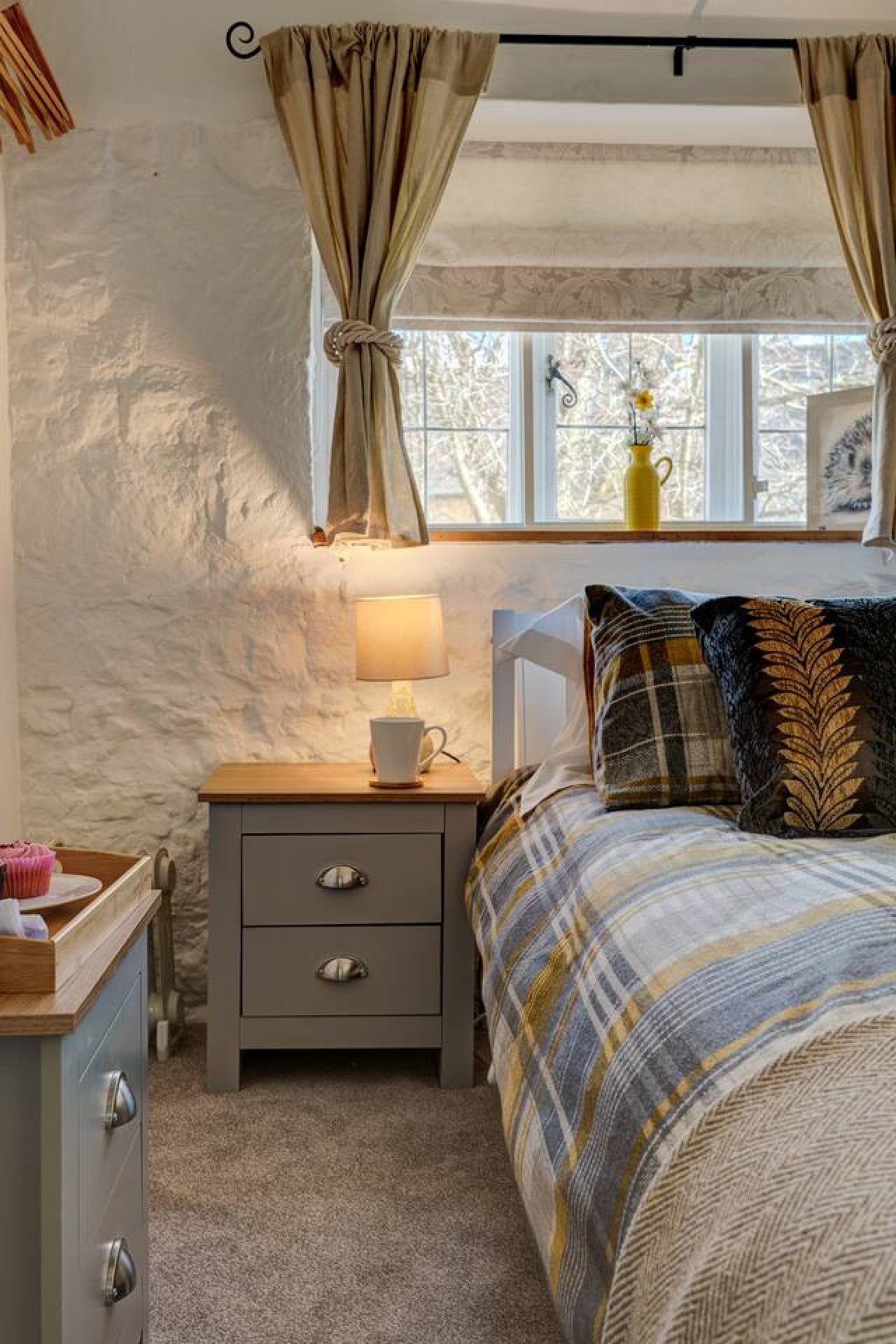
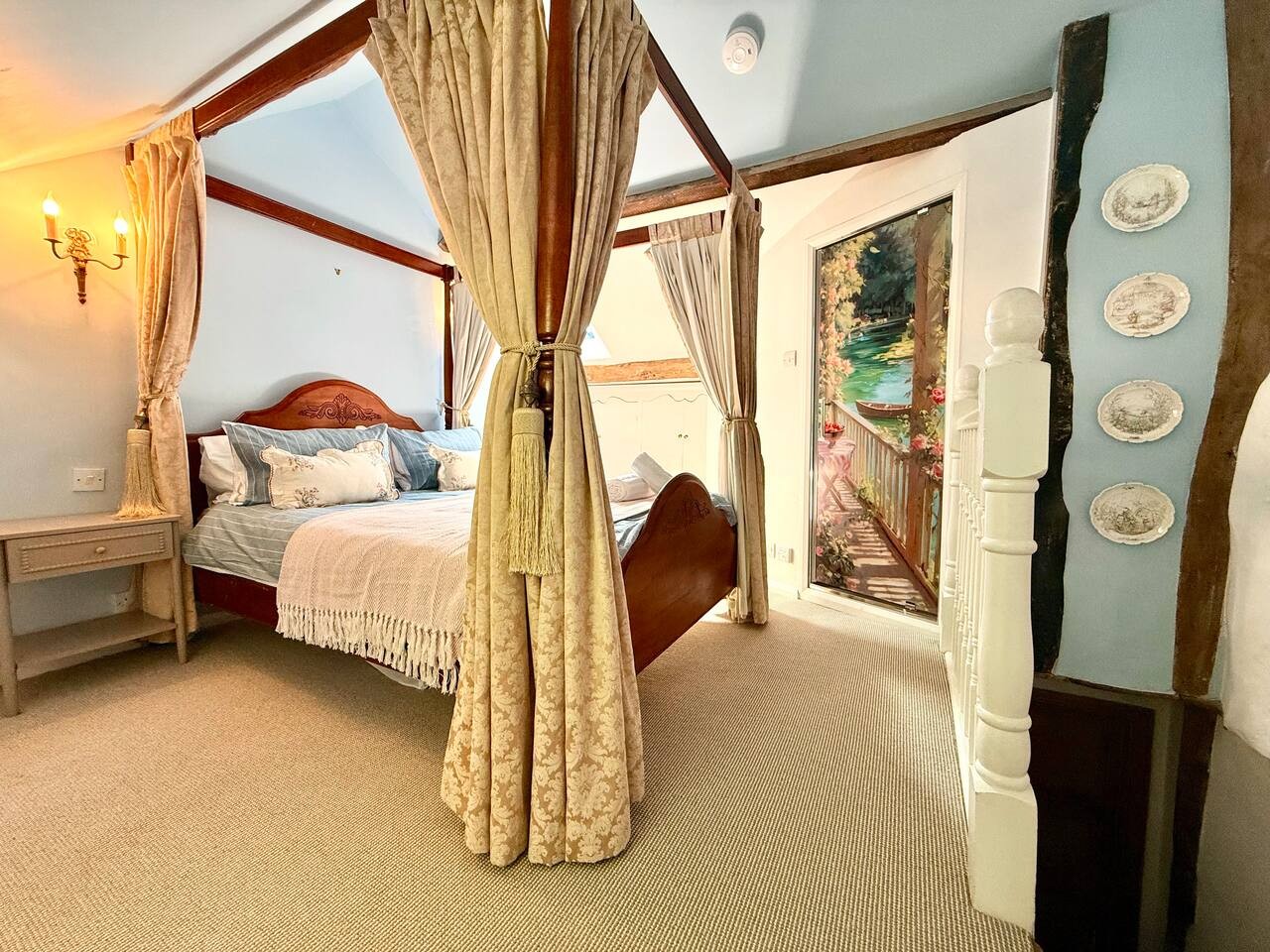
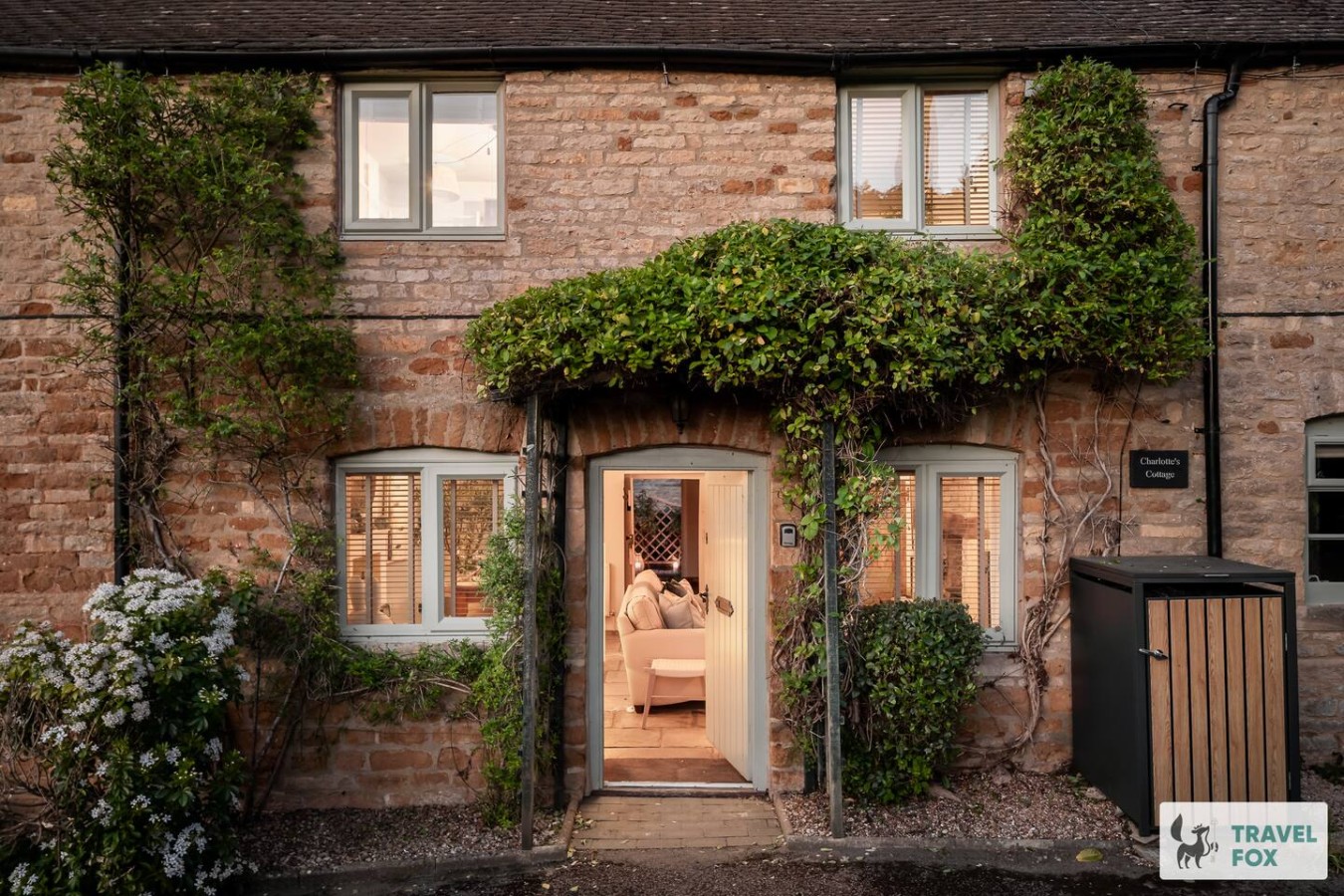
Travel Fox holiday homes around Cotswolds, linked directly to their property pages.
For homeowners
Own a holiday home near Alderton?
We manage holiday lets across the Cotswolds from 12% commission, charged after cleaning costs, with no lock-in. A co-founder visits before you decide.
Holiday let management in the Cotswolds →
A guide with a point of view
Written from research. Edited for real journeys.
Use the Official site links for live practical details, then use this guide for context, ideas and room to explore.
Sources
Every place on this page is checked against a published source. Each entry links the record we used and names who publishes it.
- The Gurkhas at Gardeners Arms — thegurkhasatgardenersarms.co.uk operator, sector body or destination organisation
- Alderton Village Store & Post Office — aldertonvillage.co.uk operator, sector body or destination organisation
- Church of St Margaret of Antioch — historicengland.org.uk statutory register or public authority record not machine-readable; publisher restricts automated access
- Alderton around Dumbleton Hill — cotswolds-nl.org.uk other published source
- Winchcombe Way at Alderton — winchcombewelcomeswalkers.com operator, sector body or destination organisation
- Alderton Playing Field — aldertonvillage.co.uk operator, sector body or destination organisation