
Gloucestershire
Winchcombe
A market town of timbered inns and golden limestone, where royal history meets Neolithic mysteries in the heart of the Cotswolds.
- Best for
- Walking and independent shops
- Give it
- A weekend for hiking and pub lunches
- Don't miss
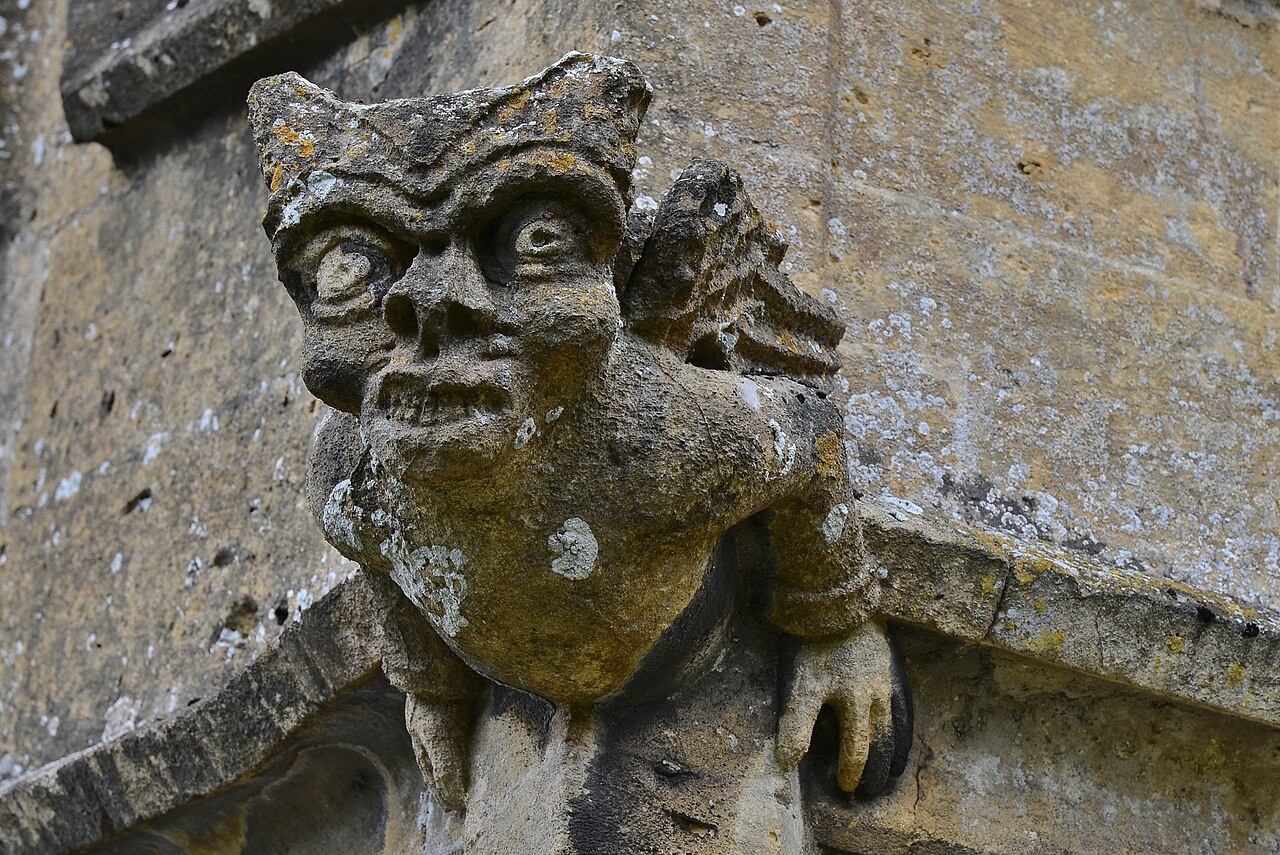
- The grotesques of St Peter's Church
Photo: Michael Garlick · CC BY-SA 2.0 · cropped
The Fox verdict
More than a Cotswold village
Winchcombe balances the charm of a rural settlement with the substance of a historic royal centre.
While it shares the creamy limestone and rolling hills of its neighbours, Winchcombe feels distinct. It is a town of independent spirit, from its long-standing family bakeries to its history of tobacco-growing rebels. Whether you are tracing the 102-mile Cotswold Way or exploring the ruins of a dissolved abbey, the town serves as a perfect anchor for exploring the Sudeley valley.
Your picks, your pace
Make Winchcombe yours
Choose a mood or build your own list. Your saved stops are an ordering aid, with a direct map route when you are ready.
Local signatures
3 places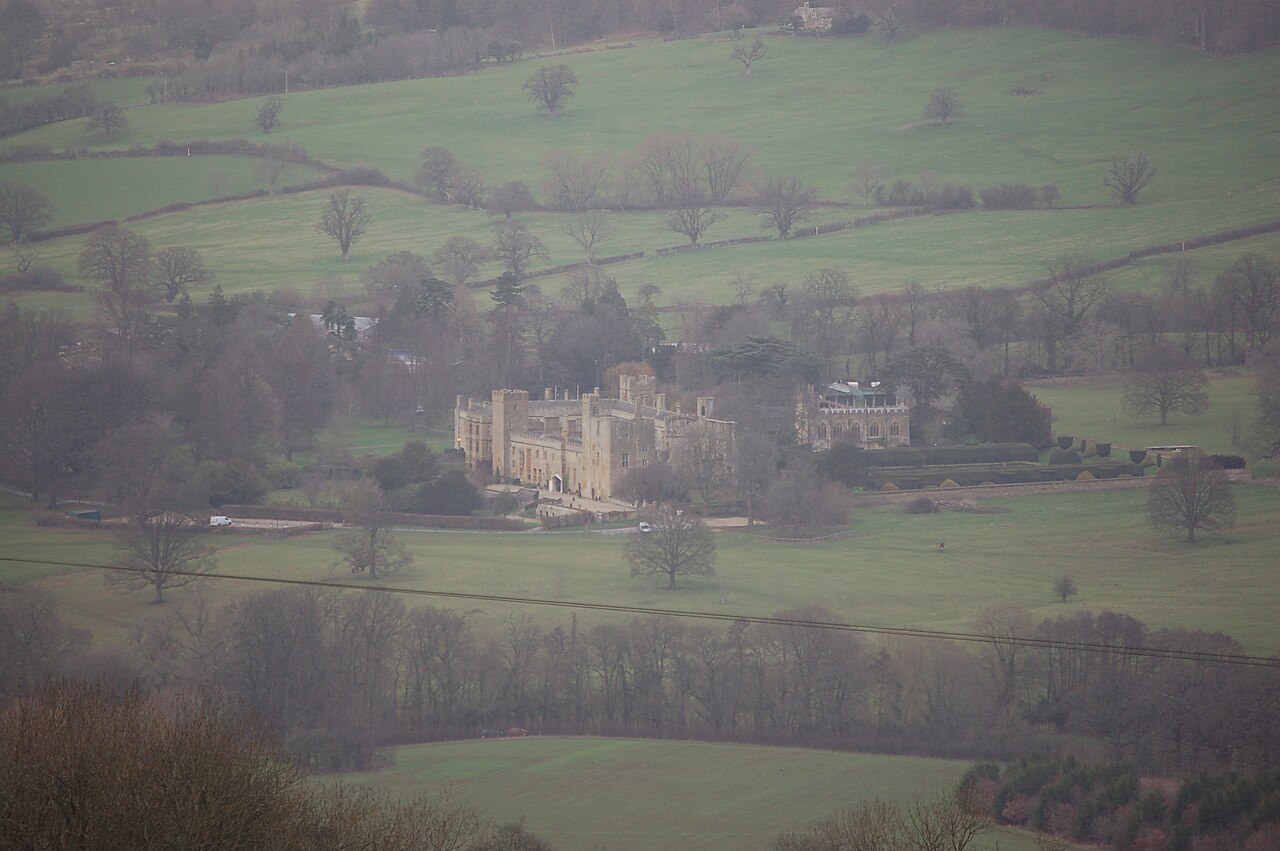 Start here
Sudeley Castle
The only private castle in England where a queen, Katherine Parr, is buried in the grounds. It features Tudor ruins and restored rooms.
- Visit length
- Editorial estimate: around 180 minutes
- Locality
- Eastern edge of town
- Access
- Seasonal visitor opening; check the Official site before travel.
Hayles Fruit Farm
A family-run farm with a shop, café, and pick-your-own fruit, producing award-winning Cox apple juice on site.
- Visit length
- Editorial estimate: around 60 minutes
- Locality
- Hailes
Winchcombe Pottery
A working pottery on a site used since 1800, continuing the tradition of wood-kiln firing for tableware and unique pieces.
- Visit length
- Editorial estimate: around 45 minutes
- Locality
- Greet
Food & drink
2 placesNorth's Bakery
A traditional family bakery operating since 1967, known for additive-free sourdough, stoneground wholemeal, and handmade chocolates.
- Visit length
- Editorial estimate: around 15 minutes
- Locality
- North Street
The Lion Inn
A restored 15th-century coaching inn with flagstone floors and open fires, specialising in seasonal British cooking and Sunday roasts.
- Visit length
- Editorial estimate: around 90 minutes
- Locality
- Town centre
History & heritage
2 places
St Peter's Church
A Grade I listed Perpendicular church built between 1458 and 1468, famous for forty large stone grotesques and a 90-foot tower with a gilded weathercock.
- Visit length
- Editorial estimate: around 45 minutes
- Locality
- Town centre
Belas Knap
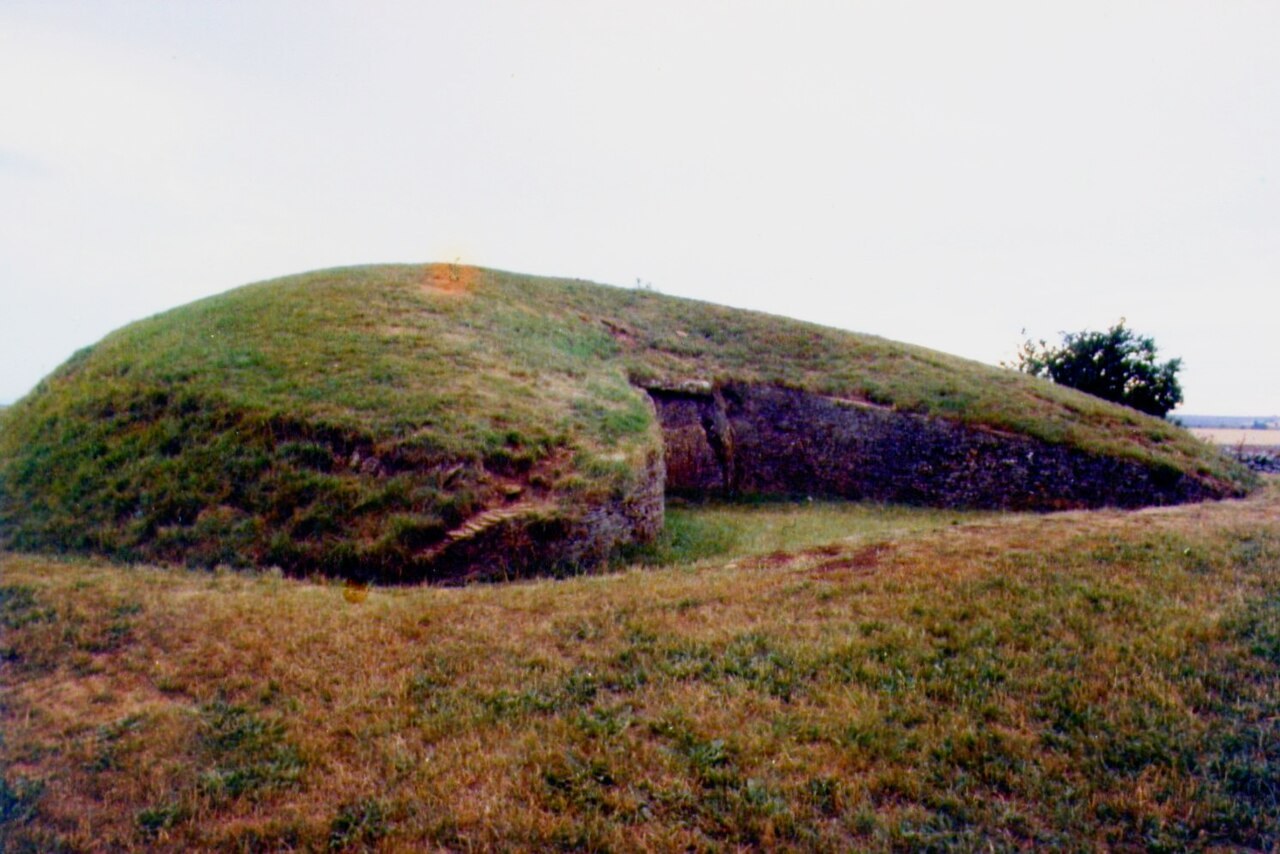
A Neolithic chambered long barrow dating to 3000 BC, featuring a monumental false doorway.
- Visit length
- Editorial estimate: around 60 minutes
- Locality
- Hilltop above town
- Access
- The approach includes a steep half-mile walk from the road.
Things to do
1 placeWinchcombe Park
A modern community space featuring a pump track, zipwire, outdoor gym, and pétanque courts.
- Visit length
- Editorial estimate: around 60 minutes
- Locality
- Beside the Isbourne
No places match this filter. Choose All places to reset the list.
On the map
Winchcombe at a glance
Tap a marker to jump to its guide card.
Three ways to explore Winchcombe
Signature outings
Spot the Satire
Search for the carved demons and caricatures of abbey dignitaries among the forty grotesques of St Peter's Church.
Face the False Door
Climb to Belas Knap to stand before the monumental false entrance of this 5,000-year-old long barrow.
Walk Sudeley's gardens
Set aside time for Sudeley Castle's historic rooms, chapel and layered gardens.
The town story
Winchcombe Town Guide
From royal burials to Neolithic barrows, this Cotswold town offers a dense layering of English history.
Local Flavours and Golden Stone
North's Bakery has stood at 10 North Street since 1967, when Ray North and Anita brought the family business up from Gwent, where Ron North had started it in 1955. It is run now by Dan Seagrave, who has baked there for more than twenty years, and his wife Roxanne. The bread is made without additives or preservatives: traditional white, stoneground wholemeal, Cobber, walnut-and-raisin, sourdough, and alongside them pastries, confectionery and handmade chocolate. It is the kind of shop a town keeps, and Winchcombe is a town rather than a village, despite the honey-coloured stone.
That stone is the first thing you notice. Winchcombe sits in the valley of the River Isbourne with hills rising on three sides, and its streets mix the creamy Cotswold limestone of the uplands with the timber framing more usually found down in the Vale of Evesham. High Street and North Street carry old inns, cottages and small shops close together, and the paths out of town climb quickly into sheep pasture, orchards and wooded slopes. Stand at the top of one of them on a clear day and the view runs west to the Malverns and, in the best weather, to Wales.
There are four pubs in the town itself. The Lion Inn is the polished one: a restored fifteenth-century coaching inn with flagstone floors, beams and open fires, now run by Butcombe, with a bar, a snug and a separate dining room. The kitchen leans on seasonal British cooking and its Sunday roasts are the draw, served with roast chicken, grass-fed beef or high-welfare pork, a large Yorkshire pudding, pigs in blankets and cauliflower cheese, with a vegetarian roast for anyone who wants one. Dogs are welcome in the snug, bar and garden, and the garden is a sizeable one.
The Town's Traditional Inns
The White Hart, in the centre, is a country inn with a small traditional bar and a rustic restaurant, and the Winchcombe Pizza Company works out of its basement. Its cooking is unfussy and the menu shifts with the seasons, but a recent one ran to cider-battered cod with mushy peas and tartare sauce, crispy pork belly with dauphinoise and a cider sauce, a Vale & Hills pinwheel sausage with mash and onion gravy, wild-mushroom risotto, vegetable korma, and to finish, sticky toffee pudding with salted-caramel gelato or bread-and-butter pudding with Cointreau custard. Dogs are welcome in parts of the pub, though not the restaurant, so it is worth asking where a dog may sit before you settle in.
The Plaisterers Arms is the intimate one, a multi-level pub with two bars and rooms above, a fireplace, a piano and a large rear garden with a patio and a play area. It keeps three regular cask ales — Wye Valley Butty Bach, Wye Valley HPA and St Austell Tribute — and holds Cask Marque recognition. It is a very old inn. The Corner Cupboard, a labyrinth of small bars, flagstones, oak panelling and Cotswold stone dating from around 1550, reopened under new management in April 2026 and again serves food, with Goff's Jouster, a session bitter brewed nearby, on as the regular beer. There is a large covered garden at the back. Local accounts hold that pieces of carved stone from the vanished abbey survive inside its walls.
Eating and drinking here is not confined to the pubs. Restaurant 5 North Street is a small, long-running modern-British place founded by Marcus "Gus" Ashenford and his wife Kate, cooking a menu that turns over constantly around what local suppliers bring in: lobster ravioli with lemon sole, a potato terrine with chicken, cep and truffle, cured tuna with pickled apple and horseradish, duck breast with confit leg, Scottish halibut with a crab beignet, Cotswold venison, and rhubarb and custard to end. The Wine Rooms is a café by day and a wine bar in the evening, run by Rob, a Dutch-born resident, and serves local cheese, cured meats and seasonal sharing boards with wines chosen alongside Broadway Wines; the premises has a vine roughly two hundred years old. The Tipsy Egg does breakfast, homemade cakes, light lunches and daily specials with gluten-free and vegan options, and William's of Winchcombe is a deli and coffee shop for the everyday and the indulgent alike.
Independent Shops and Rural Crafts
For the raw materials you have Vale & Hills, the family butcher, where Toby and his team supply Gloucestershire-reared back bacon and Gloucestershire Old Spot sausages — the same sausages that turn up on the White Hart's menu. Isbourne Arts holds a farmers' market on the third Saturday of each month, with bread, cheese, fish and vegetables among the stalls. The independents run beyond food, too: Just Gems for coloured gemstones, opals and bespoke jewellery, Prichard Antiques for furniture and accessories from the seventeenth to nineteenth centuries, and ACE Hardware, which the town describes as stocking "90% of what you need and 10% of what you don't."
Just outside town at Hailes, Hayles Fruit Farm has a farm shop, pick-your-own and the Orchard Kitchen café. The orchards were first planted commercially by Lord Sudeley in 1880 and the present family has farmed here since 1950; they grow, press, pasteurise and bottle their own apple juice and Badger's Cider on site, and the Cox apple juice won a Great Taste award in 2024. Pick-your-own runs through strawberries, plums, apples, pears and pumpkins as the seasons turn, and the café serves Eggs Benedict, a full English and its own baking. At Greet, Winchcombe Pottery has worked a pottery site used since at least 1800; Michael Cardew revived the closed country pottery in 1926, and it still fires a wood kiln built in 1974, turning out production tableware and one-off pieces.
Winchcombe holds Walkers are Welcome status and runs a walking festival in May, and the town is the meeting point of an unusual number of routes. The 102-mile Cotswold Way passes straight through. The Winchcombe Way is a 42-mile figure-of-eight centred on the town, its eastern loop reaching Farmcote and Snowshill, its western loop following the escarpment through Buckland, Laverton and Stanton. Shorter walks fan out in every direction: a 5.5-mile circuit climbs steeply up to Belas Knap, the Neolithic long barrow, for wide views back over town and castle; a gentler 5.2-mile route along the Sudeley valley reaches the covered mosaic at Spoonley Roman Villa; and the 9.5-mile line to Toddington runs beside the heritage railway past Hailes. Down by the Isbourne, Winchcombe Park opened in 2022 with a games area, outdoor gym, zipwire, pétanque and a circular path, and gained a pump track by early 2026. There are floodlit tennis courts, a community sports hall and a cricket ground that looks out towards Sudeley.
The Great Outdoors and Walking Trails
Getting here is straightforward. Winchcombe is on the B4632 between Cheltenham and Broadway, about ten miles from junction 9 of the M5. The nearest railway station is Cheltenham Spa, roughly nine miles and twenty-five minutes by taxi; the "Winchcombe" station on the Gloucestershire Warwickshire Steam Railway is a heritage stop at Greet, about a mile out and reached on foot. Stagecoach route W connects Cheltenham and Winchcombe, and Pulhams route 606 runs through on its way between Cheltenham and Chipping Campden.
The history, when you turn to it, is out of proportion to the size of the place. Belas Knap was raised around 3000 BC, its north end a monumental false doorway that leads nowhere; excavations in 1863 and 1865 recovered the remains of thirty-one people from the side chambers. In the Saxon centuries Winchcombe was a royal and religious centre, and for a single decade between 1007 and 1017 the head of its own shire, Winchcombeshire. The Benedictine abbey stood immediately east of the parish church and grew into a pilgrimage destination around the shrine of the boy saint Kenelm, its estates eventually covering some 25,300 acres across thirteen parishes. It surrendered in December 1539 and was pulled down for its stone, which spread through the town and can still be read in reused masonry. The loss hit hard: in 1575 the burgesses petitioned Elizabeth I for another fair and a weekly market, having, they said, fallen into poverty, ruin and decay.
Not everything about the town's past is grave. In the early seventeenth century local farmers grew tobacco, and when the authorities moved to suppress it the growers are recorded as meeting the officials with billhooks and scythes. Christopher Merrett, born on Gloucester Street in 1614, became a physician and Royal Society fellow and in a 1662 paper described adding sugar to wine to produce a second fermentation — more than thirty years before the name of Dom Pérignon became attached to the same idea. A blue plaque marks the house.
Royal Legacies and Ancient Mysteries
Sudeley Castle sits on the town's eastern edge. Its story takes in Richard III, Henry VIII, Lady Jane Grey and Elizabeth I, but the figure who remains is Katherine Parr, Henry's widow, who married Thomas Seymour and moved to Sudeley in 1548 with a household of more than 120. She gave birth to a daughter that August and died of childbed fever days later, on 5 September, aged thirty-six; Lady Jane Grey was chief mourner. Katherine is buried in St Mary's chapel in the grounds, which makes Sudeley the only private castle in England with a queen buried in its grounds. The castle sheltered Charles I during the Civil War, was slighted by Parliament in 1649 and stood derelict for nearly two hundred years until the Dent family bought and restored it in 1837.
The parish church of St Peter's, Grade I listed and built in a single coherent Perpendicular campaign around 1458 to 1468, is ringed by forty large stone grotesques — about half demons, the rest thought to caricature townspeople and abbey dignitaries. Its ninety-foot tower carries a gilded wooden weathercock that came here in 1874 from St Mary Redcliffe in Bristol.
More recently, on the night of 28 February 2021, a fireball dropped a meteorite onto the town — the first recovered in Britain for thirty years and the first carbonaceous chondrite ever found in the UK, about 4.6 billion years old and useful to researchers studying water and organic compounds beyond the Earth. The largest single stone, 152 grams of it, was found by a woman named Mira Ihasz, in a sheep field.
Stay around Cotswolds
Make a longer stay of it
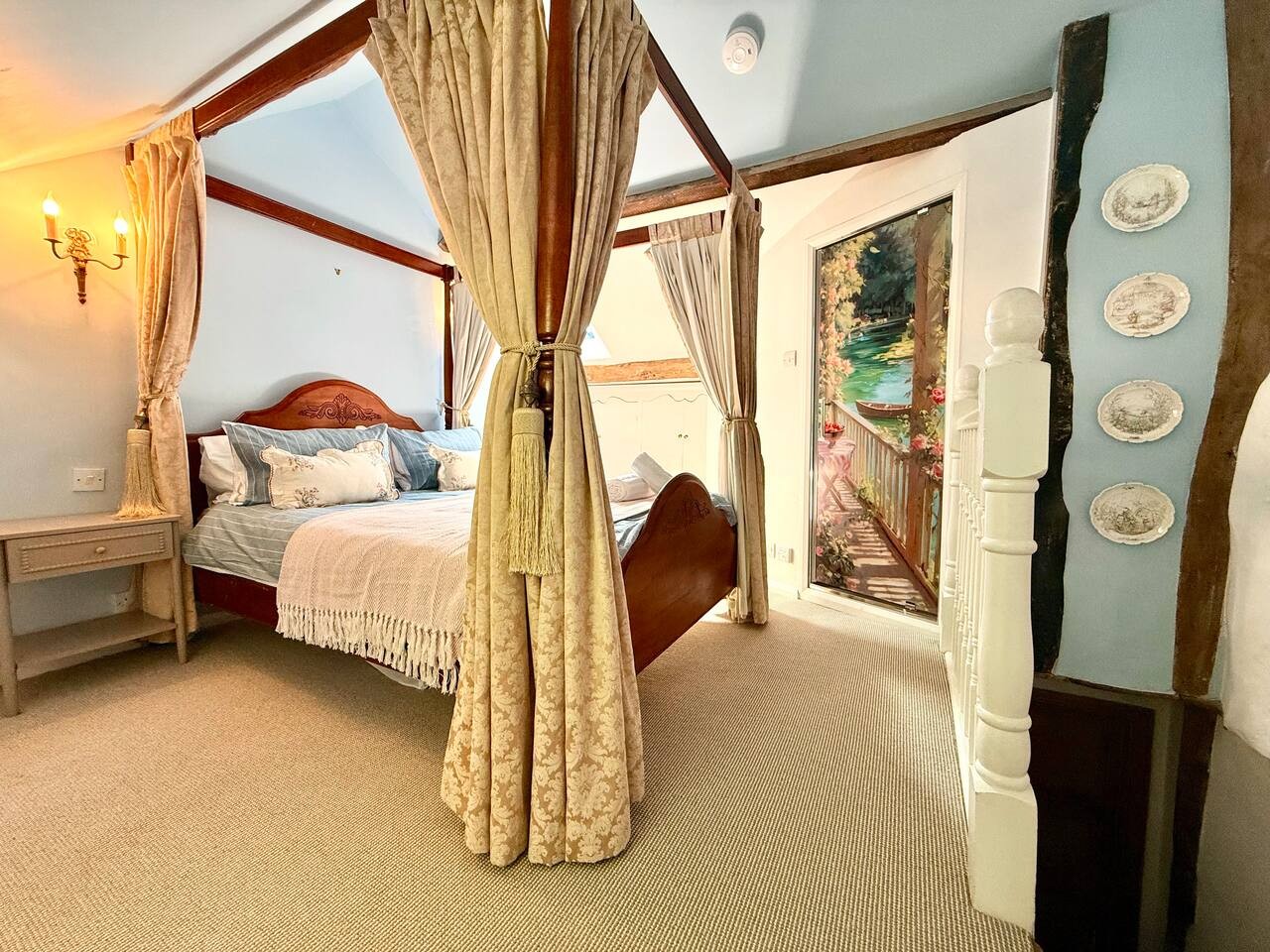
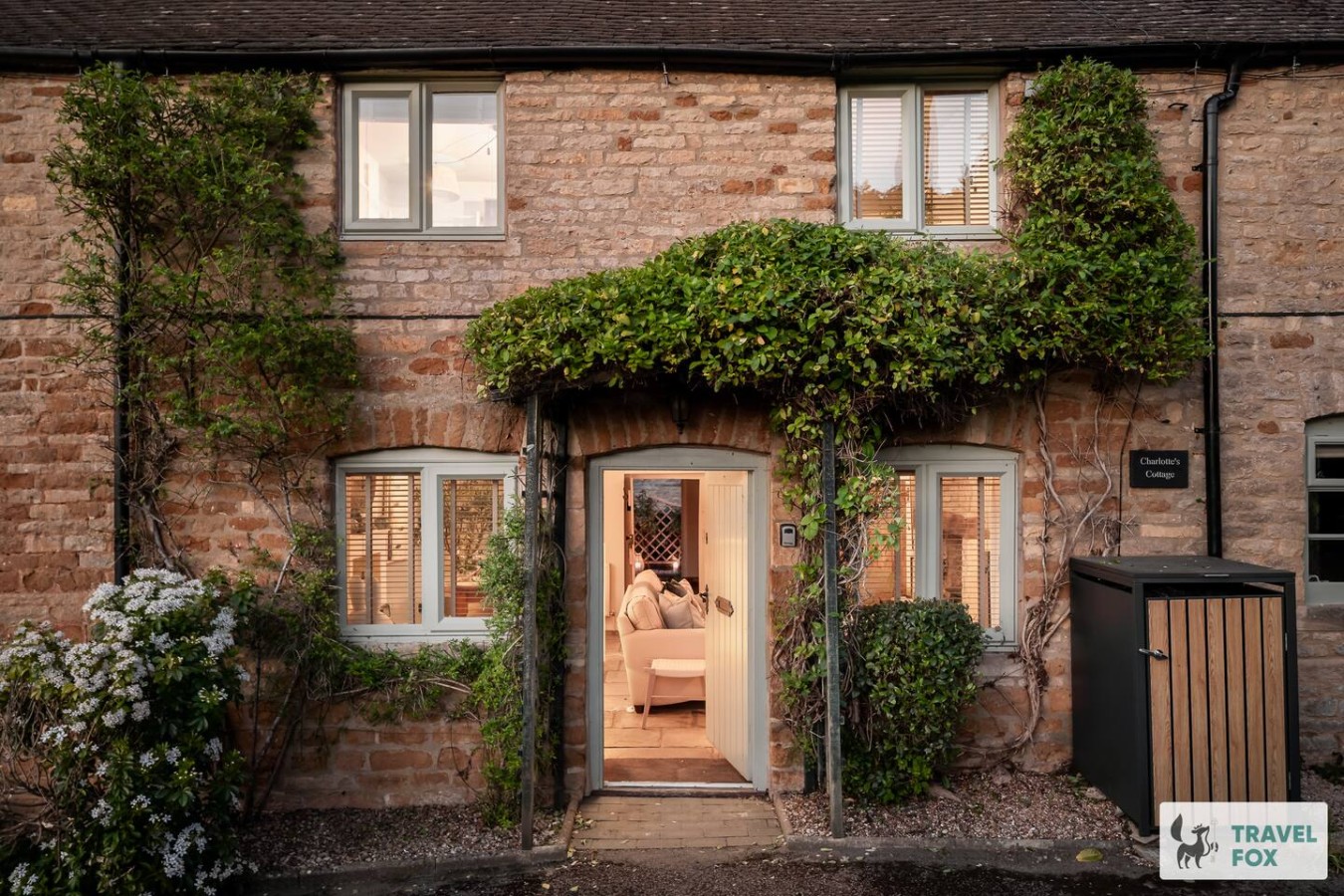
Travel Fox holiday homes around Cotswolds, linked directly to their property pages.
For homeowners
Own a holiday home near Winchcombe?
We manage holiday lets across the Cotswolds from 12% commission, charged after cleaning costs, with no lock-in. A co-founder visits before you decide.
Holiday let management in the Cotswolds →
A guide with a point of view
Written from research. Edited for real journeys.
Use the Official site links for live practical details, then use this guide for context, ideas and room to explore.
Photography credits & licences
Third-party photographs are credited to their named creators and reused under the linked Creative Commons licence or public-domain dedication. Travel Fox stores an optimised local copy; the file-specific changes and any browser-applied display crop are disclosed below. Reused photographs link both to the Wikimedia Commons source record and to the declared source image; Travel Fox's own photographs carry no such record and are marked as ours. These image licences do not cover Travel Fox text, branding or page design.
- File:Winchcombe, St. Peter's Church, Grotesque - geograph.org.uk - 5414477.jpg — photograph by Michael Garlick; Winchcombe, St. Peter's Church: Grotesque by Michael Garlick. Source record on Wikimedia Commons. Declared source image. Licence: CC BY-SA 2.0. File changes: Downloaded from Wikimedia Commons, resized to a maximum 1920px edge and encoded as an optimised JPEG. Display changes: Displayed with responsive CSS cropping.
- File:Belas Knap Long Barrow - geograph.org.uk - 4819758.jpg — photograph by Chris Andrews; Belas Knap Long Barrow by Chris Andrews. Source record on Wikimedia Commons. Declared source image. Licence: CC BY-SA 2.0. File changes: Downloaded from Wikimedia Commons, resized to a maximum 1920px edge and encoded as an optimised JPEG. Display changes: Displayed with responsive CSS cropping.
- File:Sudeley Castle viewed from the Cotswold Way near Belas Knap - geograph.org.uk - 2774979.jpg — photograph by Roger Davies; Sudeley Castle viewed from the Cotswold Way near Belas Knap by Roger Davies. Source record on Wikimedia Commons. Declared source image. Licence: CC BY-SA 2.0. File changes: Downloaded from Wikimedia Commons, resized to a maximum 1920px edge and encoded as an optimised JPEG. Display changes: Displayed with responsive CSS cropping.