
Steam railway country
Toddington
Meet the working heart of the Gloucestershire Warwickshire Steam Railway, then add village history, local food and nearby Hailes.
- Best for
- Heritage railway, village history and nearby Hailes stops
- Give it
- A focused half day, or longer with a train journey
- Don't miss
- Toddington station's locomotive-yard viewing area
The Fox verdict
A railway village with a working pulse
Toddington pairs the GWSR's locomotive base with an ambitious Victorian church, a village inn and useful routes into the surrounding countryside.
Start where the locomotives are maintained and restored, with the station's signal box, yard view, café and railway shop on the same site. Beyond the railway, St Andrew's rewards attention to Victorian craft, while the Isbourne Way, Hayles Fruit Farm and Hailes Abbey broaden the day without turning the guide into a sweep of distant attractions.
Where to go
Places in Toddington
Every place below is checked against a published source, listed with what it is and how long to give it.
Local signatures
3 placesToddington station
The GWSR's locomotive and engineering base has heritage displays, a hands-on miniature signal box, a locomotive-yard viewing area and a children's play area.
- Visit length
- Editorial estimate: Allow around 1 hour 15 minutes
- Locality
- New Town
- Access
- Guided shed tours and the neighbouring two-foot-gauge railway run on selected days; check dates before travel. Dogs are welcome on leads and off seats.
Hayles Fruit Farm
Combine the farm shop and tearoom with pick-your-own, fishing or the nature trail; the shop sells seasonal produce and the farm's own apple juice and cider.
- Visit length
- Editorial estimate: Allow around 1 hour 30 minutes
- Locality
- nearby Hailes
Church of St Andrew
G. E. Street's 1873–79 Early Decorated Gothic church includes a hammer-beam nave roof, Purbeck-marble shafts, notable stained glass and Lough's altar tomb.
- Visit length
- Editorial estimate: Allow around 30 minutes
- Locality
- Toddington
Food & drink
2 placesCotswold Halt Café and GWSR shop
Stop for fresh-filled sandwiches, homemade cakes, teacakes, ice cream or the railway's Rail Ale, then browse books, gifts and railway memorabilia.
- Visit length
- Editorial estimate: Allow around 30 minutes
- Locality
- at Toddington station
The Pheasant Inn
A traditional inn serving homemade food made with locally sourced produce, with Donnington Ales on the bar and a beer garden.
- Visit length
- Editorial estimate: Allow around 1 hour 30 minutes
- Locality
- beside Toddington heritage railway station
Walks & outdoors
1 placeIsbourne Way
Follow a local section of the 14-mile River Isbourne route, waymarked with a green disc and mill wheel; the full path crosses riverside, agricultural land, woods and open countryside.
- Visit length
- Editorial estimate: Allow around 2 hours for a local section
- Locality
- passing through Toddington
History & heritage
2 placesHailes Abbey
Explore Cistercian abbey ruins and a museum displaying sculpture, heraldic tiles and rare medieval spectacle frames at a former pilgrimage site.
- Visit length
- Editorial estimate: Allow around 1 hour 30 minutes
- Locality
- Hailes, south of Toddington
Stanway House and Fountain
A Jacobean house with a 14th-century tithe barn and a water garden whose single-jet fountain reaches 300 feet 10¼ inches.
- Visit length
- Editorial estimate: Allow around 1 hour 30 minutes
- Locality
- about one mile from Toddington station by road
- Access
- The B4077 from Toddington station has no pedestrian footway; drive or cycle rather than walk.
No places match this filter. Choose All places to reset the list.
Three ways to explore Toddington
Signature outings
Signal boxes and locomotive sheds
Operate the miniature demonstration signal box, look over the locomotive yard and seek out a selected-day guided shed tour.
Homemade food and Donnington Ales
Choose from homemade dishes such as steak and Donnington Ale pie before taking a drink into the beer garden.
Abbey ruins and medieval finds
Walk the Cistercian ruins and see sculpture, heraldic tiles and rare medieval spectacle frames in the museum.
The village story
Toddington Village Guide
Steam, cider, Gothic craftsmanship and a manor story gather around a village with two distinct halves.
Steam and Supper
The locomotive sheds at Toddington station are where the Gloucestershire Warwickshire Steam Railway keeps and repairs its engines, and guided tours run through them on some Tuesdays and Sundays; check dates before you go. This is the working heart of the line. Volunteers began restoring the site in 1981, and it now runs steam trains north to Broadway and south to Cheltenham Race Course, calling at Winchcombe, Hayles Abbey Halt and Gotherington along the way. The original Great Western station opened here in 1904 to carry the district's fruit, closed in 1960, and came back as heritage.
Next to the platform is the Pheasant Inn. Richard and Carys have held the tenancy since 2016; he cooks, she runs the front. The food is homemade, and Donnington Ales are on the bar. The menu runs to roasted lamb shank with minted gravy, crispy Gloucester Old Spot belly pork with apple-and-cider gravy, a steak and Donnington Ale pie, and a fish pie of smoked haddock, salmon, cod and prawn. Start with the creamy garlic chestnut mushrooms on ciabatta. There is a beer garden out back, and one Google reviewer called the place "very dog friendly."
Station Treats and Hailes Produce
The station itself has the Cotswold Halt Café, which does fresh-filled sandwiches, homemade cakes, teacakes and ice cream, along with the railway's own Rail Ale; the adjoining shop sells books, gifts and railway memorabilia. There is a large free car park, an accessible toilet and baby-changing. For children there is a play area, a hands-on miniature signal box you can work by hand, a viewing area over the locomotive yard, and on selected summer Sundays a two-foot-gauge railway running alongside. Dogs are welcome on leads.
A little way off at Hailes, Hayles Fruit Farm has a farm shop selling homegrown and local fruit and vegetables and its own award-winning apple juice and cider, grown, pressed, pasteurised and bottled on site. Cider-making here is said to go back to Lord Sudeley's time. There is pick-your-own, coarse fishing, a nature trail and a tearoom.
River Paths and Gothic Craft
The Isbourne Way passes through the village: fourteen miles following the River Isbourne from its source on Cleeve Hill down to the Avon at Evesham, waymarked with a green disc and a mill wheel. The same river runs through Toddington Park, where it was dammed into a narrow, tree-lined lake about a kilometre long. One practical caution: Stanway House is only a mile from the station, but the B4077 has no footway, so drive or cycle rather than walk it.
The Church of St Andrew was built between 1873 and 1879 by G. E. Street for Lord Sudeley, in an Early Decorated Gothic that spared nothing: a hammer-beam nave roof, Purbeck-marble shafts, a Hardman east window, later Clayton and Bell glass, a font of Derbyshire spar. Inside is Lough's altar tomb, with effigies of Charles Hanbury-Tracy, first Baron Sudeley, and his wife.
The Tracy Manor and Domesday
That name runs through the place. In 1165 Ralph de Sudeley gave Toddington to his brother William, who took the Tracy name, and five years later William de Tracy became one of the four knights who murdered Thomas Becket at Canterbury. His family held the manor here for the better part of a millennium. When fire and dry rot damaged the old Jacobean house, Charles Hanbury-Tracy designed the Gothic mansion that stands today, between 1820 and 1835; it is thought to have influenced the design of the Houses of Parliament. The manor has since been the National Union of Teachers' headquarters, US Army accommodation during the war, the Christian Brothers' headquarters and noviciate, and an Arab school, and it burned again in 1965. Damien Hirst bought it in 2005. It is privately owned, with no public access.
The Domesday surveyors counted thirty-six households here in 1086, along with two mills and a salthouse, and valued the whole manor at forty pounds—the same as it had been valued in 1066.
Two Halves and the Railway Yard
The village has two halves: the old core along Church Lane and New Town at the crossroads where the B4077 meets the B4632, about five kilometres north of Winchcombe. Winchcombe has Sudeley Castle and Katherine Parr's tomb; Hailes Abbey, a stop down the line, drew medieval pilgrims after it acquired what was said to be a phial of Christ's blood. But most days at Toddington, the loudest things are the locomotives in the yard and a full beer garden next door.
Stay around Cotswolds
Make a longer stay of it
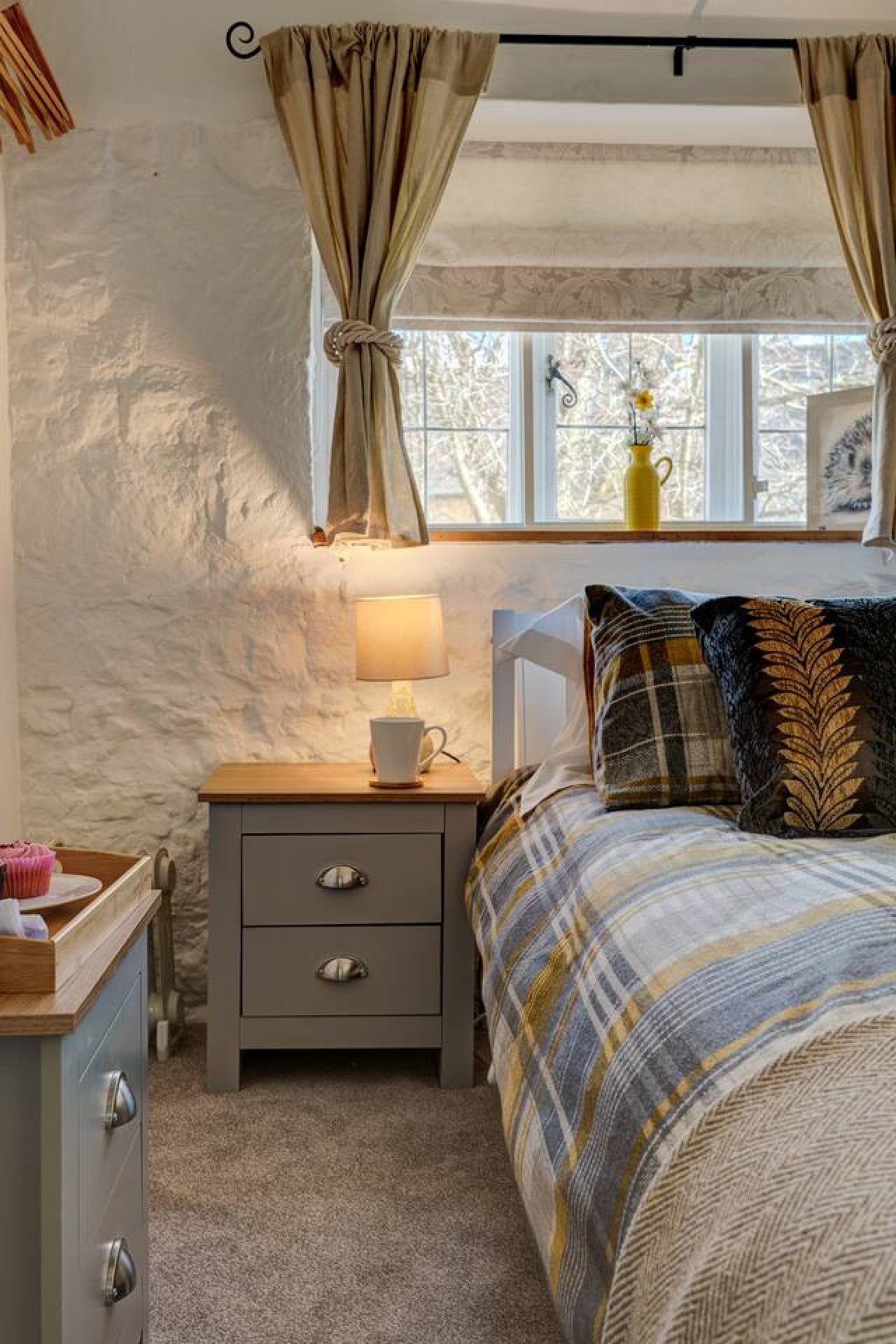
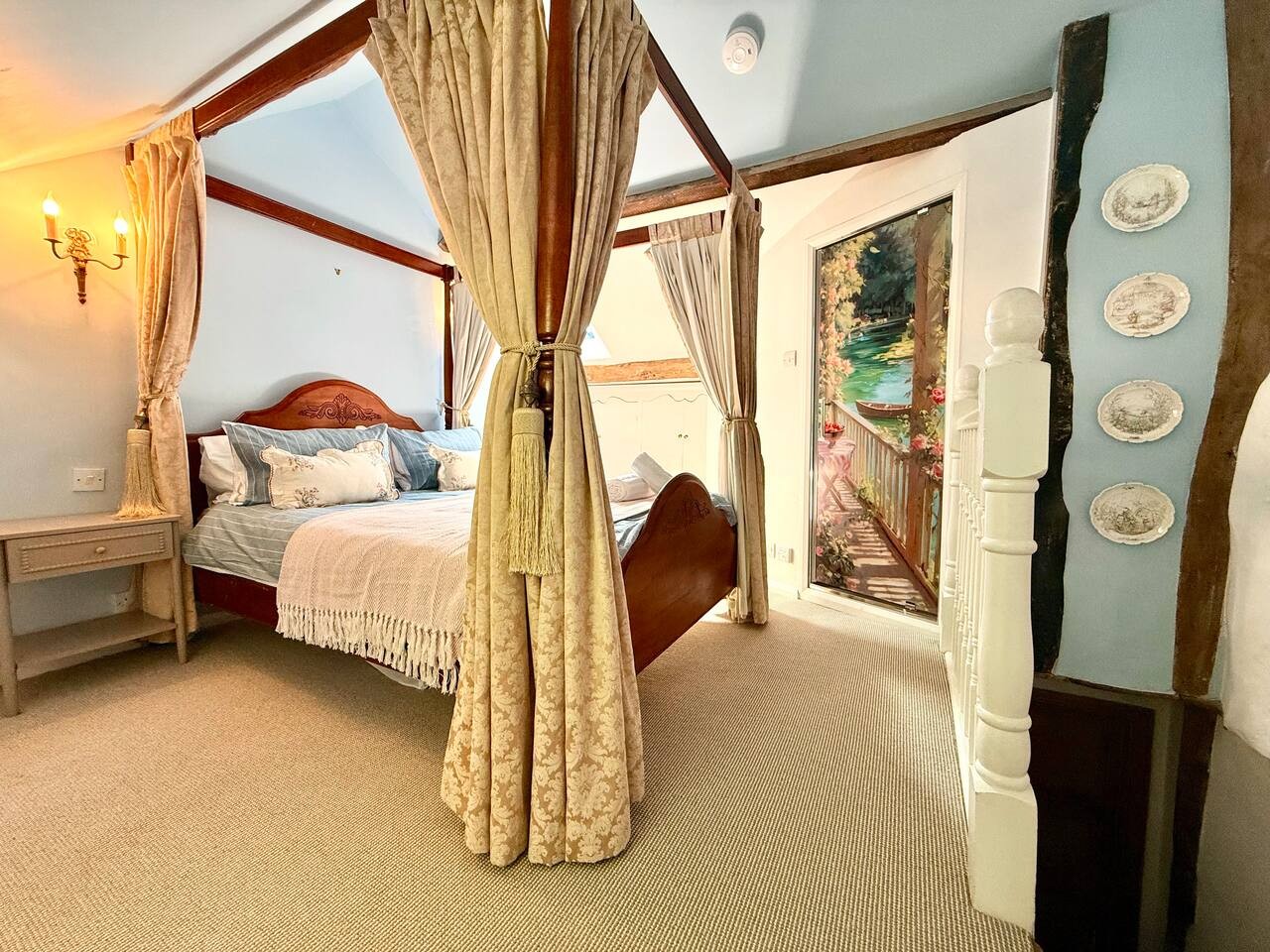
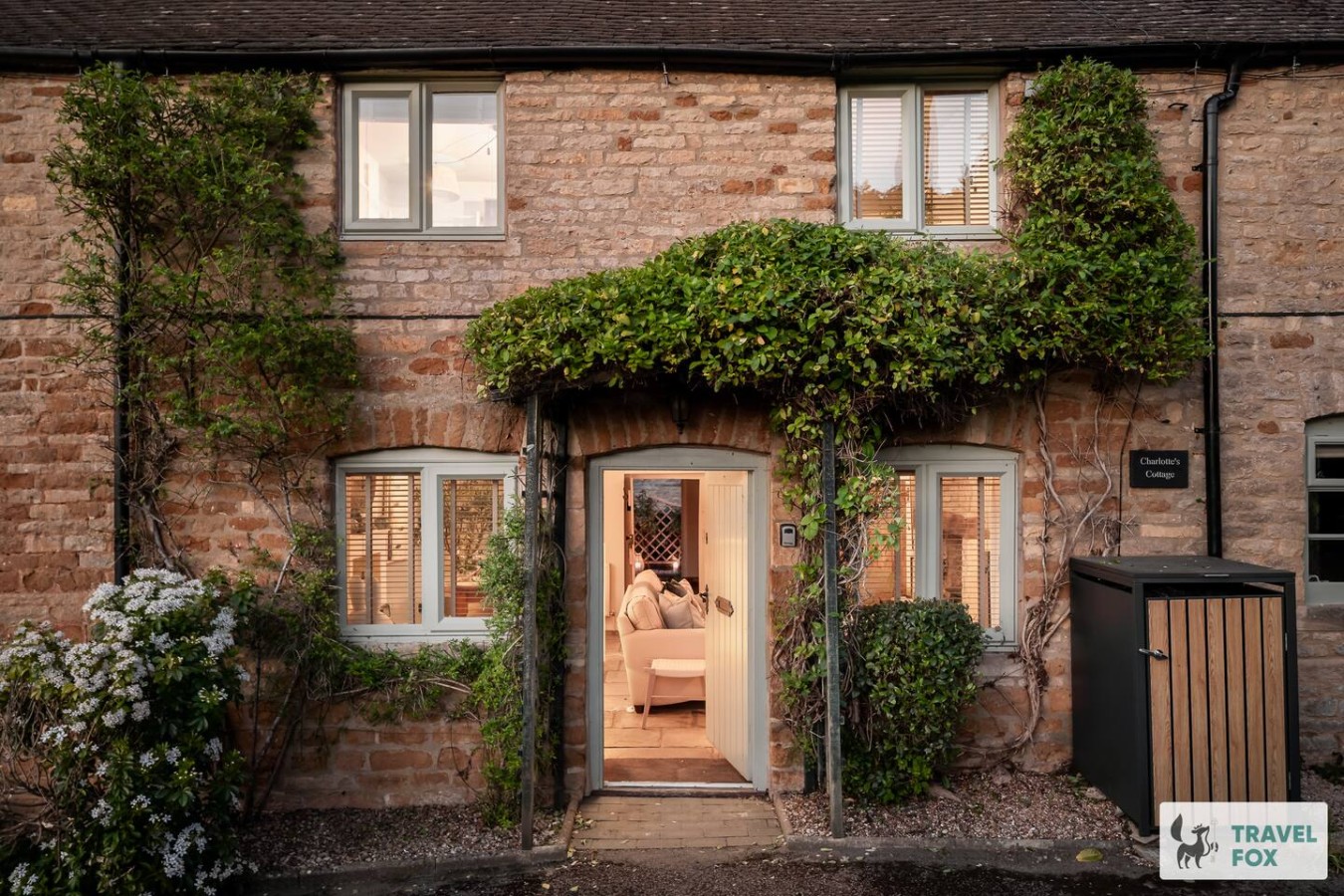
Travel Fox holiday homes around Cotswolds, linked directly to their property pages.
For homeowners
Own a holiday home near Toddington?
We manage holiday lets across the Cotswolds from 12% commission, charged after cleaning costs, with no lock-in. A co-founder visits before you decide.
Holiday let management in the Cotswolds →
A guide with a point of view
Written from research. Edited for real journeys.
Use the Official site links for live practical details, then use this guide for context, ideas and room to explore.
Sources
Every place on this page is checked against a published source. Each entry links the record we used and names who publishes it.
- Toddington station — historicengland.org.uk statutory register or public authority record not machine-readable; publisher restricts automated access
- Cotswold Halt Café and GWSR shop — gwsr.com operator, sector body or destination organisation
- The Pheasant Inn — thepheasantinntoddington.co.uk operator, sector body or destination organisation
- Hayles Fruit Farm — haylesfruitfarm.co.uk operator, sector body or destination organisation
- Church of St Andrew — historicengland.org.uk statutory register or public authority record not machine-readable; publisher restricts automated access
- Isbourne Way — ldwa.org.uk other published source
- Hailes Abbey — english-heritage.org.uk national body or asset manager
- Stanway House and Fountain — stanwayfountain.co.uk operator, sector body or destination organisation