
Estate village, marked paths
Badminton
A broad, walled High Street points towards Badminton House, while marked public rights of way lead through parkland to Little Badminton.
- Best for
- Estate walks on public rights of way
- Give it
- About 2.5 hours for the five-mile circuit
- Don't miss
- The 1785 church and its ducal monuments
The Fox verdict
Come for the walking
Badminton is an estate village whose strongest visitor experiences are its two public-rights-of-way routes, parish church and useful High Street shop.
Choose the generally level 2.5-mile out-and-back to Little Badminton or the stile-free five-mile circuit on unsurfaced paths through woodland and parkland. St Michael and All Angels adds an 18th-century interior with horse-box pews and ducal monuments, while the Fox & Hounds in Acton Turville is the nearest pub.
Where to go
Places in Badminton
Every place below is checked against a published source, listed with what it is and how long to give it.
Local signatures
3 placesSt Michael and All Angels, Great Badminton
Built in 1785 by Charles Evans of London, the church contains a tunnel-vaulted nave, horse-box pews, Beaufort heraldic glass and ducal monuments by Grinling Gibbons and Rysbrack.
- Visit length
- Editorial estimate: around 45 minutes
- Locality
- Great Badminton
Drewetts Stores
The village convenience shop and Post Office is a practical walkers' stop for drinks, ices and snacks.
- Visit length
- Editorial estimate: around 15 minutes
- Locality
- High Street
Malmesbury Abbey
A 12th-century abbey in Malmesbury, where the wider town visit can also include the 15th-century Market Cross, Athelstan Museum, independent shops and River Avon walks.
- Visit length
- Editorial estimate: around 1 hour
- Locality
- Malmesbury
Food & drink
1 placeFox & Hounds, Acton Turville
The nearest pub is a former coaching house serving seasonal, locally sourced food, with a spacious garden courtyard and four double en-suite rooms.
- Visit length
- Editorial estimate: around 1 hour 30 minutes
- Locality
- Acton Turville
- Access
- Dogs are welcome.
Walks & outdoors
2 placesBadminton Woodland and Parkland
A circular route across the estate's grassy airstrip and past castellated barns and cottages, Seven Mile Plantation, Little Badminton and the deer park.
- Visit length
- Editorial estimate: About 2.5 hours
- Locality
- Badminton estate, Little Badminton and the deer park
- Access
- The route is stile-free but uses unsurfaced paths. Use only the marked public rights of way, keep dogs on short leads around the red-deer herd, and check the estate notice because the park route closes around the Horse Trials.
Westonbirt, the National Arboretum
A nearby day out among global tree collections, woodland paths and a treetop walkway.
- Visit length
- Editorial estimate: around 2 hours
- Locality
- Westonbirt
Things to do
1 placeBadminton Very Easy Walk
A generally level route on village lanes and public rights of way, passing Park Pond, the horse-trials arena, Little Badminton's tiny 13th-century church and a view of the medieval dovecote.
- Visit length
- Editorial estimate: around 1 hour 30 minutes
- Locality
- from Badminton Memorial Hall through Badminton Park to Little Badminton
- Access
- Use only the marked public rights of way, keep dogs on short leads around the red-deer herd, and check the estate notice because the park route closes around the Horse Trials. The Little Badminton village-green extension excludes wheelchair users.
No places match this filter. Choose All places to reset the list.
Three ways to explore Badminton
Signature outings
Look closely inside the 1785 church
See the tunnel-vaulted nave, horse-box pews, Beaufort heraldic glass and monuments carved by Grinling Gibbons and Rysbrack.
Settle into the nearest pub
The Fox & Hounds is about a mile from Badminton, with seasonal locally sourced food and a spacious garden courtyard.
Take to the treetop walkway
Use Westonbirt for a nearby day among global tree collections, woodland paths and its treetop walkway.
The village story
Badminton Village Guide
Walk the public paths of a private estate village, then trace its church, house, sporting name and long history.
The High Street and Village Shop
The High Street runs along a broad, straight axis aimed at the gates of Badminton House. It is a broad walled axis, ochre-washed terraces and Queen Anne houses giving way to Victorian estate cottages, with trees closing the view at both ends. Country Life called it "a charming architectural set piece, redolent of benevolent feudalism." You are in an estate village, and the street is oriented towards the house gates.
Drewetts Stores on the High Street is the shop and the Post Office, stocking the drinks, ices and snacks that walkers reach for on the way out. It's a useful stop, so plan the rest of your supplies around a car.
Estate Walks and Public Access
The walking is the reason to stay. From the Memorial Hall on Haye's Lane, an easy 2.5-mile route runs out and back through Badminton Park to Little Badminton, generally level on lanes and rights of way. It passes Park Pond, the horse-trials arena, the tiny 13th-century church at Little Badminton and a view of the medieval dovecote. A longer five-mile circular, stile-free but on unsurfaced paths, crosses the estate's grassy airstrip, threads past castellated barns and Seven Mile Plantation, and passes through the deer park.
A few things to know before you set off. The estate is a private working one, and access is only on the marked public rights of way. Keep to the paths, keep dogs on short leads near the red-deer herd, and check the estate notice first: the park route closes around the Horse Trials each spring.
Food, Transport and the Parish Church
There is no pub in Badminton itself. The nearest is the Fox & Hounds at Acton Turville, about a mile off, a former coaching house with a garden courtyard, four en-suite rooms and dogs welcome. The Sunday menu runs from topside of beef, leg of lamb, turkey crown and roasted pork to a mushroom-and-Brie Wellington, with cod and chips and a pie of the day alongside; sticky toffee pudding, chocolate brownie, Eton mess and a crumble of the day finish it. The route 41 bus links the village Post Office to Acton Turville, Sherston, Malmesbury and Yate, Monday to Saturday, and the A46 and M4 Junction 18 are a few minutes' drive. The nearest station is Yate; Badminton's own closed in 1968, though the line through it still runs.
The church is St Michael and All Angels, built in 1785 by Charles Evans of London on the model of Gibbs's St Martin-in-the-Fields, with a chancel and apse added in 1875. Inside are a tunnel-vaulted nave, four saucer domes over the aisles, 1785 horse-box pews, and Beaufort heraldic glass by Thomas Willement. Grinling Gibbons carved the marble monument to the 1st Duke, who reclines above a relief of St George and the Dragon; Rysbrack did the 2nd, 3rd and 4th.
Badminton House and Domesday
The house behind the gates has belonged to the Beaufort family since they acquired the manors of Great and Little Badminton in 1612. Rebuilding began in the 1660s, and William Kent later gave the north front its Palladian pediment and twin cupolas. The family gave two things their name. One is the sport: guests of the 8th Duke are said to have batted a shuttlecock about the house in 1863, and the name stuck. The other is the Horse Trials, which the 10th Duke started in 1949 so British riders had somewhere to train; the first was won by John Shedden on a five-year-old called Golden Willow, one of twenty-two starters. During the Second World War, Queen Mary stayed here for much of the war as her niece the Duchess's guest.
Long before any of that, the Domesday surveyors counted twenty-four households, a priest, and eight acres of meadow, and valued the whole place at ten pounds in 1066 and ten pounds again in 1086.
Nearby Places and a Final Route
Four miles on lies Castle Combe, honey-coloured cottages in a wooded valley; Malmesbury, with its 12th-century abbey and market cross, sits at the far end of the 41 bus; and Westonbirt Arboretum is nearby for a day among the trees. Spend your time here on the walk from the village hall out into the park, and at the shop on the High Street for drinks, ices and snacks.
Stay around Cotswolds
Make a longer stay of it
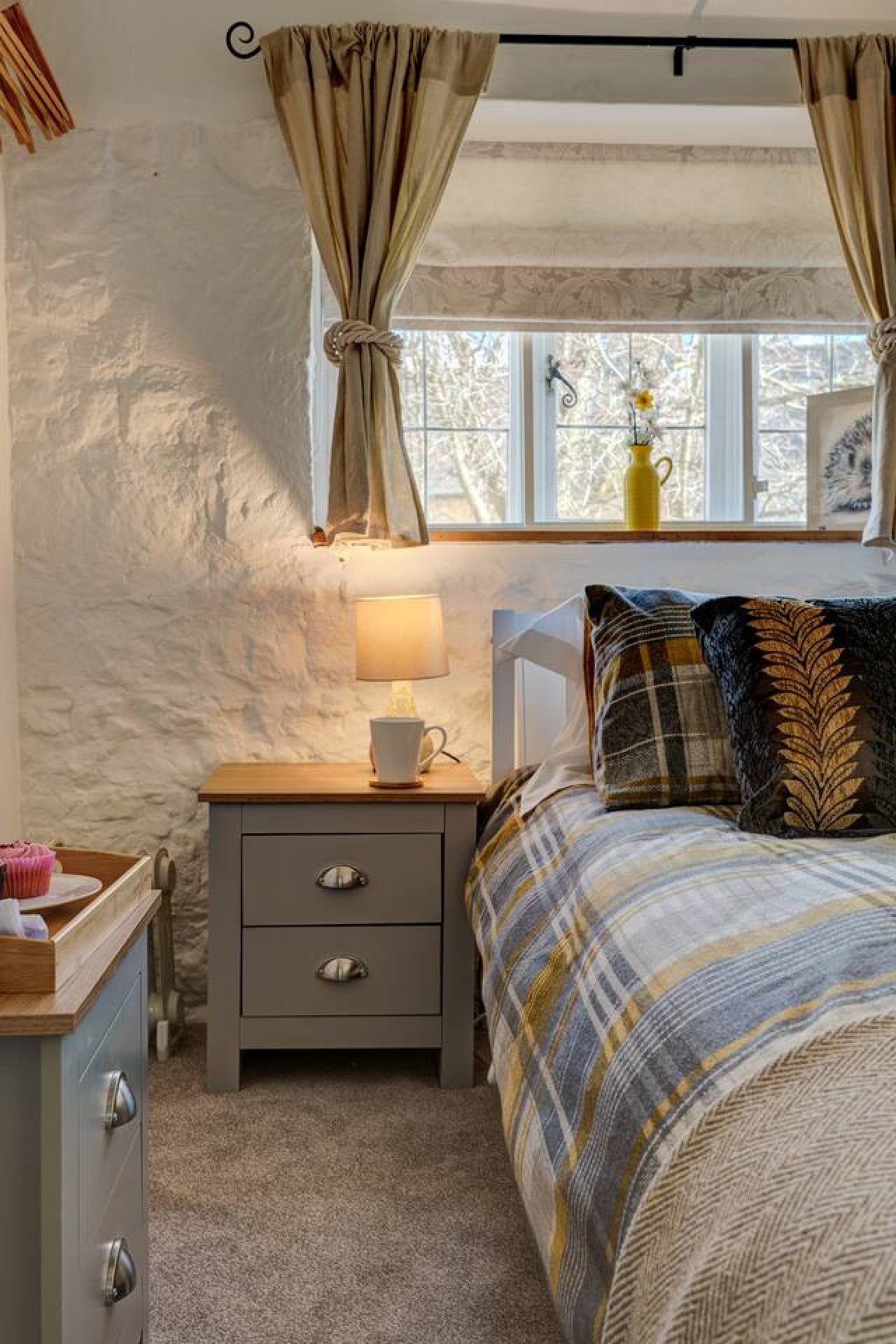
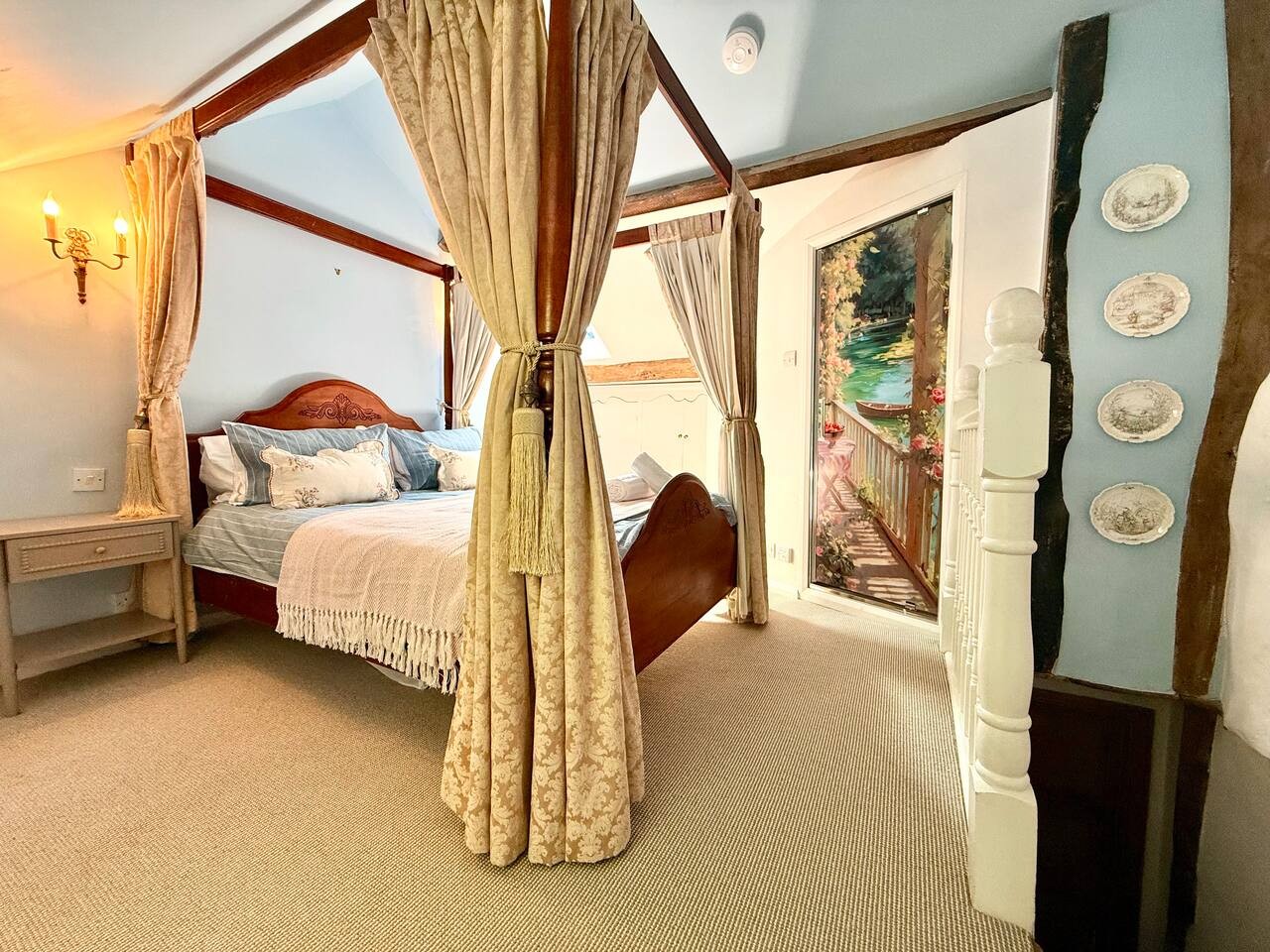
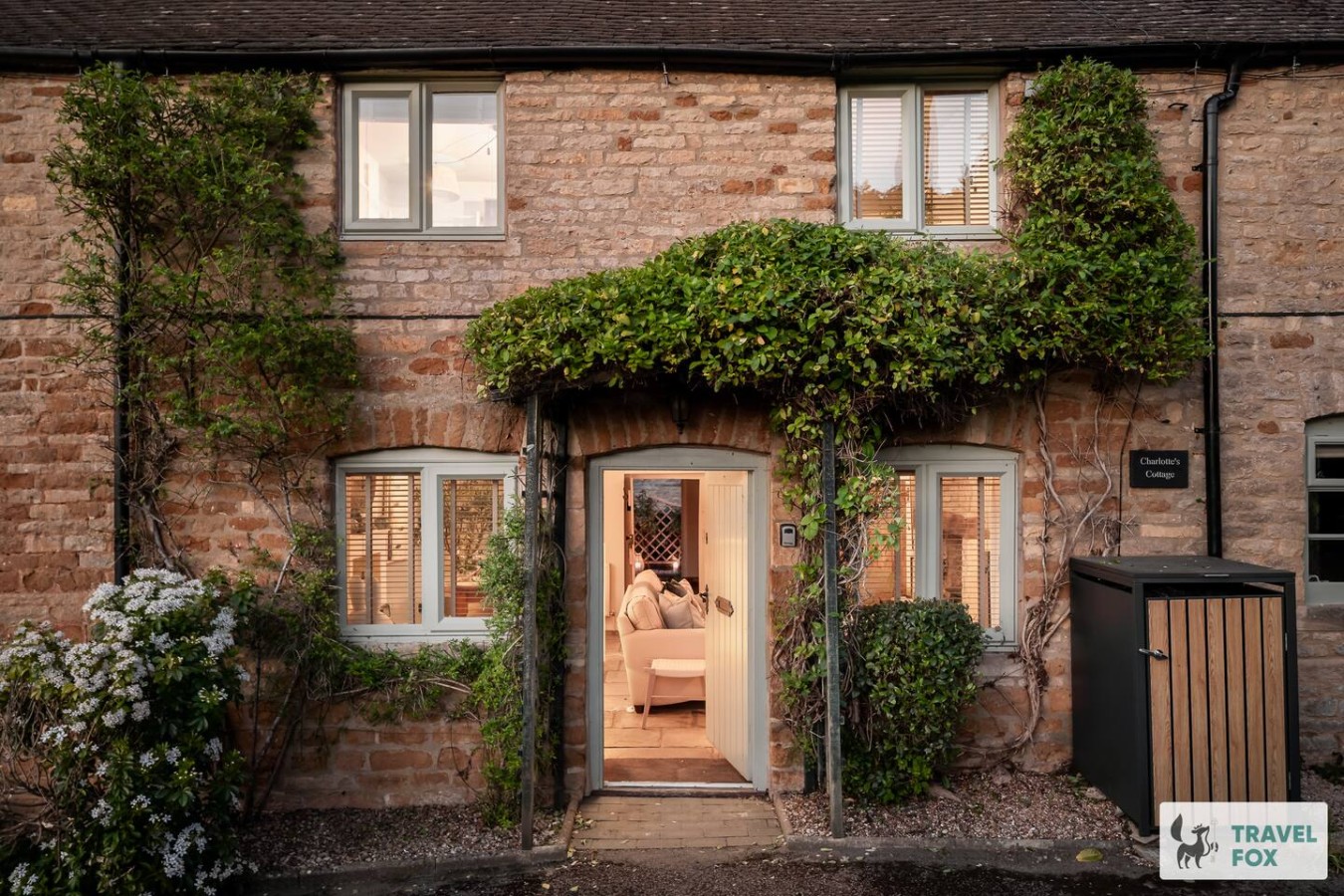
Travel Fox holiday homes around Cotswolds, linked directly to their property pages.
For homeowners
Own a holiday home near Badminton?
We manage holiday lets across the Cotswolds from 12% commission, charged after cleaning costs, with no lock-in. A co-founder visits before you decide.
Holiday let management in the Cotswolds →
A guide with a point of view
Written from research. Edited for real journeys.
Use the Official site links for live practical details, then use this guide for context, ideas and room to explore.
Sources
Every place on this page is checked against a published source. Each entry links the record we used and names who publishes it.
- Badminton Very Easy Walk — cotswolds-nl.org.uk other published source
- Badminton Woodland and Parkland — cotswolds-nl.org.uk other published source
- St Michael and All Angels, Great Badminton — historicengland.org.uk statutory register or public authority record not machine-readable; publisher restricts automated access
- Drewetts Stores — historicengland.org.uk statutory register or public authority record not machine-readable; publisher restricts automated access
- Fox & Hounds, Acton Turville — foxandhoundsinn.co.uk operator, sector body or destination organisation
- Malmesbury Abbey — malmesbury.gov.uk statutory register or public authority
- Westonbirt, the National Arboretum — forestryengland.uk national body or asset manager