
On the Cotswold Edge
Hawkesbury Upton
Ridge walks, wooded coombes and layered village history, with a community shop and traditional country pub for the return.
- Best for
- Ridge walks and local history
- Give it
- Two hours for the Kilcott circuit
- Don't miss
- The 1846 Somerset Monument
The Fox verdict
Come for the walking, stay for the village detail
Hawkesbury Upton pairs Cotswold Edge routes with a landmark tower, a Grade I church in nearby Hawkesbury and useful village stops.
The four-mile Kilcott circuit moves through wooded coombes and back along the ridge, while the longer history walk connects Drover's Pool, medieval strip-field lynchets, St Mary the Virgin and Horton Court. The Somerset Monument gives both routes a strong historical landmark, and Hawkesbury Stores and the Beaufort Arms make practical stops for walkers.
Where to go
Places in Hawkesbury Upton
Every place below is checked against a published source, listed with what it is and how long to give it.
Local signatures
3 placesParish Church of St Mary the Virgin
A Grade I 12th-century church on a Saxon church site, with later medieval work and a 15th-century west tower with gargoyles, embattled parapets and a sundial.
- Visit length
- Editorial estimate: Allow around 45 minutes
- Locality
- The smaller hamlet of Hawkesbury
Hawkesbury & Horton History Walk
A history circuit with Cotswold and Severn Vale views, linking Drover's Pool, the Somerset Monument, medieval strip-field lynchets at The Sands, St Mary's, Horton Court and the site traditionally called the Roman Camp.
- Visit length
- Editorial estimate: Allow roughly three hours
- Locality
- From the village hall
Newark Park
A National Trust estate combining a Tudor hunting lodge, garden, more than 700 acres, three waymarked estate walks and play areas.
- Visit length
- Editorial estimate: Allow around two hours
- Locality
- Near Wotton-under-Edge
- Access
- Check the official site for dated admission and opening information.
Food & drink
2 placesThe Beaufort Arms
The only pub currently confirmed by the parish council, this traditional country free house has two low-beamed bars, pub and brewery memorabilia and period dentist chairs.
- Visit length
- Editorial estimate: Allow around 90 minutes
- Locality
- Just off the Cotswold Way
- Access
- Dogs are welcome in the Public Bar, but not in the carpeted Lounge Bar or Dining Room; mention a dog when booking.
Hawkesbury Stores
A community-owned general store serving residents and Cotswold Way walkers with food, drink and local directions.
- Visit length
- Editorial estimate: Allow around 15 minutes
- Locality
- High Street
Walks & outdoors
1 placeCircular via Kilcott
A circuit through wooded coombes beside a sometimes-dry brook, past Kilcott's mill and cottages, then up a steep sunken stretch of the Cotswold Way and back along the ridge via the Somerset Monument.
- Visit length
- Editorial estimate: Allow 1½–2 hours
- Locality
- Through the Coombes and Kilcott
- Access
- Moderate fitness is advised because of tricky slopes and stiles.
History & heritage
1 placeSomerset Monument
A slightly tapering, approximately 100ft ashlar tower built in 1846 by Lewis Vulliamy, with Beaufort portcullis motifs and an unusual Chinese-effect top.
- Visit length
- Editorial estimate: Allow around 25 minutes
- Locality
- On the Kilcott circuit and history-walk routes
- Access
- The 2020 history-walk booklet recorded the interior as unsafe for public access; current interior access is unconfirmed.
No places match this filter. Choose All places to reset the list.
Three ways to explore Hawkesbury Upton
Signature outings
Dentist chairs and pub memorabilia
Visit the Beaufort Arms for its two low-beamed bars, period dentist chairs and pub and brewery memorabilia.
A church on a Saxon site
Look for St Mary's Romanesque north doorway, medieval-glass fragment, box pews and 15th-century west tower.
The tower with a Chinese-effect top
See Lewis Vulliamy's approximately 100ft Somerset Monument, built in 1846 with Beaufort portcullis motifs.
The village story
Hawkesbury Upton Village Guide
A pub with an eccentric interior, practical village stops and walks that carry Hawkesbury Upton's story across the Cotswold Edge.
Inside the Beaufort Arms
Inside the Beaufort Arms, among the pub and brewery memorabilia crowding its two low-beamed bars, sit a pair of period dentist chairs. It is a traditional country free house, the only pub the parish now lists, and it stands just off the Cotswold Way, reached by a short footpath across the cricket field. Mark and Fiona Steeds have run it since 1994, and in 2019 it collected a CAMRA plaque for twenty-five years in the Good Beer Guide.
The Sunday menu runs to roast beef, pork or chicken with the trimmings, a vegetarian nut roast, breaded whole-tail scampi, Gloucestershire ham, egg and chips, beef and vegetarian lasagnes, an aromatic Penang coconut curry, West Country faggots and battered halloumi. PROP volunteers keep a market garden that sends seasonal produce to the kitchen. Dogs are welcome in the Public Bar but not the carpeted Lounge or Dining Room, so mention yours when you book.
Mark Steeds trained as a draughtsman before he took the pub on. "I went from drawing pictures to drawing pints," he said.
Provisions and arrival
For provisions, Hawkesbury Stores on the High Street is community-owned and used to serving both residents and Cotswold Way walkers, who come in for food, drink and directions. There is a separate Post Office branch on Back Street for mail, everyday banking, bills and travel money.
The nearest station is Yate, about 5.7 miles off and run by Great Western Railway. The Y8 bus links the village to Yate, Chipping Sodbury and Wotton-under-Edge, though services here change, so it is worth checking live times; the final approach by car is on minor roads off the A46.
Village events and Cotswold Edge walks
Behind the village are a children's play park, a skate park, a football pitch, and cricket and tennis clubs. The village hall and recreation ground host the Hawkesbury Horticultural Show each year, its produce marquee filling with fruit, vegetables, flowers, crafts, home baking, wine, photographs and pictures; the day has also run to a carnival procession, fairground rides, live music, archery, a beer tent and a deer roast, and it draws around two thousand people. The literature festival, founded by the author Debbie Young and launched on World Book Night in 2015, now spreads smaller events across the year and lends a hand to the show, the scarecrow festival and the Christmas-tree festival.
The village sits on the Cotswold Edge, and the walking is much of the reason to come. A four-mile circuit via Kilcott drops through wooded coombes beside a brook that is sometimes dry, passes the mill and cottages at Kilcott, then climbs a steep sunken stretch of the Cotswold Way and returns along the ridge past the Somerset Monument. The tricky slopes and stiles ask for reasonable fitness, and you may spot buzzards overhead and views across to Wotton-under-Edge and Newark Park. A longer six-mile history walk from the village hall takes in the Drover's Pool, the medieval strip-field lynchets at The Sands, St Mary's and Horton Court.
Monument, church and manor
The Somerset Monument is hard to miss on either route: a tapering ashlar tower of about a hundred feet, built in 1846 by Lewis Vulliamy, carrying the Beaufort portcullis and finished with an unusual Chinese-effect top. It commemorates General Lord Robert Edward Henry Somerset, who led the Household Cavalry Brigade at Waterloo and died in 1842, and it stands on the site of a bowling green recorded in 1669.
St Mary the Virgin is not in Hawkesbury Upton itself but down in the smaller hamlet of Hawkesbury, a steep walk or short drive away. Graded I, it is a twelfth-century church on the site of a Saxon church, with later medieval additions and a fifteenth-century Perpendicular west tower with gargoyles, embattled parapets and a sundial. Inside are seventeenth-century box pews, a Romanesque north doorway carved with dog-tooth moulding, a fragment of medieval glass showing St Giles, and monuments to the Jenkinsons, one of whom became the second Earl of Liverpool and prime minister from 1812 to 1821. The manor house that stood beside the church was abandoned soon after 1770.
Domesday and the rescued village sign
The Domesday surveyors counted fifty-two households here, along with ten acres of meadow and three mills, and valued the whole estate, then held by Pershore Abbey, at ten pounds — down from sixteen twenty years before.
An old black-and-yellow AA village sign now hangs at the Beaufort. Anne Sheppard found it around 1981 doing service as the cover of a well at the Blue Boy, a pub that is no longer a pub, and passed it to the one that still is.
Stay around Cotswolds
Make a longer stay of it
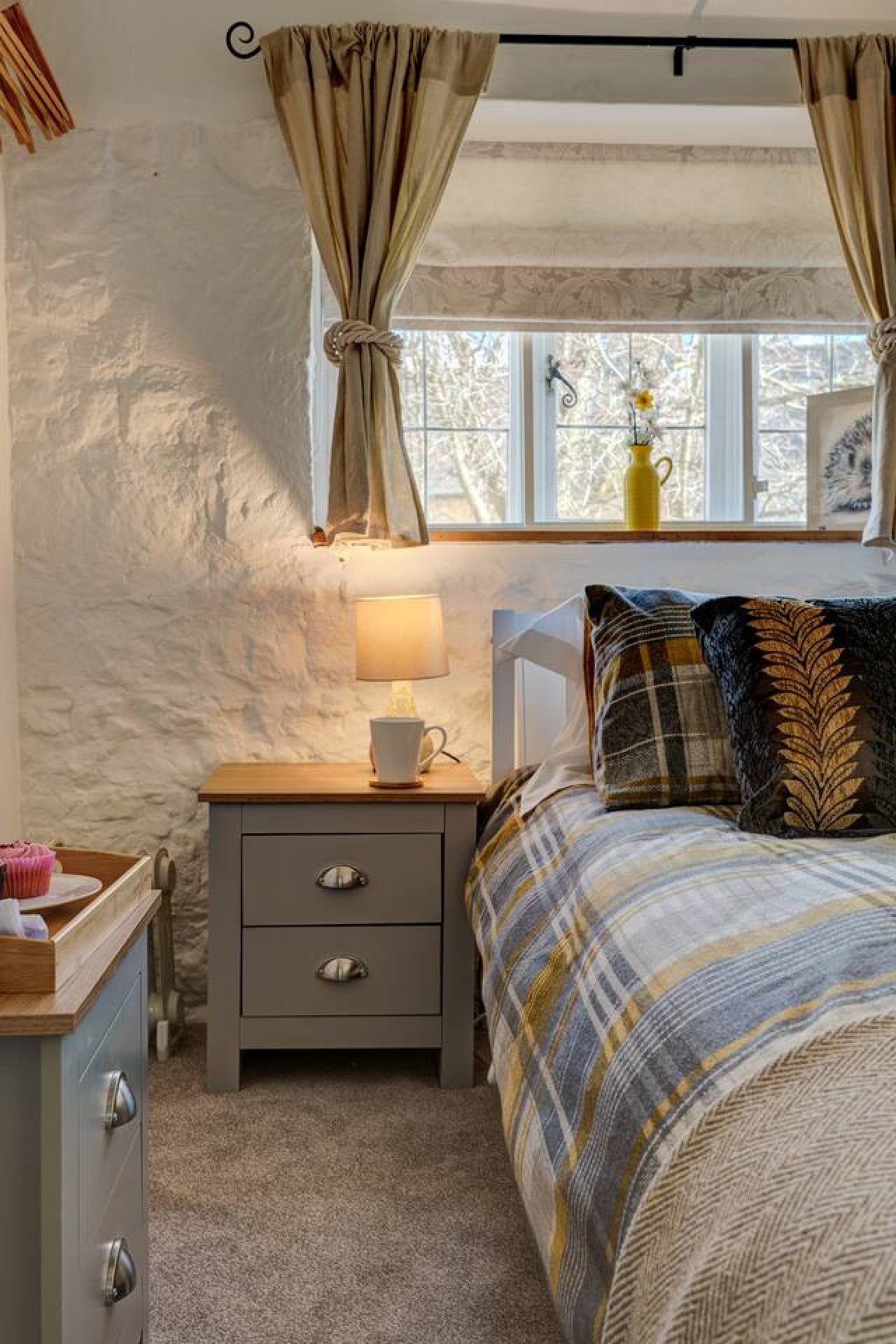
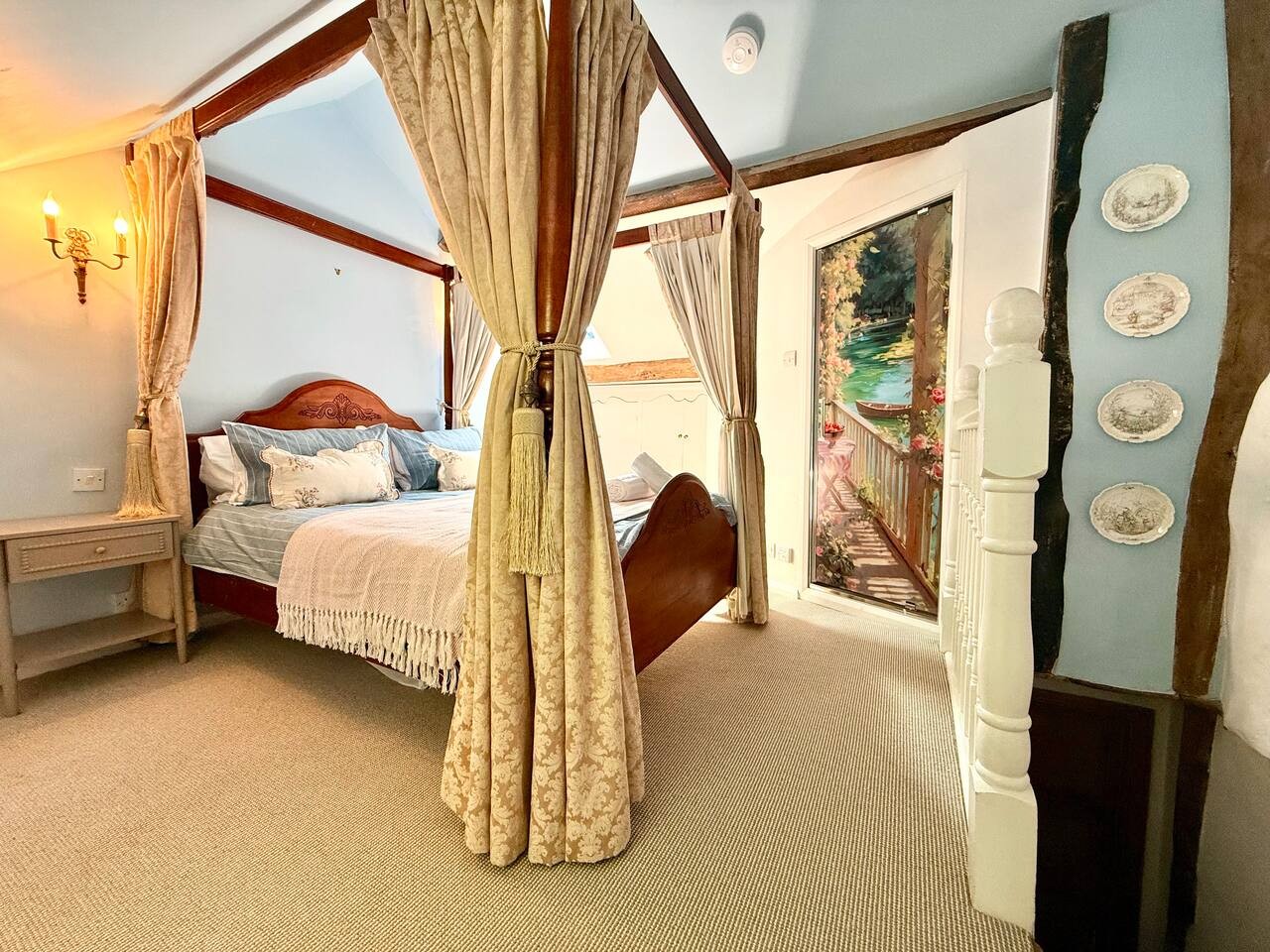
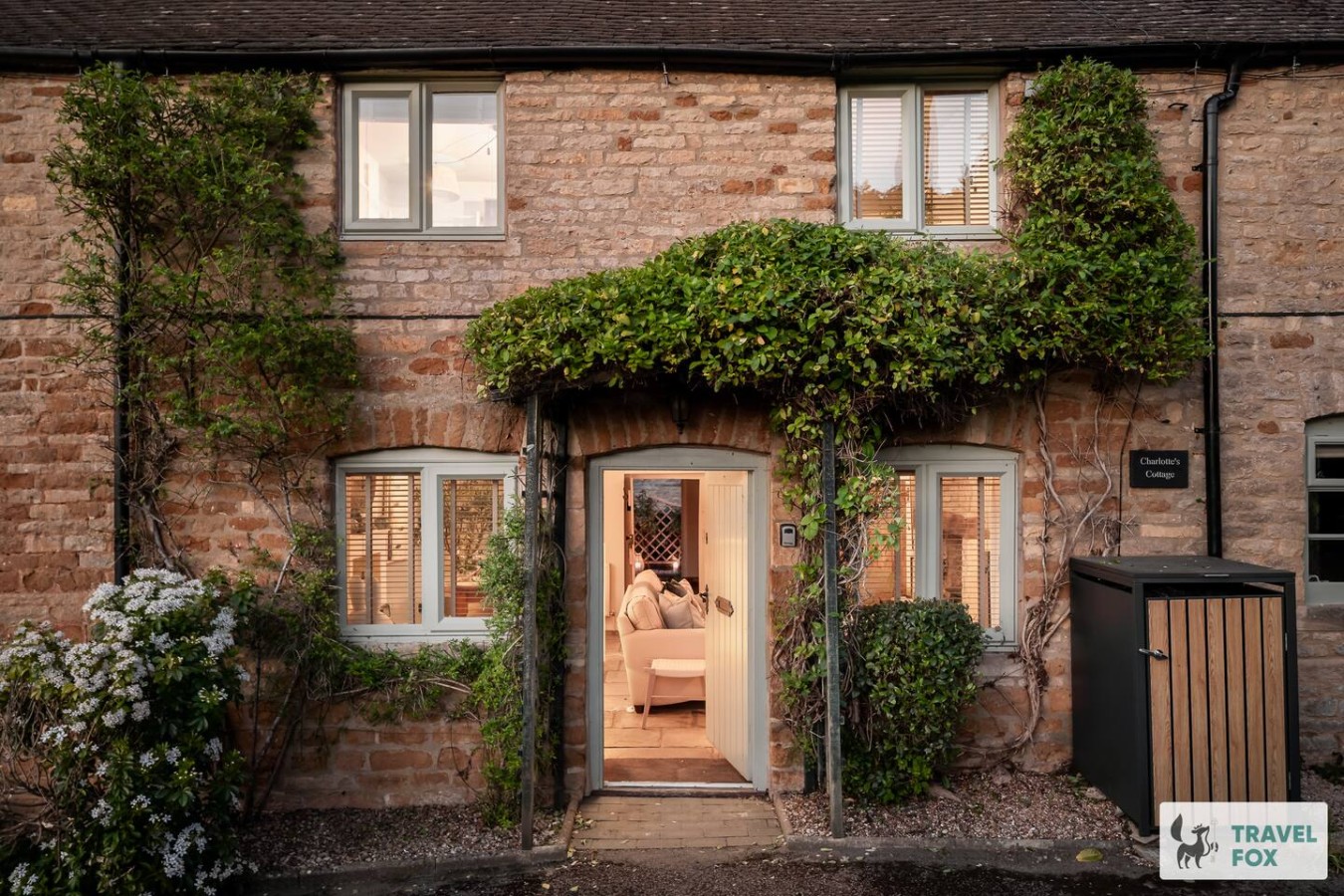
Travel Fox holiday homes around Cotswolds, linked directly to their property pages.
For homeowners
Own a holiday home near Hawkesbury Upton?
We manage holiday lets across the Cotswolds from 12% commission, charged after cleaning costs, with no lock-in. A co-founder visits before you decide.
Holiday let management in the Cotswolds →
A guide with a point of view
Written from research. Edited for real journeys.
Use the Official site links for live practical details, then use this guide for context, ideas and room to explore.
Sources
Every place on this page is checked against a published source. Each entry links the record we used and names who publishes it.
- The Beaufort Arms — beaufortarms.com operator, sector body or destination organisation
- Hawkesbury Stores — nationaltrail.co.uk other published source
- Parish Church of St Mary the Virgin — historicengland.org.uk statutory register or public authority record not machine-readable; publisher restricts automated access
- Circular via Kilcott — cotswolds-nl.org.uk other published source
- Hawkesbury & Horton History Walk — hawkesburyupton.com operator, sector body or destination organisation
- Somerset Monument — historicengland.org.uk statutory register or public authority record not machine-readable; publisher restricts automated access
- Newark Park — nationaltrust.org.uk national body or asset manager