
A small Cotswold village
Cherington
High ground, a Grade I church and a long-distance path shape a quiet base north-east of Tetbury.
- Best for
- Church architecture and country walking
- Give it
- Half a day with a walk
- Don't miss
- The Norman details inside St Nicholas
The Fox verdict
A church-and-footpath village
Cherington is a tiny, quiet base for St Nicholas, the Gloucestershire Way and nearby food stops.
The village itself is small, but its Grade I church rewards close attention and the Gloucestershire Way provides the clearest reason to linger outdoors. Avening adds published circular walks, while Tetbury, Jolly Nice and Westonbirt broaden a visit by car.
Where to go
Places in Cherington
Every place below is checked against a published source, listed with what it is and how long to give it.
Local signatures
3 placesGloucestershire Way
A 100-mile route whose documented line through the parish links Cherington with Sapperton, Tarlton, Avening and Westonbirt.
- Visit length
- Editorial estimate: Allow around 2 hours
- Locality
- through Cherington parish
- Access
- Use a current OS map or route guide for turn-by-turn navigation.
Avening Circular Walks
Avening Parish Council publishes circular walks through open fields, wooded paths and quiet corners in its Cotswold valley.
- Visit length
- Editorial estimate: Allow around 90 minutes
- Locality
- Avening
Jolly Nice Farmshop, Café & Drive-Through
A family-run farm shop, café, bar and drive-through sourcing from more than 70 local micro-producers, small family farms and artisan producers.
- Visit length
- Editorial estimate: Allow around 1 hour
- Locality
- Frampton Mansell, off the A419
Food & drink
1 placeTetbury Markets
Markets beneath the Grade I Market House sell produce and other goods, with Tetbury's food specialists, butchers and bakers nearby.
- Visit length
- Editorial estimate: Allow around 1 hour
- Locality
- beneath Tetbury Market House
History & heritage
1 placeChurch of St Nicholas
A Grade I church with a 12th-century foundation, a mid-13th-century chancel and surviving Norman font, piscina and north-doorway tympanum.
- Visit length
- Editorial estimate: Allow around 45 minutes
- Locality
- near the middle of Cherington
Things to do
2 placesCherington Show
An annual show begun in 1945, with produce and craft stalls, church flower displays, a dog show and children's activities.
- Visit length
- Editorial estimate: Allow around 2 hours
- Locality
- the church and village hall
- Access
- An annual event rather than a year-round attraction.
Westonbirt, The National Arboretum
A family day out with 2,500 types of tree and shrub, five national collections, a treetop walkway and Gruffalo activity.
- Visit length
- Editorial estimate: Allow around 2 hours
- Locality
- south-west of Tetbury
No places match this filter. Choose All places to reset the list.
Three ways to explore Cherington
Signature outings
Norman details at St Nicholas
Look for the Norman font, piscina and carved tympanum above the north doorway of this Grade I church.
Tetbury Market House
Browse produce and other market goods beneath Tetbury's Grade I Market House.
Westonbirt's collections
Explore 2,500 types of tree and shrub, five national collections and the treetop walkway.
The village story
Cherington Village Guide
A small high-ground village shaped by its church, paths and agricultural past.
Village life without a pub
Three roads meet at a small green — the ways in from Tetbury, Minchinhampton and Cirencester — and that is more or less the whole of the village centre. About a hundred and ten people live in Cherington, counting the outlying farms and houses, on high ground four miles north-east of Tetbury.
You should know before you book that the village has no pub. The last one was a beerhouse that traded as the Yew Tree and then the Cherington Inn; it closed in July 1988 and became a private house after a petition of 150 signatures failed to save it. "I do not think there is a future for the pub," said Councillor Jo Clark during the debate over the conversion.
Food stops and country walking
So the food is a short drive away, and the nearest reason to make it is Jolly Nice at Frampton Mansell, a farm shop, café and bar just off the A419 that buys from more than seventy small local producers. The kitchen does a native-breed beef burger with local bacon and Dorset Coastal cheddar, a buttermilk-fried pheasant burger they call the KFP, pulled-pork loaded fries, and a cauliflower plate with ras el hanout chickpeas and tahini, with Stroud Brewery beers and Dunkertons cider on tap. Butchery-made sausage rolls and Scotch eggs travel well if you are walking afterwards. Tetbury, four miles off, supplies the rest: butchers, bakers and food shops along Long Street and Church Street, and markets under the old Market House on Wednesdays and Saturdays.
Walking is the real amenity here. The Gloucestershire Way, a hundred-mile route, passes through the parish on its line between Sapperton, Tarlton, Avening and Westonbirt; an OS map will show you where to pick it up for a walk out into open Cotswold country. Avening itself, about a mile and a half west and down in its valley, publishes a set of circular walks and makes a good objective on foot. The old ground around Cherington was downland — arid and stony, good for sheep — with better pasture and water meadow along the Avening stream below.
St Nicholas and Cherington Park
The church of St Nicholas stands near the middle and is worth going in. It is Grade I, twelfth-century in origin, with a chancel rebuilt in the mid-thirteenth. The Norman work that survives is the font, a piscina and a carved tympanum over the north doorway; inside there are Early English lancets in the chancel, plate tracery in the east window, faded wall painting in the south transept, an eighteenth-century communion rail and a crowd of seventeenth- and eighteenth-century monuments. The nave roof was repitched around 1500, its carved struts sitting on stone corbels.
Cherington Park, private and set back from the road, is the other large building. John Neale built the house around 1740; it was enlarged in the nineteenth century and partly demolished in 1955, when its interior was largely remodelled. A Norman tympanum, thought to have come out of the church in the early nineteenth century, is set under an oriel window in its Gothic wing.
Agricultural history and getting here
The rest of the history is agricultural and mostly quiet. Domesday recorded the place as Cerintone: twenty-three households, four acres of meadow, one mill, valued at four pounds. That mill stood on the Avening stream and worked, under the names Ball's Mill and Nag's Head Mill, until about 1919; by the 1970s the buildings were gone and the pond had been grassed over. Cloth once mattered here — of thirty-five men listed in 1608, twelve were in the trade — but no clothworkers appear after the early seventeenth century. The open fields were divided and enclosed under a private Act in 1730, across some 2,200 acres, with Cherington Down as the principal common pasture.
Getting here is a matter of minor roads converging on that green; the A433 Tetbury–Cirencester road passes through the wider parish a couple of miles south. Kemble, about five miles off, is the nearest station, with parking and toilets, managed by Great Western Railway. The county's Robin service will collect you if you book it ahead by phone, website or app.
The annual Cherington Show
The one fixed date the village keeps is the Cherington Show, held every year since 1945. Produce and craft stalls fill the hall, flowers go on display inside the church, and there is a dog show and a bouncy castle for the children, with the takings split between the church and the village hall.
Stay around Cotswolds
Make a longer stay of it
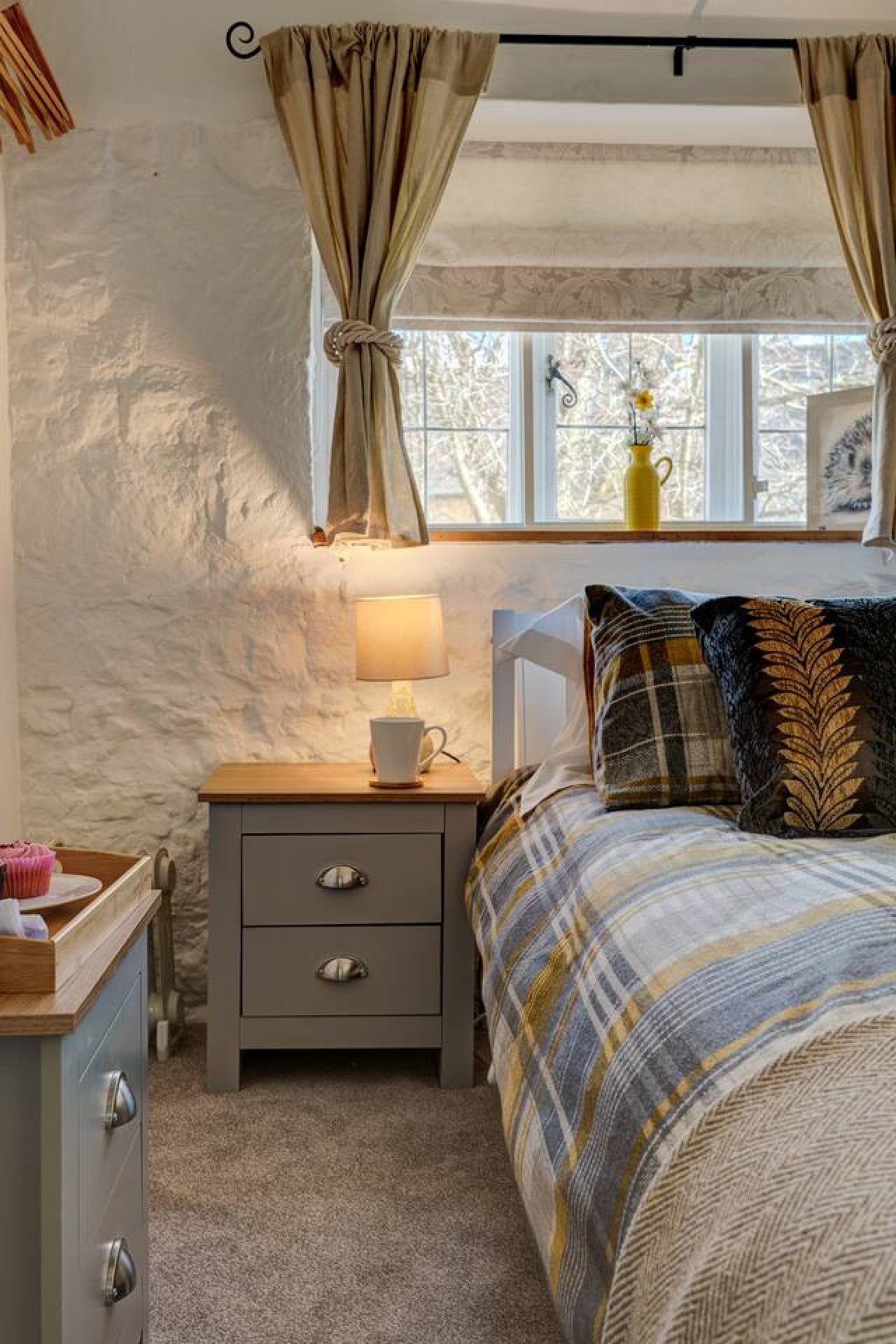
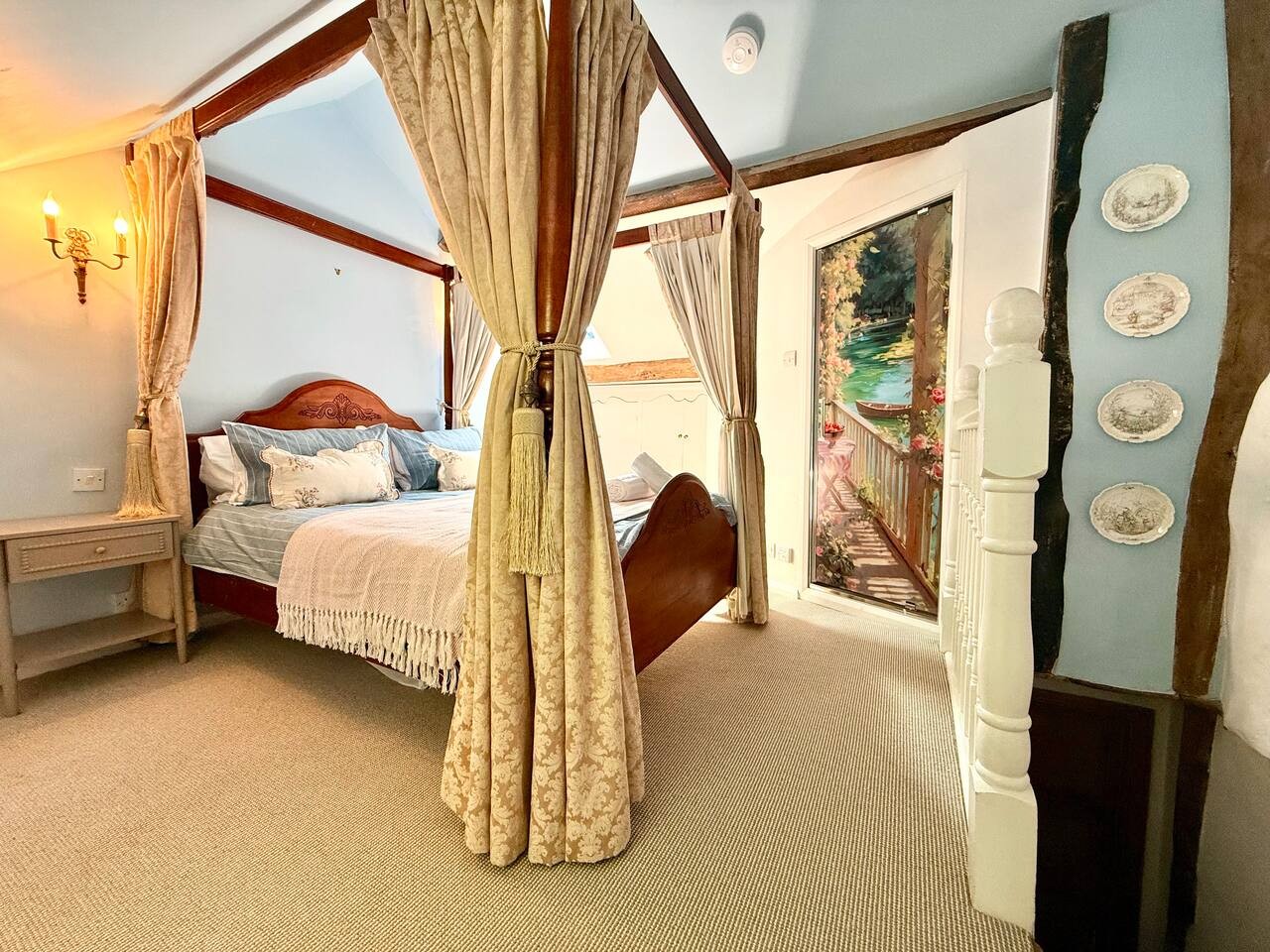
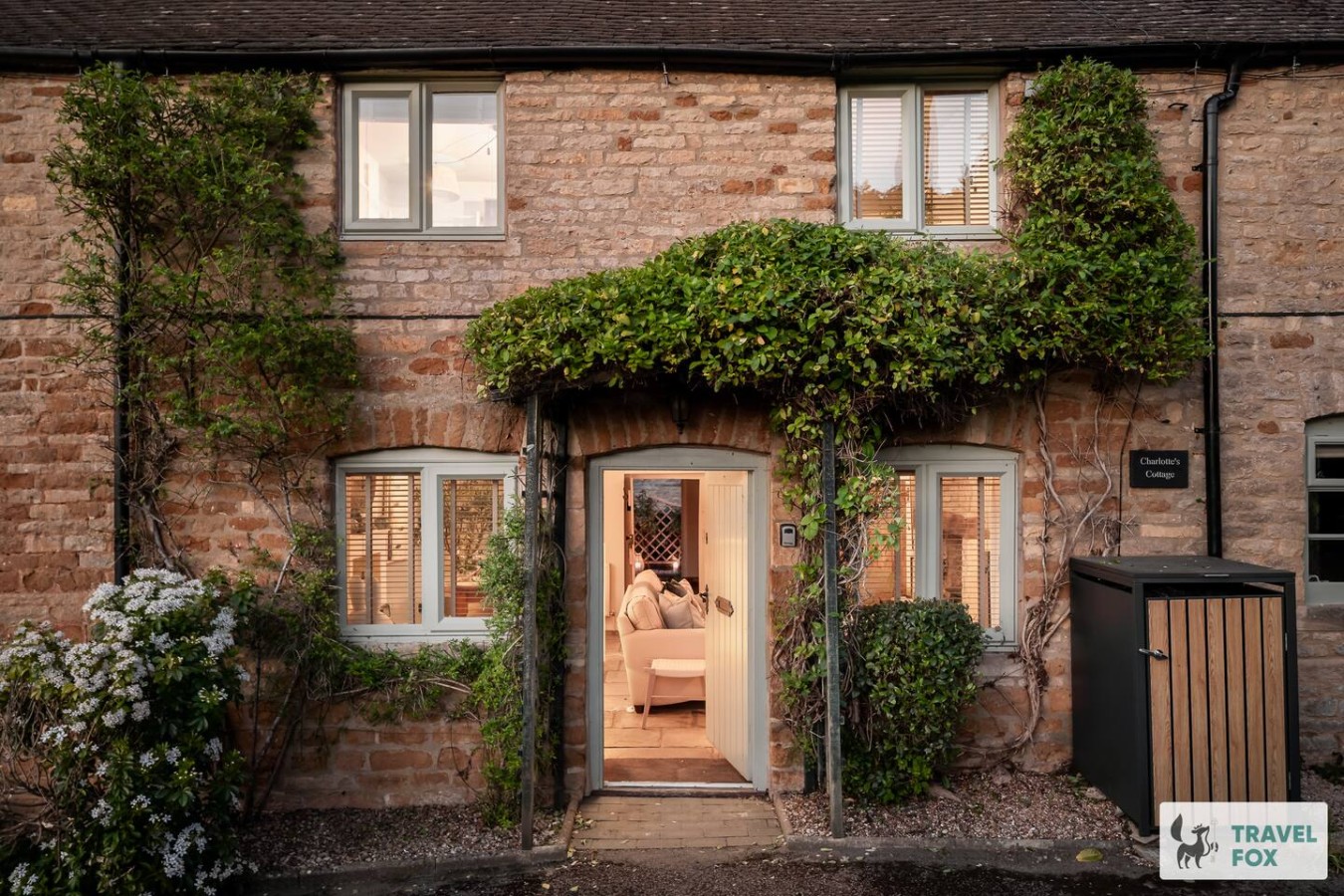
Travel Fox holiday homes around Cotswolds, linked directly to their property pages.
For homeowners
Own a holiday home near Cherington?
We manage holiday lets across the Cotswolds from 12% commission, charged after cleaning costs, with no lock-in. A co-founder visits before you decide.
Holiday let management in the Cotswolds →
A guide with a point of view
Written from research. Edited for real journeys.
Use the Official site links for live practical details, then use this guide for context, ideas and room to explore.
Sources
Every place on this page is checked against a published source. Each entry links the record we used and names who publishes it.
- Church of St Nicholas — historicengland.org.uk statutory register or public authority record not machine-readable; publisher restricts automated access
- Gloucestershire Way — visitdeanwye.co.uk operator, sector body or destination organisation
- Avening Circular Walks — avening-pc.gov.uk statutory register or public authority
- Cherington Show — cheringtonshow.com operator, sector body or destination organisation
- Jolly Nice Farmshop, Café & Drive-Through — jollynicefarmshop.com operator, sector body or destination organisation
- Tetbury Markets — visittetbury.co.uk operator, sector body or destination organisation
- Westonbirt, The National Arboretum — forestryengland.uk national body or asset manager