
Cotswolds Antiques Capital
Tetbury
A wealthy wool town turned treasure trove of independent shops, historic coaching inns, and rolling parkland.
- Best for
- Antiquing and walking
- Give it
- A full weekend
- Don't miss
- The Market House
Photo: Gareth James · CC BY-SA 2.0 · cropped
The Fox verdict
A refined blend of commerce and country
Tetbury avoids the generic feel of some Cotswold villages, offering a dense, walkable core of genuine trade and heritage.
Built on the wealth of the wool trade rather than water power, Tetbury is a town of merchant houses and wide-ranging independent shops. Its appeal lies in the contrast between the compact, antique-filled streets of the centre and the expansive green lungs of the Rail Lands and surrounding estates. Whether browsing for 18th-century furniture or walking the former railway trackbed, the town feels both prosperous and relaxed.
Your picks, your pace
Make Tetbury yours
Choose a mood or build your own list. Your saved stops are an ordering aid, with a direct map route when you are ready.
Local signatures
3 placesThe Rail Lands
A linear park on a former railway trackbed featuring a restored signal box, a Finnish railway carriage, and various play areas.
- Visit length
- Editorial estimate: around 90 minutes
- Locality
- Town edge
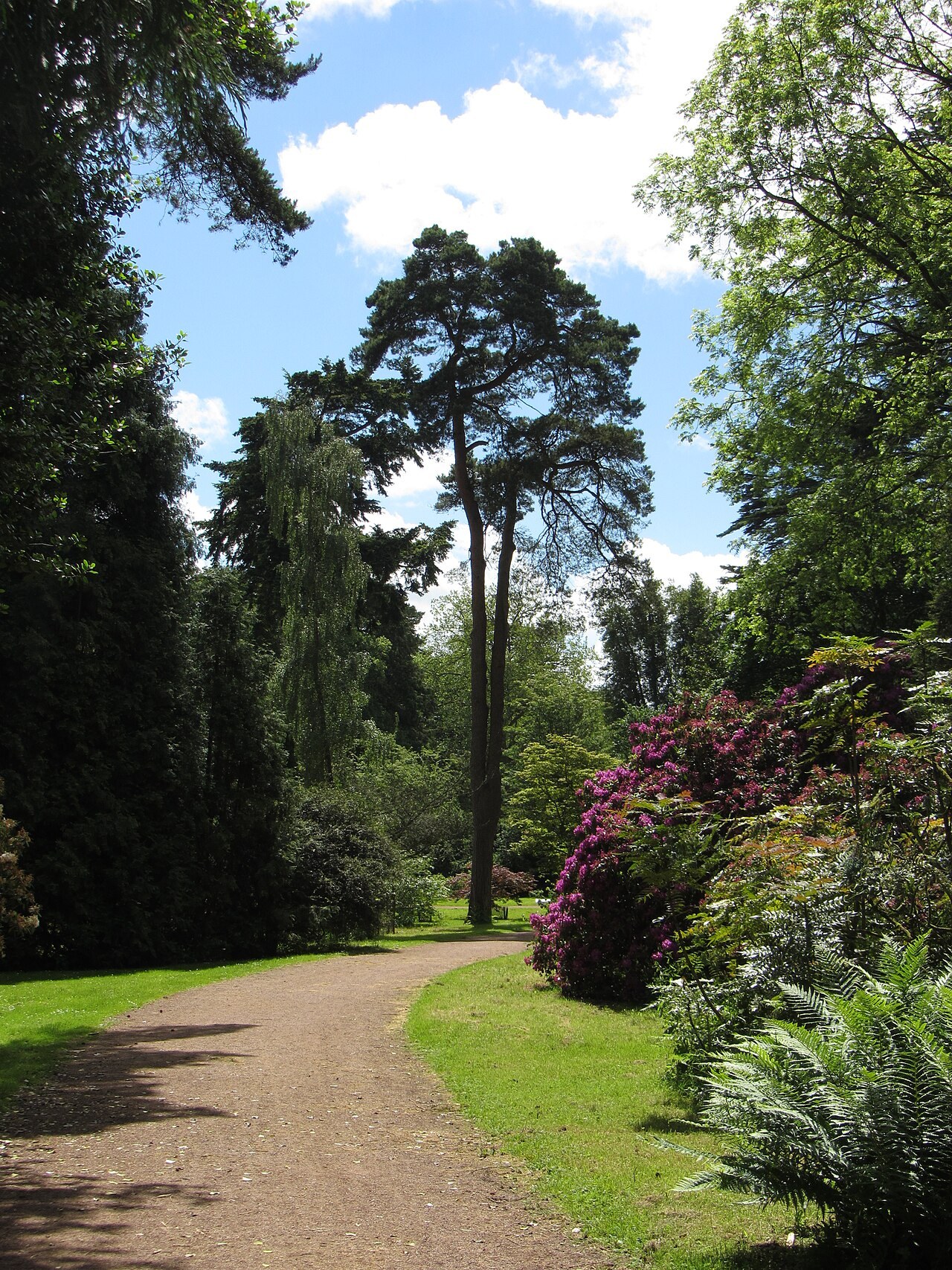
Westonbirt, the National Arboretum
A world-renowned collection of 15,000 specimens across 2,500 species, featuring a Tree Top Walkway.
- Visit length
- Editorial estimate: around 180 minutes
- Locality
- South-west of town
- Access
- Dogs are permitted off lead in Silk Wood but not in the Old Arboretum.
The Ormond
A 16th-century coaching inn with a contemporary restaurant, Bistro-23, and a shaded courtyard garden.
- Visit length
- Editorial estimate: around 120 minutes
- Locality
- Town centre
Food & drink
1 placeThe Royal Oak
A dog-friendly Grade II freehouse dating from the late 17th or early 18th century, serving seasonal menus and rotating cask ales.
- Visit length
- Editorial estimate: around 120 minutes
- Locality
- Town centre
History & heritage
4 places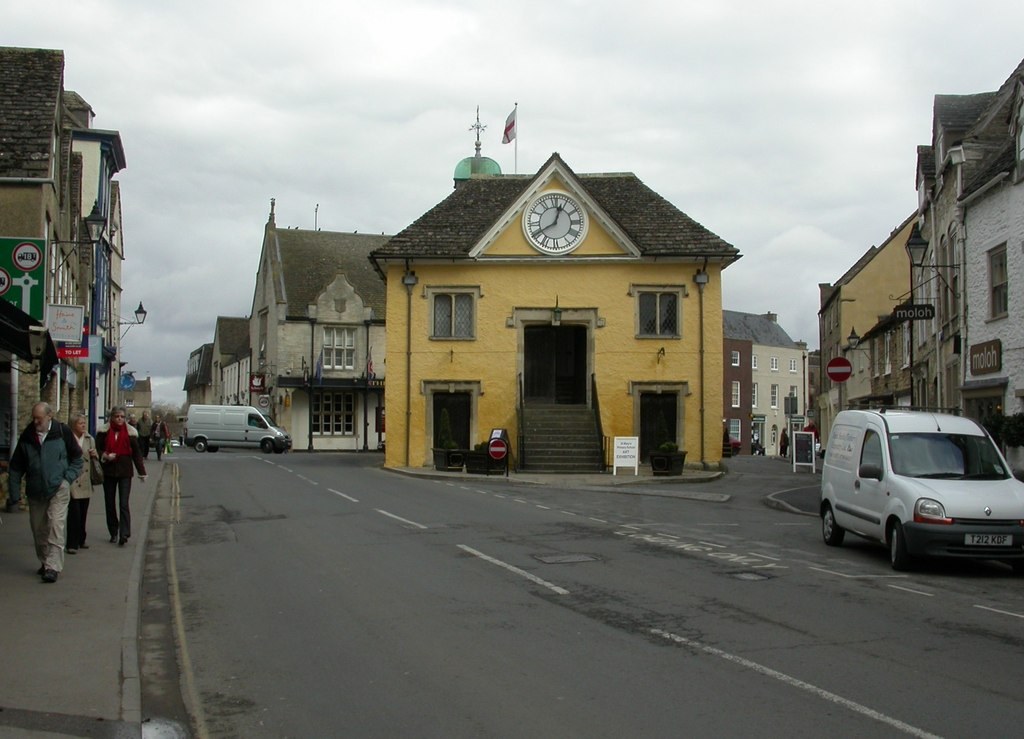
The Market House
A timber-framed structure from 1655 resting on stone columns, featuring a copper cupola and a dolphin weathervane. It continues to host traditional markets on Wednesdays and Saturdays.
- Visit length
- Editorial estimate: around 30 minutes
- Locality
- Town centre
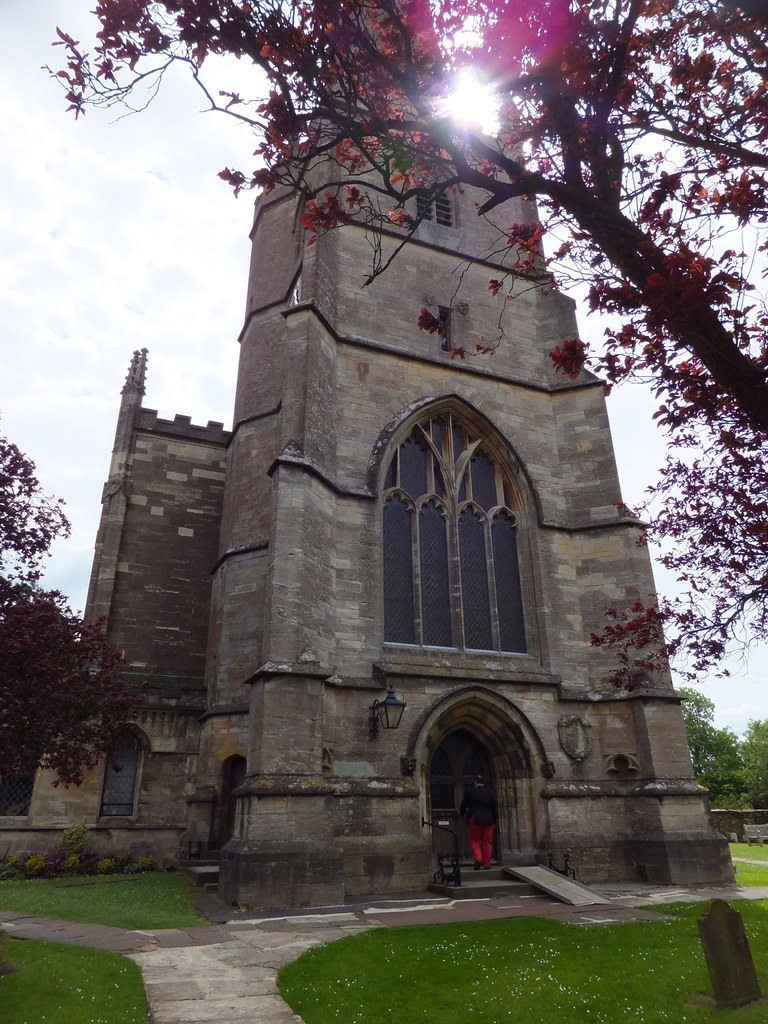
St Mary the Virgin and St Mary Magdalen
An elegant Georgian Gothic Revival church opened in 1781, known for its slender colonettes, timber sexpartite-rib vault, and a spire that dominates the southern approach.
- Visit length
- Editorial estimate: around 60 minutes
- Locality
- Hilltop
St Saviour's Church
A redundant Victorian church built in 1848 in the Decorated style, featuring a Pugin and John Hardman reredos.
- Visit length
- Editorial estimate: around 45 minutes
- Locality
- Edge of old town
Top Banana
A multi-dealer emporium spread across several floors, specialising in furniture, paintings, china, and antiquarian books.
- Visit length
- Editorial estimate: around 60 minutes
- Locality
- Town centre
No places match this filter. Choose All places to reset the list.
On the map
Tetbury at a glance
Tap a marker to jump to its guide card.
Three ways to explore Tetbury
Signature outings
Enter the arboretum
Give Westonbirt's tree collection and elevated walkway the better part of an afternoon.
The Dolphin's Watch
Spot the copper cupola and dolphin weathervane atop the 17th-century Market House.
Gothic Grandeur
Admire the slender colonettes and timber vaulting of the Georgian Gothic St Mary's.
The town story
Tetbury Town Guide
From wool wealth to antique wonders, discover the enduring charm of this Cotswold market town.
The Market Heart
The Market House stands in the middle of Tetbury on three rows of stone columns, a timber-framed room held up above the street since 1655. It has a copper cupola, a bell and a weathervane shaped like a dolphin. Over the centuries the space beneath and within it has served wool traders, the town government, a fire pump and a lock-up. In 1817 the upper storey was taken off and the south bay walled in to house a fire engine, which is why one end of the building looks blocked up. Markets still run under the arches twice a week: plants, vegetables, pies and fish on Wednesdays, with bric-a-brac, old books and jewellery added on Saturdays.
Arrive from the south and you see the town the way it wants to be seen. The ground rises from the headwaters of the Avon, so the old roofs and the needle spire of St Mary's climb up over a steep green edge before you reach them. Tetbury sits on higher, drier ground than a mill town would have chosen, and its density comes from wool money rather than water power. The streets that hold the shops and pubs — Long Street, Church Street, Market Place, Chipping Street — are close-packed and walkable.
The town-centre pubs are the Royal Oak, the Snooty Fox, the Priory Inn, the Ormond and the bar at the Close. The Royal Oak is the one to start with: an independent, dog-friendly freehouse in a carefully restored Grade II building, with wood, a small fire, six handpumps and an upstairs dining room. The kitchen runs a seasonal menu that has included double-baked cheese soufflé with walnut-and-apple salad, smoked mackerel with new potatoes, lemon and capers, seafood marinara linguine, Thai green chicken curry, pan-fried salmon with lemon potatoes, broccoli and a mango-avocado salsa, rib-eye steak, fish and chips and a dark chocolate tart. Sunday brings roast chicken, pork belly, topside of beef, a three-meat roast and a nut roast. Five changing cask beers are on, with the rotation typically drawing from Hop Kettle, Otter Bitter and Stroud's Organic Pale Ale, plus Severn cider. Dogs are welcome downstairs, where the full menu is served, and in summer a vintage Airstream in the garden is put to use as a street-food kitchen. Historic England dates the rubble-stone building to the late seventeenth or early eighteenth century and records its use as an inn from 1781.
The Snooty Fox faces the Market House directly, a twelve-bedroom hotel with front and rear bars, a lounge and two dining rooms; the cooking is modern British alongside pub classics, Sunday roasts and afternoon tea, and there are four handpumps pouring Ramsbury Gold, Sharp's Doom Bar and Butcombe Original with one changing beer. Outside, the option is sheltered seating at the front, overlooking the street. Behind the nineteenth-century face is a late-sixteenth-century core, and the building was the White Hart until the Snooty Fox name arrived in the 1960s, in Beaufort Hunt country. The Priory Inn, run by Matt and Natalie Starkey for Arkell's, is family-oriented: fourteen rooms, a dining room, a terrace it calls the Tetbury Terrace and its own kitchen garden feeding the menu. Alongside lunch, dinner and Sunday roasts it runs Super Seafood Sundays, and the pint to order is Arkell's 3B. The building is a conversion of the stable block of a former priory.
Pubs and Provisions
The Ormond, on Long Street, is a sixteenth-century coaching inn with a contemporary restaurant, Bistro-23, and a shaded courtyard that is one of the more useful outdoor spaces in the centre when the sun is out. The menu reaches for teriyaki chicken wings with ponzu, salt-and-pepper squid with aioli, tuna Niçoise, chicken schnitzel, cauliflower steak with roast Mediterranean vegetables, and puddings of strawberry cheesecake and sticky toffee; when the kitchen leans into the season it turns out asparagus tortelloni, local lamb shank, hake with pea purée and elderflower panna cotta. Butcombe Original and Wainwright Gold are the regular casks, and dogs dining with their owners are seated in the bar. The inn has traded under earlier names, among them the Lamb and Ormond's Head. The Close is different again — more hotel dining room than local, in a late-sixteenth-century town house with a library, a sunny terrace, the Garden Room restaurant and a large garden. Butcombe Gold is the one regular cask, and the cooking is seasonal and local, aimed at a special occasion rather than a casual pint.
Out on the A433, beyond the built-up town, the Trouble House is worth the short drive: a rustic country pub with a specials board, homemade cakes and barista coffee; dishes run to pan-fried chicken with Sauternes sauce and lemon fondant potatoes, harissa cauliflower steak, crispy pork belly, calf's liver, faggot with red cabbage, crème brûlée and a strawberry-rhubarb crumble. The garden is large enough to hold a small football pitch. The pub once had its own station: Trouble House Halt served the Tetbury branch line here until it closed in 1964.
For provisions, the food shops are unusually good for a town this size. Jesse Smith is the butcher on Long Street, opened by the Hawes family in the 1980s and now managed by Matt Garrad, selling local meat, hung sirloin and rib of beef alongside a large in-house range of pies, cooked foods, deli goods and cheeses. KNEAD Bakery, also on Long Street, bakes naturally leavened sourdough, focaccia and pastries fresh through the day. Martin & Malthouse, a deli, wine shop and café at 3A The Chipping run by an English-Greek family, stocks local cheese and charcuterie, olive oil from Greece and a chutney inspired by an aunt's recipe. Halls Bakery on Chipping Street does sandwiches, pastries and cakes. Just outside town, Larkhill Vineyard, planted in 2018, makes traditional-method sparkling white and rosé and pours it at tastings with local cheeseboards.
Antiques and Independent Retail
The cafés give you options beyond the pubs. Café 53 has a hidden garden at the back, Veloton combines speciality coffee with a cycle-repair shop, and the Whistle Stop Café occupies the restored Goods Shed by the old railway. Gilbertine Kitchen was set up by Sarah Bliss and her daughters, Cotswold Coffee Bar has been run by Alice since 2021, and Casa serves Italian-inspired rustic and contemporary cooking on Long Street.
Then there are the antiques, which Tetbury trades in unusually densely for a town its size. Long Street, Church Street, Market Place and Chipping Street carry a dense cluster of dealers rather than a single arcade. Top Banana is a multi-dealer emporium spread across several floors of furniture, paintings, china, kitchenalia and antiquarian books; Lorfords deals in antiques and Tetbury-made upholstered furniture, keeping its larger stock in hangars at Babdown; Brownrigg fills three floors with period and decorative pieces; and Alderson works from Porch House, a Grade I late-sixteenth-century pair of houses with a porch dated 1677 — an antiques showroom that is itself part of the exhibit. There are clocks at Jester, twentieth-century and French design at Muir, and, for a change of register, the Yellow-Lighted Bookshop, Henrietta's Toyshop and the Highgrove Shop, which sells garden products and art made by the King.
Walking begins at the door. The Footpath Group's Circle and District Line is a 1.25-mile loop that uses the old buildings to tell the town's story and makes the best short orientation. Longer routes open up quickly: Tetbury's Lung runs three and a half to four miles through Preston Park toward Long Newnton, showing how fast the town gives way to fields; Of Princes and Paupers is a 6.3-mile walk through valley, woodland and the Highgrove landscape, taking in a hermit's cave; and Kevin's Good Manors passes Highgrove and Doughton by green lane, connecting royal parkland with working countryside without implying any access to the private estate. Most direct of all is the Tetbury Trail, more than three traffic-free miles along the former railway trackbed, running from the station site out into open country and used by walkers, riders and cyclists alike.
Walking and Recreation
Families have the Rail Lands and Dolphins Recreation Ground to fall back on. Dolphins holds football, rugby, cricket and bowls pitches, a substantial play area and an improved skate park; there are further playgrounds at Webb Road and Suffolk Close. The Rail Lands add picnic areas, a playground, outdoor fitness equipment, a restored signal box and a Finnish railway carriage, installed in 2018, that now serves as a green room for performers at the Goods Shed arts centre. Tetbury Cricket Club has played since 1850, and a weekly parkrun uses the same trackbed setting.
The surrounding country is part of the reason to stay. Highgrove Gardens lies immediately south, open by guided tour on advance booking, with a shop whose proceeds support The King's Foundation. Westonbirt, the National Arboretum, is about three miles south-west, some 15,000 specimens across 2,500 species, with a Tree Top Walkway and, in Silk Wood, ground where dogs may go off the lead. Chavenage House, an Elizabethan manor a little to the north-west, stood in for Trenwith in Poldark. Malmesbury, five miles off, has its abbey, its hilltop old town and the Athelstan Museum.
The wealth that built all this was wool, not cloth. A wool fair was recognised here in 1306, and in 1338 Edward III licensed the Peruzzi company to export five hundred sacks, of which a hundred and five were bought at Tetbury and Culkerton; by 1622 the market's tolls topped a hundred and twenty pounds. Cloth manufacture never took hold in the same way, because the water was too unreliable for fulling — the town had thirty-four weavers in 1608 and no working water mill recorded after 1327, which is why it grew rich merchants' houses without a great mill complex. In 1633 the townspeople bought the manor, advowson and market tolls from Lord Berkeley and his mother, and appointed a body of Feoffees to hold them in trust. The Feoffees built the Market House in 1655, and they still hold assets for the town today.
Heritage and Landscape
The place is far older than its Georgian and Tudor faces suggest. The Domesday commissioners recorded fifty-six households at Tetbury in 1086, a figure they thought very large, along with thirty-two villagers, nineteen enslaved people, a priest, two riding men, ten acres of meadow and one mill worth a shilling and twopence; the whole manor was valued at fifty pounds. The railway came late and left early — the branch to Kemble opened on 2 December 1889 and closed in 1964 — and it took a fire in the derelict Goods Shed in 2011 to prompt the restoration that turned the site into the arts centre it is now. Kemble station, about five miles away on the Golden Valley line, remains the nearest railhead, linked to the town Mondays to Saturdays by the limited 882 bus; by road the town sits on the A433, reached from the M4 at junction 18 or the M5 at junction 13.
One local tradition is run up and down a hill. The Woolsack Races send competitors along Gumstool Hill, a one-in-four gradient, carrying sacks of sixty pounds for the men and thirty-five for the women. The official event dates from 1972, but the origin story has drovers challenging one another between two pubs at the top and bottom of the hill. "Tetbury's Woolsack Races began, like many of these ideas, in the pub," writes Jeremy Gahagan, once landlord of the Crown, in the race's own history.
There is a smaller story at St Saviour's, the redundant Victorian church at the edge of the old town. In 1975 lightning knocked its bellcote down. When conservators later opened up the original weathercock, they found tucked inside it the trade card of the man who had made it, a Tetbury blacksmith called William Sealy, waiting to be read by whoever came next.
Stay around Cotswolds
Make a longer stay of it
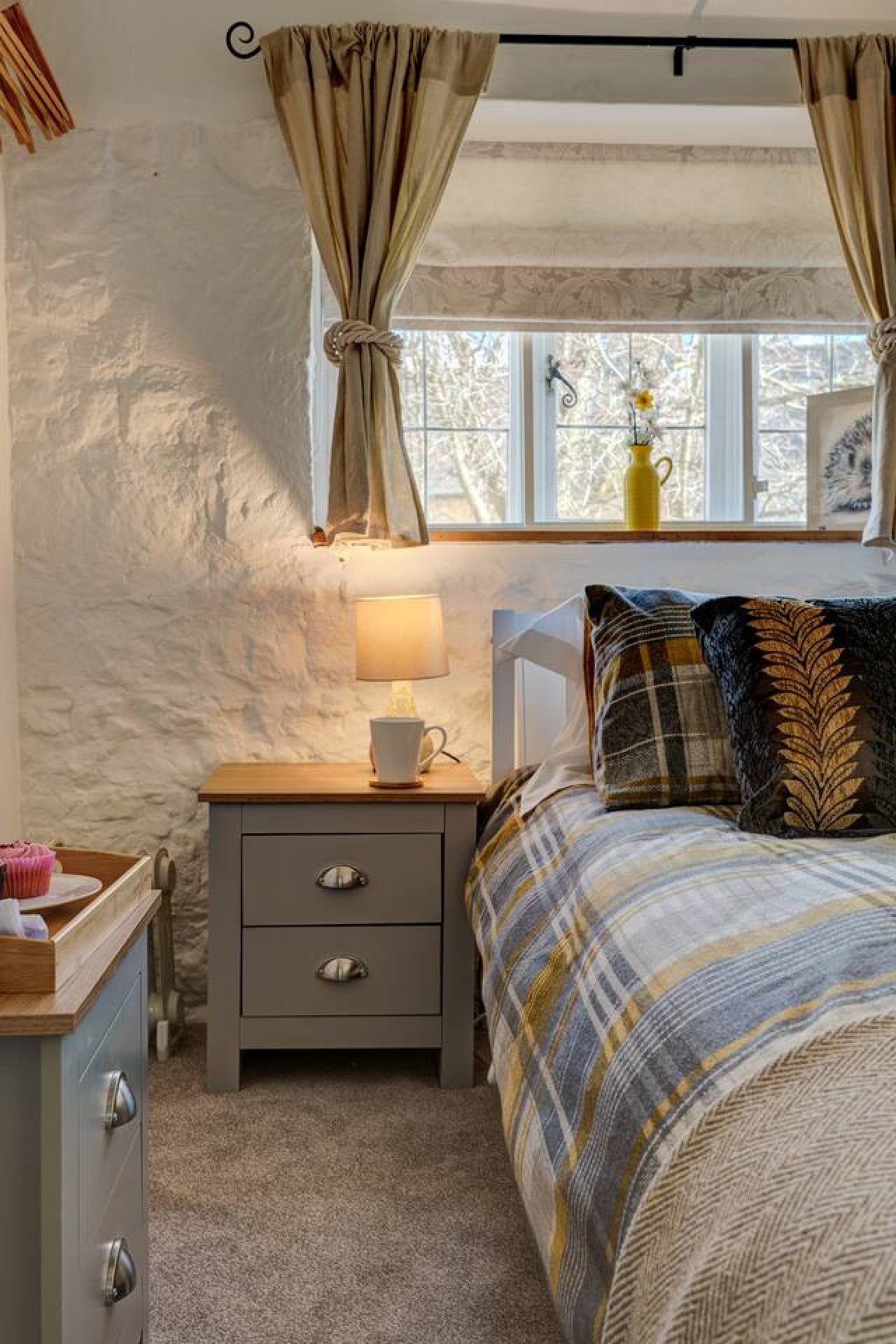
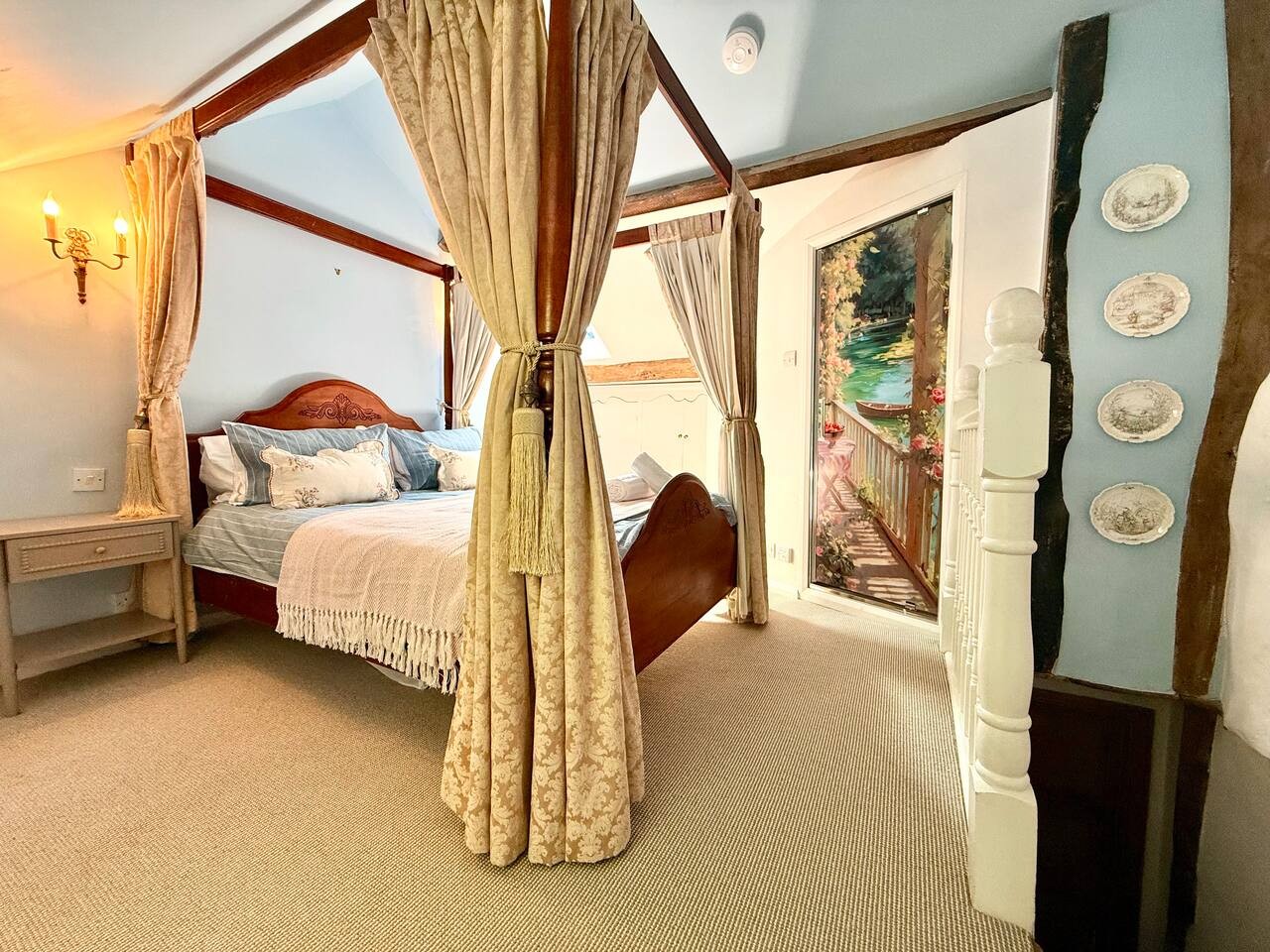
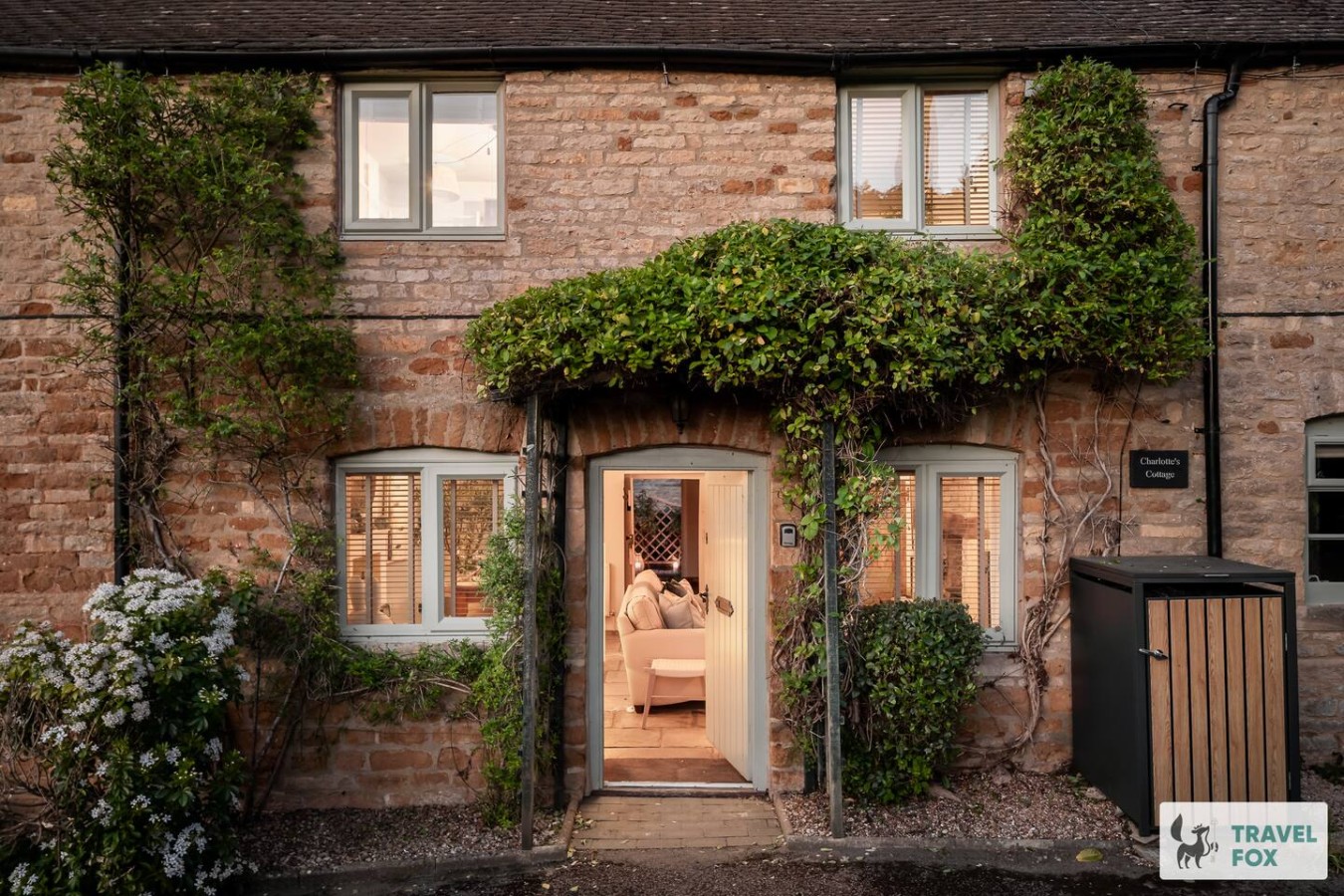
Travel Fox holiday homes around Cotswolds, linked directly to their property pages.
For homeowners
Own a holiday home near Tetbury?
We manage holiday lets across the Cotswolds from 12% commission, charged after cleaning costs, with no lock-in. A co-founder visits before you decide.
Holiday let management in the Cotswolds →
A guide with a point of view
Written from research. Edited for real journeys.
Use the Official site links for live practical details, then use this guide for context, ideas and room to explore.
Photography credits & licences
Third-party photographs are credited to their named creators and reused under the linked Creative Commons licence or public-domain dedication. Travel Fox stores an optimised local copy; the file-specific changes and any browser-applied display crop are disclosed below. Reused photographs link both to the Wikimedia Commons source record and to the declared source image; Travel Fox's own photographs carry no such record and are marked as ours. These image licences do not cover Travel Fox text, branding or page design.
- File:Westonbirt Arboretum - geograph.org.uk - 4018235.jpg — photograph by Gareth James; Westonbirt Arboretum by Gareth James. Source record on Wikimedia Commons. Declared source image. Licence: CC BY-SA 2.0. File changes: Downloaded from Wikimedia Commons, resized to a maximum 1920px edge and encoded as an optimised JPEG. Display changes: Displayed with responsive CSS cropping.
- File:Tetbury, market house - geograph.org.uk - 2308383.jpg — photograph by Mike Faherty; Tetbury, market house by Mike Faherty. Source record on Wikimedia Commons. Declared source image. Licence: CC BY-SA 2.0. File changes: Downloaded from Wikimedia Commons, resized to a maximum 1920px edge and encoded as an optimised JPEG. Display changes: Displayed with responsive CSS cropping.
- File:Pathway leading to the Parish Church of St Mary in Tetbury - geograph.org.uk - 2990181.jpg — photograph by Ruth Riddle; Pathway leading to the Parish Church of St Mary in Tetbury by Ruth Riddle. Source record on Wikimedia Commons. Declared source image. Licence: CC BY-SA 2.0. File changes: Downloaded from Wikimedia Commons, resized to a maximum 1920px edge and encoded as an optimised JPEG. Display changes: Displayed with responsive CSS cropping.