
Gloucestershire's Wool Town
Chipping Campden
A preserved medieval market town where Cotswold limestone, historic coaching inns, and a legacy of craftsmanship meet the high views of the Vale of Evesham.
- Best for
- Architecture and walking
- Give it
- A full day or weekend
- Don't miss
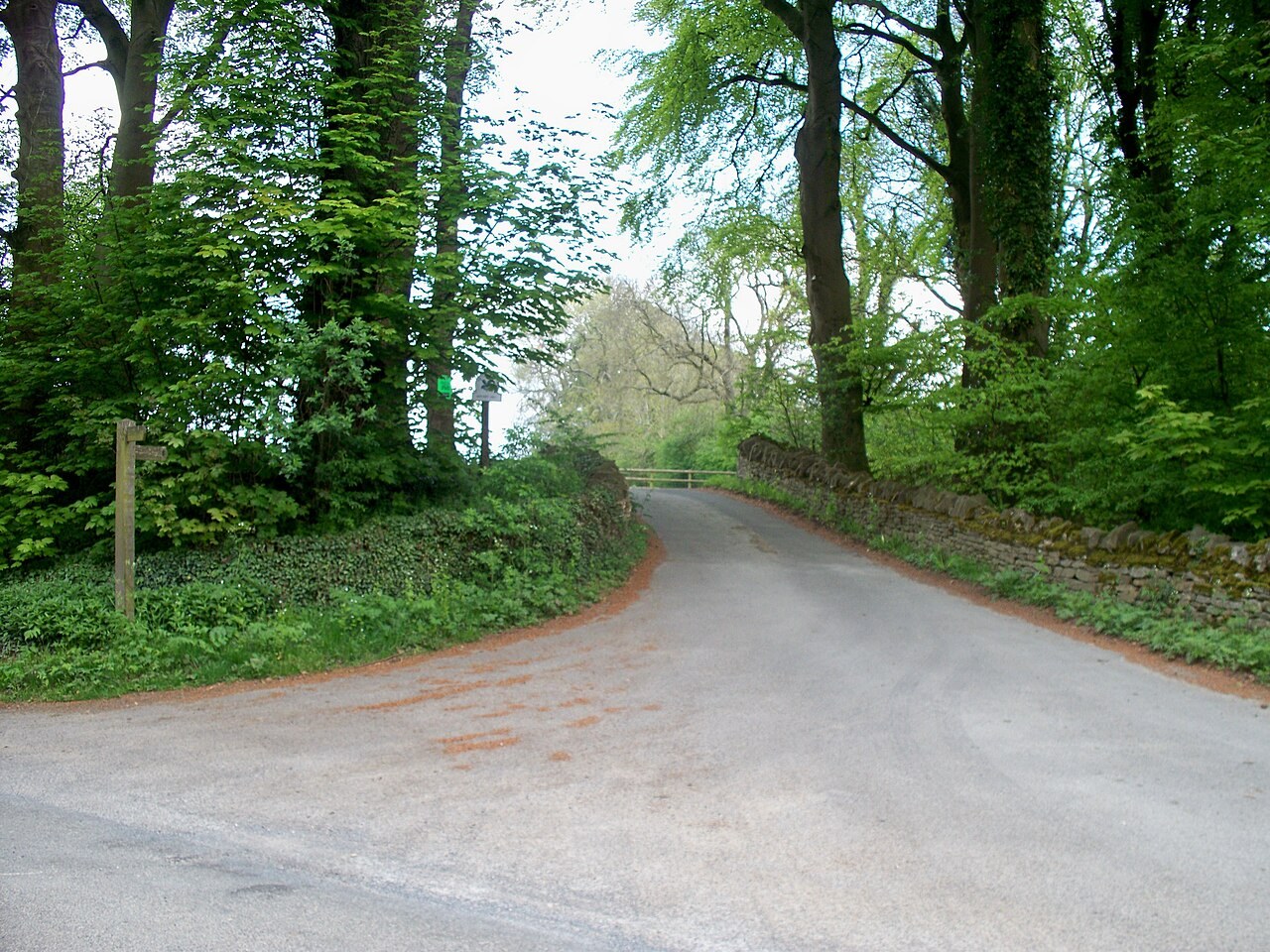
- The Cotswold Way to Dover's Hill
Photo: Michael Dibb · CC BY-SA 2.0 · cropped
The Fox verdict
A living museum of Cotswold charm
More than just a pretty village, Chipping Campden retains the authentic layout and industrial spirit of its merchant past.
The town is defined by its curving High Street and the enduring influence of the wool trade and the Arts and Crafts movement. From the open-sided Market Hall to the workshops of the Old Silk Mill, it offers a rare continuity of production and commerce. Whether exploring the Grade I 'wool church' of St James or hiking the steep pull to Dover's Hill, the settlement feels deeply rooted in its landscape.
Your picks, your pace
Make Chipping Campden yours
Choose a mood or build your own list. Your saved stops are an ordering aid, with a direct map route when you are ready.
Local signatures
3 placesOld Silk Mill
A Grade II* building that transitioned from silk production to a hub for the Guild of Handicraft. It now houses the Gallery at the Guild and a Robert Welch studio shop.
- Visit length
- Editorial estimate: around 90 minutes
- Locality
- Town edge
Eight Bells Inn
A historic stone inn with open fires and a walled garden, known for its regional ales and Cotswold lamb dishes.
- Visit length
- Editorial estimate: around 120 minutes
- Locality
- Near the church
Ernest Wilson Memorial Garden
A small, free garden commemorating the local plant collector who introduced the handkerchief tree to the West.
- Visit length
- Editorial estimate: around 30 minutes
- Locality
- Town edge
Food & drink
2 placesLygon Arms
A traditional coaching inn dating back to the 16th century, serving beef and lamb from its own farm.
- Visit length
- Editorial estimate: around 120 minutes
- Locality
- High Street
- Access
- Dogs are welcome in public areas and rooms.
Toke's Food & Drink
An independent deli and wine shop known for its famous sausage rolls and strong ties to the local community.
- Visit length
- Editorial estimate: around 30 minutes
- Locality
- High Street
Walks & outdoors
1 place
Dover's Hill
The site of the Cotswold Olimpick Games, offering expansive views over the Vale of Evesham and the Malverns. It forms part of the Cotswold Way National Trail.
- Visit length
- Editorial estimate: around 180 minutes
- Locality
- Above the town
- Access
- Moderate grade with one steep pull.
History & heritage
2 places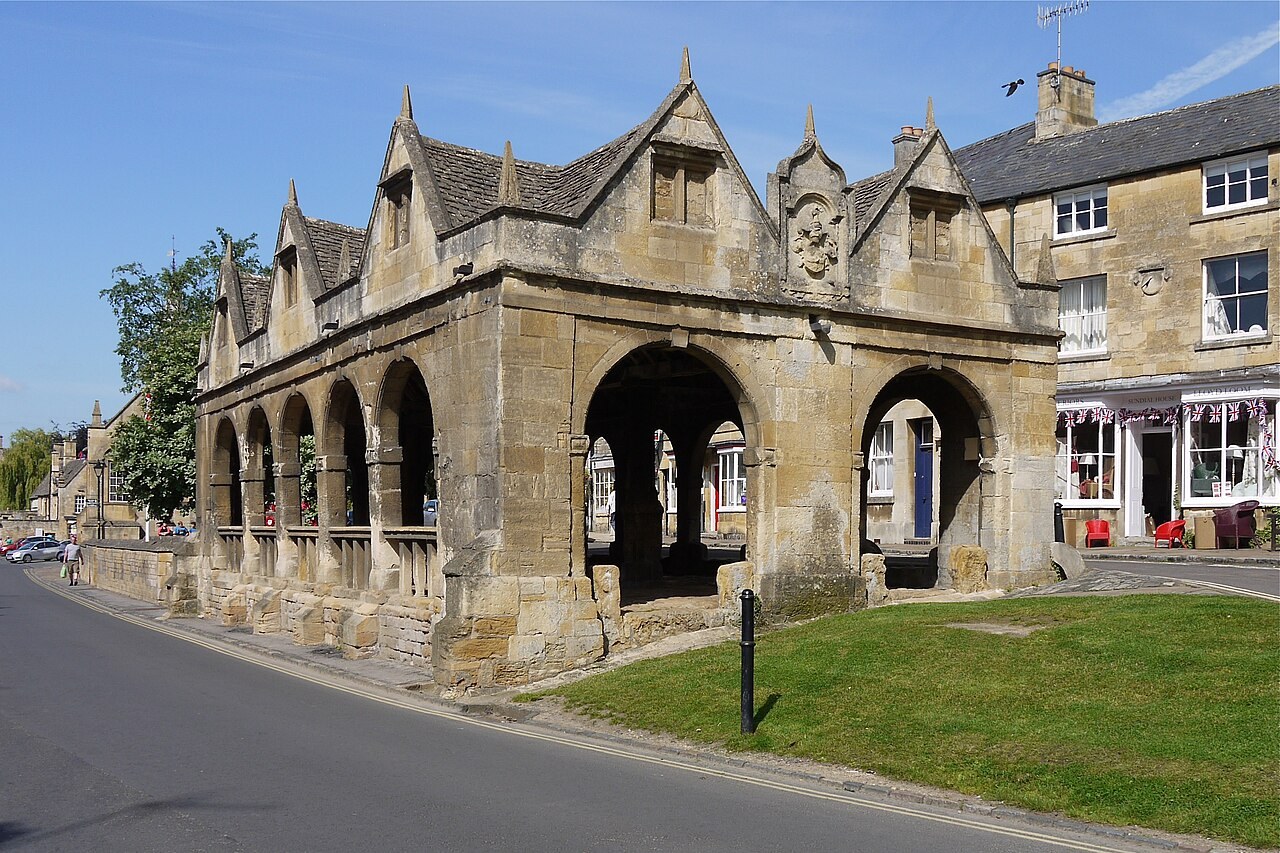
Market Hall
An open-sided stone structure built in 1627 by Sir Baptist Hicks to shelter traders of cheese, butter, and poultry. Now managed by the National Trust, its polished cobbles reflect four centuries of market use.
- Visit length
- Editorial estimate: around 15 minutes
- Locality
- High Street
St James' Church
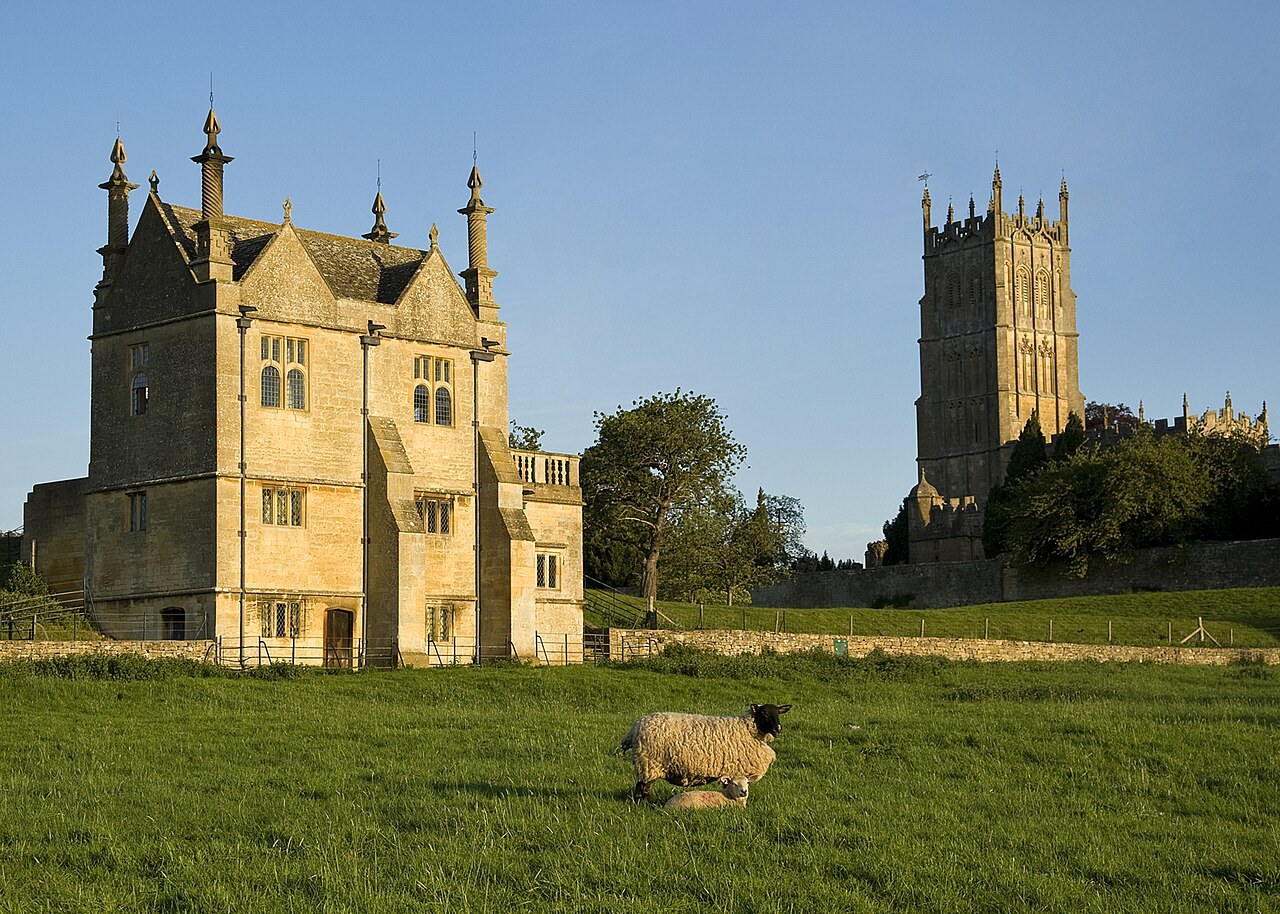
A Grade I listed 'wool church' from the 13th and 14th centuries. It houses a medieval embroidered cope and the 1664 monument to Sir Edward and Lady Juliana Noel.
- Visit length
- Editorial estimate: around 60 minutes
- Locality
- Near the High Street
No places match this filter. Choose All places to reset the list.
On the map
Chipping Campden at a glance
Tap a marker to jump to its guide card.
Three ways to explore Chipping Campden
Signature outings
Summit Dover's Hill
Experience the sudden opening of views over the Vale of Evesham from the site of the Cotswold Olimpick Games.
Visit the Market Hall
Walk across the polished cobbles of a 17th-century market that still defines the town's character.
Explore St James'
Discover the scale of a Grade I wool church and its extraordinary 17th-century monuments.
The town story
Chipping Campden Town Guide
From medieval wool wealth to the Arts and Crafts revival, this Cotswold gem balances historic preservation with a living community.
The Market and the High Street
The Market Hall stands on stone legs in the middle of the High Street, open on every side, its floor dipped and its cobbles polished by four centuries of feet. Sir Baptist Hicks put it up in 1627 to keep the rain off the people selling cheese, butter and poultry. In the 1940s an American buyer nearly carried it away; local people bought it back and gave it to the National Trust. You can walk through it in a moment, and it tells you at once what sort of place you are in: a market that never quite stopped looking like one.
The High Street bends. It follows the shallow valley of the River Cam rather than a surveyor's straight line, so the honey-coloured limestone frontages curve away from you and the view keeps changing as you walk. Long thin plots run back from each building — the burgage plots of a medieval market, still legible in the yards and gardens behind. Georgian fronts often hide medieval timber. G. M. Trevelyan called it "the most beautiful village street now left on the island," which is generous to a place that has been a chartered market town since the late twelfth century.
Start with the pubs, because there are five of them in the town proper and they differ enough to matter. The Eight Bells Inn stands near the church, a low stone building with stone floors, beams, open fires, a courtyard and a walled garden. It housed the masons who built St James' and later stored the church's eight bells. The summer menu is broader than the usual roll-call: goat's-cheese and heritage-tomato salad, a slow-cooked shoulder of Cotswold lamb croquette, Hereford beef sirloin, a pork chop with runner beans, charcutière sauce and apple purée, beer-battered fish and chips, a house burger, and Japanese dumplings in mushroom broth. Four handpumps pour local and regional ale, with up to two ciders, and the inn was North Cotswold CAMRA's Pub of the Year in 2020.
The Town's Public Houses
The Lygon Arms is a small coaching inn with a genuinely pub-like front drinking area, and it puts lamb and beef from its own farm on the plates; recent diners have eaten roast beef and lamb, steak, Stilton and ale pie, and fish and chips. Hook Norton Old Hooky is the regular cask beer, and dogs are welcome in the rooms and the public areas. An inn has stood here since the sixteenth century under a run of names — White Hart, George, Hare and Hounds — before it settled as the Lygon Arms in the 1830s.
The Noel Arms is arranged more as a hotel, around a restaurant, a conservatory, Dover's Bar and an outdoor terrace with log fires when it turns cold. The head chef, Indunil Upatissa, has been named Best Curry Chef three times at the Great British Pub Awards, and the kitchen runs classic British cooking alongside a chef's-special chicken curry drawing on Far Eastern and Asian traditions. Afternoon cakes, pastries and a cream tea are the other reason people stop. North Cotswold's Cotswold Best is the regular ale.
The Red Lion Tavern is livelier — exposed beams, open fires, a casual Scoff Kitchen, a heated stretch tent and a large rear garden. The food is informal — recent visitors mention Hawaiian pizza, a Cajun burger and Sunday roast — and Timothy Taylor Landlord is the beer most likely to be on. The building is listed at Grade II. The Volunteer Inn is the most straightforwardly local of the five: a front bar with a big stone fireplace, sport on the television, a quiz and live-music strand, a courtyard, and a long garden running down to a stream. The Maharaja restaurant works out of the same building, with a chef's-special list that takes in Kori chicken, Rangeela Sobz with vegetables and paneer, cast-iron Tawa dishes, Sylheti Special Naga and Bangla lamb-chop bhuna. Prescott Hill Climb is the regular cask beer. The oldest part was once an enlistment room, hence the name; it has been a pub since 1709 and took the Volunteer name in the 1840s. If you stay in the rooms above, be ready for the noise of a working pub in the evening, and note that pets are not taken in the bedrooms.
Local Provisions and Craft
For food to carry off, the town keeps a proper set of shops. Toke's Food & Drink is a delicatessen and wine shop founded in 2015 by William Toke Bennett and continued by his friends and colleagues after his death; there is a jukebox, and close ties to the town's cricket and the Dover's Games. The counter runs to Toke's Famous Sausage Rolls, local cheeses and homemade deli dishes, with a wine range chosen by hand rather than by wholesaler. Fillet & Bone calls itself an urban farm shop and is the town's only butcher and fishmonger, stocking Ebrington-grown seasonal vegetables — asparagus and rhubarb through to celeriac — alongside local wine, North Cotswold, Burkes and Prescott beers, and Dunkertons, Pearsons and Hogan ciders. MOR Bakery on Battlebrook Drive was set up in 2021 by a baker named David, who took his cue from Copenhagen; the name is the Danish word for mother, after the sourdough starter. It sells sourdough loaves and laminated pastries, does brunch and pizza, and runs bread-making classes if you want to take a skill home rather than a loaf.
There is more if you keep looking: Campden Bakery paired with the Huxleys café-brasserie, Victor's for made-to-order sandwiches and English breakfasts, and Da Luigi for wood-fired pizza and homemade pasta on the High Street. The Campden Coffee Company sits inside the Old Silk Mill, does homemade cakes, focaccia and scones, and welcomes muddy boots and dogs — useful to know when you come off the hills. The mill also holds the Gallery at the Guild, a cooperative that began in 2005 with thirteen members and now shows twenty-eight, and the only Robert Welch studio shop to carry the full collection of his cutlery and kitchenware. Campden Gallery, further along, shows contemporary painting and sculpture in a building that was a saddler's from around 1760.
The best short walk starts at Dover's Hill, a signed Cotswold Way circuit of four and a half miles, or three by its shortcut, graded moderate with one steep pull and taking somewhere between two and a half and three and a half hours through woodland to a sudden opening of views over the Vale of Evesham towards the Malverns. This is the ground where the Cotswold Olimpick Games are held. Campden is also the northern end of the full Cotswold Way, a hundred and two miles to Bath; the first six-mile stage climbs Dover's Hill and heads across fields towards Broadway Tower. For a longer day there is a nine-mile circuit through Broad Campden and Blockley by way of the Northwick estate.
The Cotswold Way and Beyond
Getting here takes a little planning. The nearest practical linked station is Moreton-in-Marsh, about eight miles off, with onward bus or taxi connections; by road the town sits on the B4035 and B4081, with the A44 as the main regional route, and the High Street is a destination rather than a through-road, so use the signed parking. Stagecoach route 2 runs between Stratford-upon-Avon and Moreton through the town, and Pulhams routes 606 and 608 reach Cheltenham, Winchcombe, Willersey and Mickleton, though not every service runs every day.
The history sits under all of this rather than on top of it. St James' is a Grade I "wool church," most of its fabric thirteenth and fourteenth century, built at the scale that fine fleece could pay for. Inside it keeps a medieval embroidered cope and altar frontal, a great brass to William Grevel, who died in 1401 and whom the inscription names the flower of the wool merchants of all England, and Joshua Marshall's 1664 monument to Sir Edward and Lady Juliana Noel, whose standing figures appear at open doors meant to represent Heaven. The church has an acoustic good enough to anchor the town's music festival every May. Just beyond it stand Hicks's twelve almshouses, built in 1612 for a thousand pounds in an I-plan honouring James I, and the earthworks and banqueting houses of Campden House, the mansion Hicks raised from about 1609 and the Royalists burned in 1645.
The wool money that built the church is still written into the street. Woolstaplers' Hall has fourteenth-century origins, and Grevel's House carries a fine Perpendicular bay window. Sir Baptist Hicks, a London mercer, bought the manor in the early seventeenth century and left the Market Hall behind him. In 1612 Robert Dover began his Cotswold Olimpick Games on the hill above the town — horse racing, wrestling, shin-kicking, hammer throwing, cudgel fencing, dancing and feasting — which lapsed in 1852, were tried again in 1951, and have run without a break since 1963, still ending with cannon, bands, fireworks and a torch procession on the first Friday after the Spring Bank Holiday.
Wool, Silk, and Preservation
The Old Silk Mill, a Grade II* building that once drew power from the Cam, gave the town its second act. The silk trade closed in 1860, but in 1902 C. R. Ashbee moved his Guild of Handicraft here from London's East End. The Guild failed as a business and the crafts did not: George Hart took over the silversmithy in 1912, and the Hart family works there still; Robert Welch arrived in the 1950s. Court Barn, nearby, tells the Guild's story indoors. The etcher F. L. Griggs settled in 1904, bought Dover's Hill in 1926 and handed it to the National Trust, part of a run of local preservation that kept the High Street from being tidied into something newer.
None of it started grand. The Domesday surveyors counted seventy-three households in 1086 — fifty villagers, eight smallholders and fifteen slaves — with two mills worth six shillings, and valued the whole place at twenty pounds, down from thirty before the Conquest. Around 1900 the town still had four butchers slaughtering on the premises, six bakeries, four dairy farms and three mills, and the milk came round by pony and trap.
For a quiet half-hour there is the Ernest Wilson Memorial Garden, named for the plant collector born here in 1876 who trained at Kew and brought back around twelve hundred species, the handkerchief tree among them. It is small and free and asks nothing of you. And for the human thread through all the merchants and patrons, there is George "Ninety" Griffin, born in 1874, who scared birds off the fields as a boy and grew into a mummer and a fixture of the town, remembered mostly for the way he talked.
Stay around Cotswolds
Make a longer stay of it
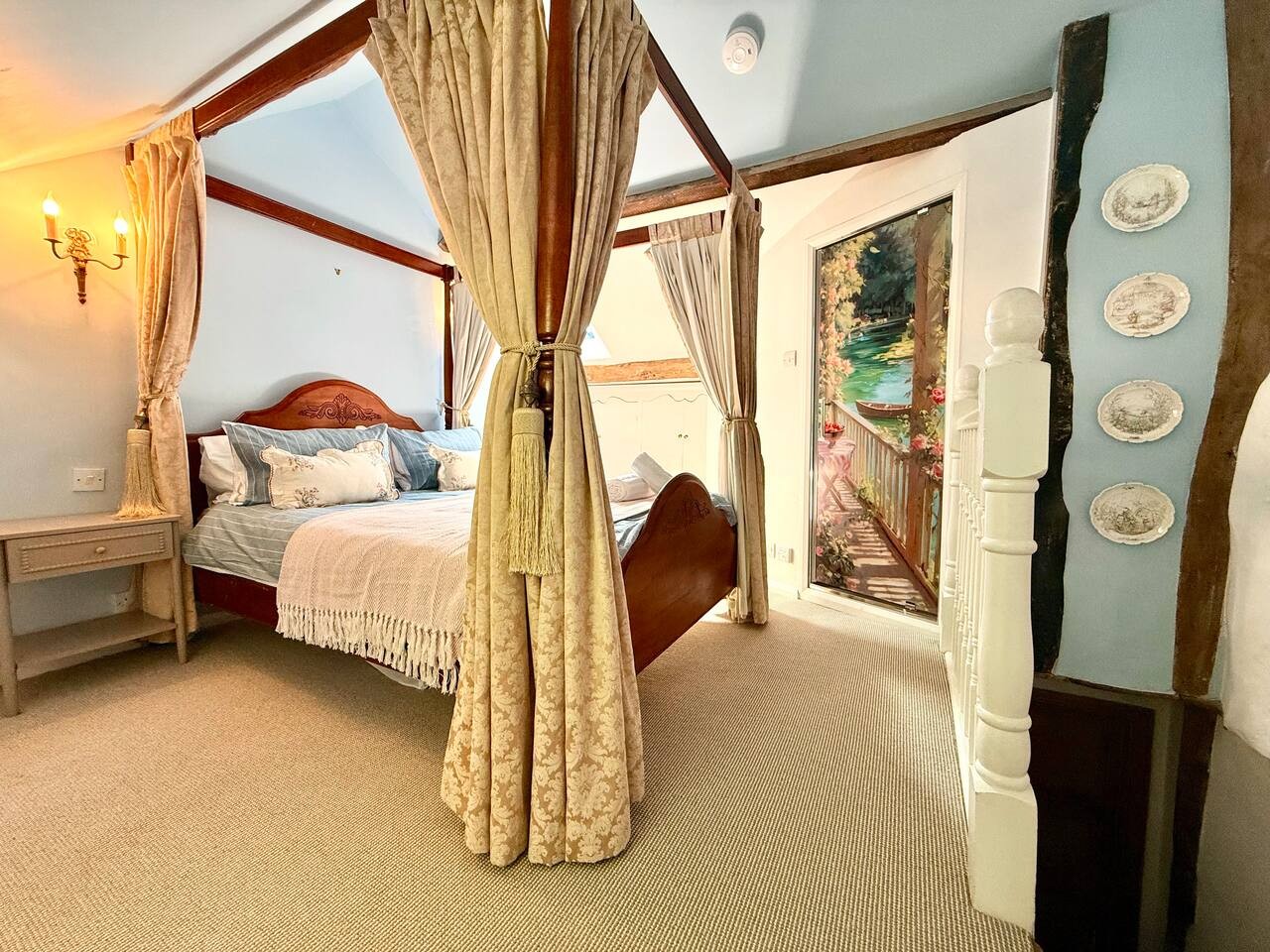
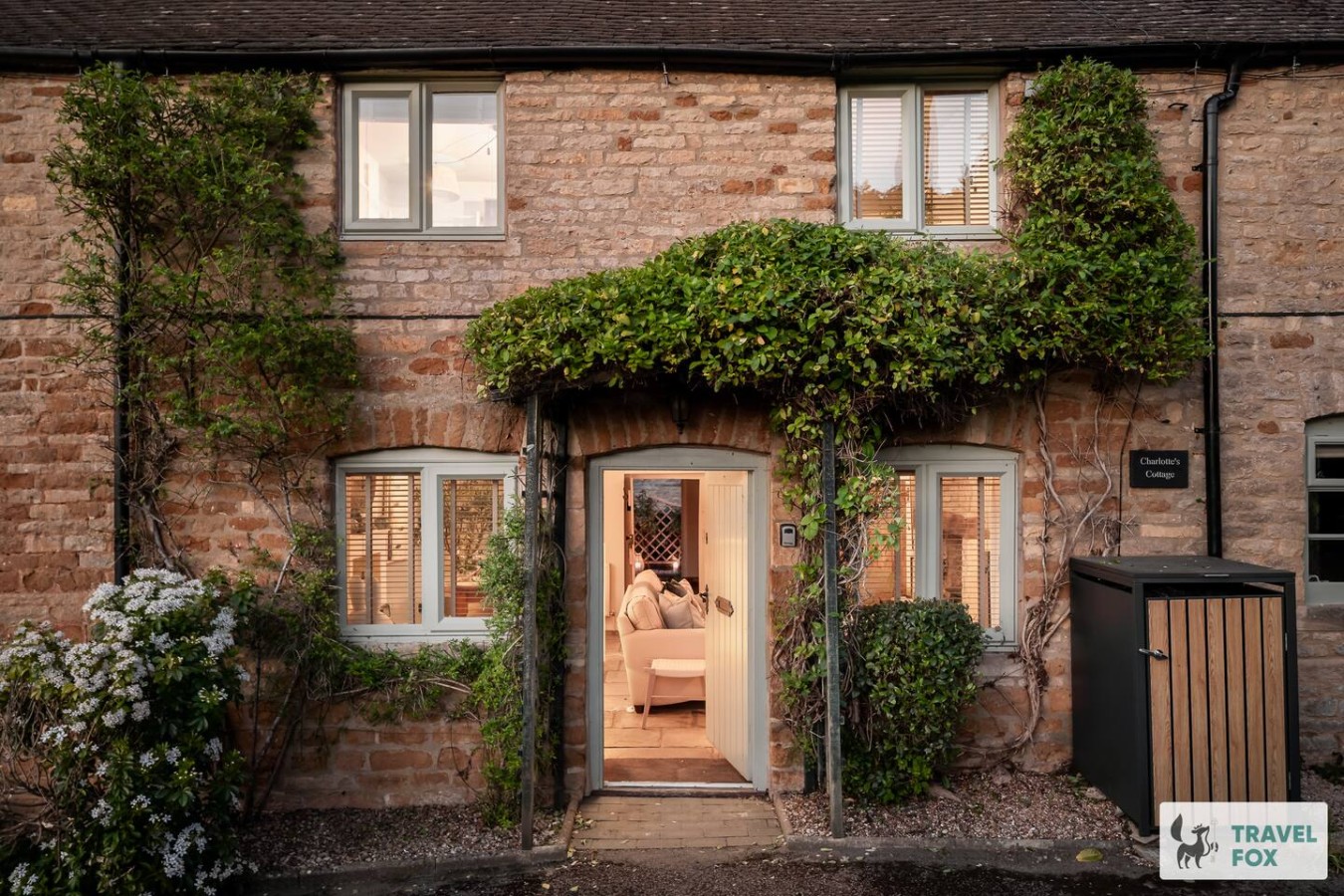
Travel Fox holiday homes around Cotswolds, linked directly to their property pages.
For homeowners
Own a holiday home near Chipping Campden?
We manage holiday lets across the Cotswolds from 12% commission, charged after cleaning costs, with no lock-in. A co-founder visits before you decide.
Holiday let management in the Cotswolds →
A guide with a point of view
Written from research. Edited for real journeys.
Use the Official site links for live practical details, then use this guide for context, ideas and room to explore.
Photography credits & licences
Third-party photographs are credited to their named creators and reused under the linked Creative Commons licence or public-domain dedication. Travel Fox stores an optimised local copy; the file-specific changes and any browser-applied display crop are disclosed below. Reused photographs link both to the Wikimedia Commons source record and to the declared source image; Travel Fox's own photographs carry no such record and are marked as ours. These image licences do not cover Travel Fox text, branding or page design.
- File:Dover's Hill - geograph.org.uk - 1906073.jpg — photograph by Michael Dibb; Dover's Hill by Michael Dibb. Source record on Wikimedia Commons. Declared source image. Licence: CC BY-SA 2.0. File changes: Downloaded from Wikimedia Commons, resized to a maximum 1920px edge and encoded as an optimised JPEG. Display changes: Displayed with responsive CSS cropping.
- File:Market Hall - Chipping Campden.jpg — photograph by Mick; https://www.flickr.com/photos/panasonic-kei/7420097100/ Uploaded by MrPanyGoff. Source record on Wikimedia Commons. Declared source image. Licence: CC BY-SA 2.0. File changes: Downloaded from Wikimedia Commons, resized to a maximum 1920px edge and encoded as an optimised JPEG. Display changes: Displayed with responsive CSS cropping.
- File:East Banqueting Wool Church Chipping Campden.jpg — photograph by Saffron Blaze; Own work. Source record on Wikimedia Commons. Declared source image. Licence: CC BY-SA 3.0. File changes: Downloaded from Wikimedia Commons, resized to a maximum 1920px edge and encoded as an optimised JPEG. Display changes: Displayed with responsive CSS cropping.