
A farming village in the Blockley valley
Paxford
Plain local-stone houses, a strong community thread and a countryside circular give Paxford its quiet character.
- Best for
- A just-under-seven-mile village circular
- Give it
- A walk with one nearby stop
- Don't miss
- The listed First World War memorial
The Fox verdict
A small farming village with walking at its heart
Paxford pairs a quiet village visit with a substantial countryside circular and a compact set of worthwhile nearby stops.
Its history is visible in the stone war memorial and the village hall, while the circular through Broad Campden and Northwick Park provides the main outdoor reason to linger. Vegetable Matters, Hidcote and Batsford Arboretum add food, garden and family-friendly options beyond Paxford.
Where to go
Places in Paxford
Every place below is checked against a published source, listed with what it is and how long to give it.
Local signatures
3 placesVegetable Matters
Pete and Amanda Drinkwater's family-run farm shop sells seasonal fruit and vegetables, many grown at Drinkwater Farm, alongside bread, eggs, preserves and other locally sourced goods.
- Visit length
- Editorial estimate: around 30 minutes
- Locality
- Ebrington
- Access
- The adjoining café is temporarily unavailable.
Batsford Arboretum
A family- and dog-friendly 60-acre collection of rare trees, shrubs and bamboos, with a café, garden centre and gift shop.
- Visit length
- Editorial estimate: around 90 minutes
- Locality
- Near Moreton-in-Marsh
Paxford Village Hall
Opened in 1910 as a Working Men's Institute, the hall remains a centre of community activity for walking, book and art groups.
- Visit length
- Editorial estimate: around 30 minutes
- Locality
- Paxford
- Access
- The hall is hireable, and village groups meet through the year.
Walks & outdoors
1 placeHidcote
Major Lawrence Johnston's 10.5-acre Arts and Crafts-inspired garden is composed as contrasting outdoor rooms and became the National Trust's first garden-only property in 1948.
- Visit length
- Editorial estimate: around 90 minutes
- Locality
- Hidcote
History & heritage
1 placePaxford War Memorial
A Grade II-listed stone obelisk erected around 1920, with smaller obelisk-like corner posts, naming 11 village men who died in the First World War.
- Visit length
- Editorial estimate: around 15 minutes
- Locality
- Beside the former Mission Church
No places match this filter. Choose All places to reset the list.
Three ways to explore Paxford
Signature outings
Paxford's stone memorial
Look closely at the Grade II-listed obelisk and its smaller corner posts, which commemorate 11 village men lost in the First World War.
Paxford Village Hall
The hall opened in 1910 as a Working Men's Institute and remains a centre for Paxford's walking, book and art groups.
Lawrence Johnston's Hidcote
Explore a 10.5-acre Arts and Crafts-inspired garden arranged as contrasting outdoor rooms.
The village story
Paxford Village Guide
A small farming village shaped by local stone, community life and walks through the surrounding countryside.
A village inn after the fire
The Churchill Arms, Paxford’s only pub, has been closed since a fire damaged the listed building in March 2022. In September 2026, restoration was continuing and the owners were preparing to sell it as a pub.
The early eighteenth-century building has ashlar walls, mullioned windows, a large fireplace and chamfered beams. Before the fire, the kitchen served chicken livers on toast with sage, lobster mac ’n’ cheese and homemade chocolate truffles; the pub’s Winston house ale was brewed by North Cotswold Brewery. The sale particulars specify four en-suite letting bedrooms in the refurbishment scope.
Thomas Sharp and everyday supplies
The inn took its name in 1956 from Captain Spencer Churchill, a cousin of Winston Churchill and a benefactor of Blockley parish. Earlier, Thomas Sharp lived and worked on the site. Born in Paxford in the late eighteenth century, he built and repaired farm buildings, made elaborate clock cases and sold cider from his orchard. The orchard became the village recreation ground.
For provisions, Vegetable Matters in nearby Ebrington sells seasonal fruit and vegetables, many grown at Drinkwater Farm, along with bread, eggs, jams and Cotswold Gold oil. Pete and Amanda Drinkwater opened the farm shop in 2017. Chipping Campden, the nearest market town, is two miles west.
Stone, memory and village life
Paxford is small, about three hundred people, and built predominantly of the same plain local stone, set on the lower slopes of the Blockley valley in open farming country. It grew as a farming settlement rather than a mill one, which is why it feels quieter and less worked-over than Blockley up the hill. The B4479 runs through the middle, past a stone war-memorial obelisk that names eleven village men killed in the First World War. Behind it stands the former Mission Church, built in 1866 as an infant school for a hundred children and licensed for Sunday worship within the year. Services ended in 2016, and it is now a holiday let, its bell-cote, clock and patterned tile floor still in place.
The village hall opened in 1910 as a Working Men's Institute and remains the centre of things, with a walking group, a book group and life-drawing and mixed-media art groups meeting through the year.
Walks, gardens and transport
A circular walk from Paxford links Broad Campden and Northwick Park in just under seven miles, with two long uphill sections; a longer loop through Chipping Campden crosses farmland and small wooded areas. Further out, Hidcote is Major Lawrence Johnston’s Arts and Crafts garden of contrasting outdoor rooms and the National Trust’s first garden-only property. Batsford Arboretum near Moreton-in-Marsh has sixty acres of rare trees, shrubs and bamboos, plus a café, garden centre and gift shop.
Moreton-in-Marsh, about five miles away by road, is the nearest railway station, with GWR services, a car park, taxis and step-free access to both platforms. The volunteer-run Hedgehog H7 links Paxford with Mickleton and Moreton-in-Marsh on Fridays.
The older county lingers
Paxford remained in Worcestershire until 1931. In 1086 it formed part of the Bishop of Worcester’s Blockley manor, so the Domesday figures describe the larger holding rather than Paxford alone. Local stone quarries are documented from the fourteenth century, and the railway line near Paxford opened in 1853.
Stay around Cotswolds
Make a longer stay of it
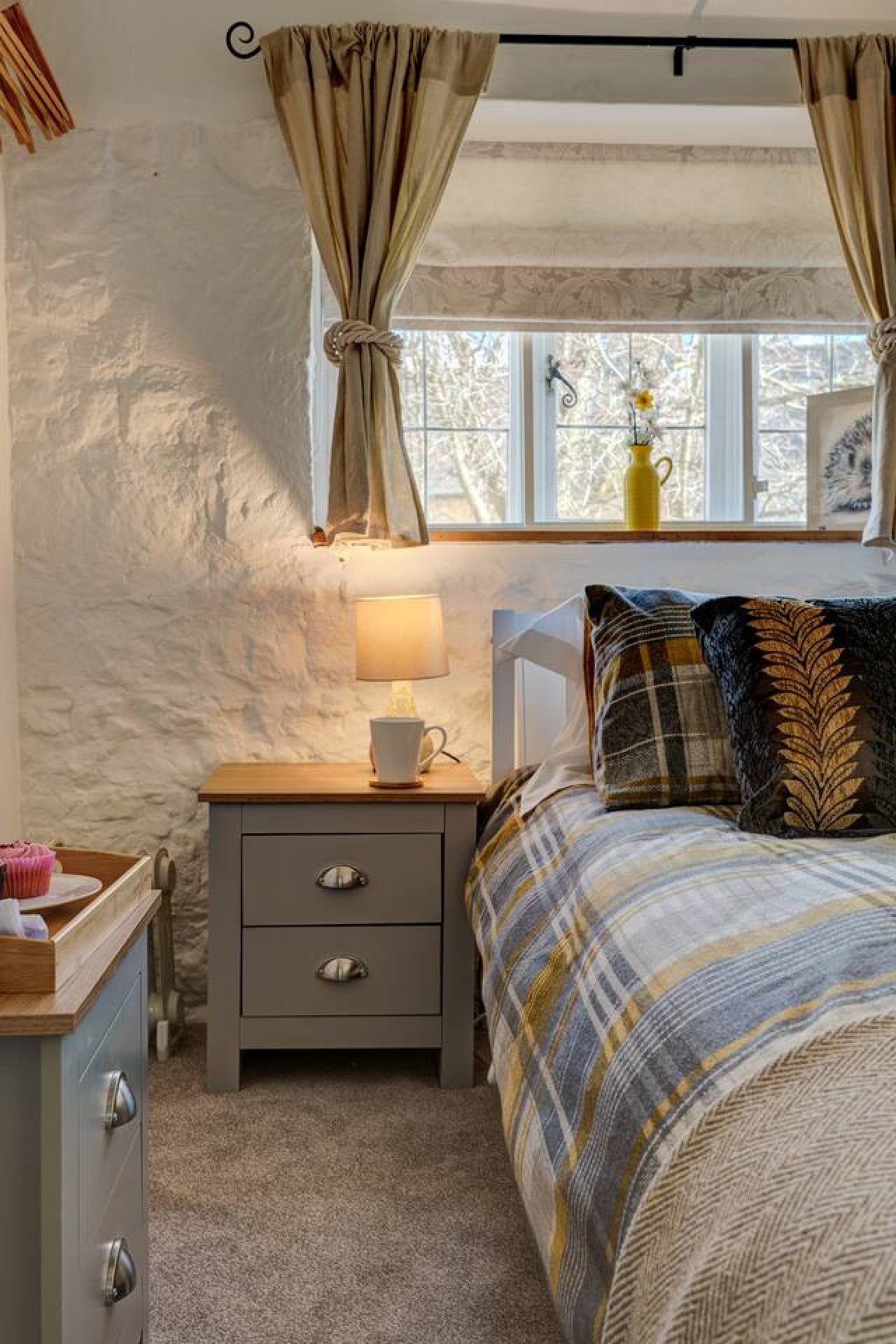
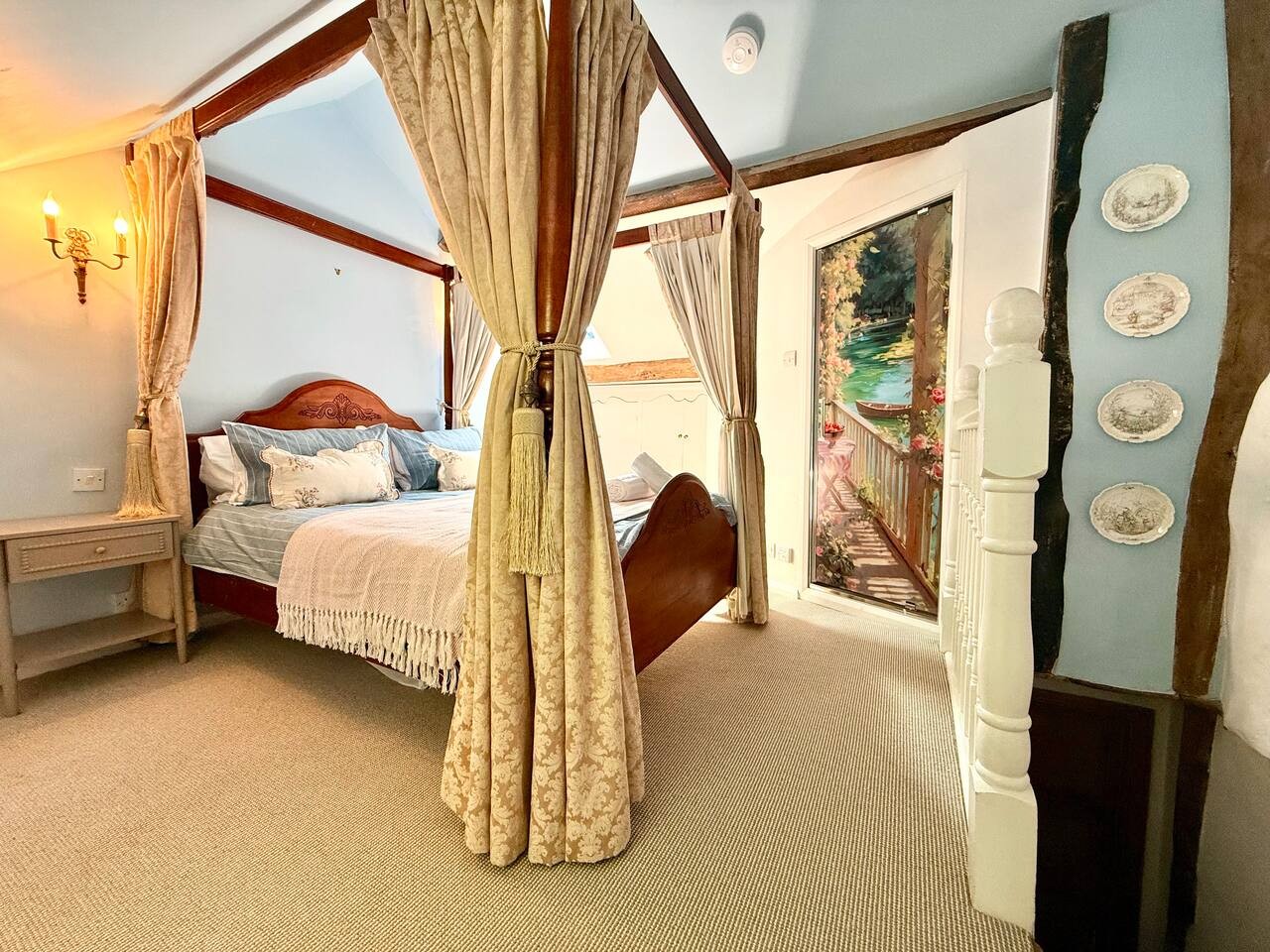
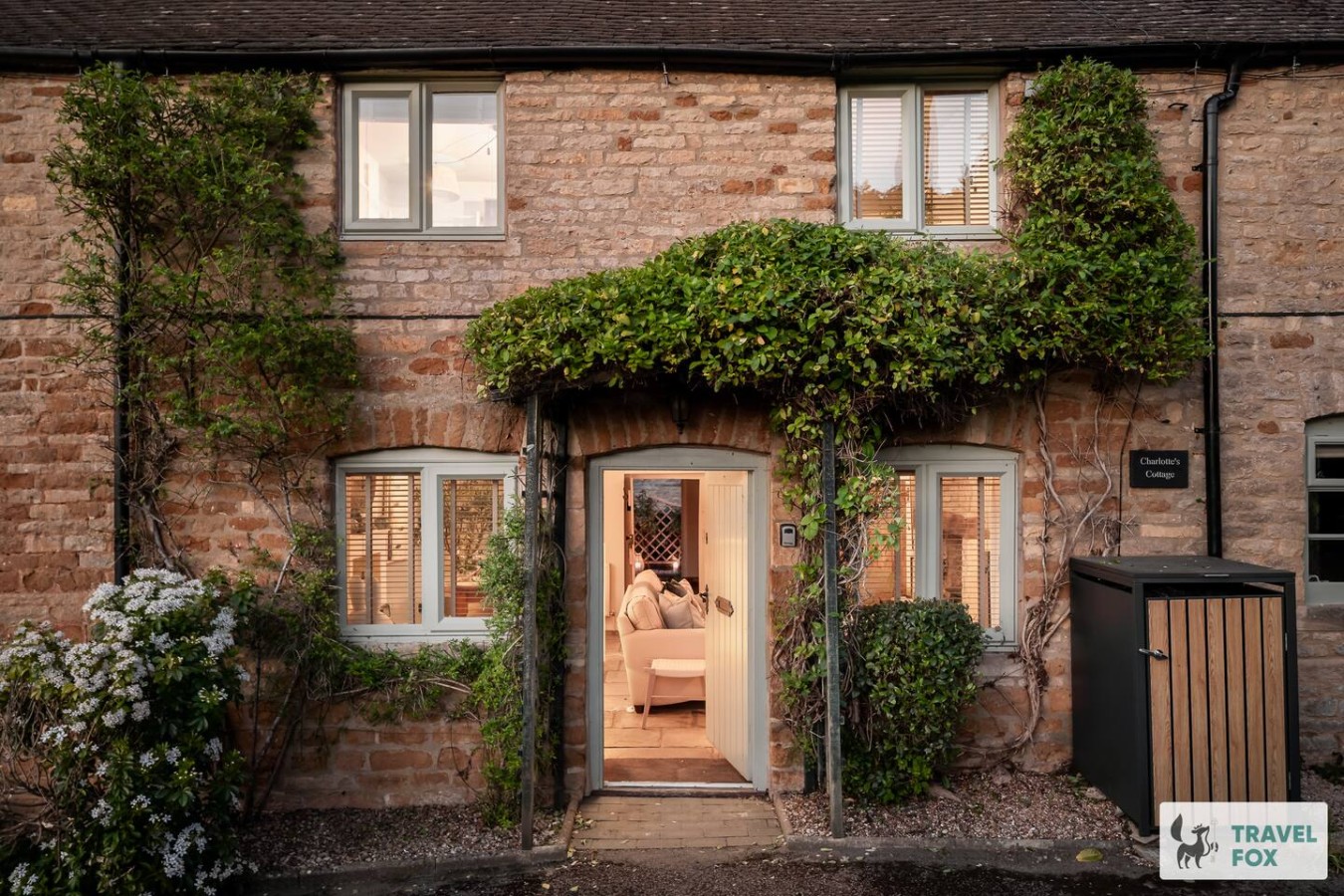
Travel Fox holiday homes around Cotswolds, linked directly to their property pages.
For homeowners
Own a holiday home near Paxford?
We manage holiday lets across the Cotswolds from 12% commission, charged after cleaning costs, with no lock-in. A co-founder visits before you decide.
Holiday let management in the Cotswolds →
A guide with a point of view
Written from research. Edited for real journeys.
Use the Official site links for live practical details, then use this guide for context, ideas and room to explore.
Sources
Every place on this page is checked against a published source. Each entry links the record we used and names who publishes it.
- Vegetable Matters — vegetable-matters.co.uk operator, sector body or destination organisation record not machine-readable; publisher restricts automated access
- Hidcote — nationaltrust.org.uk national body or asset manager
- Batsford Arboretum — historicengland.org.uk statutory register or public authority record not machine-readable; publisher restricts automated access
- Paxford War Memorial — historicengland.org.uk statutory register or public authority record not machine-readable; publisher restricts automated access
- Paxford Village Hall — paxford.org.uk operator, sector body or destination organisation